Artwork
Charles de Longueval, Count de Bucquoi
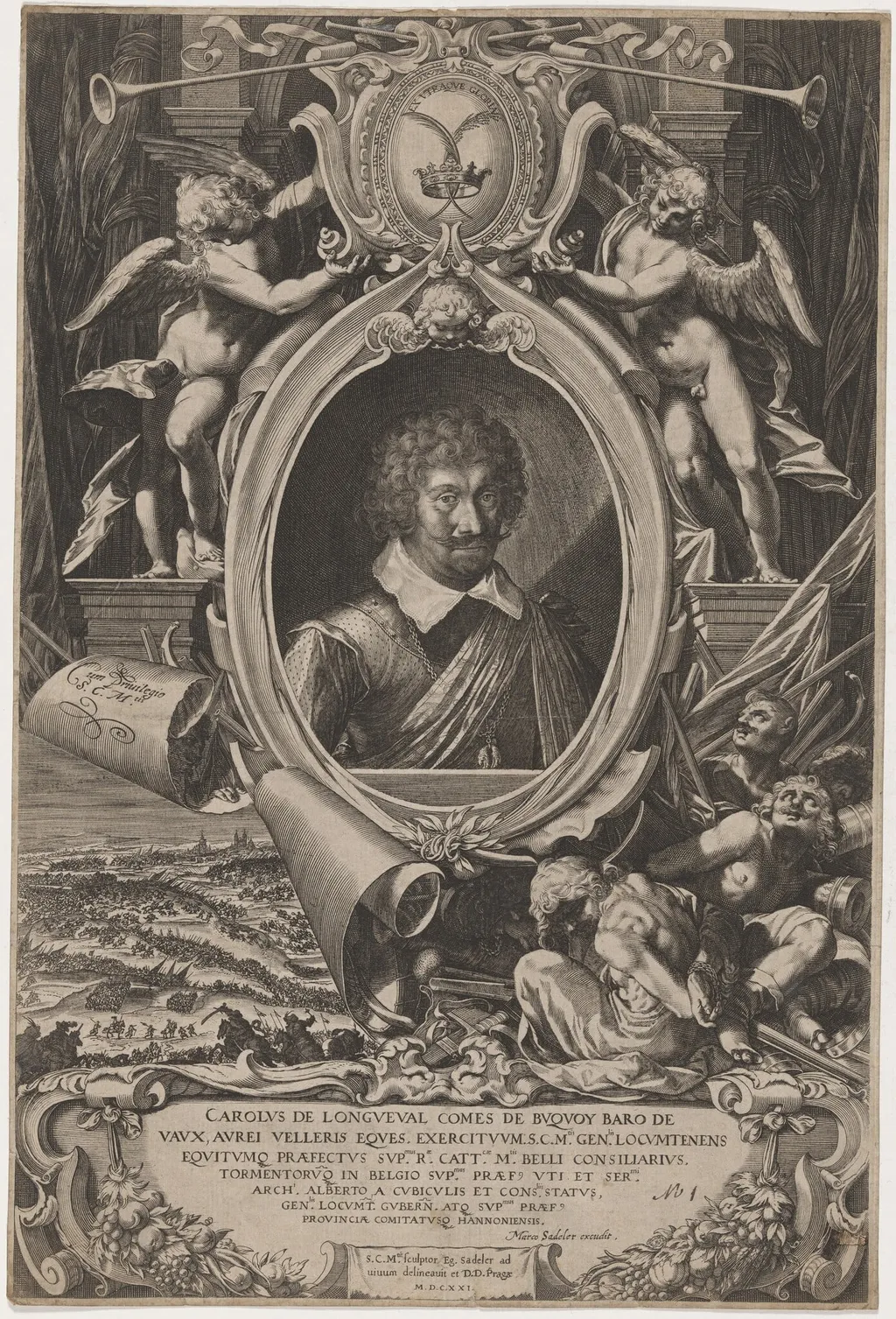
Charles de Longueval, Count de Bucquoi is an ink print by the Baroque artist Aegidius Sadeler II. It dates from 1621 and is held in the collection of the National Gallery of Art.
About this work
Overview
*Charles de Longueval, Count de Bucquoi* is an engraving created by Aegidius Sadeler II in 1621, portraying Charles Bonaventure de Longueval, Count of Bucquoy. The work exemplifies Sadeler's expertise in engraving, a medium he predominantly worked with during the early 17th century.
Subject & Meaning
The engraving depicts Charles Bonaventure de Longueval, Count of Bucquoy, in formal, antiquated attire, including a large hat and cape, conveying a sense of solemnity through his serious expression.
Technique & Style
Sadeler employed intricate line work to achieve detailed texture and depth, characteristic of his engraving technique, resulting in a highly realistic and precise portrayal.
History & Provenance
Created in 1621, the engraving was produced during Sadeler's active period at the Prague court of Rudolf II and his successors, though specific ownership history is not detailed here.
Context
The work reflects the artistic patronage of the Prague court in the early 17th century, where Sadeler was a prominent figure among Flemish engravers.
Legacy
While the engraving showcases Sadeler's skill, its broader impact or influence on subsequent artistic movements is not explicitly outlined in the provided information.
Artist & collection
Artist
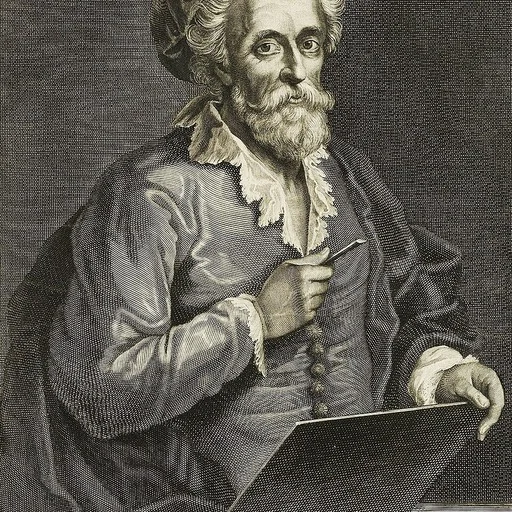
Aegidius Sadeler or Aegidius Sadeler II (1570–1629) was a Flemish engraver who was principally active at the Prague court of Rudolf II, Holy Roman Emperor and his successors.

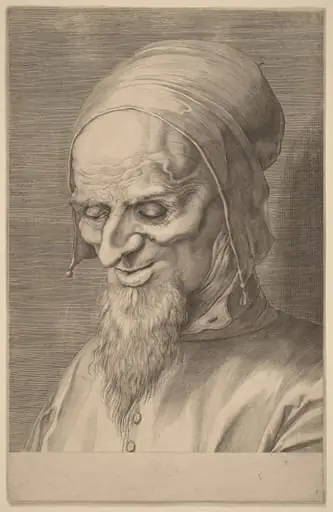
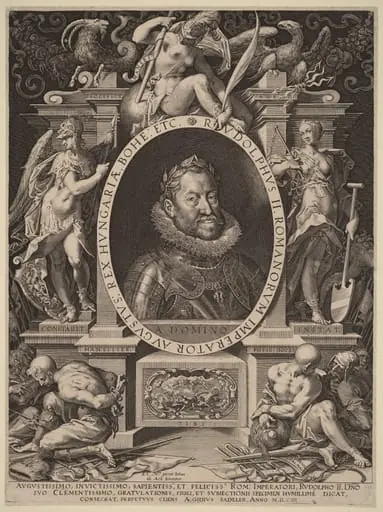
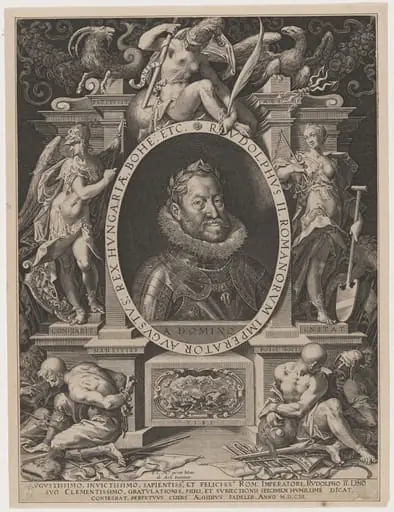 Emperor Rudolph II
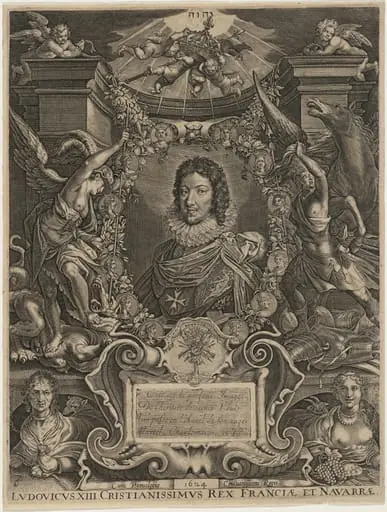 Louis XIII of France
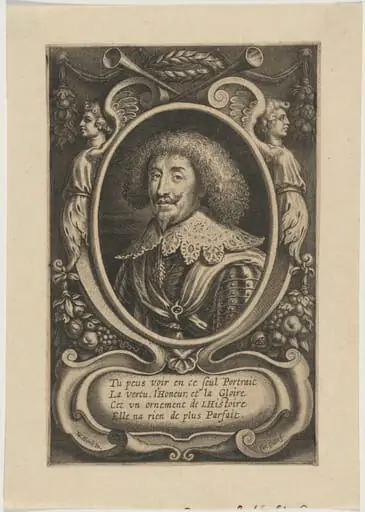 Portrait of Man in Oval with Decoration of Winged Figures
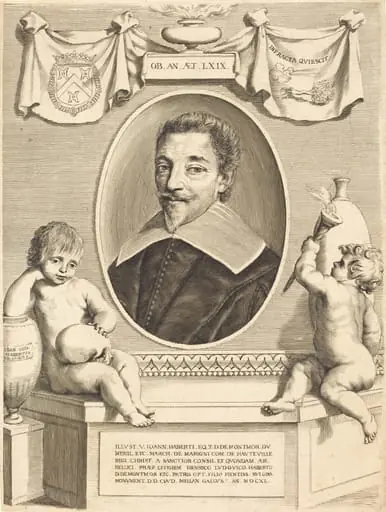 Jean Habert de Monturor
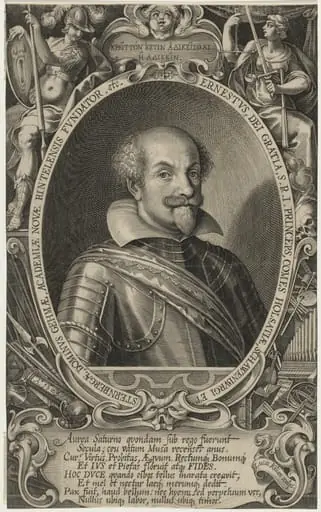 Ernest of Holstein, Schawenburg and Sternberg, Prince of Holy Roman Empire
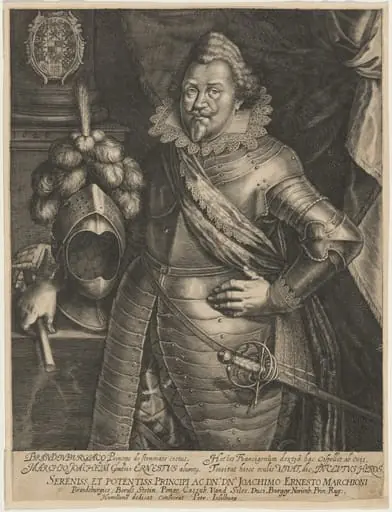 Joachim Ernest, Elector of Brandenburg
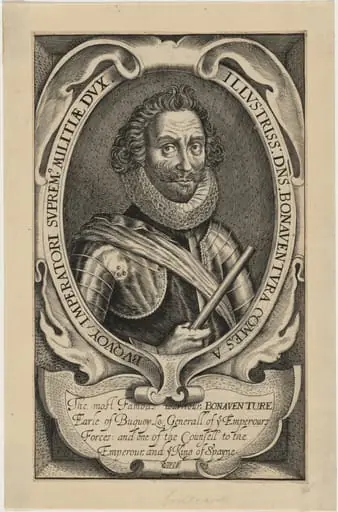 Bonaventura, Comte de Buquoy
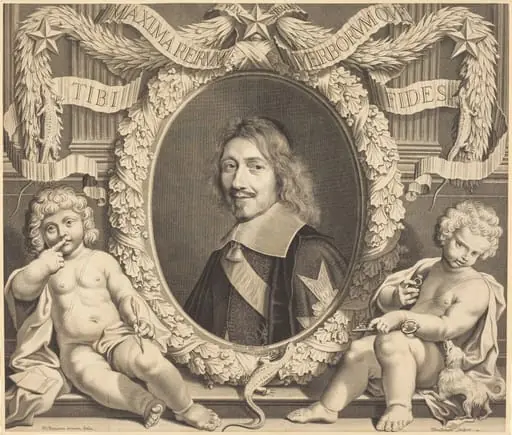 Chancellor Michel Le Tellier
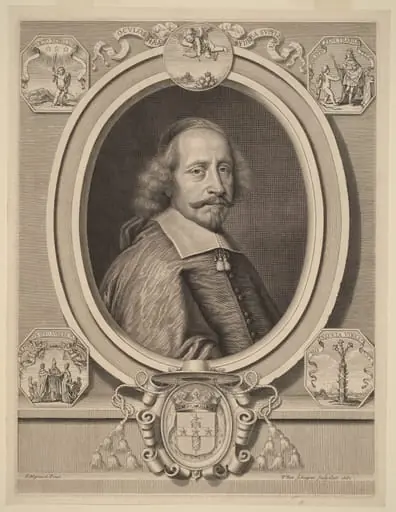 Cardinal Jules Mazarin