Artwork
November and December
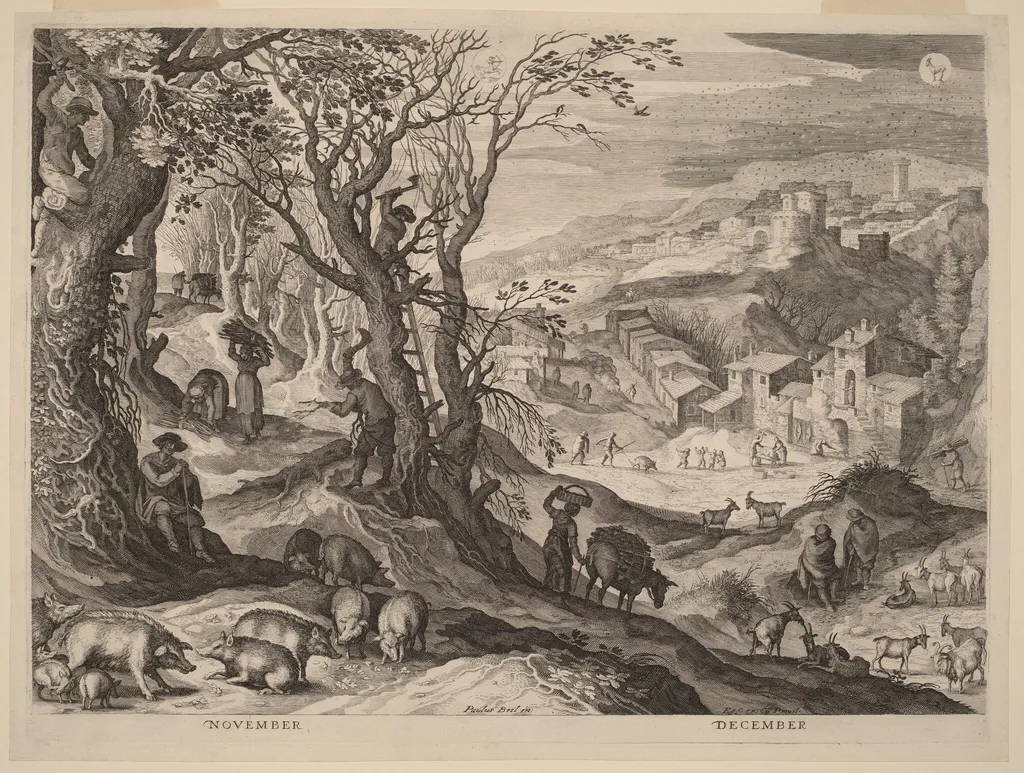
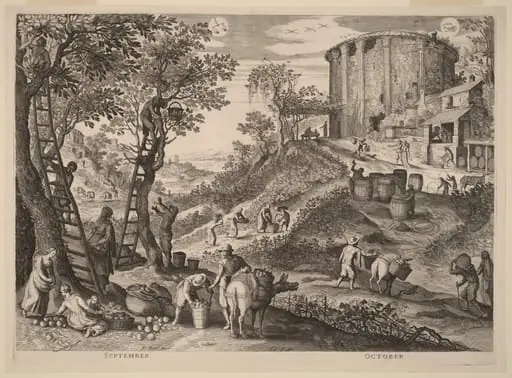
November and December is an ink print by the Baroque artist Aegidius Sadeler II. It dates from 1615 and is held in the collection of the National Gallery of Art.
About this work
Overview
Executed on laid paper, the print belongs to a series illustrating the months of the year, reflecting the court’s interest in seasonal cycles and rural life.
Aegidius Sadeler II produced the engraving *November and December* in 1615, working within the imperial court of Rudolf II in Prague. Executed on laid paper, the print belongs to a series illustrating the months of the year, reflecting the court’s interest in seasonal cycles and rural life. Sadeler, a Flemish printmaker, was known for his precise draftsmanship and his role in disseminating visual culture across Central Europe.
Subject & Meaning
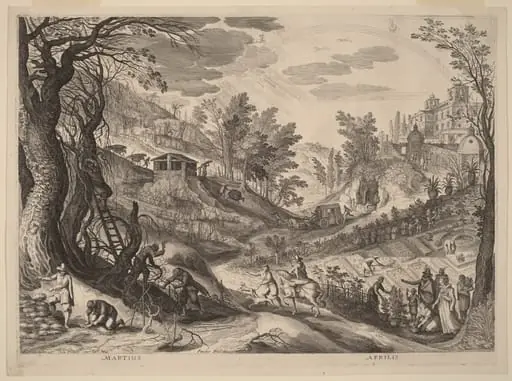
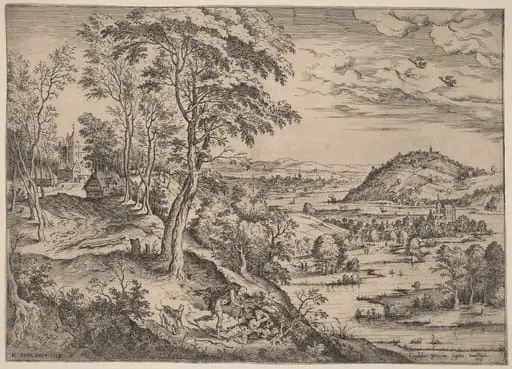
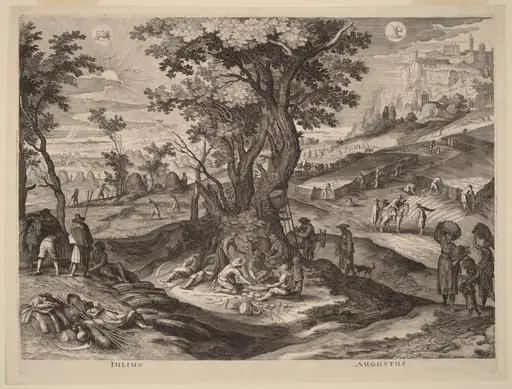
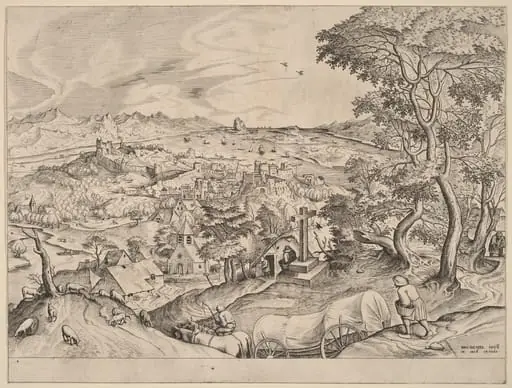
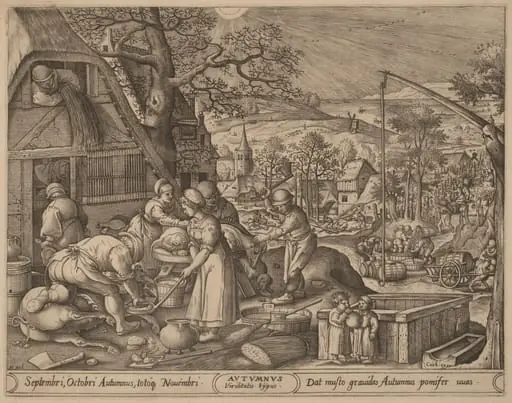
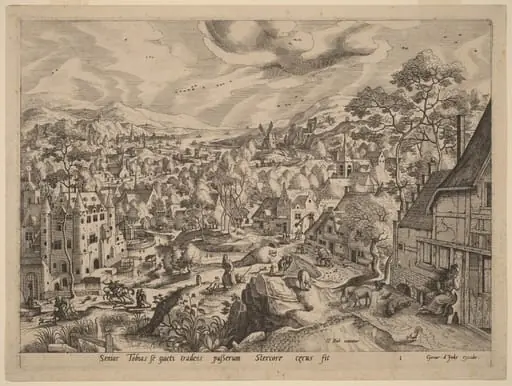
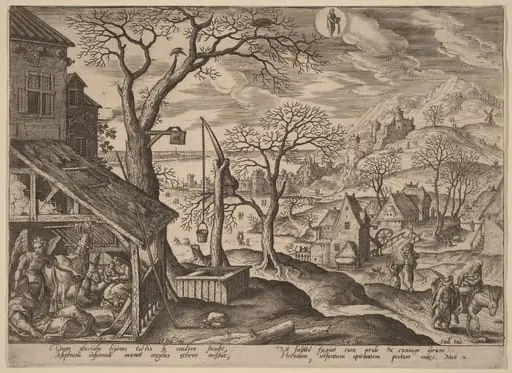
The scene portrays winter labor in a rural setting: figures gather firewood, tend to livestock, and move along a path beside a stream. Pigs forage near the water, while distant figures carry bundles of wood, suggesting the quiet urgency of seasonal preparation. The imagery conveys endurance and routine rather than spectacle, aligning with early 17th-century Northern European traditions of depicting agrarian life with dignity and observation.
Technique & Style
Sadeler employed fine cross-hatching to model form and suggest depth, using graduated tonal ranges to differentiate foreground from background. The engraving’s delicate lines capture texture in bark, wool, and earth, while subtle contrasts in light and shadow guide the viewer’s eye through the landscape. The technique reflects the precision of Northern European printmaking, prioritizing clarity and detail over dramatic flourish.
History & Provenance
Created during Sadeler’s tenure at the Prague court, the print was likely part of a commissioned series for imperial patrons interested in natural cycles and moralized rural imagery. Its survival in multiple institutional collections suggests it was widely circulated among collectors and scholars. The work exemplifies the role of prints as both artistic objects and tools for disseminating visual knowledge in early modern Europe.
Context
In early 17th-century Central Europe, seasonal cycles were frequently depicted in art as metaphors for order and divine harmony. Sadeler’s prints responded to a broader trend among courtly patrons who valued detailed, naturalistic imagery drawn from everyday life. His work bridged Flemish engraving traditions with the intellectual climate of Rudolfine Prague, where science, art, and symbolism converged.
Legacy
Sadeler’s *November and December* contributed to the enduring European tradition of monthly cycles in printmaking. While not widely celebrated in his lifetime, his technical rigor influenced later generations of engravers. The print remains a reference for understanding how rural labor was visually codified in early Baroque visual culture, without idealization or overt sentiment.
Artist & collection
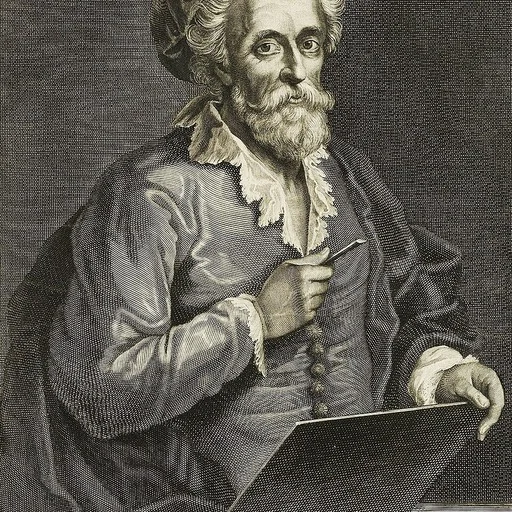
Artist
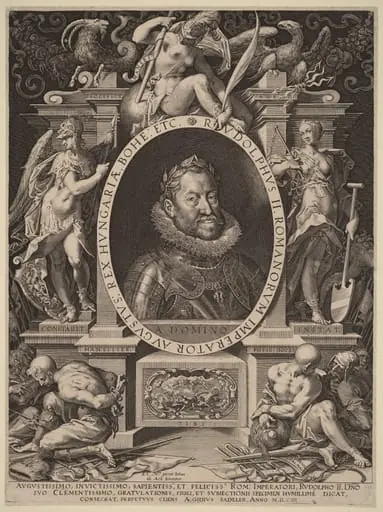
Aegidius Sadeler or Aegidius Sadeler II (1570–1629) was a Flemish engraver who was principally active at the Prague court of Rudolf II, Holy Roman Emperor and his successors.