Artwork
Martin de Vos
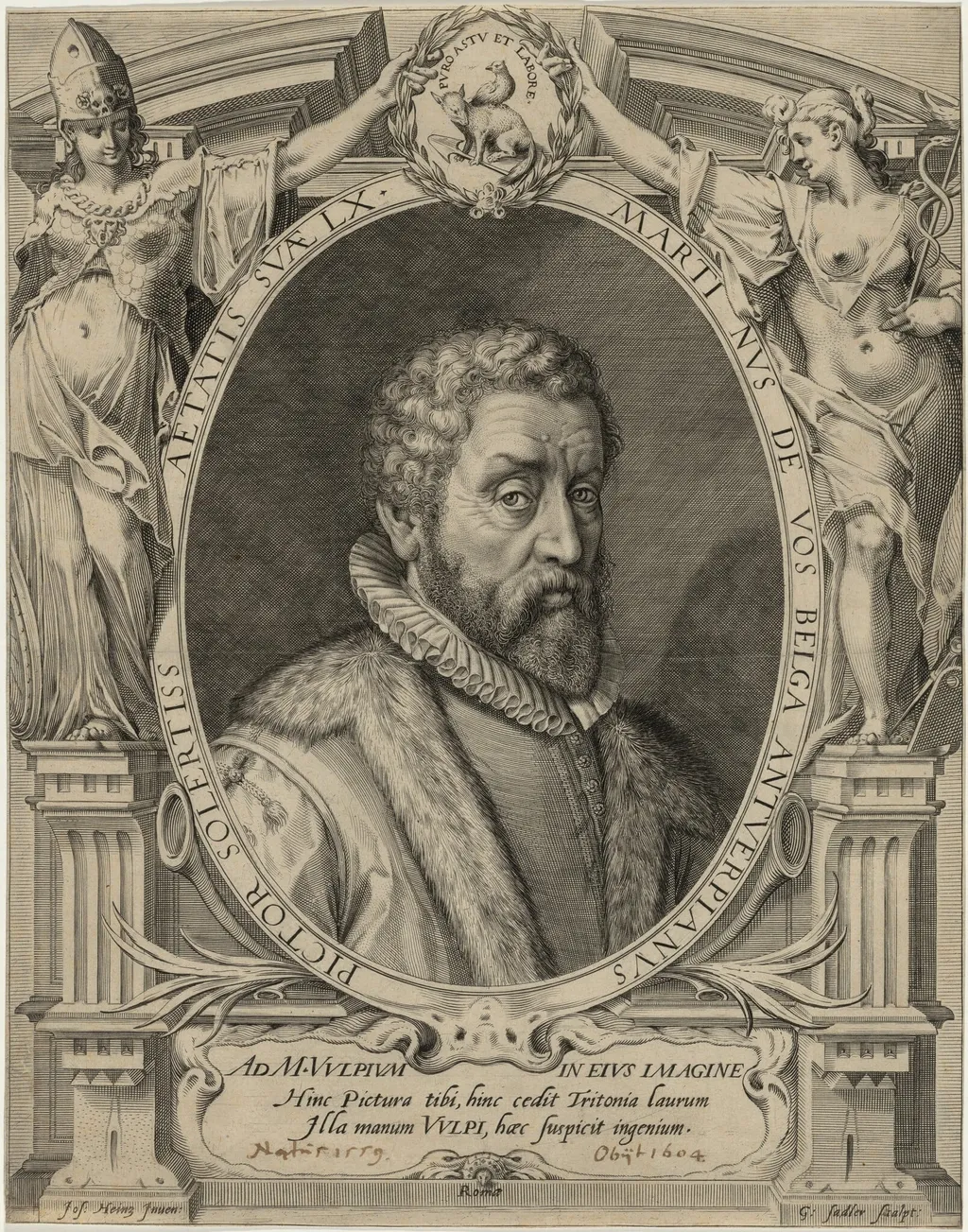
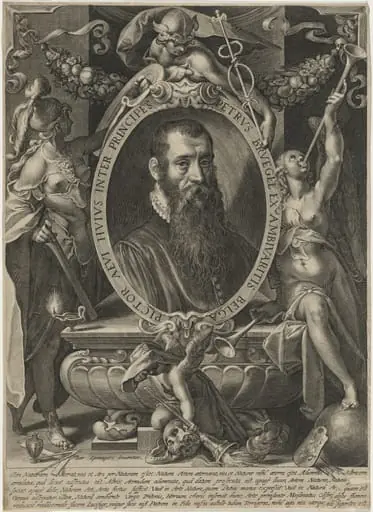
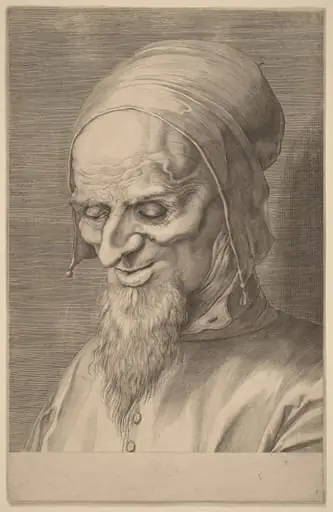
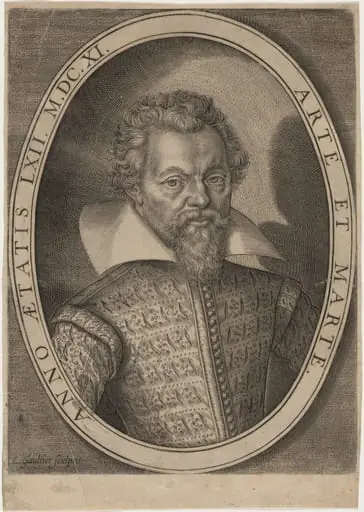
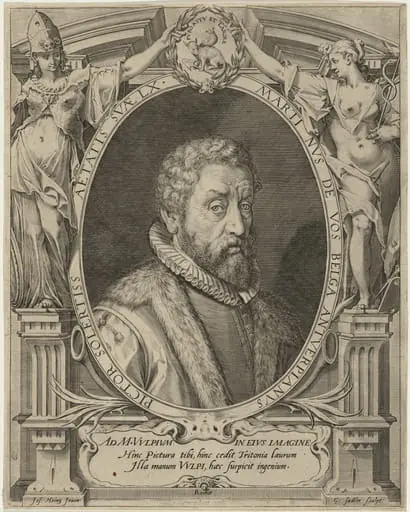
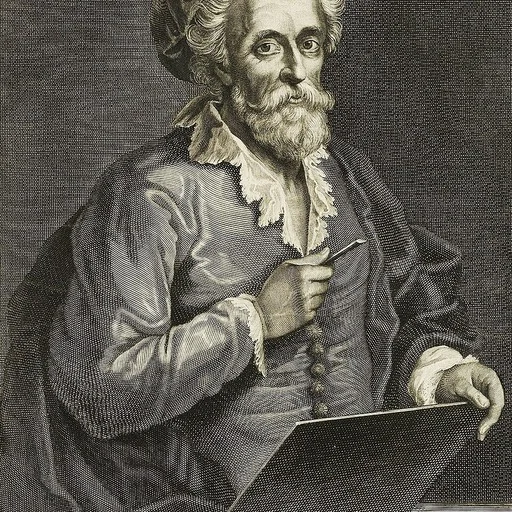
Martin de Vos is an ink print by the Renaissance artist Aegidius Sadeler II. It dates from 1600 and is held in the collection of the National Gallery of Art.
About this work
Overview
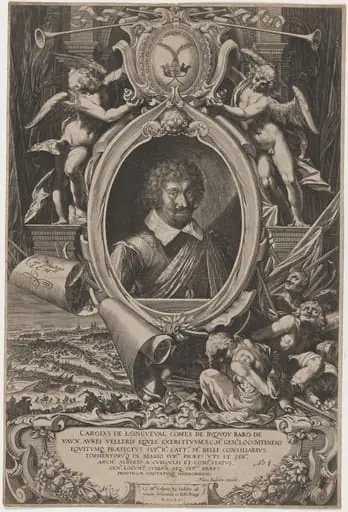
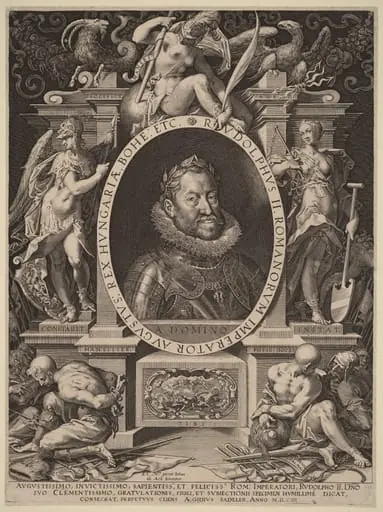
Aegidius Sadeler II, a Flemish engraver employed by the imperial court in Prague, issued an engraved portrait in 1600 that bears the name Martin de Vos. The print presents a bearded, curly‑haired man in a fur‑trimmed coat, set against a dark field and enclosed within an ornamental oval frame.
Subject & Meaning
The central figure is identified as Martin de Vos, a contemporary whose likeness was captured for posterity. The portrait emphasizes the sitter’s status through luxurious clothing and a composed, direct gaze, reflecting the period’s interest in individual identity and social rank.
Technique & Style
Sadeler employed fine cross‑hatching to model the facial features and fabric textures, creating a sense of volume on the copper plate. The composition follows Renaissance conventions, with a balanced oval frame, Latin inscription, and decorative shields flanking the portrait.
History & Provenance
Produced under the patronage of Emperor Rudolf II’s court, the engraving was part of Sadeler’s series of portrait and reproductive prints intended for a courtly audience. Its circulation would have been limited to collectors and officials connected to the imperial household.
Context
The work belongs to the late Renaissance milieu of Central Europe, where the Habsburg court fostered a vibrant exchange of artistic ideas. Sadeler’s activity in Prague reflects the city’s role as a cultural hub, drawing artists from the Low Countries to serve imperial tastes.
Artist & collection
Artist
Aegidius Sadeler or Aegidius Sadeler II (1570–1629) was a Flemish engraver who was principally active at the Prague court of Rudolf II, Holy Roman Emperor and his successors.