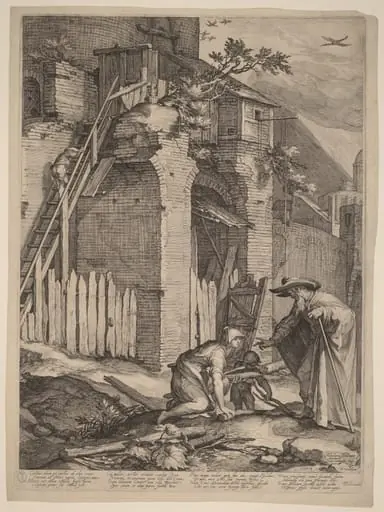
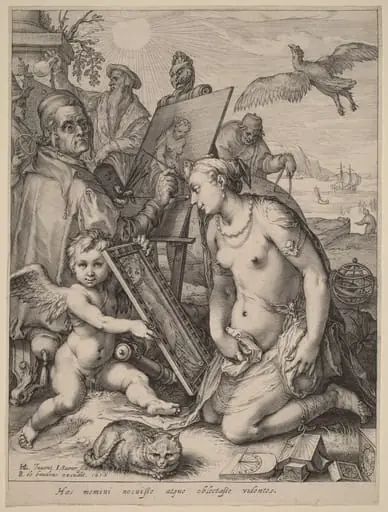
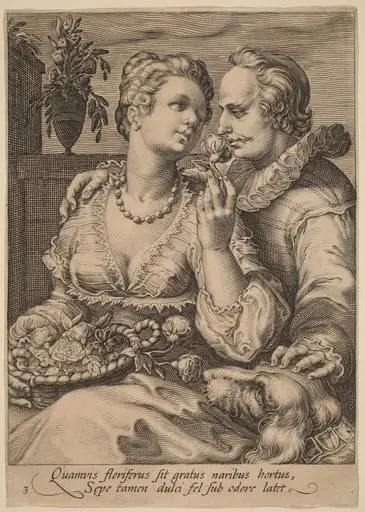
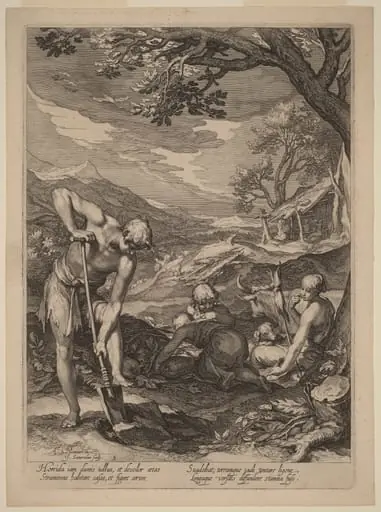
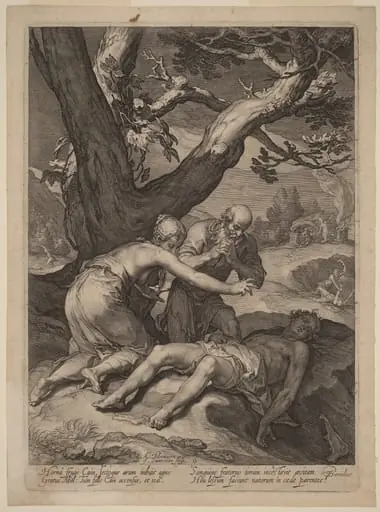
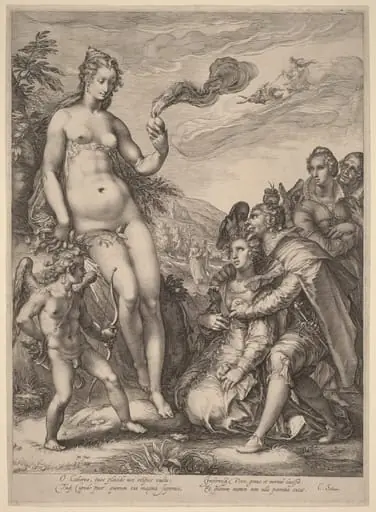
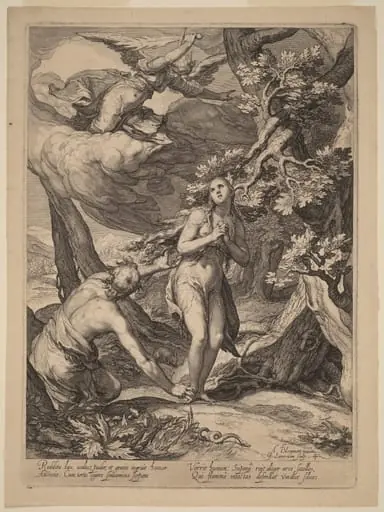
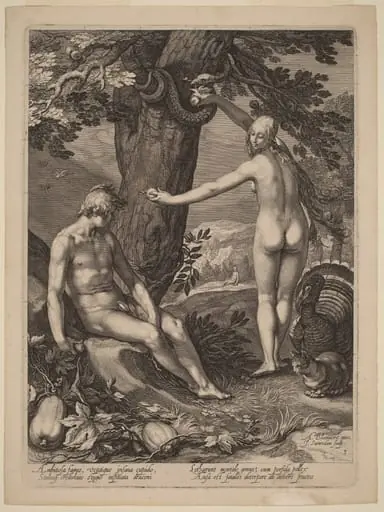
Artwork
The Cult of Bacchus
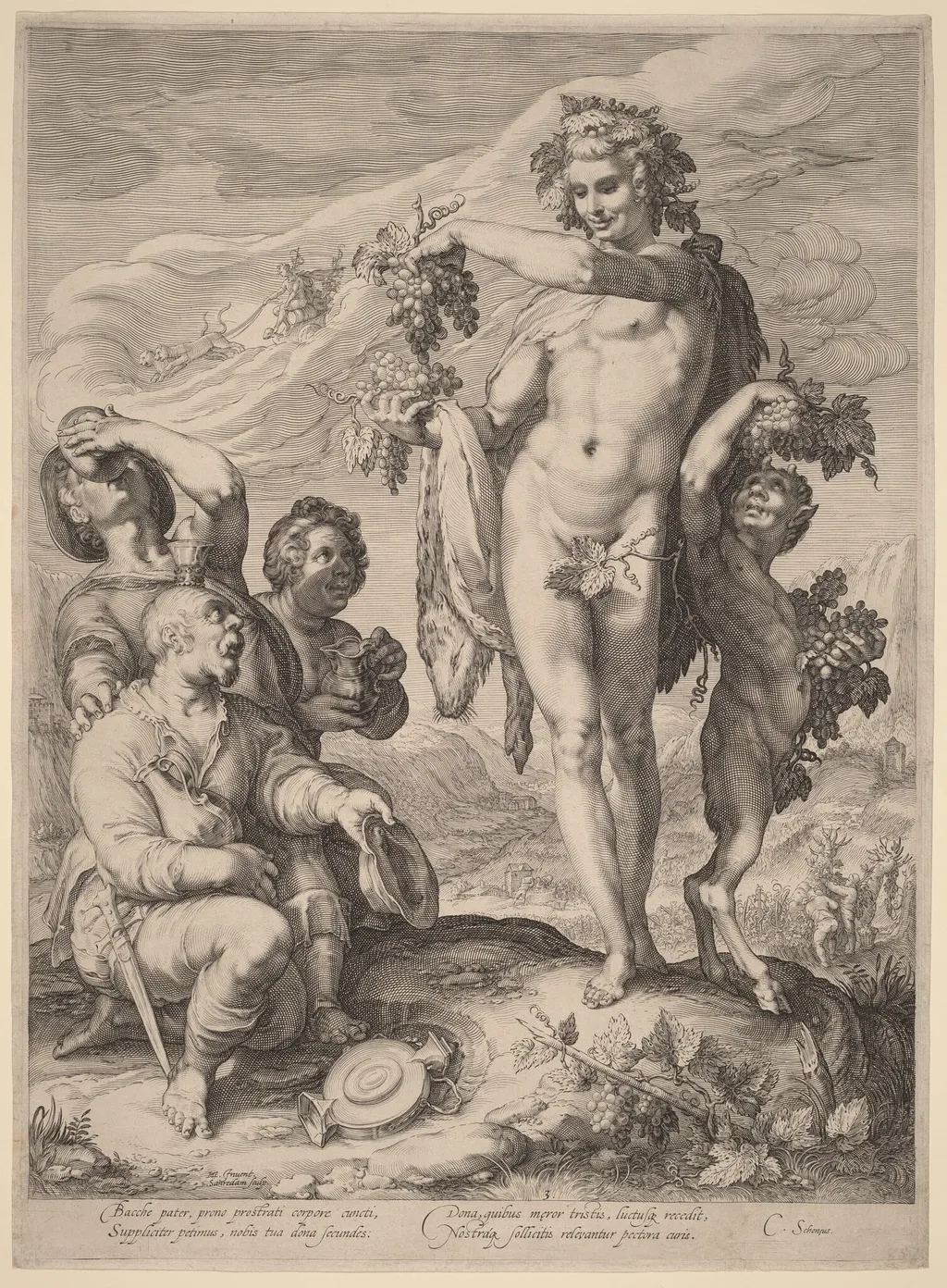
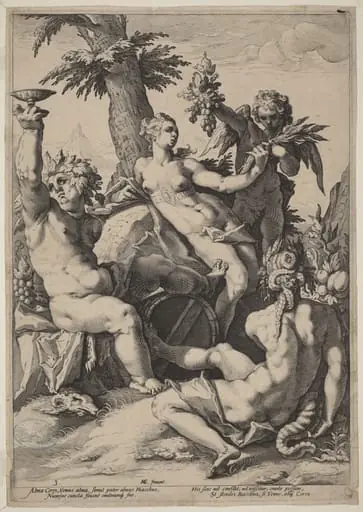
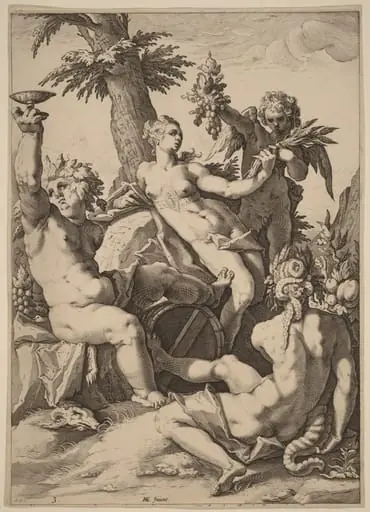
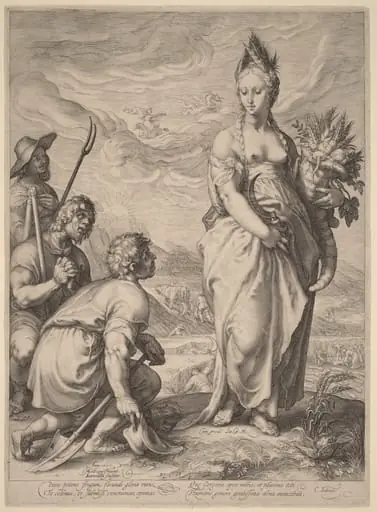
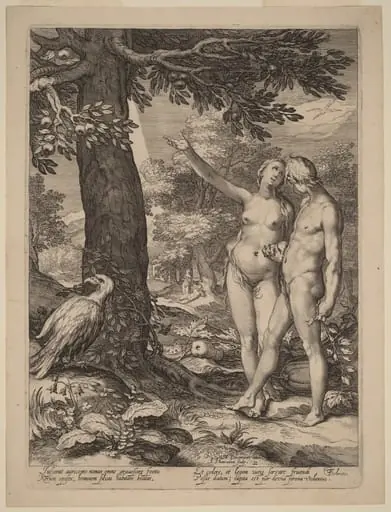
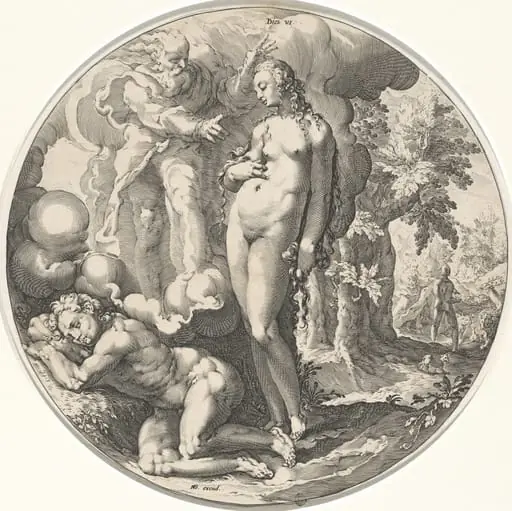
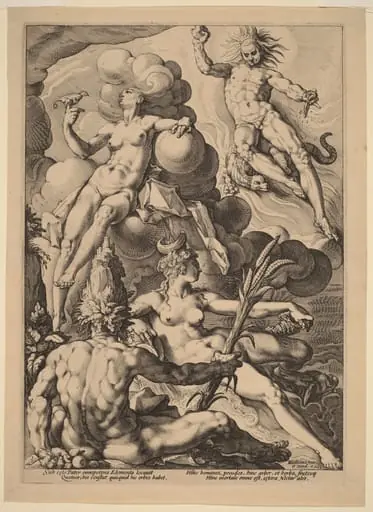
The Cult of Bacchus is an ink print by the Renaissance artist Jan Pietersz Saenredam. It dates from 1596 and is held in the collection of the National Gallery of Art.
About this work
Overview
As a printmaker active in the late 16th century, Saenredam specialized in intricate compositions drawn from classical antiquity.
Created in 1596, *The Cult of Bacchus* is an engraving on laid paper by Jan Pietersz. Saenredam, depicting a mythological scene tied to the Roman god of wine. As a printmaker active in the late 16th century, Saenredam specialized in intricate compositions drawn from classical antiquity. This work exemplifies his role in the Northern Mannerist tradition, where allegory and textual sources shaped visual narratives. The piece contributed to his standing in the printmaking community and preceded his later work in cartography.
Subject & Meaning
The scene portrays a mythic female figure, likely a nymph or priestess of Bacchus, surrounded by male devotees in a natural setting thick with vines and grapes. Her elevated posture and ornate drapery distinguish her as divine, while the men’s postures—offering cups, hats, and attentive gazes—suggest ritual reverence. The Latin inscription anchors the image in a known mythological narrative, transforming it from a generic feast into a coded reference to ancient religious practice and the cult of intoxication as spiritual experience.
Technique & Style
Saenredam employed fine, controlled engraving lines to render texture and depth with precision. The rocky terrain, foliage, and fabric folds are defined by dense cross-hatching and delicate contouring, characteristic of Northern Mannerist draftsmanship. The composition avoids naturalism, favoring stylized forms and symbolic arrangement. The clarity of each line reflects the technical rigor of copperplate engraving, where every stroke was incised by hand to produce a limited number of impressions, emphasizing craftsmanship over mass reproduction.
History & Provenance
This print emerged during Saenredam’s early career, before his shift toward architectural cartography. It was part of a series of mythological engravings that established his reputation in Haarlem’s artistic circles. Though no early ownership records are documented, its survival in multiple museum collections suggests it was widely circulated among collectors of prints. The work later served as a visual reference for his son, Pieter Jansz. Saenredam, who would become known for church interiors, inheriting his father’s disciplined approach to line and structure.
Context
In late 16th-century the Netherlands, classical mythology remained a favored subject among humanist artists, offering a safe vehicle for exploring themes of pleasure, ritual, and the divine. Despite Protestant reforms discouraging overt religious imagery, mythological scenes retained cultural legitimacy. Saenredam’s engagement with these themes aligned with broader intellectual currents, where ancient texts were studied and reinterpreted through a moral or allegorical lens, even in secular prints.
Legacy
Though Saenredam is better remembered today for his maps and architectural engravings, *The Cult of Bacchus* illustrates his early mastery of narrative printmaking. The work’s technical precision and mythological depth influenced the next generation of Dutch printmakers, including his own son. It stands as a testament to the enduring appeal of classical allegory in Northern European art, bridging humanist scholarship and visual craftsmanship during a period of religious and cultural transition.
Artist & collection
Artist
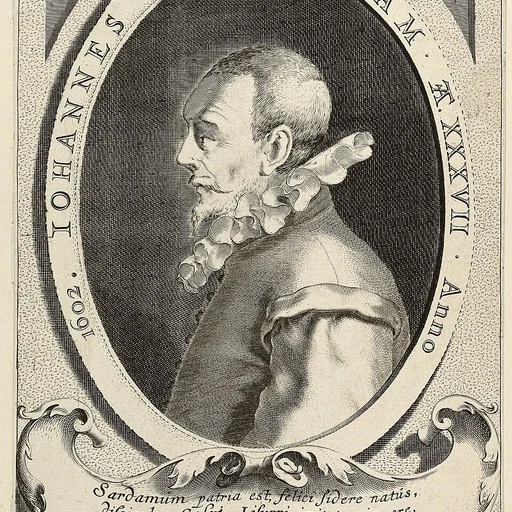
Jan Pieterszoon (abbr. Pietersz.) Saenredam (c. 1565 – 6 April 1607) was a Dutch Northern Mannerist painter, printmaker in engraving, and cartographer, and father of the painter of church interiors, Pieter Jansz…