Artwork
Bossée
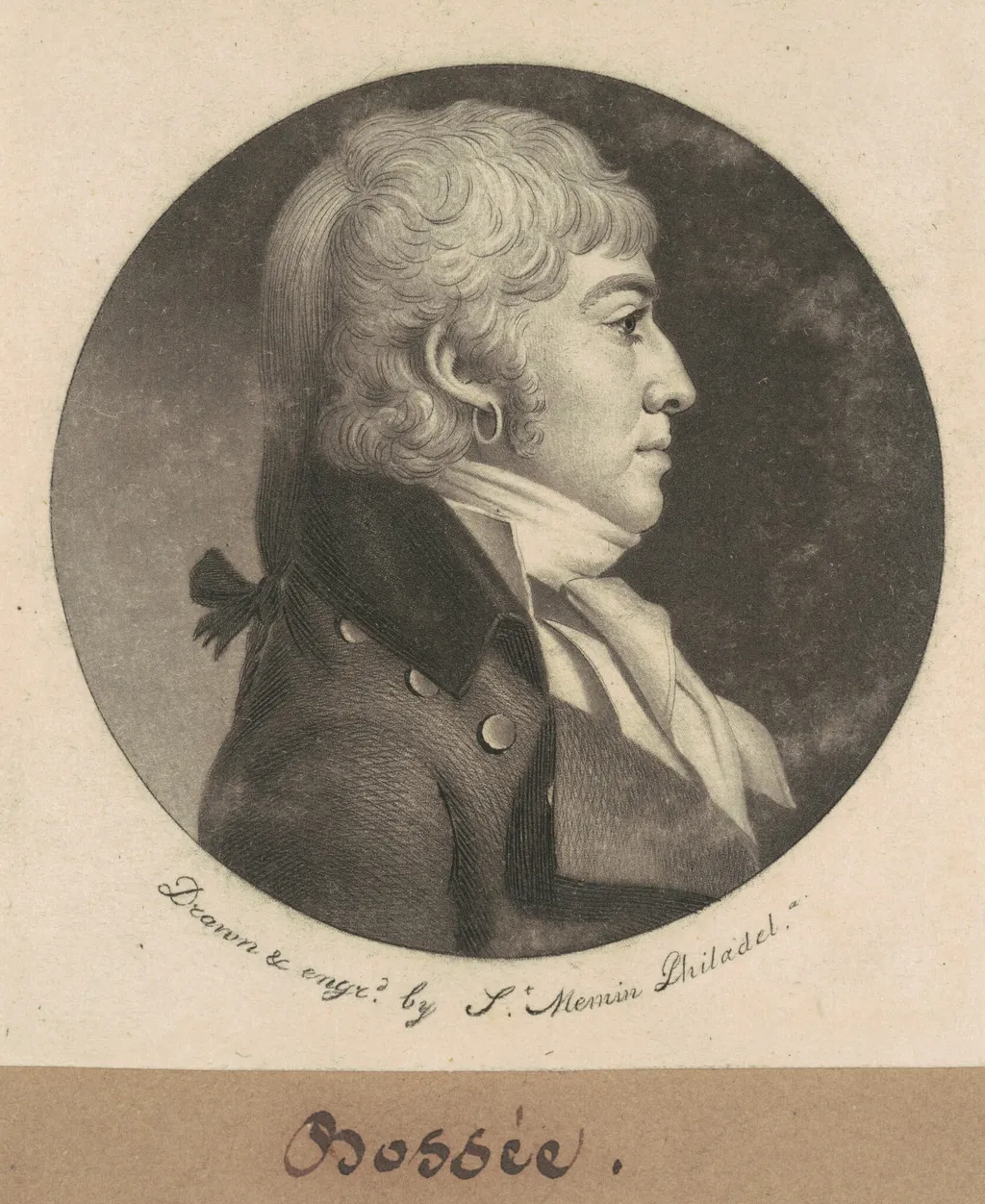
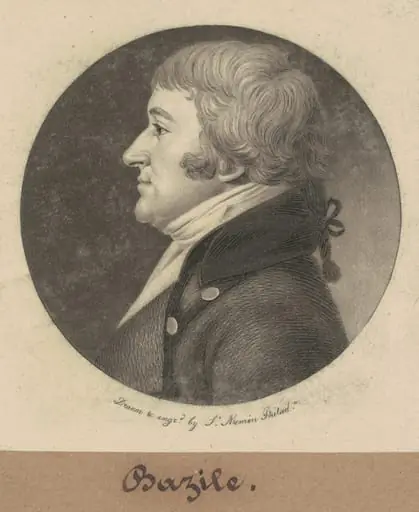
Bossée is an ink print by the Romanticist artist Charles Balthazar Julien Févret de Saint-Mémin. It dates from 1800 and is held in the collection of the National Gallery of Art.
About this work
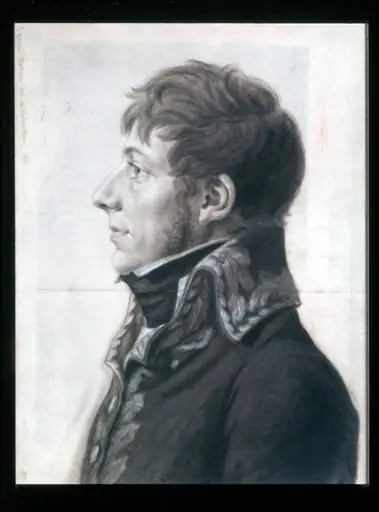
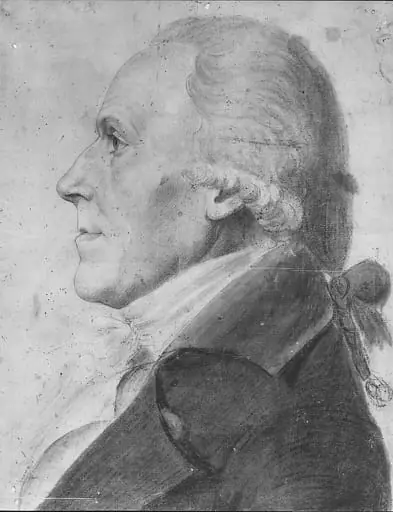
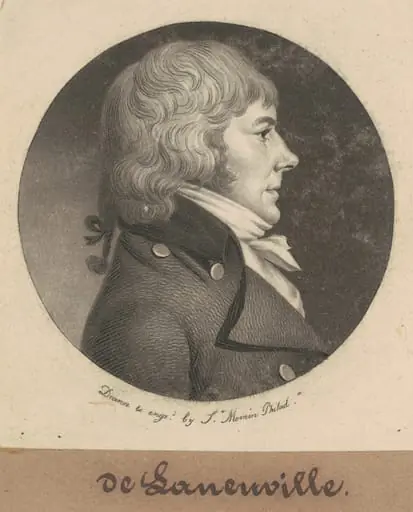
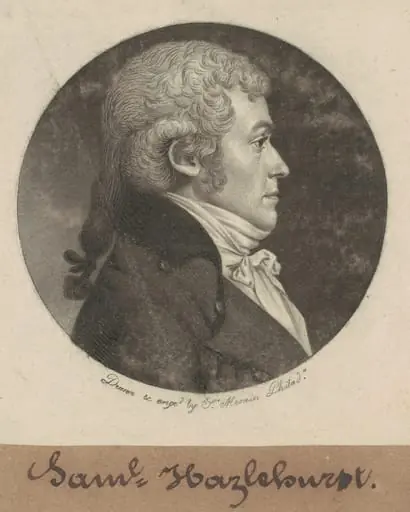
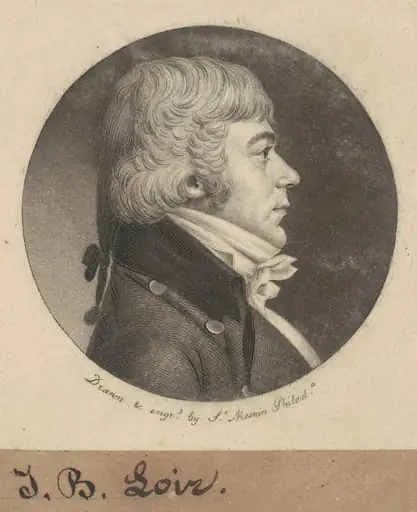
This 1800 engraving shows a man in a dark coat, facing slightly left.
This 1800 engraving shows a man in a dark coat, facing slightly left. His sharp nose and high forehead stand out against the soft shadows. The artist carved fine lines to create smooth gradients in the face.
Mezzotint uses roughened plates for rich blacks and delicate shifts. Saint-Mémin was among early U.S. artists trained in Paris. His prints helped spread European portrait styles here.
See how engraving differs from cross-hatching next. Look up Saint-Mémin, Charles B. J. Févret de.
Overview
Bossée is a print created by Charles B. J. Févret de Saint-Mémin in 1810 using mezzotint and engraving techniques on wove paper.
Subject & Meaning
The print depicts a man in a dark coat, turned slightly to the left, with a prominent nose and forehead set against a backdrop of soft shadows.
Technique & Style
The artwork combines mezzotint, which allows for rich blacks and subtle transitions, with engraving, evident in the fine lines that create smooth gradients on the subject's face.
Context
Saint-Mémin was an artist trained in Paris who worked in the United States, helping to disseminate European portrait styles through his prints.
Artist & collection

Artist
Charles Balthazar Julien Févret de Saint-Mémin
Charles Balthazar Julien Févret de Saint-Mémin (French pronunciation: ; 1770–1852) was a French portrait painter and museum director.