Artwork
de Laneuville
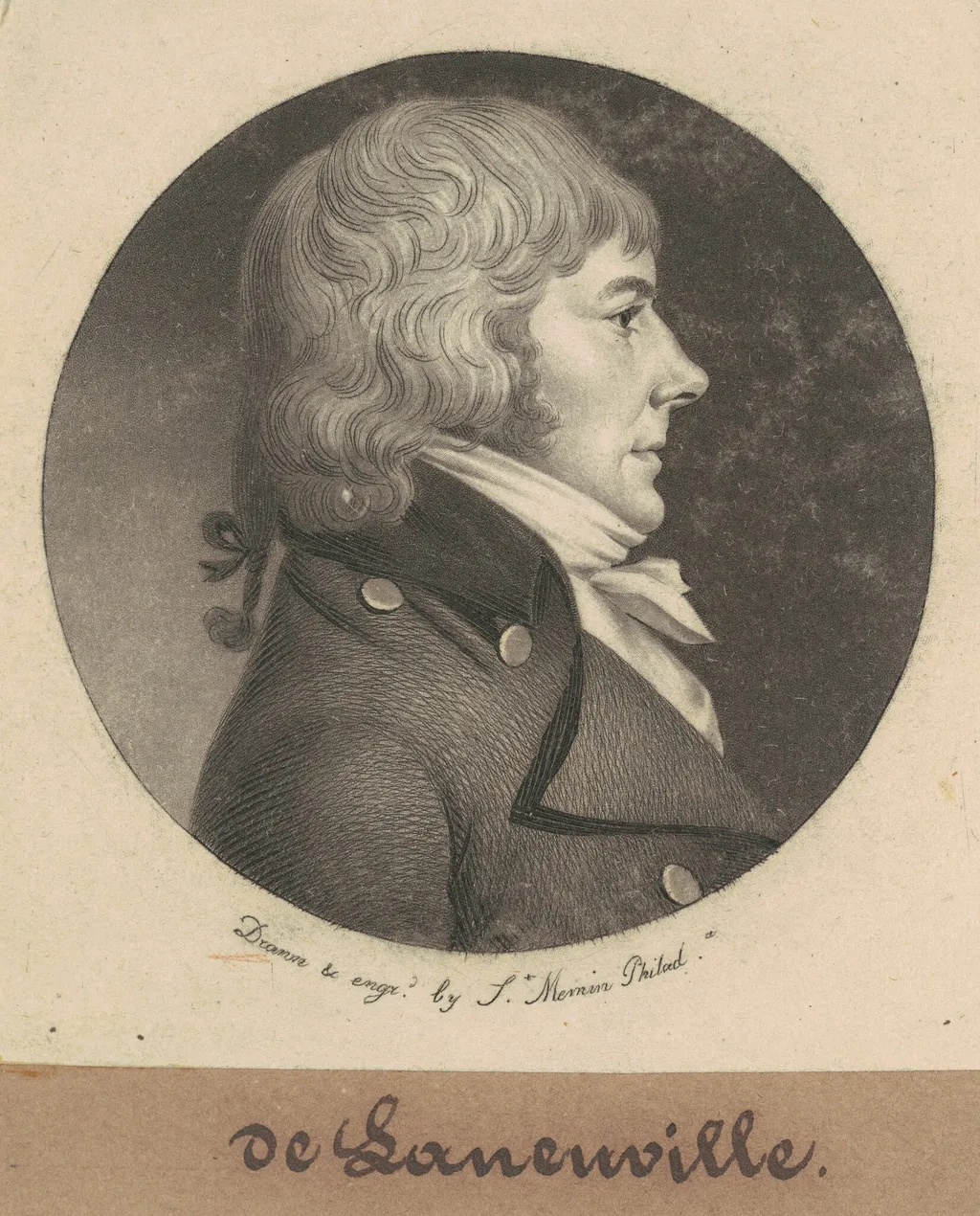
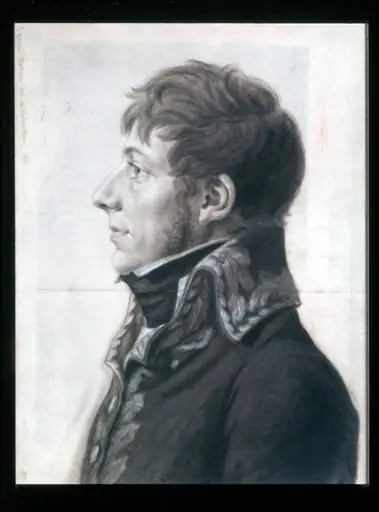
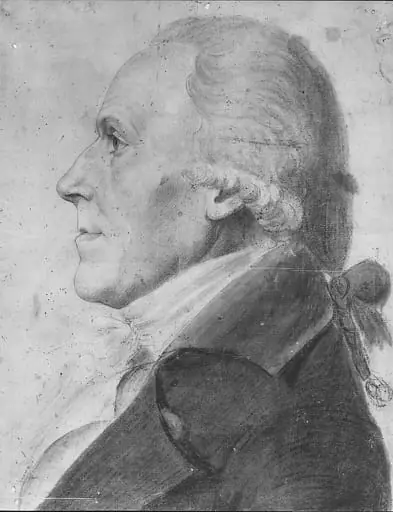
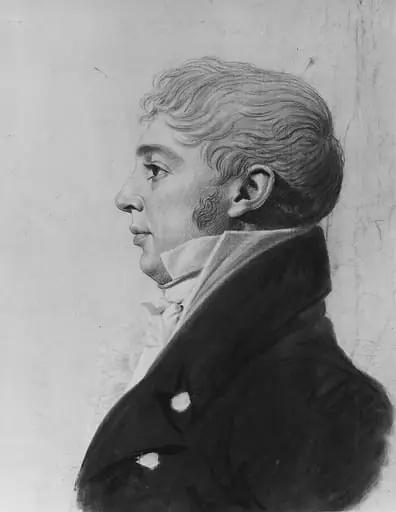
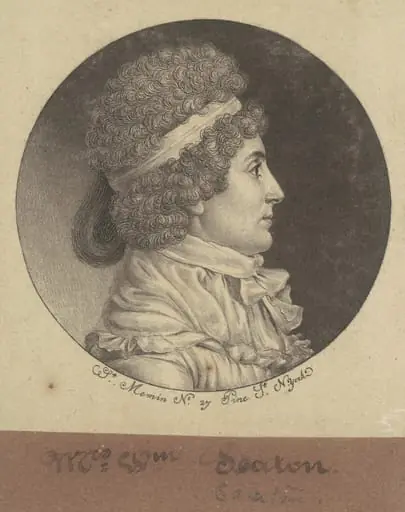
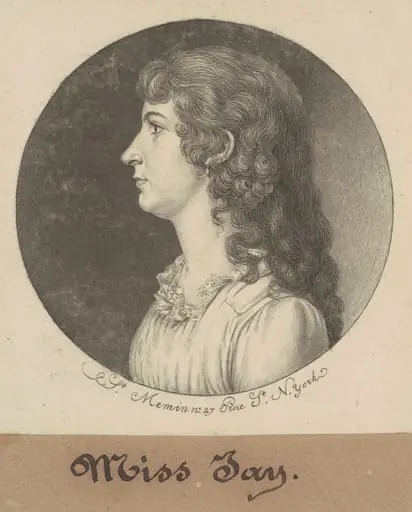
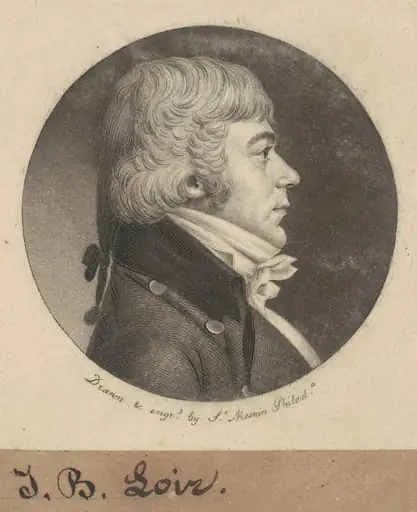
de Laneuville is an ink print by the Romanticist artist Charles Balthazar Julien Févret de Saint-Mémin. It dates from 1800 and is held in the collection of the National Gallery of Art. Charles B.
About this work
Overview
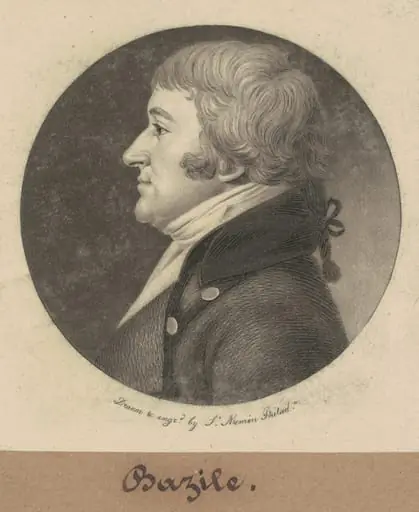
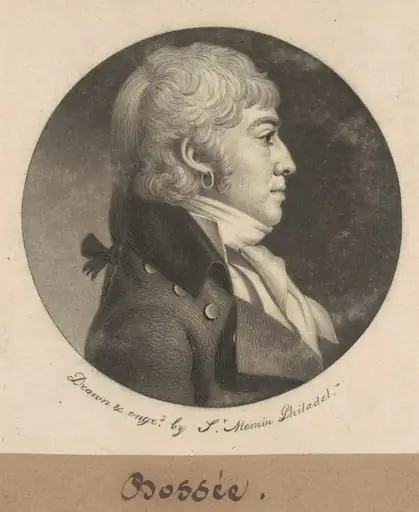
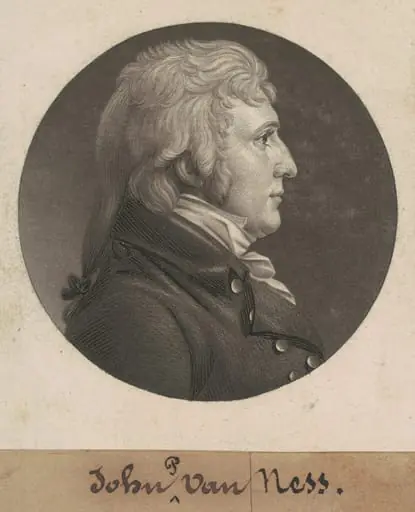
Charles B. J. Févret de Saint‑Mémin’s print titled “de Laneuville” is a black‑and‑white mezzotint combined with engraving, executed on wove paper that has been mounted to a brown‑toned wove support. The work is catalogued within the Corcoran Collection, now held by the National Gallery of Art.
Subject & Meaning
The image portrays an individual identified as Laneuville, an American figure whose identity is recorded only by name. The portrait emphasizes a realistic likeness, suggesting an intention to document the sitter’s appearance with a degree of personal regard.
Technique & Style
Saint‑Mémin employed the mezzotint process to achieve rich tonal gradations, while the engraved lines add definition to facial features and attire. The combination of these printmaking methods allows for subtle shading alongside crisp detail, characteristic of early nineteenth‑century portrait prints.
History & Provenance
Created by the French‑born artist who settled in the United States, the print entered the Corcoran Collection before its transfer to the National Gallery of Art. Its provenance traces a straightforward path from the artist’s studio to an American institutional collection.
Context
The work belongs to a period when mezzotint and engraving were popular means of reproducing portraiture for a growing American audience. Saint‑Mémin, known for his skill in rendering likenesses, contributed to the visual record of prominent individuals in the early Republic.
Artist & collection

Artist
Charles Balthazar Julien Févret de Saint-Mémin
Charles Balthazar Julien Févret de Saint-Mémin (French pronunciation: ; 1770–1852) was a French portrait painter and museum director.