Artwork
George Fitzwilliam
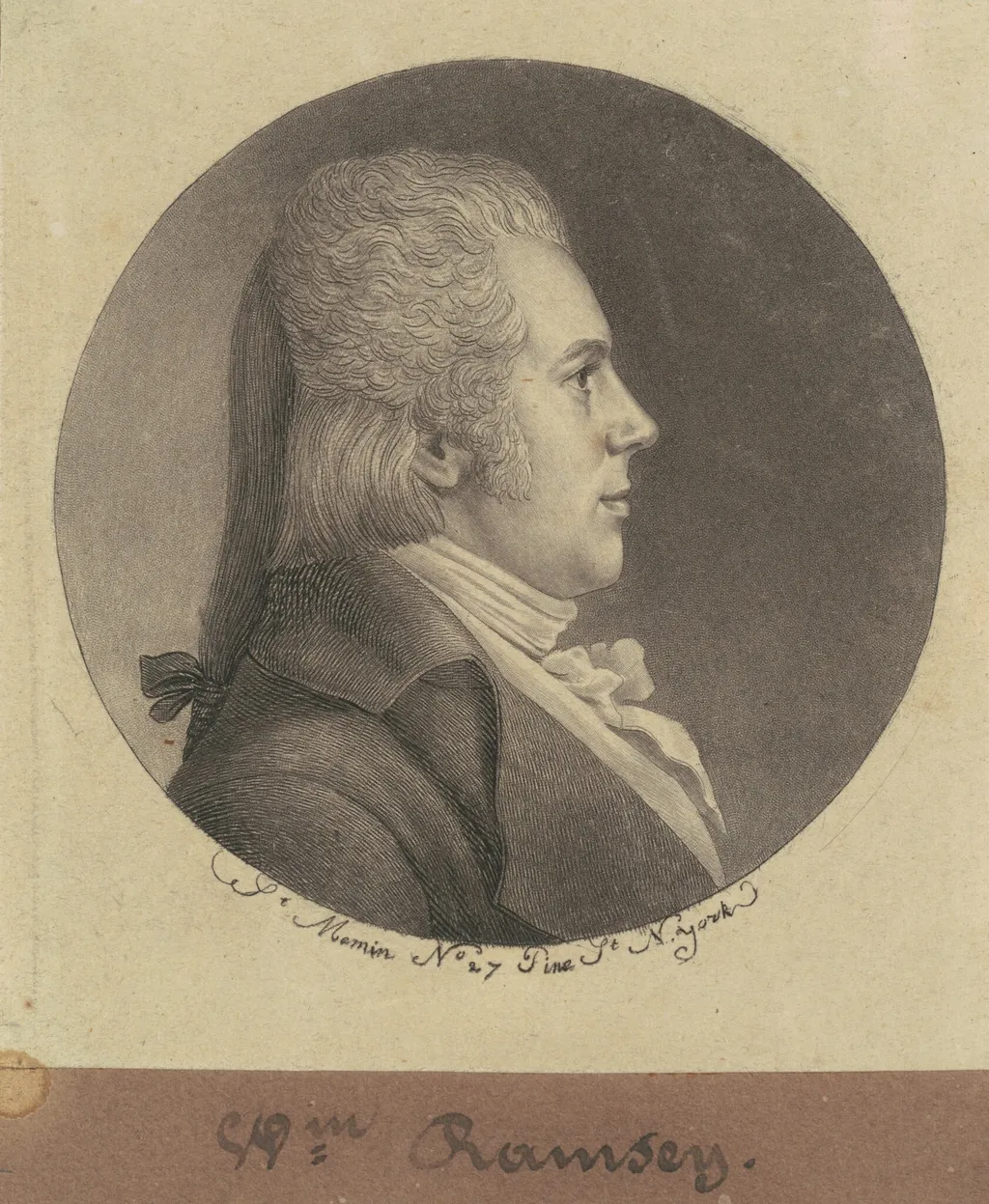
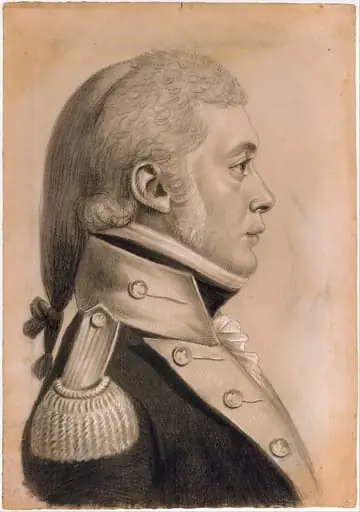
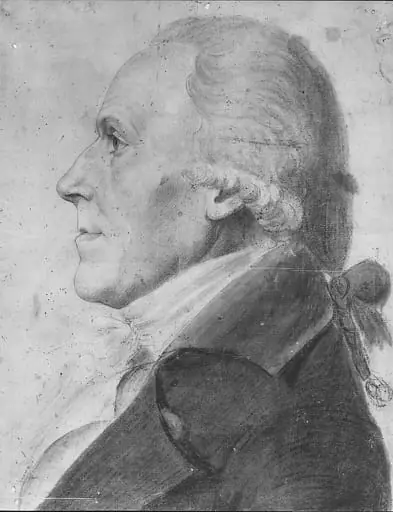
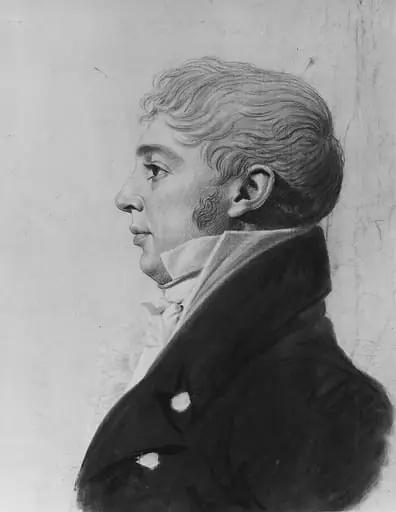
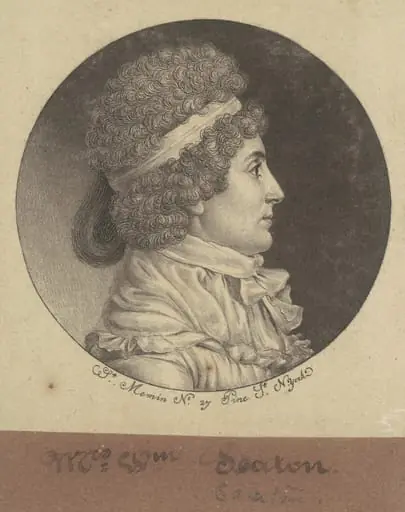
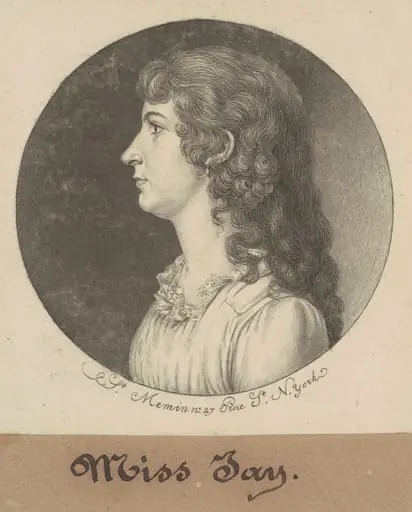
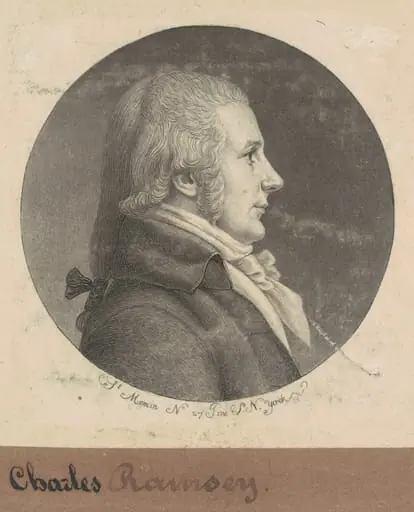
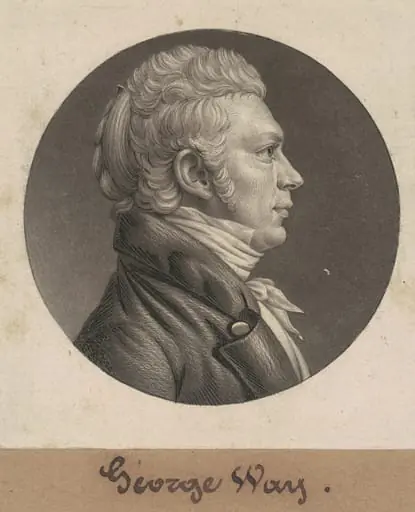
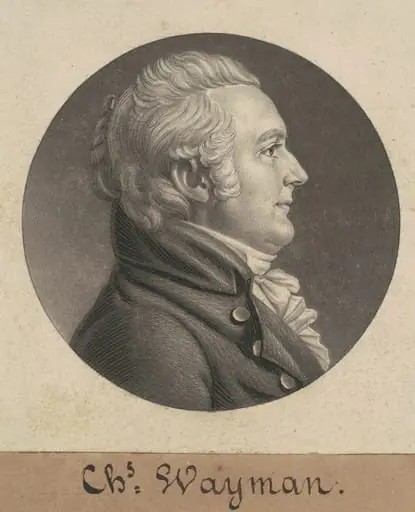
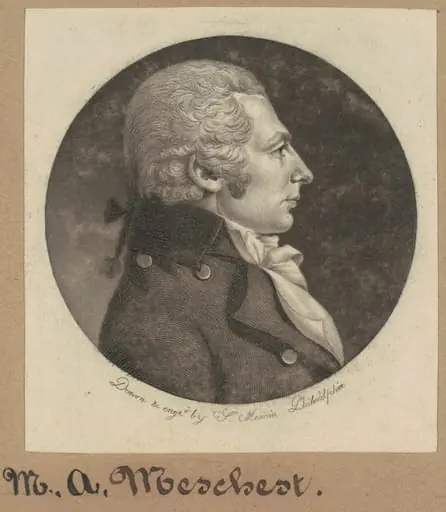
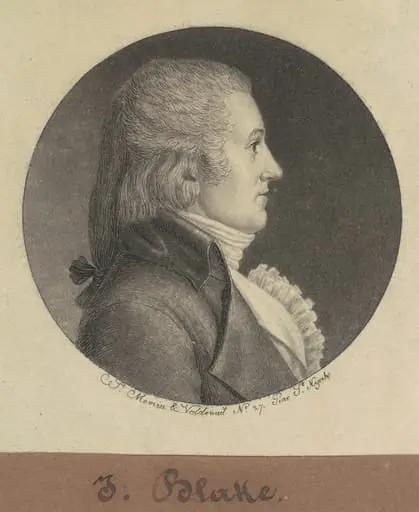
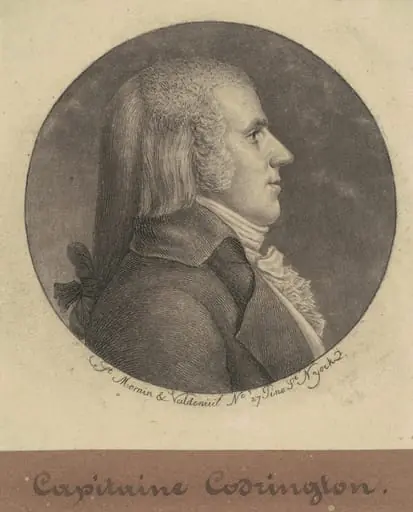
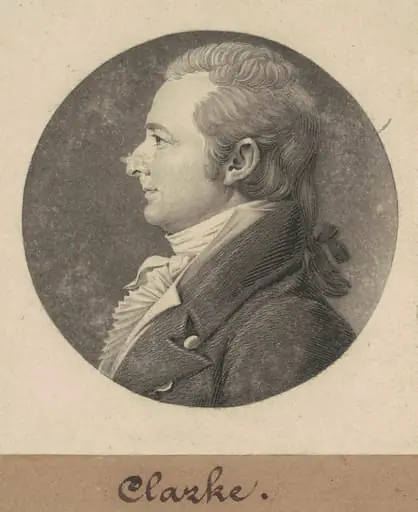
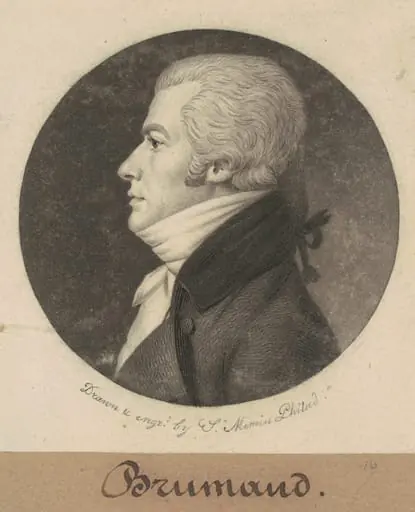
George Fitzwilliam is an ink print by the Romanticist artist Charles Balthazar Julien Févret de Saint-Mémin. It dates from 1797 and is held in the collection of the National Gallery of Art.
About this work
Overview
The work is part of the Corcoran Collection, which later became part of the National Gallery of Art in Washington, D.
This 1797 print depicts George Fitzwilliam, an English gentleman, rendered in mezzotint and engraving on wove paper. The image is mounted on a brown wove paper support, a common practice for preserving delicate prints. The work is part of the Corcoran Collection, which later became part of the National Gallery of Art in Washington, D.C. The technique combines tonal gradation with fine linear detail, characteristic of Saint-Mémin’s portraiture.
Subject & Meaning
George Fitzwilliam is portrayed with a composed, direct gaze, conveying quiet dignity rather than flamboyance. His attire and posture suggest aristocratic bearing, typical of elite sitters in late 18th-century portraiture. The absence of decorative elements focuses attention on his facial structure and expression, emphasizing individual identity over social symbolism. The portrait serves as a record of personal presence rather than a statement of status.
Technique & Style
Saint-Mémin employed mezzotint to achieve subtle gradations of tone, particularly in the shadowed areas of the face and collar, while engraving defined crisp contours and fine details like hair and fabric folds. The contrast between the soft, velvety blacks of the mezzotint and the precise lines of engraving creates a layered visual texture. This hybrid method was favored for its ability to capture both luminosity and structure in portrait subjects.
History & Provenance
Created during Saint-Mémin’s time in the United States, the print was likely made from a life study or drawing. It entered the Corcoran Collection in the 19th century and was transferred to the National Gallery of Art in 2014 following the Corcoran’s dissolution. The work remains one of many portraits Saint-Mémin produced for American and European elites during his exile from revolutionary France.
Context
In the 1790s, mezzotint was a favored medium for portrait reproduction among educated elites, valued for its fidelity to likeness. Saint-Mémin, a French émigré, adapted European techniques to American tastes, producing hundreds of such portraits. His work bridged transatlantic artistic traditions, offering a visual archive of prominent figures during a period of political and cultural transition in the young United States.
Legacy
Saint-Mémin’s portraits, including this one, remain significant as early examples of detailed print portraiture in America. They document the faces of a generation navigating post-revolutionary identity. While not widely exhibited today, these works are studied for their technical precision and their role in shaping the visual culture of early American elite society.
Artist & collection

Artist
Charles Balthazar Julien Févret de Saint-Mémin
Charles Balthazar Julien Févret de Saint-Mémin (French pronunciation: ; 1770–1852) was a French portrait painter and museum director.