Artwork
Chauncey Goodrich
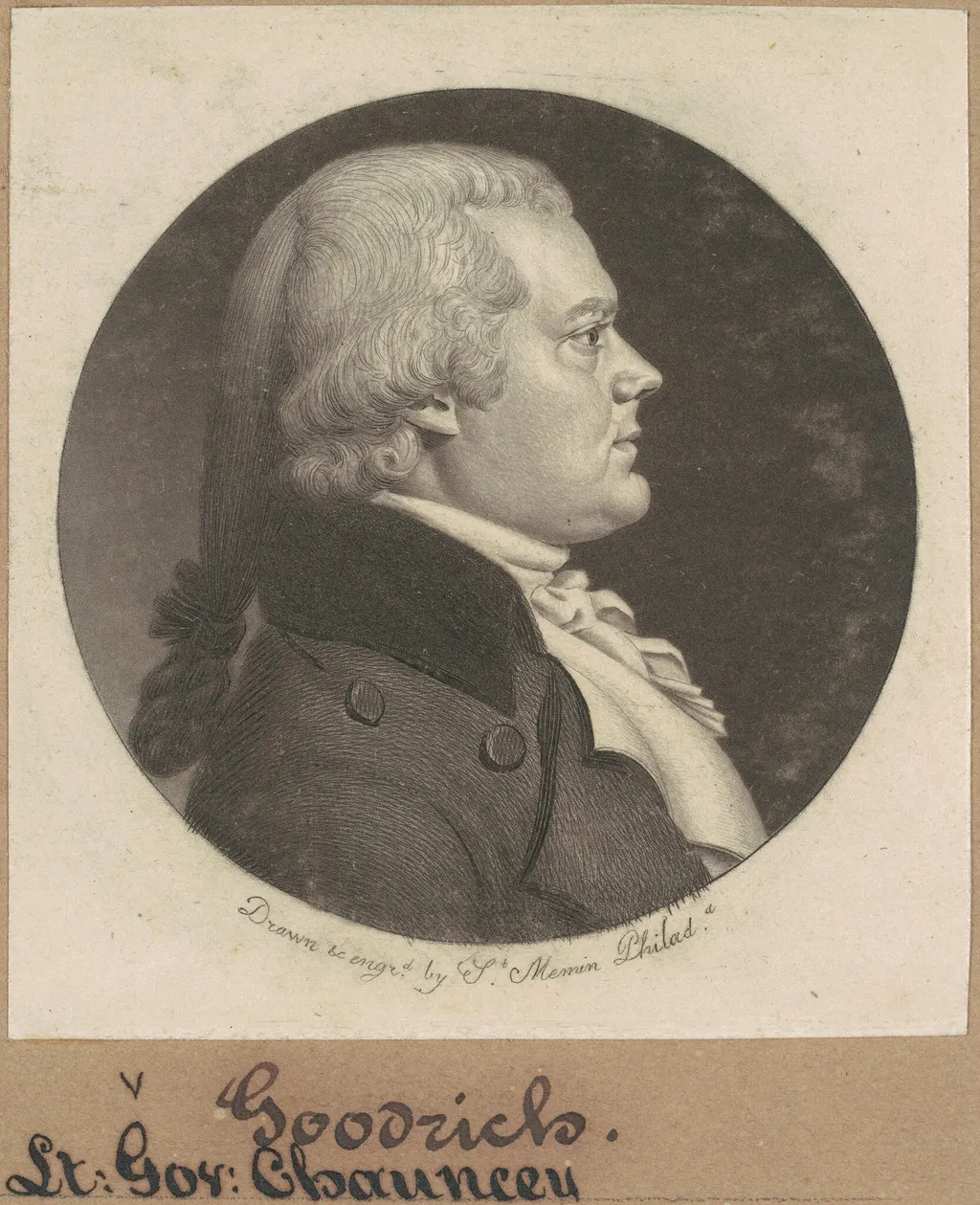
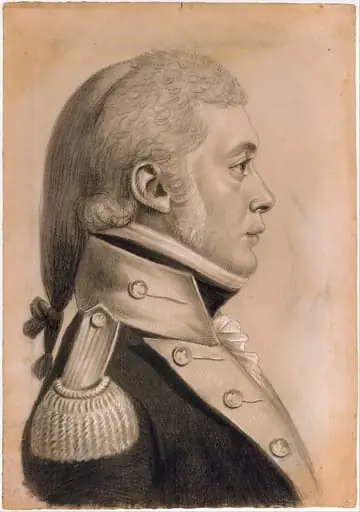
Chauncey Goodrich is an ink print by the Romanticist artist Charles Balthazar Julien Févret de Saint-Mémin. It dates from 1799 and is held in the collection of the National Gallery of Art. Created in 1799, this small black-and-white print measures approximately 5.
About this work
Overview
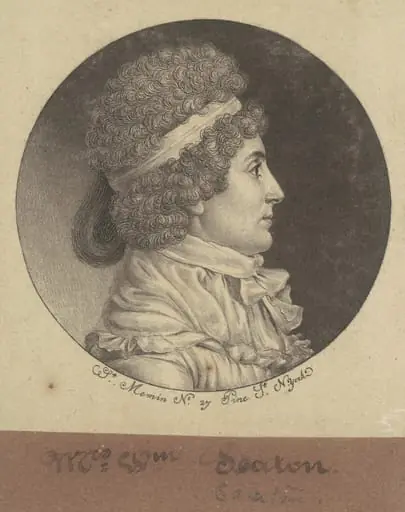
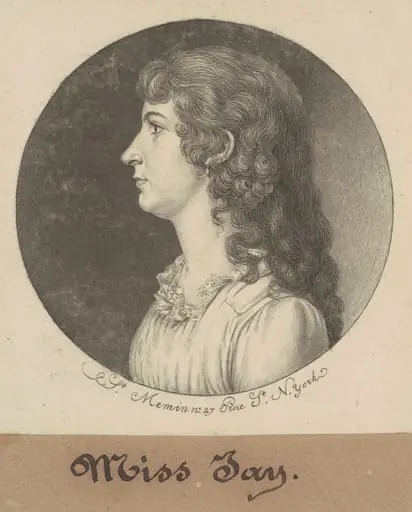
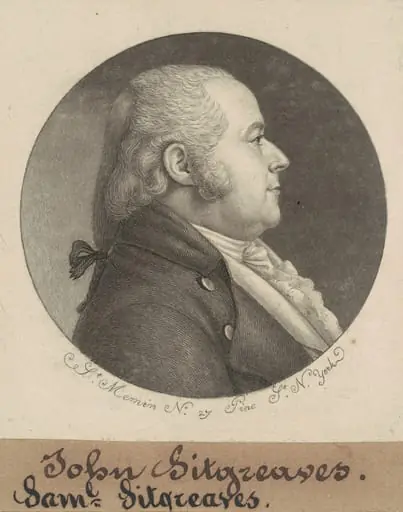
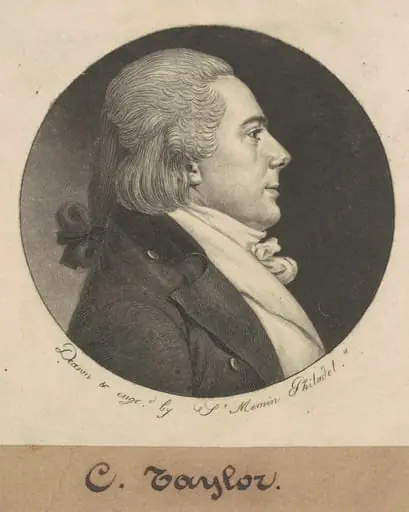
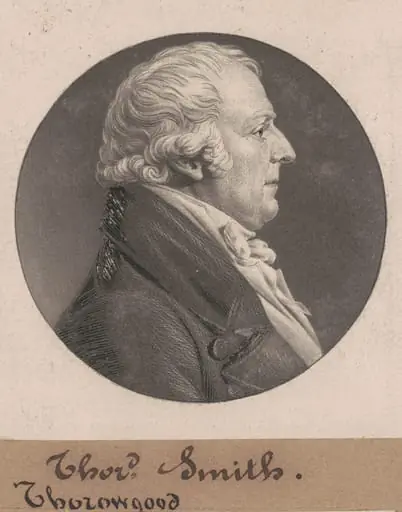
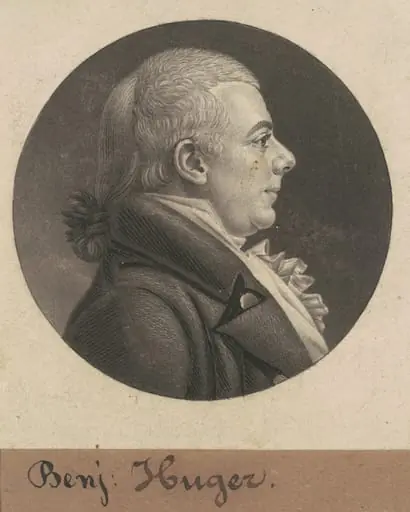
Created in 1799, this small black-and-white print measures approximately 5.5 cm on each side. It presents a profile portrait of a gentleman rendered in a combination of mezzotint and engraving on wove paper, later mounted on a brown backing. The work belongs to the Corcoran Collection and is attributed to Charles B. J. Févret de Saint‑Mémin.
Subject & Meaning
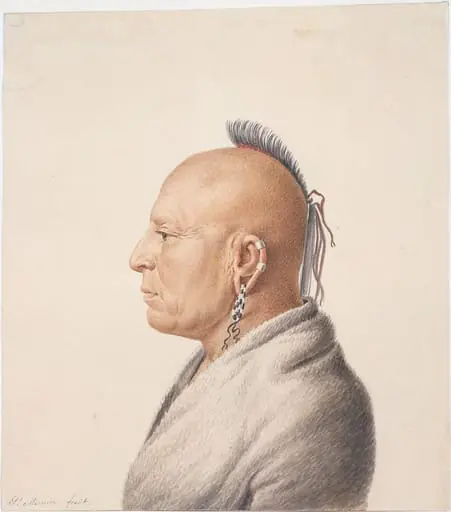
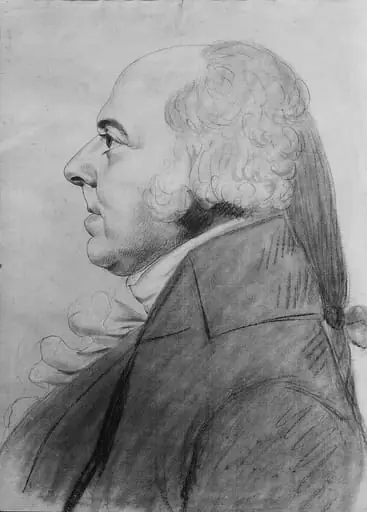
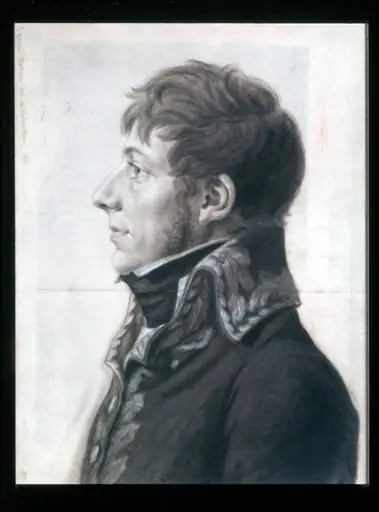
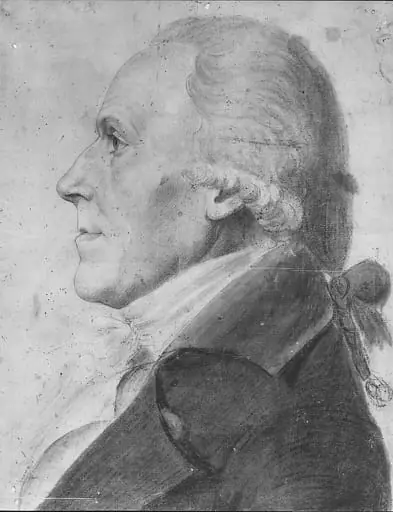
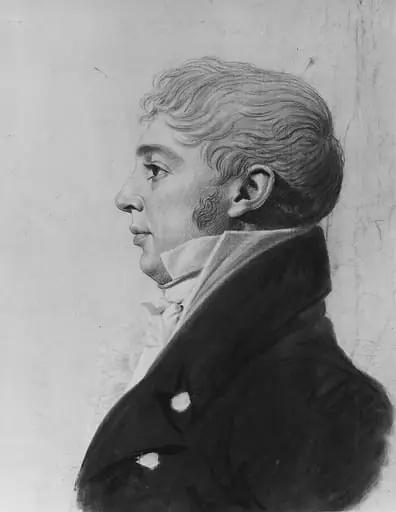
The image depicts a male sitter in strict profile, his facial features delineated with precise lines and subtle gradations of tone. The rendering emphasizes the contours of the cheekbone and the texture of hair, suggesting a focus on individual character and the dignified bearing typical of late‑eighteenth‑century portraiture.
Technique & Style
Saint‑Mémin employed mezzotint—a labor‑intensive method that produces velvety darks—alongside traditional engraving to achieve fine detail. The interplay of crisp linear incisions with soft, shadowed areas creates a photographic quality, capturing minute wrinkles and hair strands despite the work’s diminutive scale.
History & Provenance
Trained in Paris, Saint‑Mémin introduced the mezzotint process to the United States, where it was then uncommon. This print exemplifies his early mastery of the technique after returning from Europe. It entered the Corcoran Collection, where it remains documented as part of the museum’s holdings.
Artist & collection

Artist
Charles Balthazar Julien Févret de Saint-Mémin
Charles Balthazar Julien Févret de Saint-Mémin (French pronunciation: ; 1770–1852) was a French portrait painter and museum director.