Artwork
Daniel Kemper
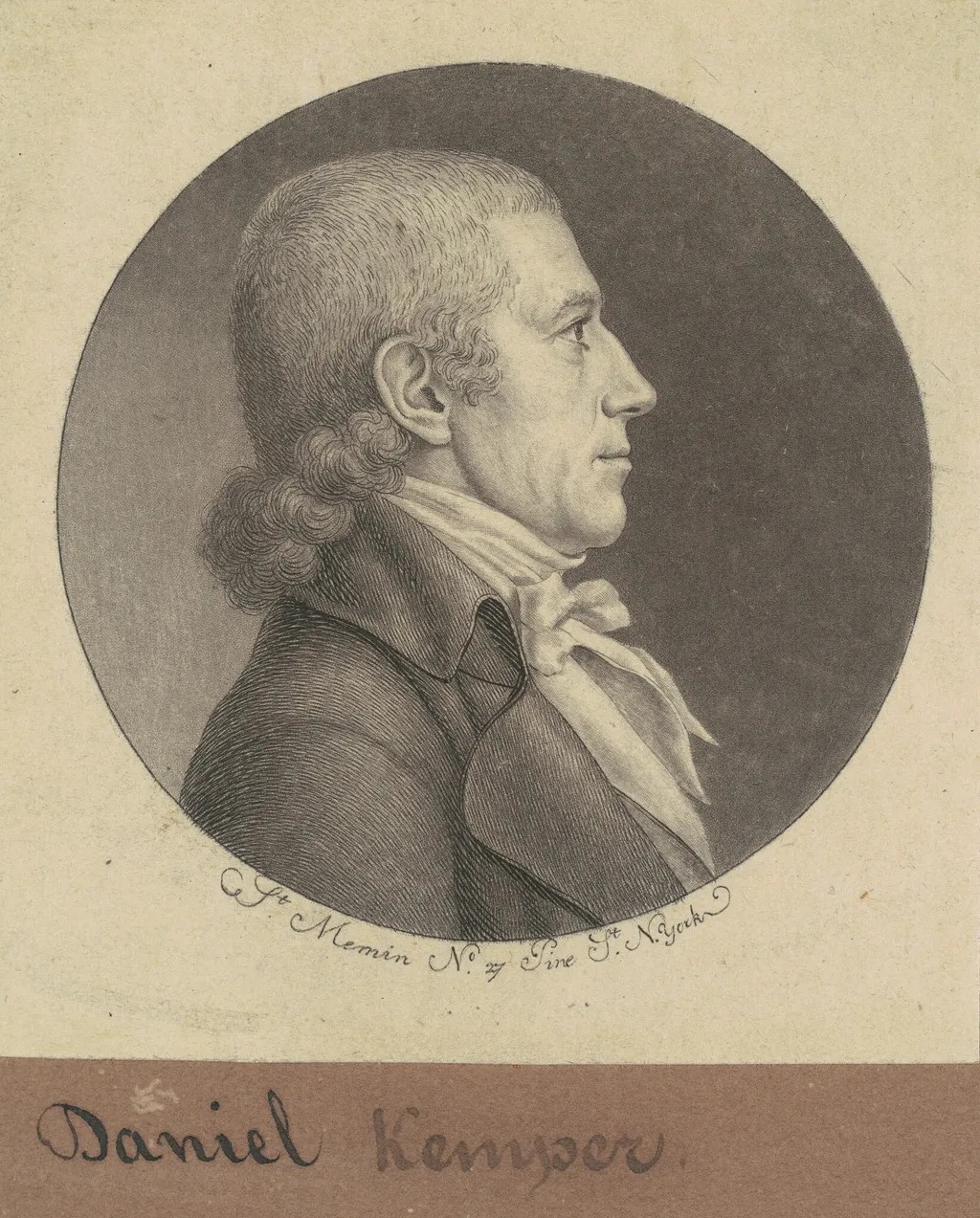
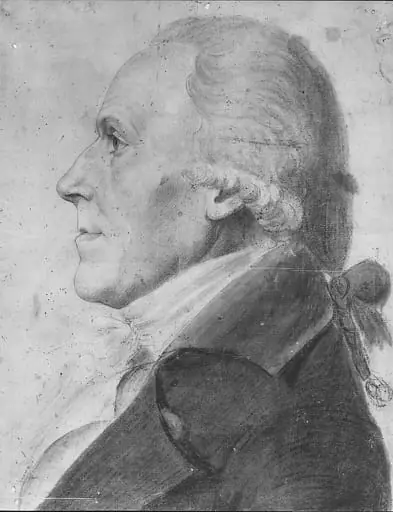
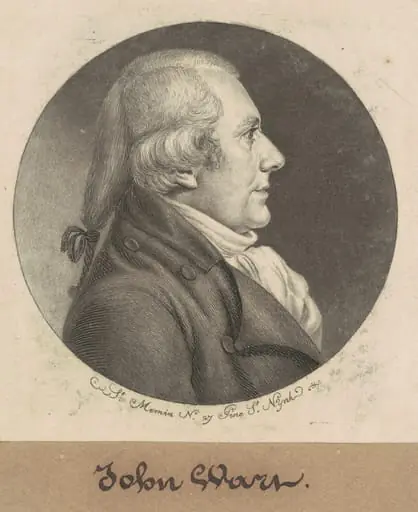
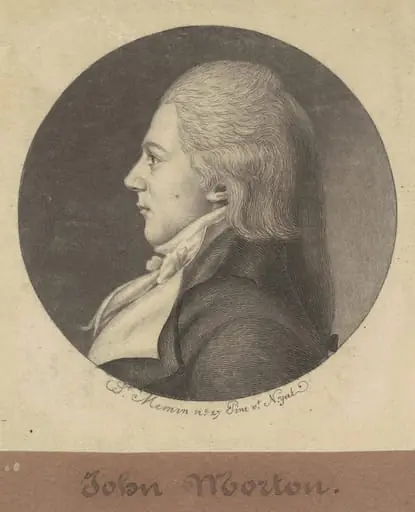
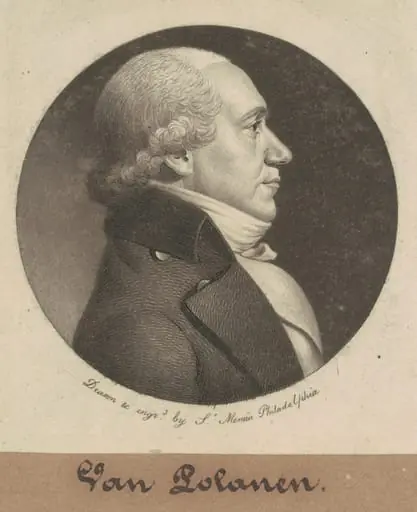
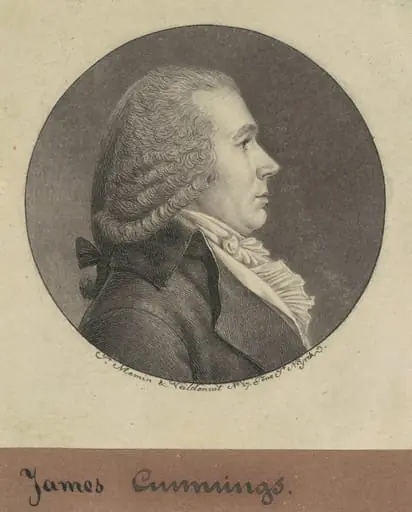
Daniel Kemper is an ink print by the Romanticist artist Charles Balthazar Julien Févret de Saint-Mémin. It dates from 1797 and is held in the collection of the National Gallery of Art.
About this work
Overview
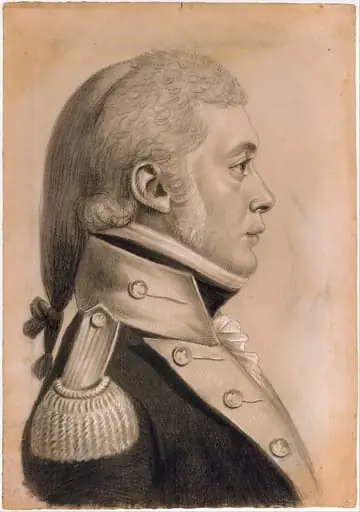
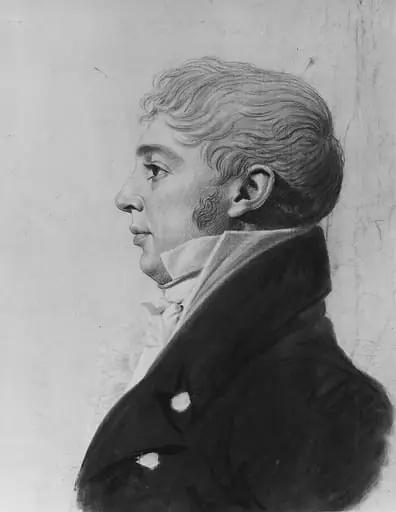
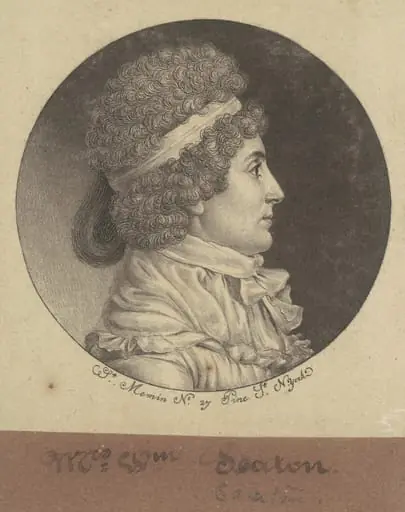
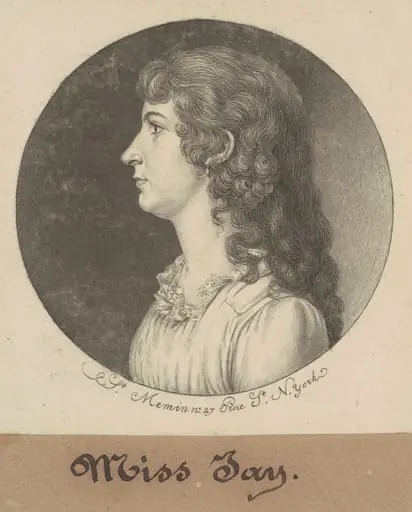
This small portrait, created in 1797, depicts Daniel Kemper in a right-facing profile from the chest upward. Executed in mezzotint and engraving on wove paper, it is mounted on a brown wove support. The work measures just over five and a half centimeters square, reflecting the intimate scale typical of early American portraiture intended for personal or familial keepsakes.
Subject & Meaning
His closed lips and composed gaze suggest restraint and formality, consistent with early national ideals of civic virtue.
Daniel Kemper, a figure of modest historical record, is rendered with quiet dignity. His closed lips and composed gaze suggest restraint and formality, consistent with early national ideals of civic virtue. The profile view, a convention rooted in classical antiquity, emphasizes clarity of character over emotional expression, aligning the sitter with Enlightenment-era notions of rationality and order.
Technique & Style
The artist employed mezzotint, a labor-intensive process that uses a rocker to texture the plate, allowing for rich tonal gradations. Fine engraving lines define contours and details such as hair and facial structure. The combination produces a subtle interplay of light and shadow, enhancing the three-dimensionality of the face while preserving the precision expected in engraved portraiture of the period.
History & Provenance
Created by Charles B. J. Févret de Saint-Mémin during his time in the United States, the portrait was likely made as part of a series of likenesses commissioned by American elites. Saint-Mémin, a French émigré, specialized in profile portraits using the physiognotrace, a tracing device that aided in achieving accurate contours. This work remains among the few surviving examples from his American period.
Context
In late 18th-century America, engraved portraits served as affordable alternatives to painted likenesses, circulating among the middle and upper classes. Saint-Mémin’s practice reflected a transatlantic exchange of techniques and aesthetics, blending French precision with American subject matter. Such prints helped establish a visual culture of individual identity in a young republic.
Legacy
Saint-Mémin’s portraits, including this one, contributed to the standardization of the profile portrait in early American print culture. Though not widely known today, his technical approach influenced subsequent generations of engravers. These works remain valuable for their documentation of individual appearance and the dissemination of portraiture beyond elite painting circles.
Artist & collection

Artist
Charles Balthazar Julien Févret de Saint-Mémin
Charles Balthazar Julien Févret de Saint-Mémin (French pronunciation: ; 1770–1852) was a French portrait painter and museum director.