Artwork
Fortescue Cuming
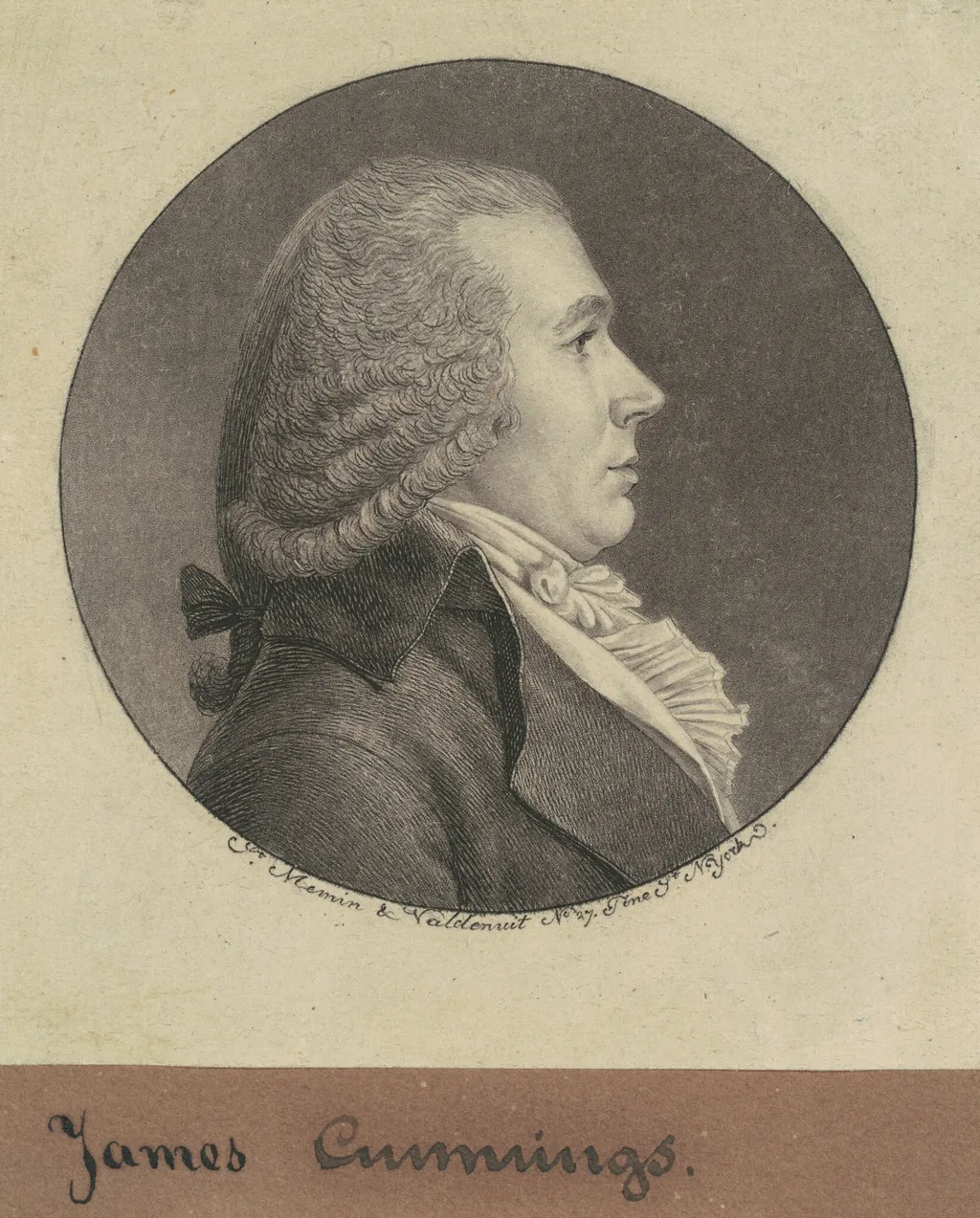
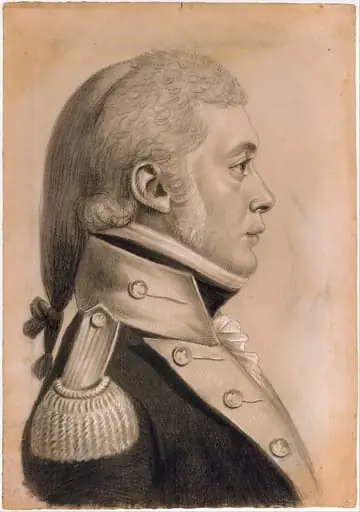
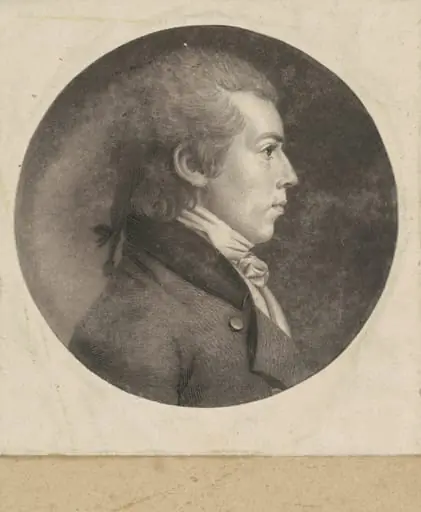
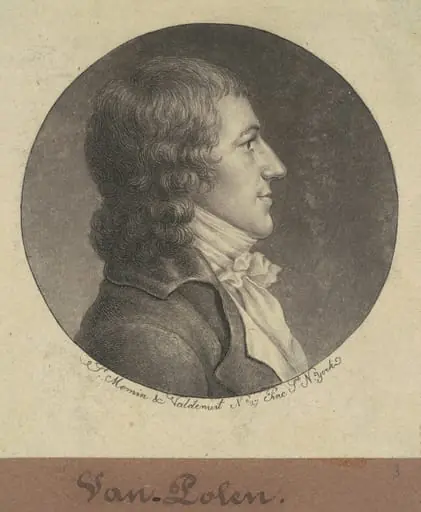
Fortescue Cuming is an ink print by the Romanticist artist Charles Balthazar Julien Févret de Saint-Mémin. It dates from 1796 and is held in the collection of the National Gallery of Art. Created between 1796 and 1797, this small print measures roughly 5.
About this work
Overview
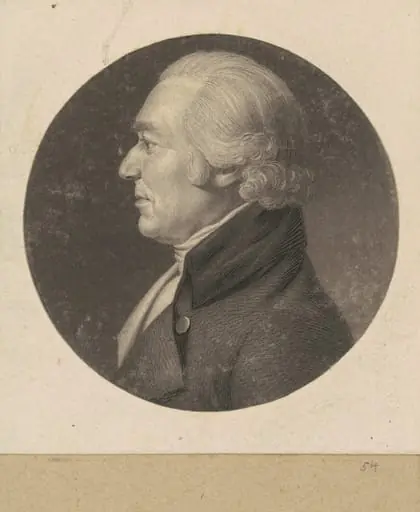
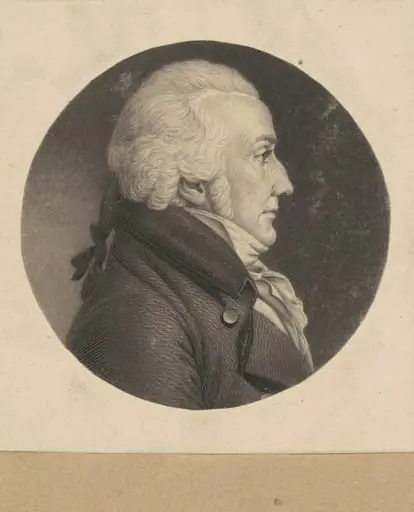
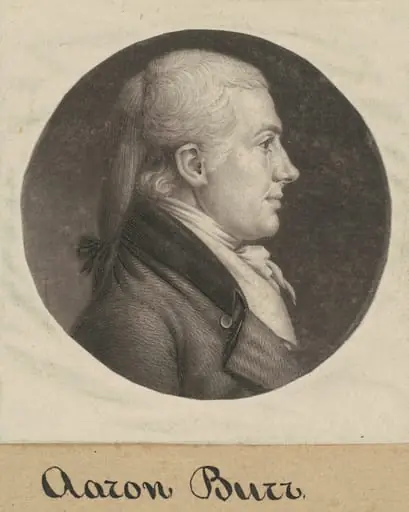
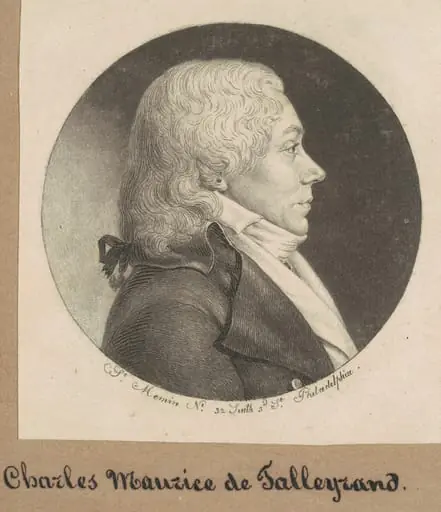
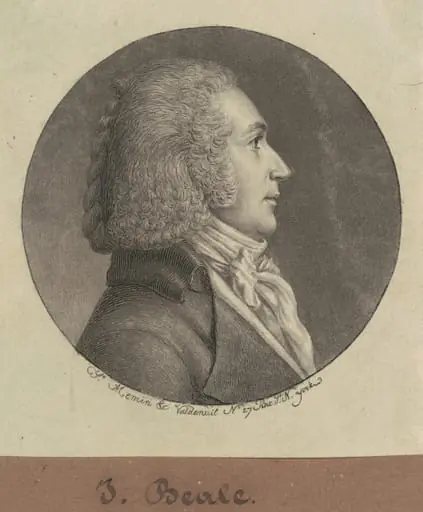
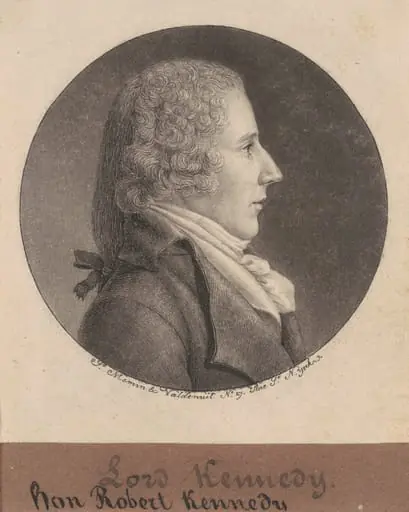
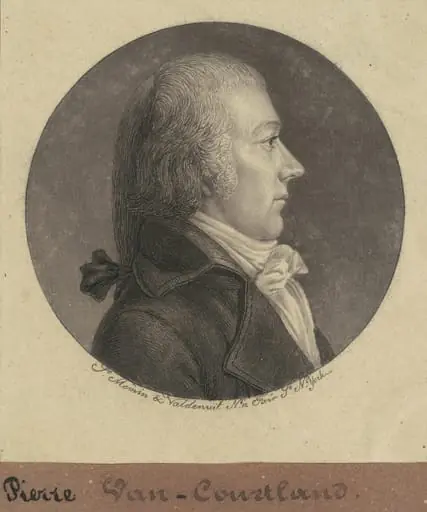
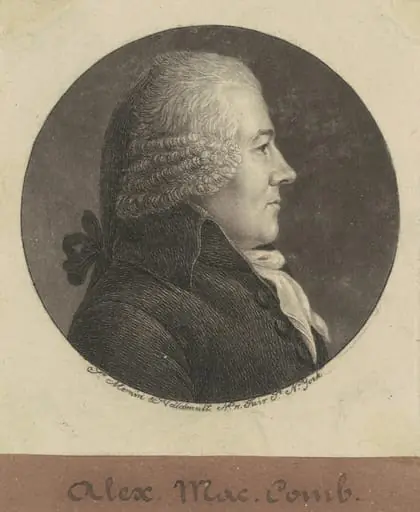
Created between 1796 and 1797, this small print measures roughly 5.4 by 5.4 centimeters. Executed in mezzotint and engraving, the image is rendered in black on wove paper that has been affixed to a brown-wove backing. The work is a portrait of Fortescue Cuming, presented in a seated pose with a plain circular backdrop and an inscription beneath the image.
Subject & Meaning
The figure depicted is Fortescue Cuming, shown from the waist up with wavy hair and a pronounced nose, dressed in a dark coat. The composition directs attention to his face, emphasizing his individual features and bearing, while the minimal background serves to isolate the sitter and underscore his personal identity.
Technique & Style
Charles B. J. Févret de Saint‑Mémin employed the mezzotint process, a tonal engraving method that allows for subtle gradations of light and shadow, combined with line engraving to define details. The black ink on the smooth wove surface yields a crisp, high‑contrast image, and the mounting on brown paper provides a supportive, neutral border that frames the delicate work.
History & Provenance
The portrait was produced during Saint‑Mémin’s active period in the late eighteenth century, a time when he was known for his portrait prints of notable individuals. While specific ownership records are limited, the work has been catalogued among his series of American and European sitters, reflecting the transatlantic connections of the era.
Context
Mezzotint portraiture was a popular medium for disseminating likenesses before the advent of photography. Saint‑Mémin, a French artist who spent years in the United States, applied this technique to capture the visages of prominent figures, bridging French artistic practice with American subjects such as Cuming.
Legacy
The print exemplifies the technical skill and cross‑cultural exchange characteristic of late‑eighteenth‑century portraiture. It remains a reference point for scholars studying Saint‑Mémin’s oeuvre and the visual documentation of early American personalities.
Artist & collection

Artist
Charles Balthazar Julien Févret de Saint-Mémin
Charles Balthazar Julien Févret de Saint-Mémin (French pronunciation: ; 1770–1852) was a French portrait painter and museum director.