Artwork
Doctor Dalton
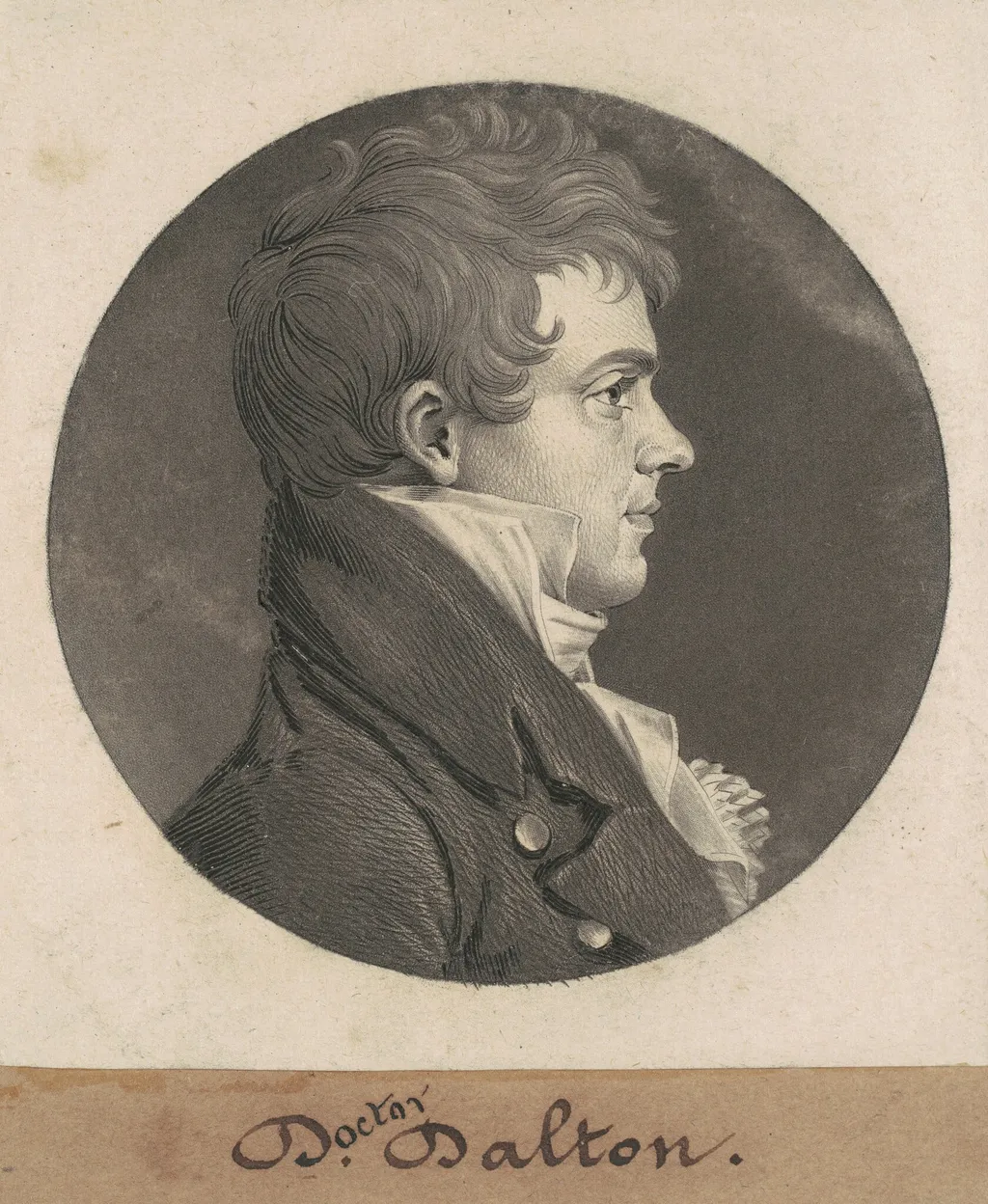
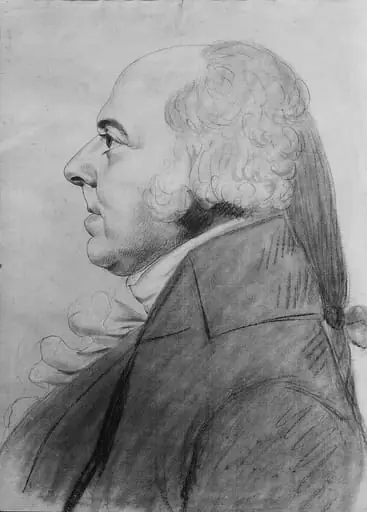
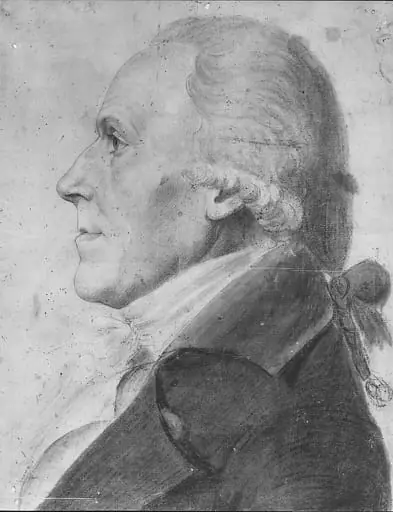
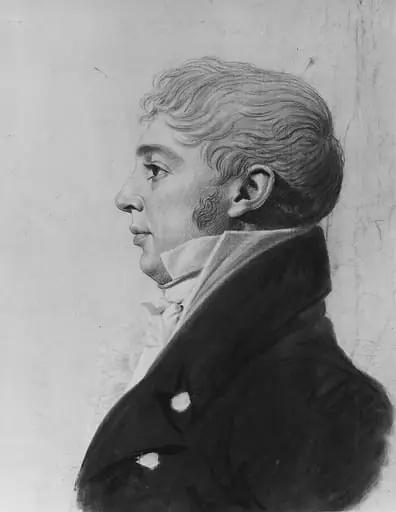
Doctor Dalton is an ink print by the Romanticist artist Charles Balthazar Julien Févret de Saint-Mémin. It dates from 1809 and is held in the collection of the National Gallery of Art.
About this work
Overview
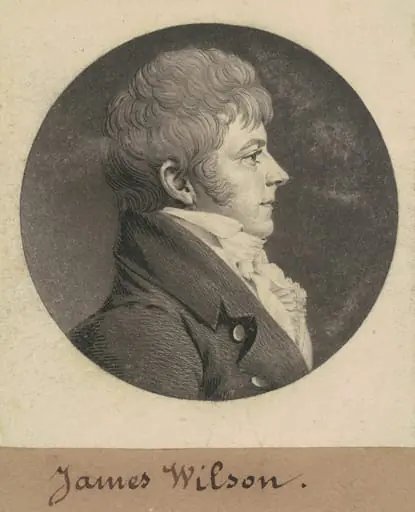
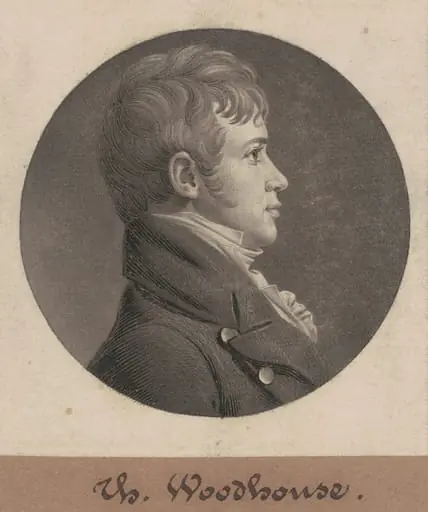
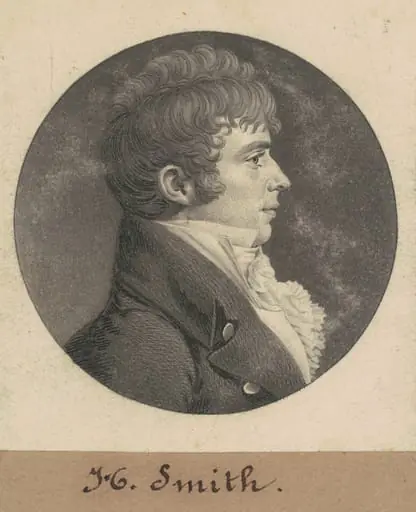
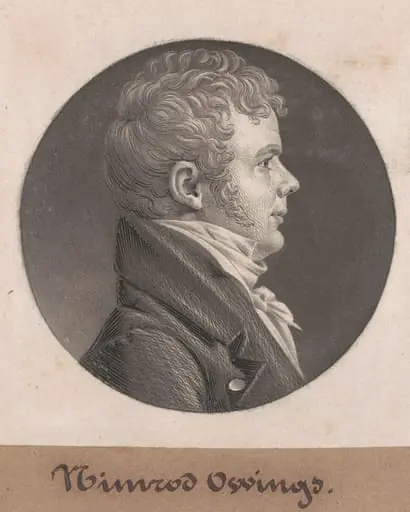
Doctor Dalton is a black-and-white print created in 1809 by Charles Balthazar Julien Févret de Saint-Mémin. Executed in mezzotint and engraving on wove paper, it is mounted on a brown wove support. The work belongs to Saint-Mémin’s broader series of portraits documenting American and European intellectuals, reflecting his interest in capturing scholarly figures with precision and restraint.
Subject & Meaning
The calm expression and unadorned attire suggest a focus on character and scientific integrity, aligning with Enlightenment ideals of rationality and modesty.
The portrait depicts John Dalton, an English chemist and physicist known for his foundational work in atomic theory. Rendered in strict profile, the image avoids embellishment, emphasizing his intellectual presence rather than social status. The calm expression and unadorned attire suggest a focus on character and scientific integrity, aligning with Enlightenment ideals of rationality and modesty.
Technique & Style
Saint-Mémin employed mezzotint and engraving to achieve subtle tonal gradations and fine linear detail. The profile format, common in 18th-century portraiture, minimizes distraction and directs attention to the subject’s facial structure. The absence of background or symbolic elements reinforces a documentary approach, prioritizing clarity and likeness over narrative or ornamentation.
History & Provenance
The portrait is part of Saint-Mémin’s extensive collection of over 200 likenesses of prominent figures, compiled during his time in the United States and Europe. It was likely produced during his travels or in response to commissions from scientific circles. The work entered institutional collections in the 19th century and remains a key example of his portraiture practice.
Context
In the early 1800s, scientific figures were increasingly portrayed as cultural icons, reflecting the growing prestige of empirical inquiry. Saint-Mémin’s portraits, including this one, emerged alongside rising public interest in natural philosophy. His restrained style mirrored the era’s preference for objectivity in representation, distinguishing scientific subjects from aristocratic portraiture.
Legacy
Doctor Dalton endures as a representative example of early 19th-century scientific portraiture. Its minimalist aesthetic influenced later attempts to visually codify intellectual identity. The work remains a valuable resource for understanding how scientific authority was visually constructed during a period of rapid disciplinary development and public engagement with science.
Artist & collection

Artist
Charles Balthazar Julien Févret de Saint-Mémin
Charles Balthazar Julien Févret de Saint-Mémin (French pronunciation: ; 1770–1852) was a French portrait painter and museum director.