Artwork
Kensey Johns
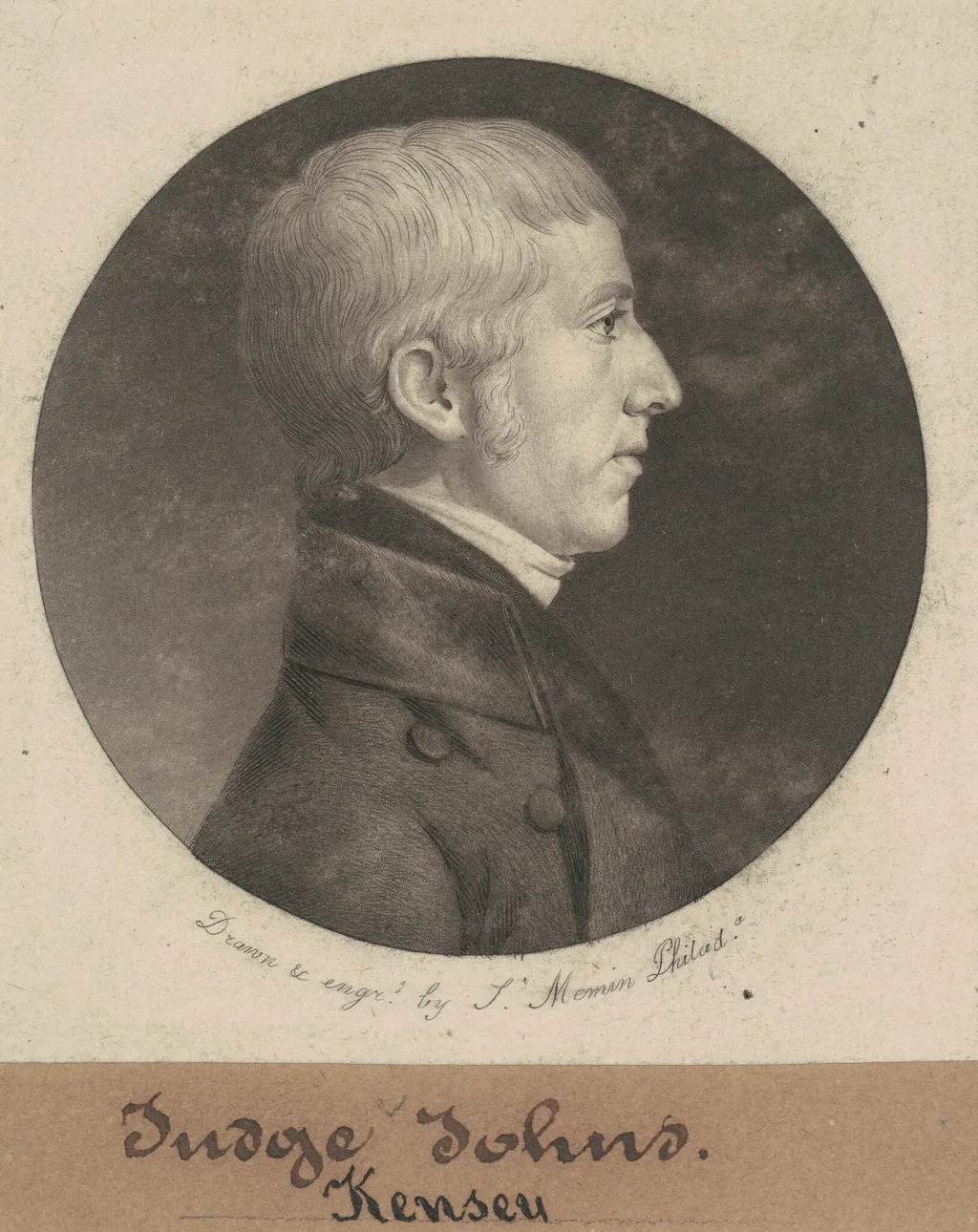
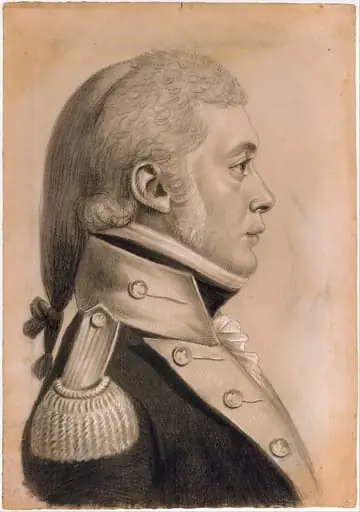
Kensey Johns is an ink print by the Romanticist artist Charles Balthazar Julien Févret de Saint-Mémin. It dates from 1802 and is held in the collection of the National Gallery of Art.
About this work
Saint-Mémin drew Kensey Johns in 1802, but the print was made by a rival artist.
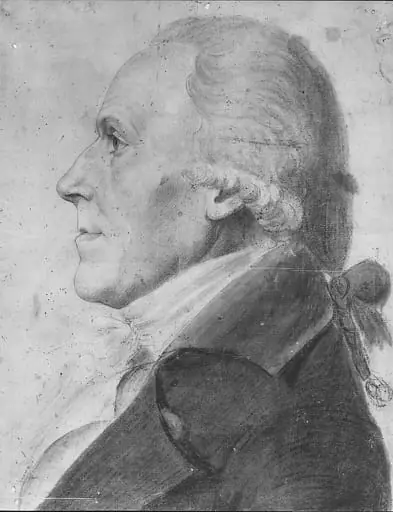
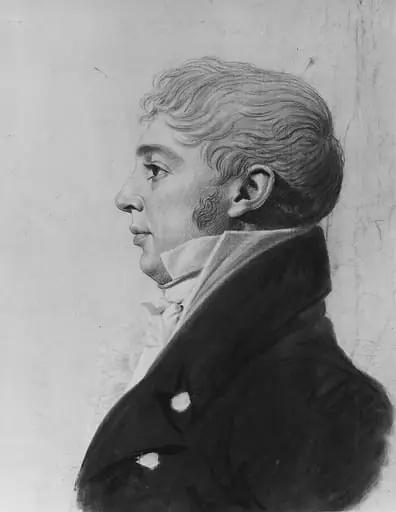
This engraving shows a man in a white cravat and dark coat, viewed in profile.
Saint-Mémin drew Kensey Johns in 1802, but the print was made by a rival artist.
The blocky nose and tight curls feel oddly modern for 200 years ago.
Mechanical cross-hatching gives the face a soft glow, like a photo under glass.
The paper’s warm brown backing makes the black ink stand out sharply.
The print looks almost alive in the right light. Turn left at the next gallery to see another Saint-Mémin, Charles B. J. Févret de
Overview
This early‑19th‑century print presents Kensey Johns in a profile view, rendered in stark black on wove paper that is mounted onto a warm brown backing. The image captures the sitter’s formal attire—a white cravat and dark coat—against a plain background, allowing the delicate tonal work to dominate the composition.
Subject & Meaning
The portrait depicts Johns as a dignified gentleman of his era, his features stylized with a blocky nose and tightly curled hair that lend a slightly contemporary feel. The profile pose, common in neoclassical portraiture, emphasizes the sitter’s status and character through restrained expression and orderly dress.
Technique & Style
Executed as a mezzotint and engraving, the work relies on fine cross‑hatching to create a soft, luminous quality on the face, reminiscent of a photograph viewed through glass. The contrast between the deep black ink and the brown paper backing sharpens the image’s edges, while the tonal gradations give the portrait a subtle three‑dimensional presence.
History & Provenance
Although the original drawing was made by Charles B. J. Févret de Saint‑Mémin in 1802, the print itself was produced by a contemporary rival engraver. This collaborative yet competitive process reflects the period’s practice of reproducing esteemed portraits for wider circulation among the educated elite.
Context
The portrait belongs to a tradition of early American and European prints that sought to document prominent individuals through accessible media. Its modest size and clear rendering made it suitable for display in private homes, serving both as a personal likeness and as a testament to the sitter’s social standing.
Artist & collection

Artist
Charles Balthazar Julien Févret de Saint-Mémin
Charles Balthazar Julien Févret de Saint-Mémin (French pronunciation: ; 1770–1852) was a French portrait painter and museum director.