Artwork
Edme Ducatel
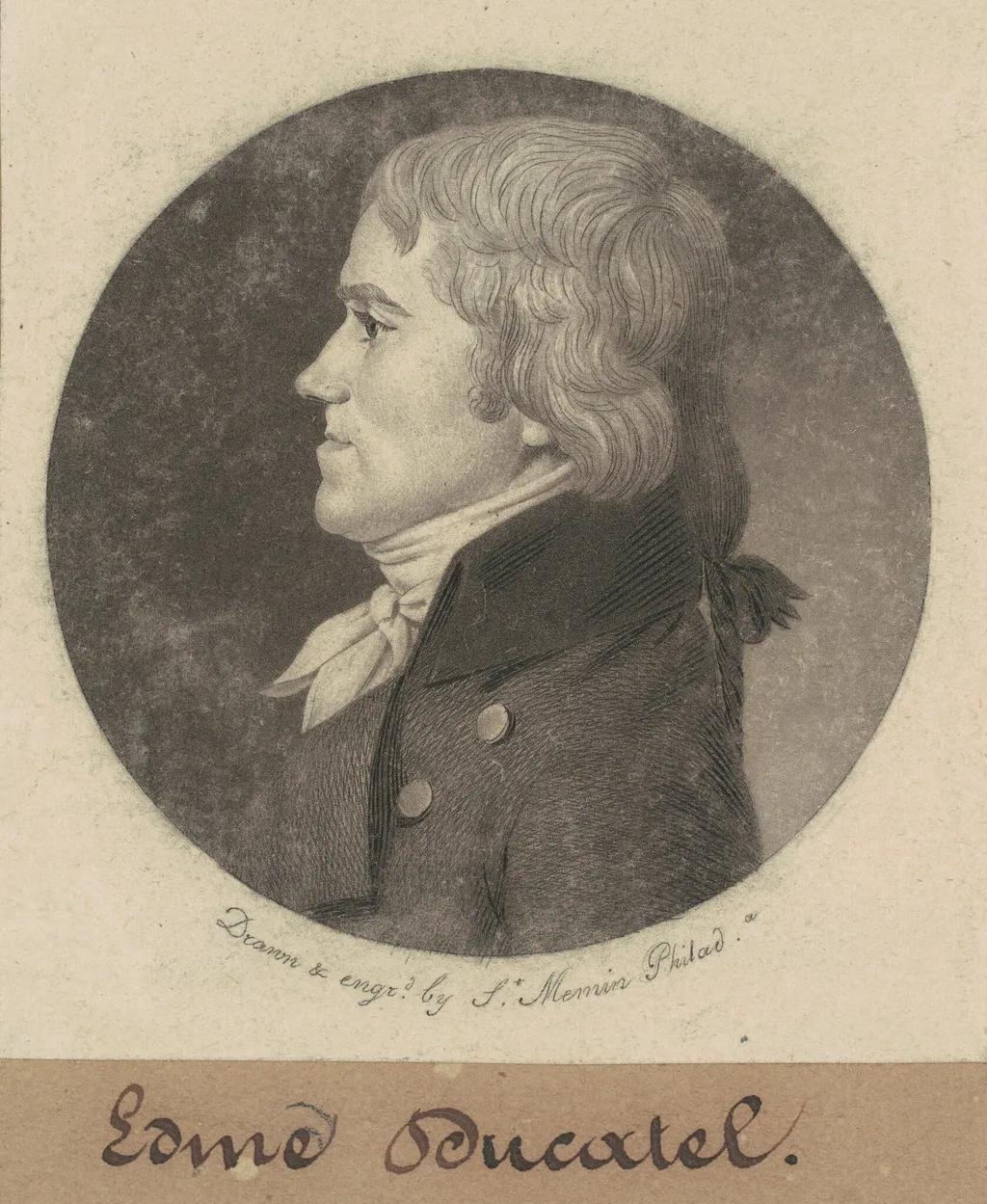
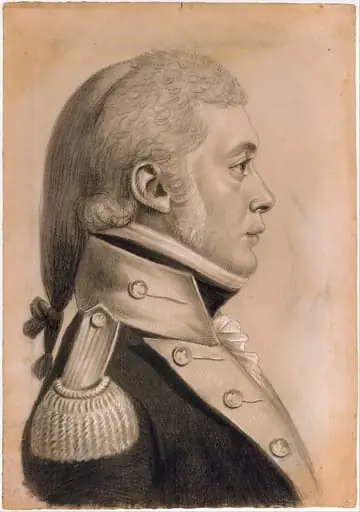
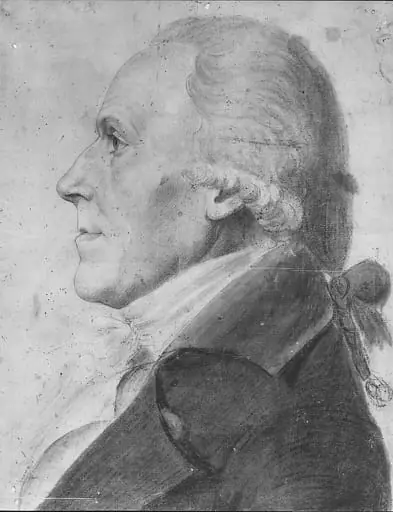
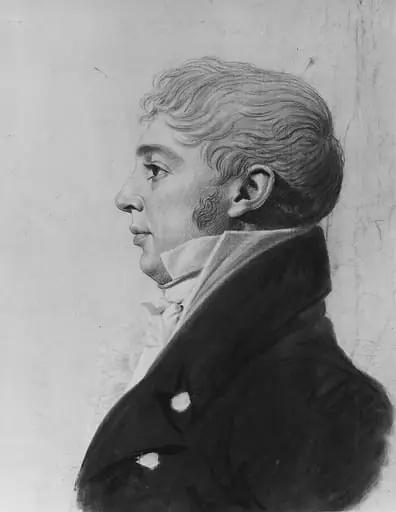
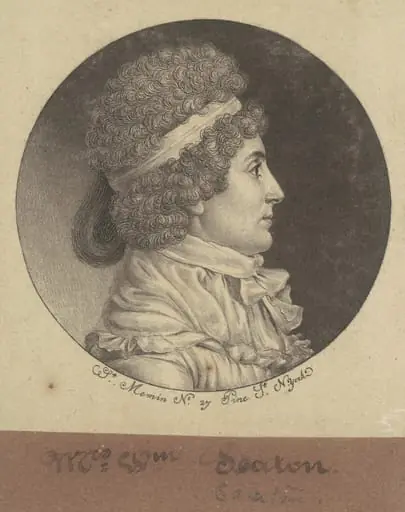
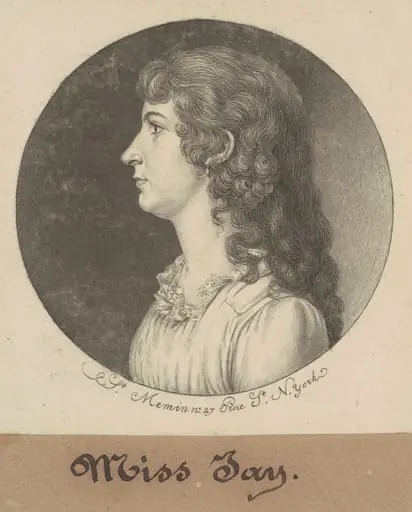
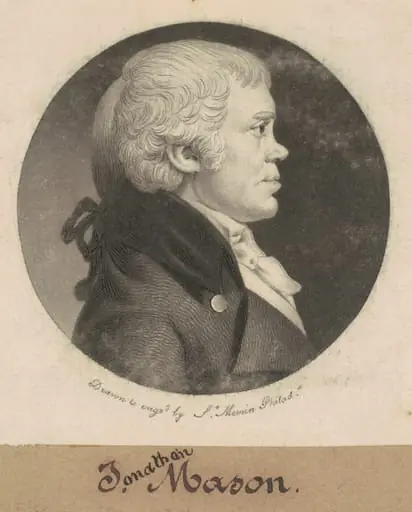
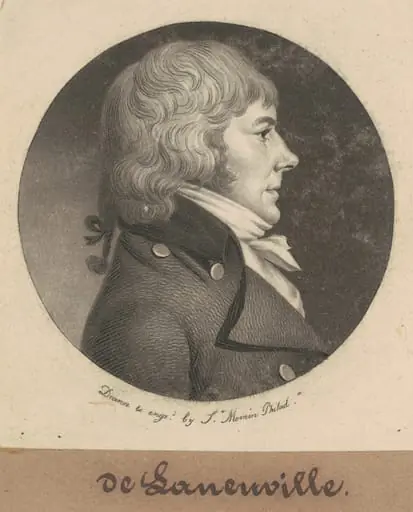
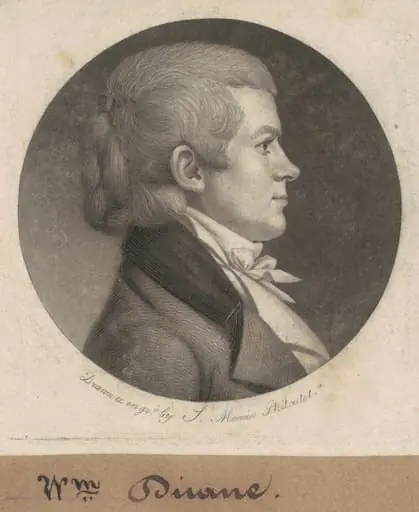
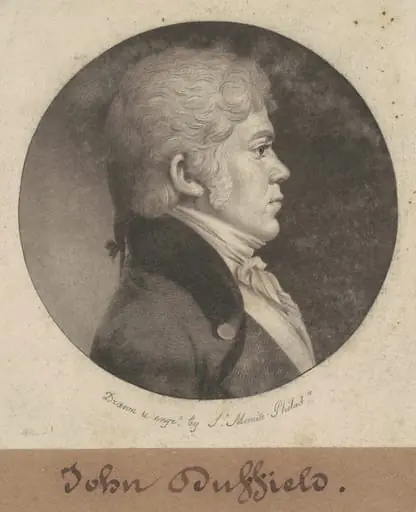
Edme Ducatel is an ink print by the Romanticist artist Charles Balthazar Julien Févret de Saint-Mémin. It dates from 1800 and is held in the collection of the National Gallery of Art. Created in 1800 by Charles B.
About this work
Overview
Created in 1800 by Charles B. J. Févret de Saint‑Mémin, this black‑and‑white print presents Edme Ducatel in a sharp left profile. Executed on wove paper that has been mounted to a brown‑toned support, the work combines mezzotint and engraving to render a finely detailed likeness that now belongs to the National Gallery of Art.
Subject & Meaning
The portrait isolates Ducatel’s face, emphasizing the contours of his cheek and jaw while his coat collar and cravat are rendered with meticulous line work. The composition’s focus on the sitter’s profile suggests a formal, almost documentary intent, typical of early‑nineteenth‑century portraiture that aimed to convey status and character through restrained presentation.
Technique & Style
Saint‑Mémin employed mezzotint, a process that begins with a uniformly roughened metal plate. By smoothing selected areas, he allowed ink to remain only in the untouched textures, producing deep, velvety shadows that model the skin. Complementary engraving lines add crisp definition to clothing and hair, creating a contrast between soft tonal modeling and precise linear detail.
History & Provenance
The print entered the collection of the National Gallery of Art, where it is catalogued as part of the museum’s holdings of early American and French prints. Its provenance traces back to the artist’s original production in Paris, reflecting the transatlantic exchange of printmaking techniques at the turn of the nineteenth century.
Context
Mezzotint enjoyed renewed popularity in the late 1700s and early 1800s as a means of reproducing the tonal richness of oil paintings. Saint‑Mémin, a French émigré who settled in the United States, applied this method to portraiture, aligning his work with contemporary tastes for realistic, yet softly illuminated, depictions of notable individuals.
Artist & collection

Artist
Charles Balthazar Julien Févret de Saint-Mémin
Charles Balthazar Julien Févret de Saint-Mémin (French pronunciation: ; 1770–1852) was a French portrait painter and museum director.