Artwork
J. Ellicott
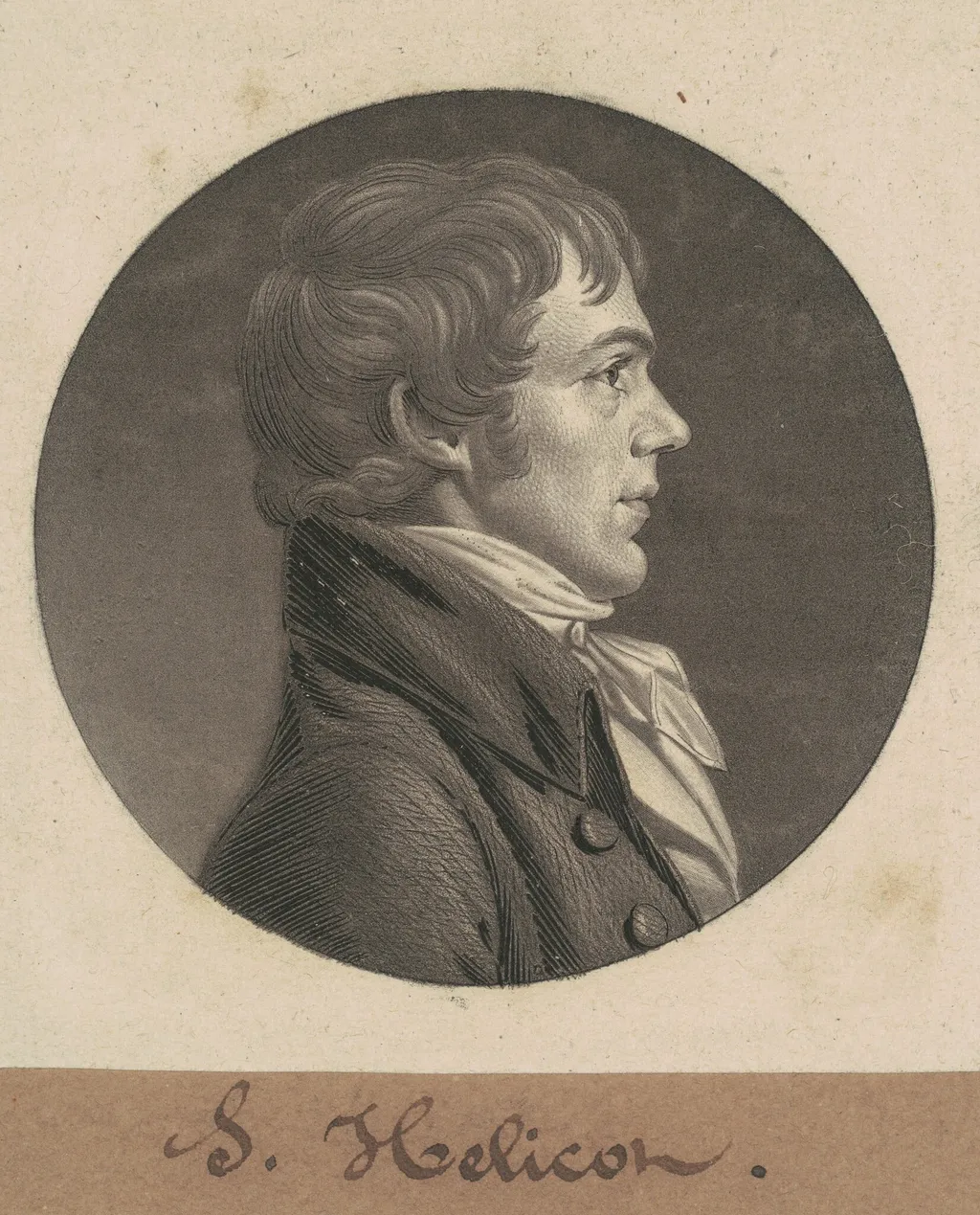
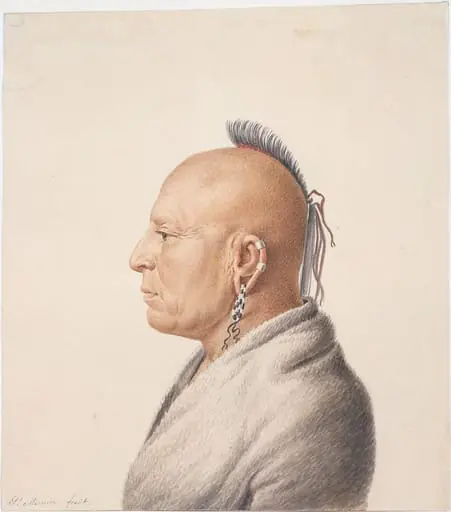
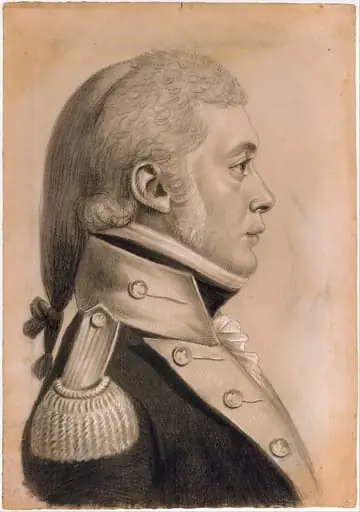
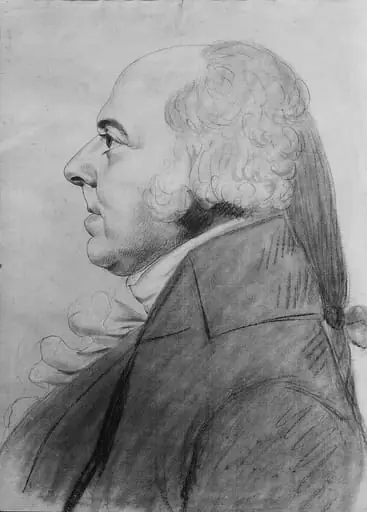
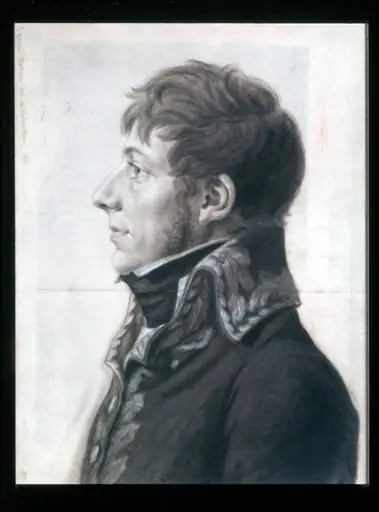
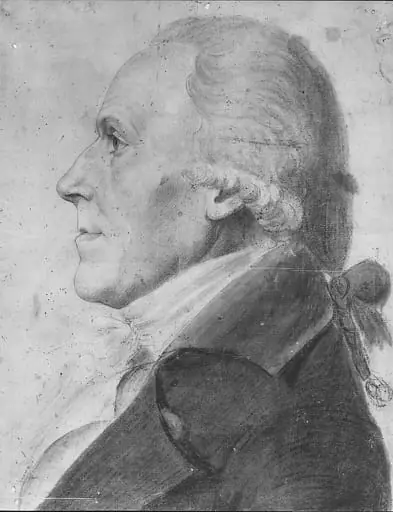
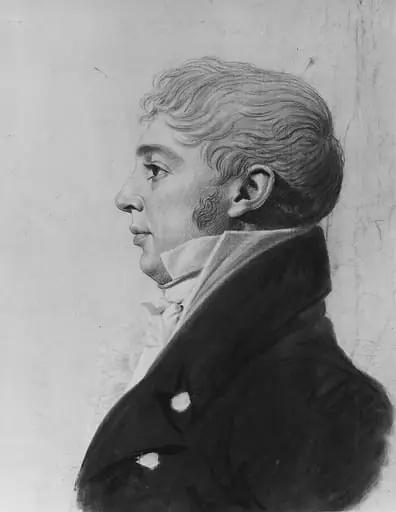
J. Ellicott is an ink print by the Romanticist artist Charles Balthazar Julien Févret de Saint-Mémin. It dates from 1804 and is held in the collection of the National Gallery of Art. A small portrait of J.
About this work
Overview
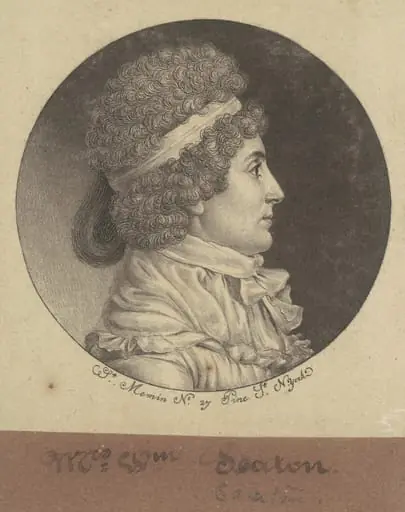
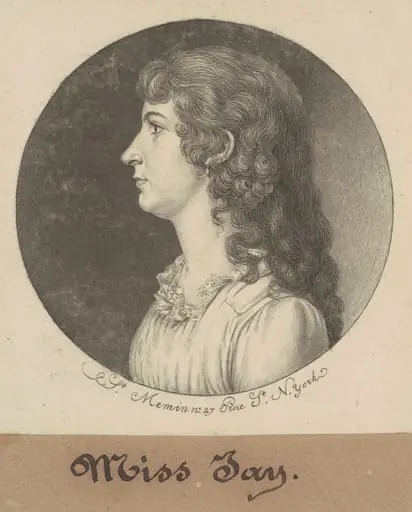
A small portrait of J. Ellicott, created in 1804, is rendered in mezzotint and engraving on wove paper, mounted to a brown wove support. The work measures 5.56 by 5.56 centimeters and was produced by Charles B. J. Févret de Saint-Mémin. It belongs to the printmaking tradition of early 19th-century America, where such intimate portraits were often made for personal or professional circulation.
Subject & Meaning
This frontal view emphasizes his facial structure without embellishment, suggesting a focus on identity and character rather than status or emotion.
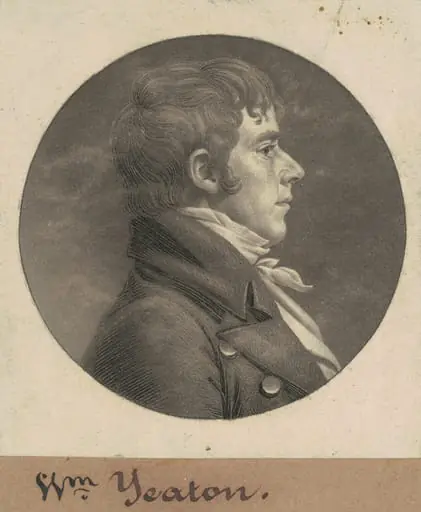
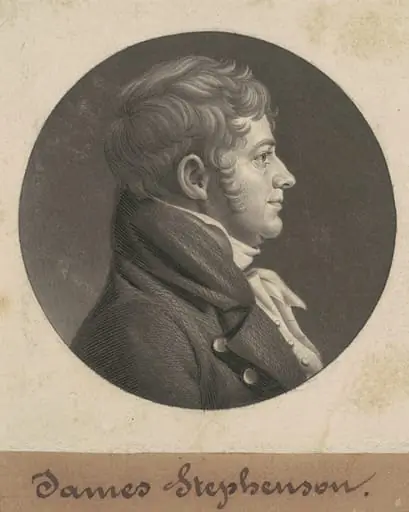
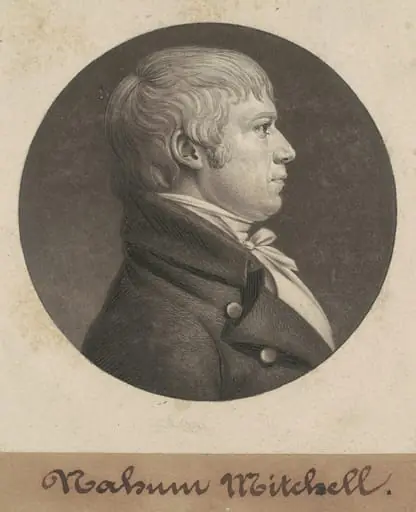
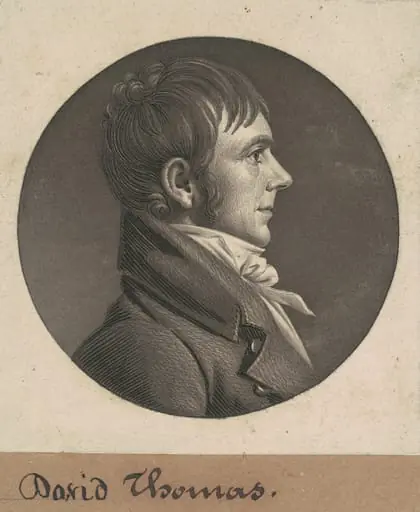
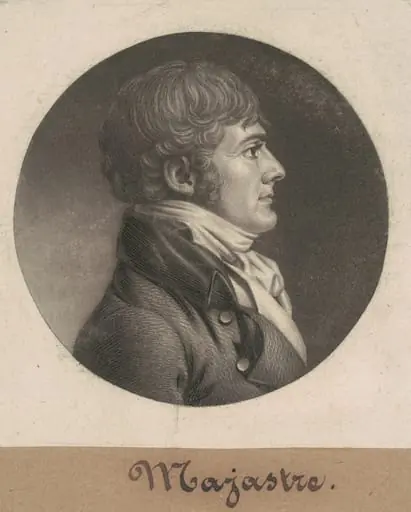
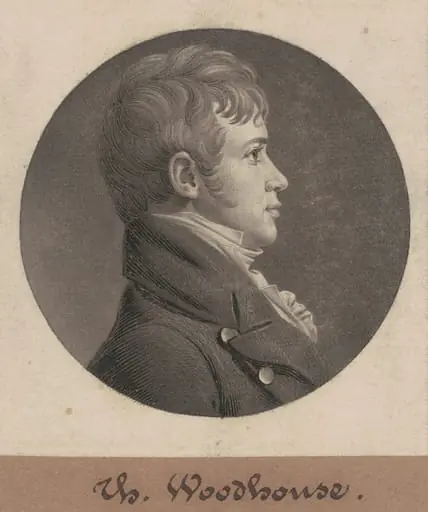
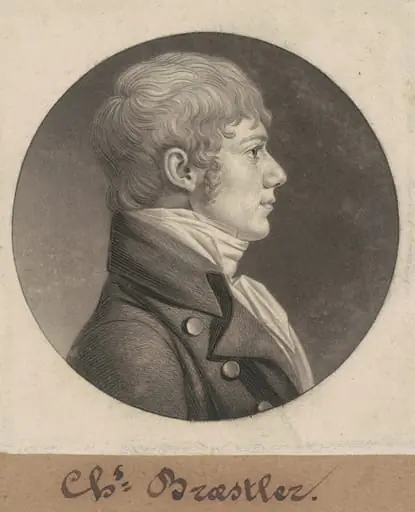
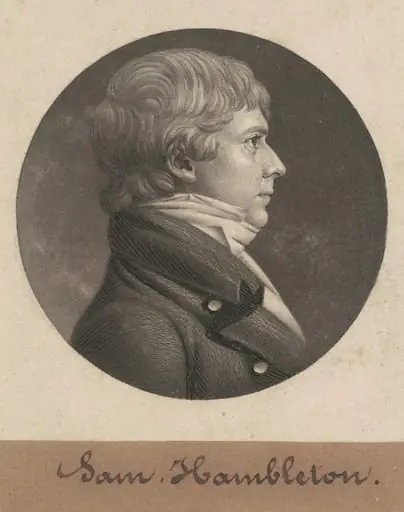
The portrait depicts J. Ellicott in strict profile, a compositional choice rooted in classical numismatic traditions. This frontal view emphasizes his facial structure without embellishment, suggesting a focus on identity and character rather than status or emotion. The format aligns with contemporary practices of documenting individuals in a restrained, dignified manner, common among surveyors and public figures of the era.
Technique & Style
Saint-Mémin employed mezzotint and engraving to achieve subtle tonal gradations and fine linear detail. The black ink on pale paper enhances contrast, while the small scale demands close viewing. The profile format, derived from ancient coins, reflects a deliberate aesthetic choice to evoke permanence and clarity. The technique’s precision suits the subject’s likely professional identity as a surveyor or engineer.
History & Provenance
The portrait was made during Saint-Mémin’s active years in the United States, when he produced numerous likenesses of prominent citizens. J. Ellicott, a noted surveyor and cartographer, was among those documented in this manner. The work’s survival in museum collections suggests it was preserved as part of a broader effort to record early American public figures through portable, reproducible media.
Context
In the early 1800s, profile portraits were widely used for identification in the absence of photography. Saint-Mémin’s practice aligned with a national trend of documenting civic leaders through engraved miniatures. These works served both personal and institutional purposes, often accompanying official records or exchanged among professional networks, reinforcing social and intellectual connections.
Legacy
The portrait contributes to a body of work that helped establish portraiture as a tool for recording American identity before photography. Saint-Mémin’s technique influenced later printmakers, and his depictions of figures like Ellicott remain valuable for understanding the visual culture of early American professional life. The work endures as a quiet testament to the era’s emphasis on precision and record-keeping.
Artist & collection

Artist
Charles Balthazar Julien Févret de Saint-Mémin
Charles Balthazar Julien Févret de Saint-Mémin (French pronunciation: ; 1770–1852) was a French portrait painter and museum director.