Artwork
Edmund Wilcox Rootes
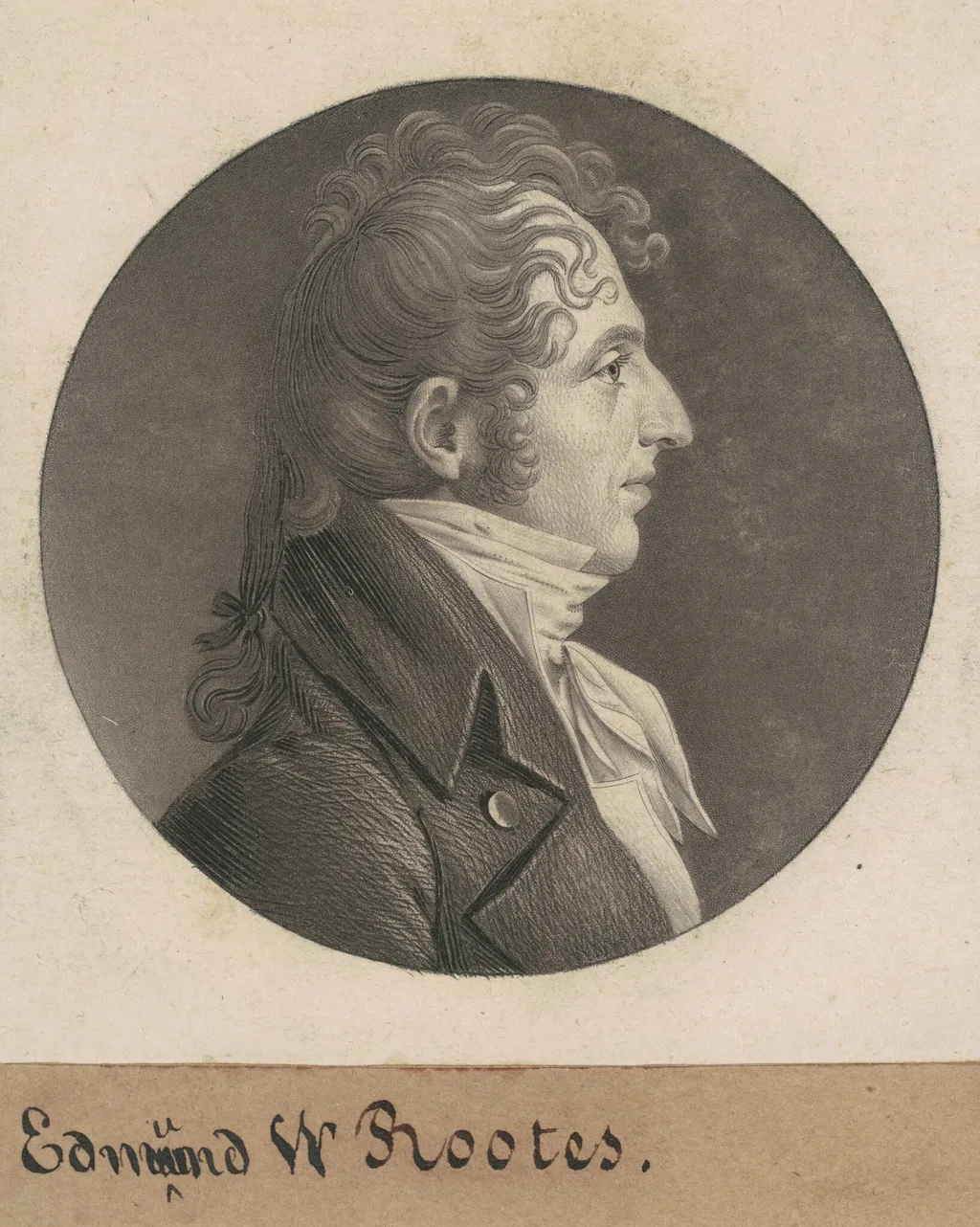
Edmund Wilcox Rootes is an ink print by the Romanticist artist Charles Balthazar Julien Févret de Saint-Mémin. It dates from 1808 and is held in the collection of the National Gallery of Art. Created in 1808 by Charles B.
About this work
Overview
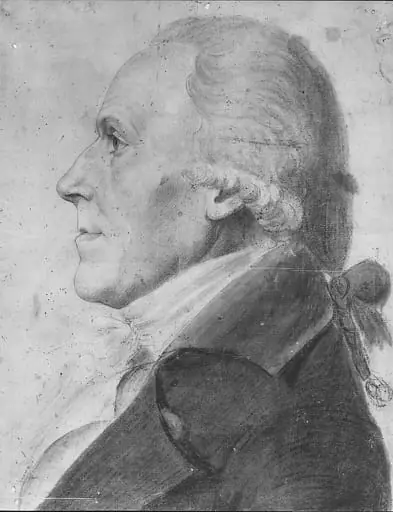
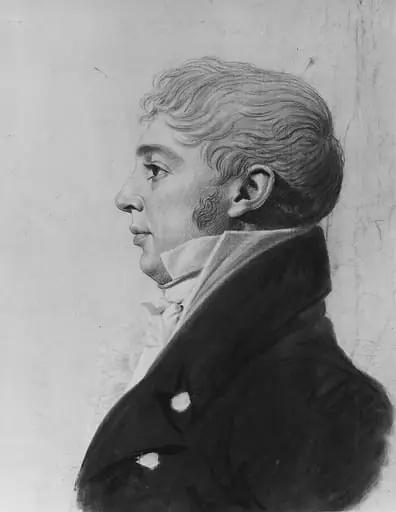
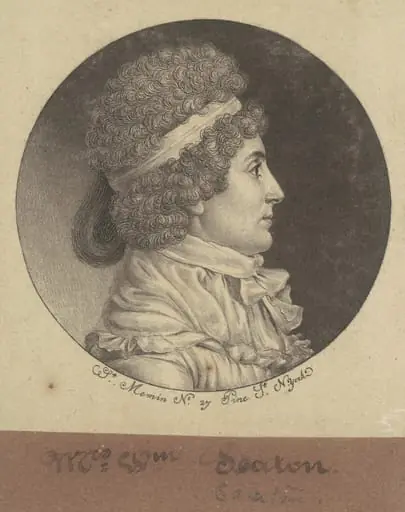
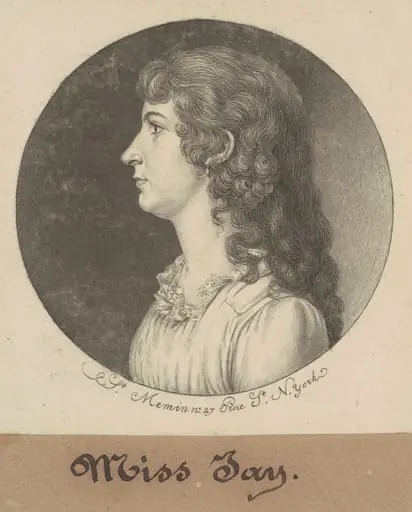
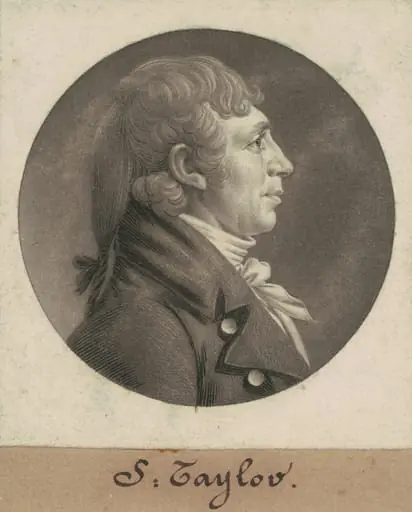
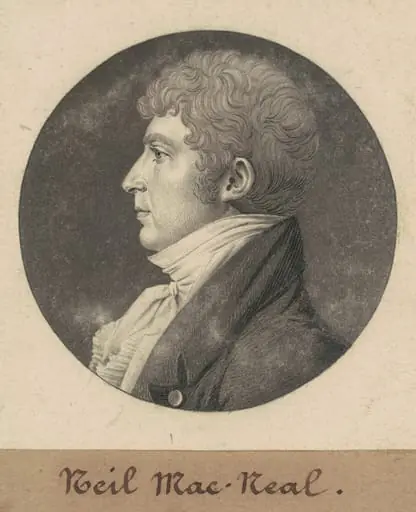
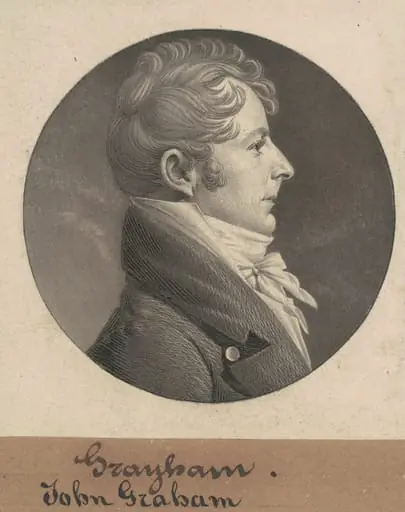
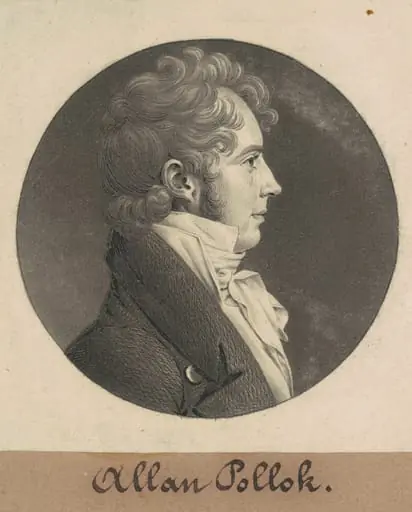
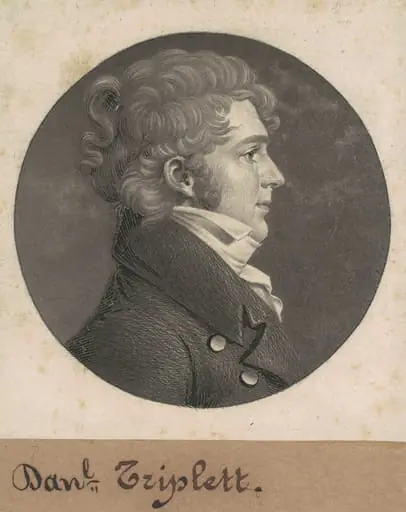
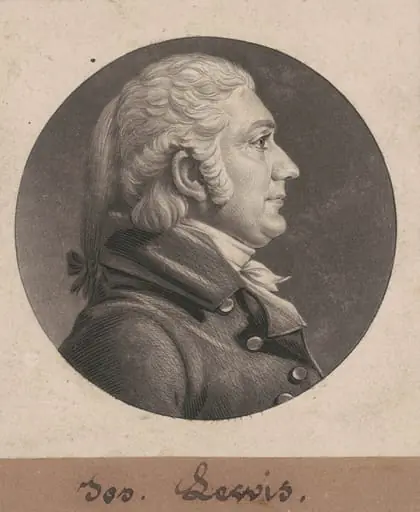
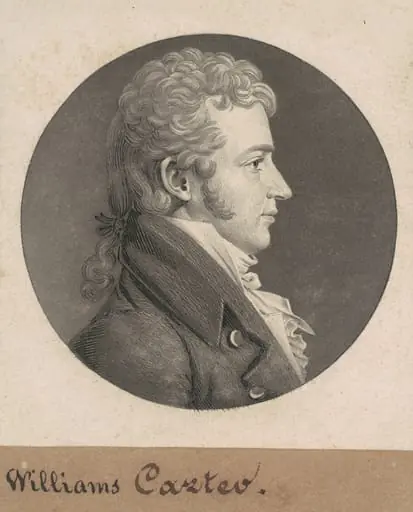
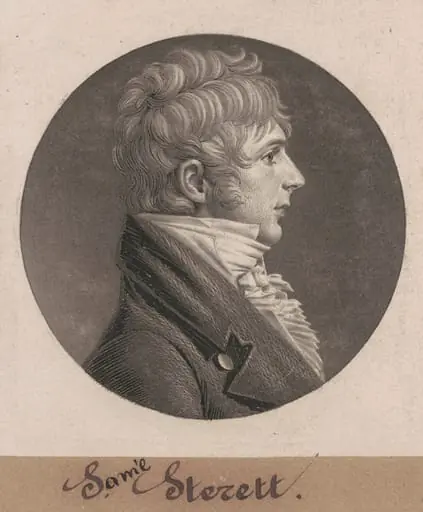
Created in 1808 by Charles B. J. Févret de Saint-Mémin, this small portrait depicts Edmund Wilcox Rootes in black ink on wove paper, mounted to a brown backing. The work combines mezzotint and engraving techniques to render a tightly cropped facial study. Measuring just over five centimeters square, it exemplifies the precision possible in intimate portrait prints of the early 19th century.
Subject & Meaning
The subject, Edmund Wilcox Rootes, is portrayed without identifying attributes, focusing solely on his likeness. The absence of context or symbolism suggests a personal or commissioned record rather than a public statement. The quiet intensity of the gaze and the careful modeling of the face convey a sense of individual presence, typical of portraiture intended for private circulation.
Technique & Style
This reversal of the traditional tonal process—dark to light—gives the face a sculptural emergence, emphasizing texture and volume through controlled contrast.
Saint-Mémin employed mezzotint to achieve subtle tonal gradations, beginning with a roughened plate and smoothing areas to create highlights. Fine engraving lines define the collar and coat edges, enhancing their luminosity against the deep shadowed background. This reversal of the traditional tonal process—dark to light—gives the face a sculptural emergence, emphasizing texture and volume through controlled contrast.
History & Provenance
The print was produced during Saint-Mémin’s time in the United States, where he specialized in portrait prints for elite patrons. Rootes, likely an American figure of some standing, was among many sitters documented by the artist between 1800 and 1815. The work’s small scale and mounting suggest it was part of a personal collection, possibly bound in an album of likenesses.
Context
In early 19th-century America, mezzotint portraiture served as an accessible alternative to oil painting, particularly for those seeking durable, reproducible likenesses. Saint-Mémin’s technique bridged European print traditions with American demand for refined, intimate portraits. His work contributed to the rise of the portrait print as a medium for documenting social identity beyond the aristocracy.
Legacy
Saint-Mémin’s mezzotints, including this portrait, remain significant for their technical mastery and role in American visual culture. While not widely exhibited today, his prints are preserved in institutional collections as key examples of early American printmaking. The work illustrates how craftsmanship in small-scale media could achieve remarkable psychological presence.
Artist & collection

Artist
Charles Balthazar Julien Févret de Saint-Mémin
Charles Balthazar Julien Févret de Saint-Mémin (French pronunciation: ; 1770–1852) was a French portrait painter and museum director.