Artwork
Henry Heth
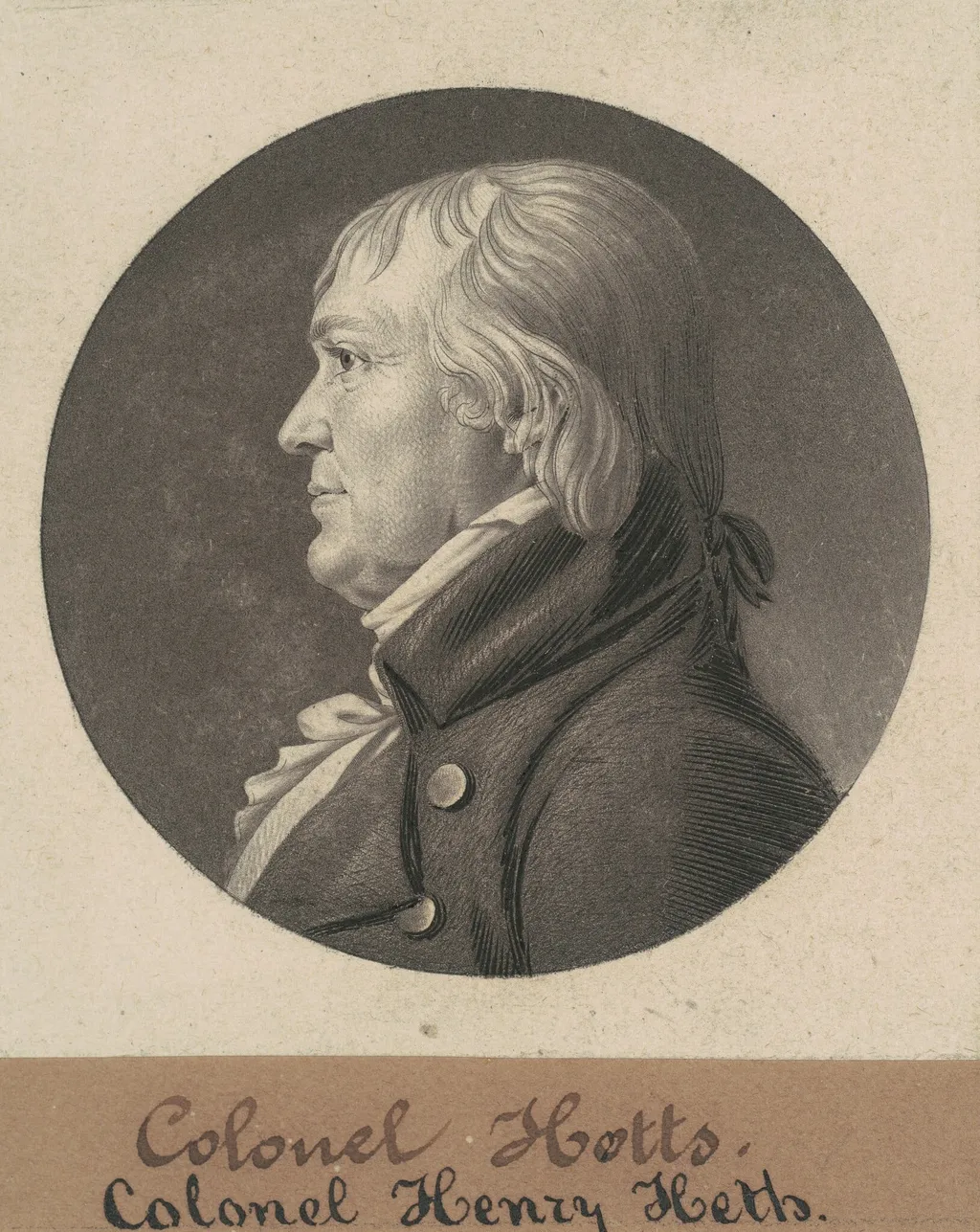
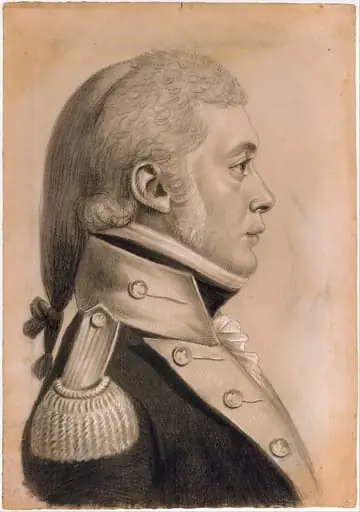
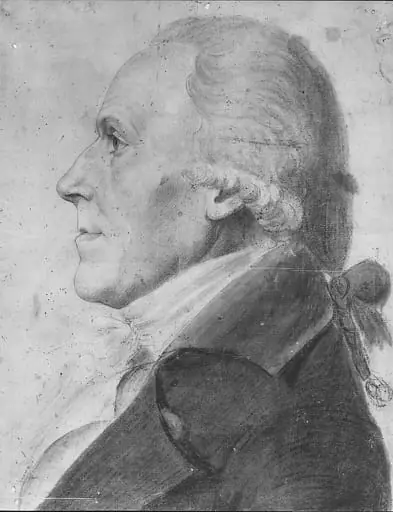
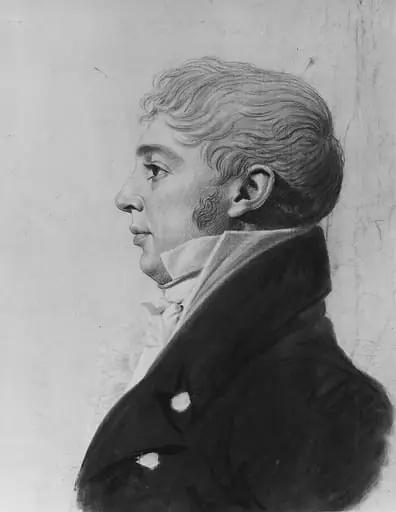
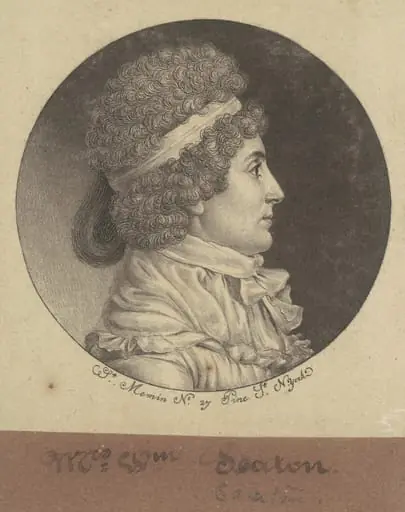
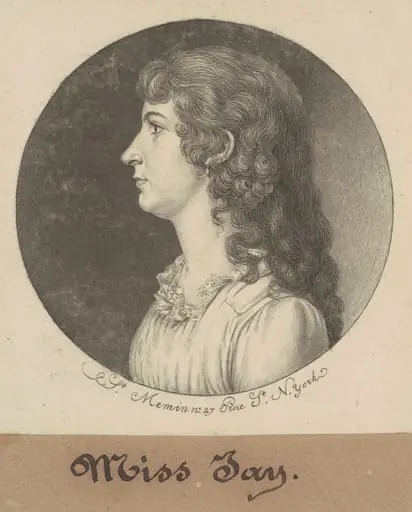
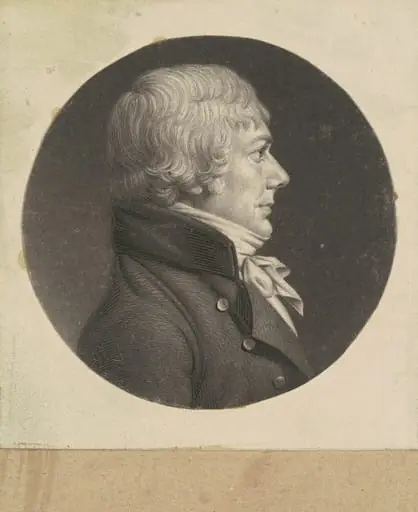
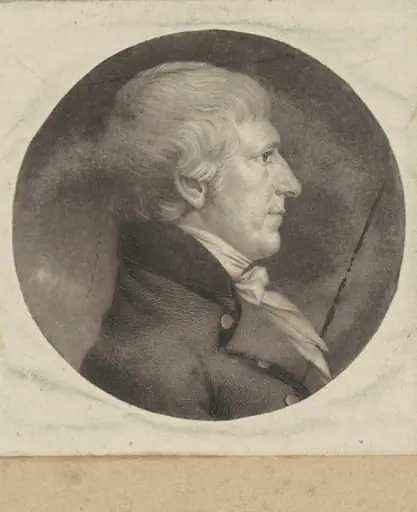
Henry Heth is an ink print by the Romanticist artist Charles Balthazar Julien Févret de Saint-Mémin. It dates from 1805 and is held in the collection of the National Gallery of Art.
About this work
Overview
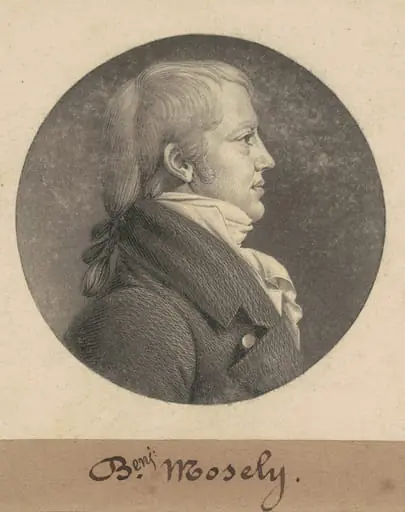
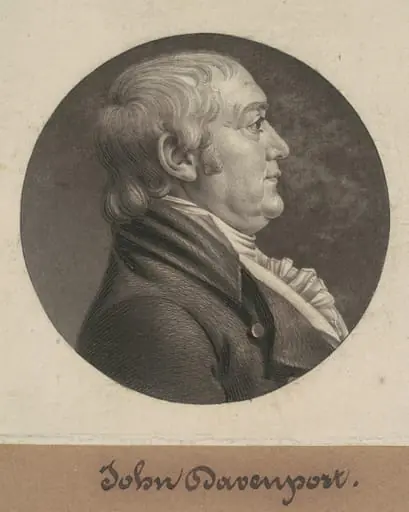
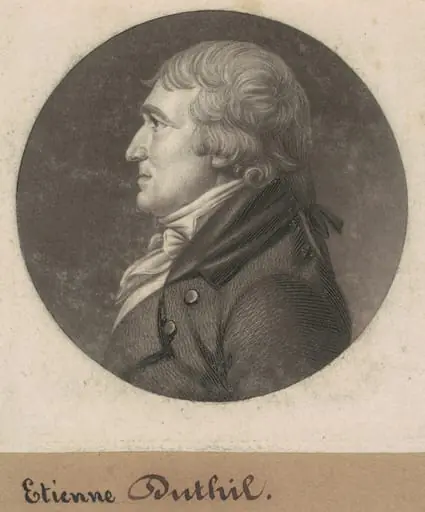
Created in 1805, this intimate portrait depicts Henry Heth and is attributed to the French-American printmaker Charles B. J. Févret de Saint‑Mémin. Executed in mezzotint and engraving on wove paper that has been mounted to a brown‑toned backing, the work measures just 5.56 by 5.56 centimeters, underscoring its function as a miniature, collectible image within the Corcoran Collection.
Subject & Meaning
The image presents Henry Heth, a figure whose identity is recorded solely through this likeness. The composition focuses on his facial features and attire, offering a straightforward representation without allegorical embellishment, typical of early‑19th‑century portraiture intended to convey personal status and presence.
Technique & Style
Saint‑Mémin combined mezzotint’s tonal richness with fine engraving lines to achieve subtle gradations of light and texture on a very small scale. The dual process allows for deep shadows alongside crisp details, a hallmark of his work that balances painterly depth with the precision of line work, even within the limited dimensions of the piece.
History & Provenance
The portrait entered the Corcoran Collection, a major American art institution, where it remains catalogued as part of their print holdings. Its provenance traces back to the early 19th century, reflecting the transatlantic circulation of French‑trained artists who worked in the United States during that period.
Artist & collection

Artist
Charles Balthazar Julien Févret de Saint-Mémin
Charles Balthazar Julien Févret de Saint-Mémin (French pronunciation: ; 1770–1852) was a French portrait painter and museum director.