Artwork
William Brent
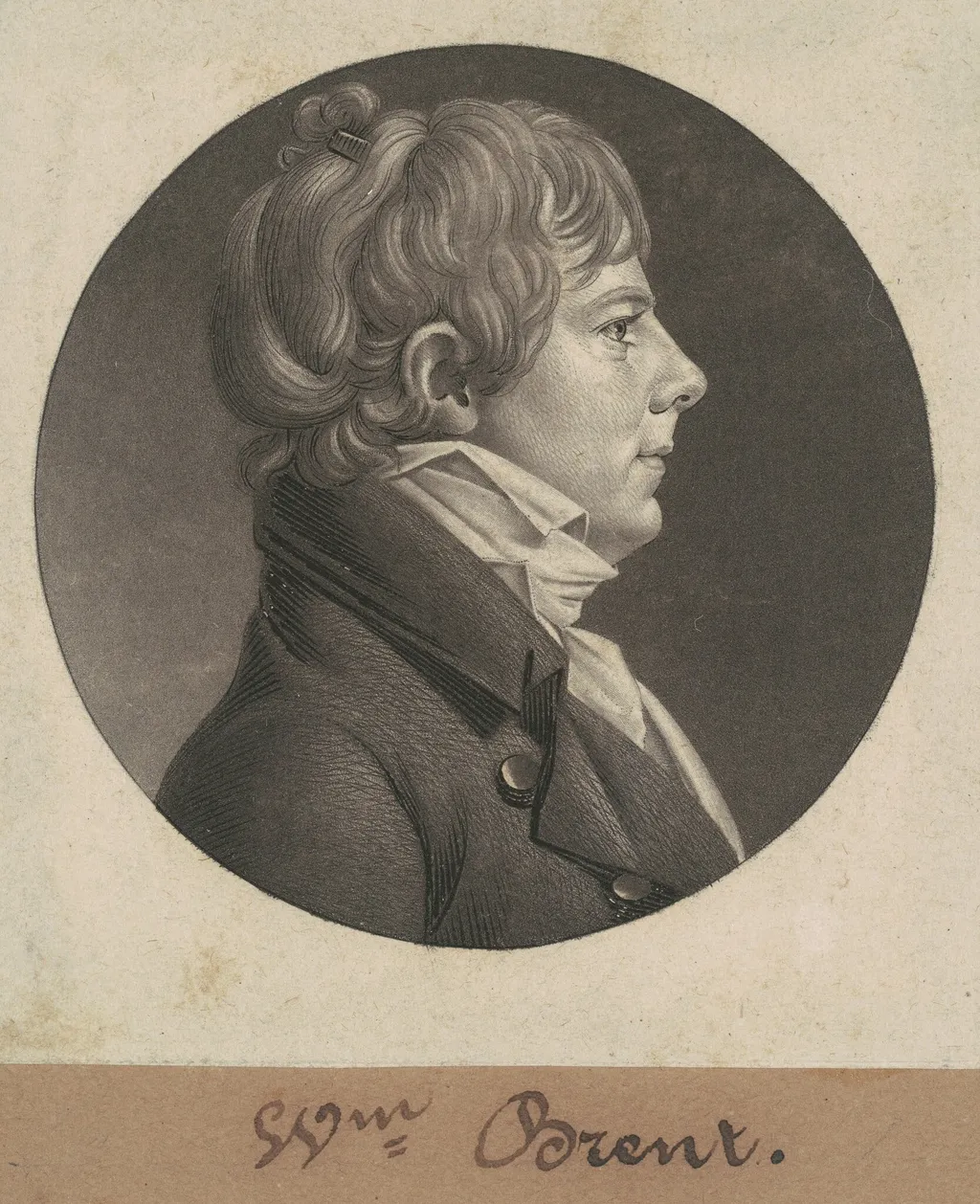
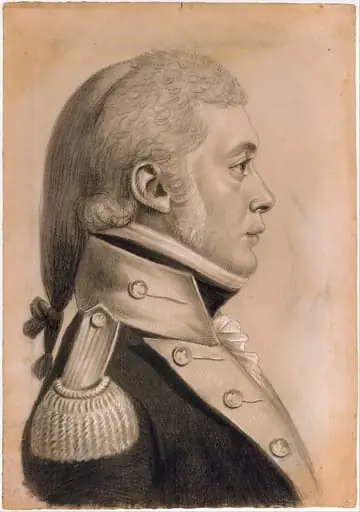
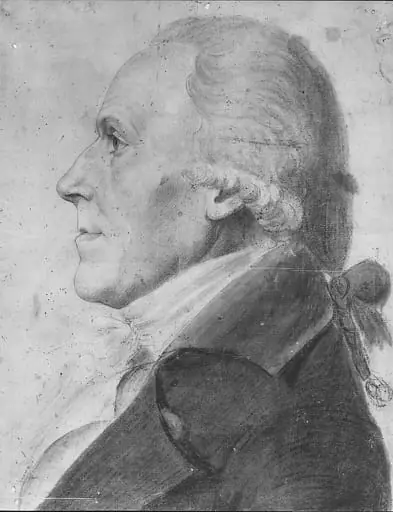
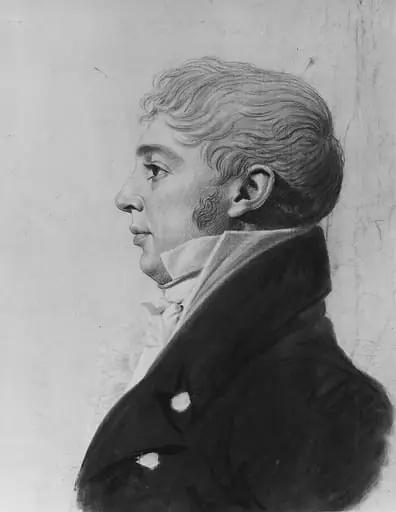
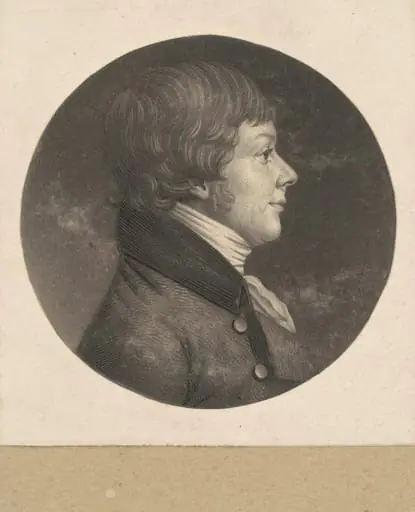
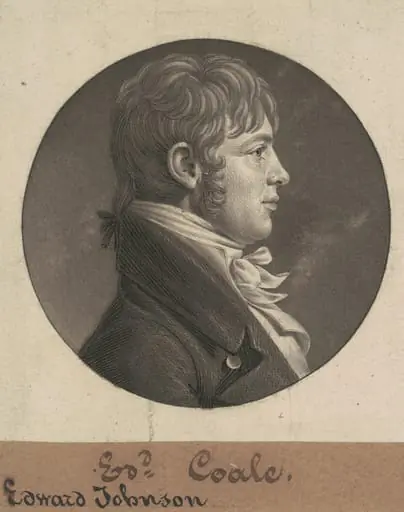
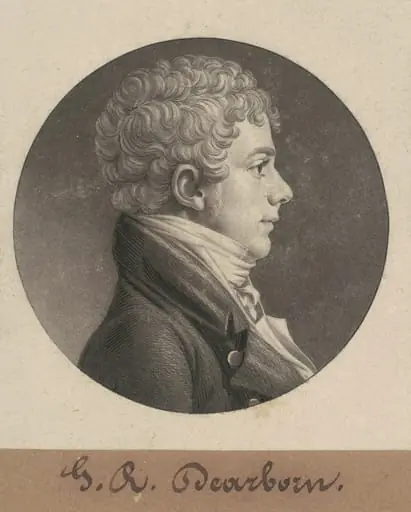
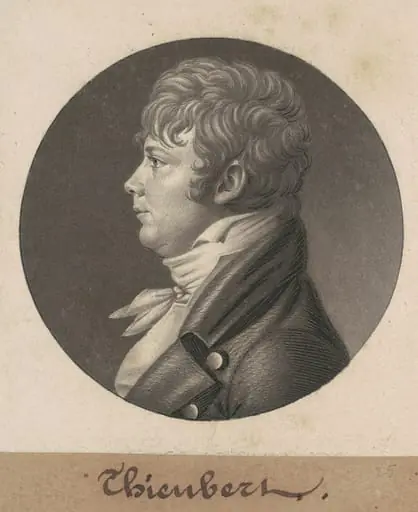
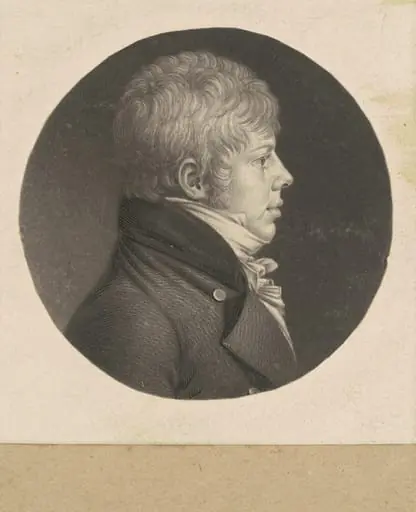
William Brent is an ink print by the Romanticist artist Charles Balthazar Julien Févret de Saint-Mémin. It dates from 1806 and is held in the collection of the National Gallery of Art. This print is a profile portrait of Richard Brent, executed in mezzotint and engraving on wove paper and mounted on brown wove paper.
About this work
Overview
This print is a profile portrait of Richard Brent, executed in mezzotint and engraving on wove paper and mounted on brown wove paper. Created by Charles B. J. Févret de Saint-Mémin, it captures the upper torso and head of the subject with precise tonal gradations. The technique emphasizes texture and depth through controlled light and shadow, typical of early American portraiture in print form.
Subject & Meaning
The absence of background or symbolic elements focuses attention on the individual’s presence and character as rendered through light and line.
The sitter is Richard Brent, a figure of civic standing in early 19th-century America. His formal attire—a dark coat and crisp white cravat—signals social position and restraint. The profile view, common in commemorative portraiture, conveys dignity and stillness. The absence of background or symbolic elements focuses attention on the individual’s presence and character as rendered through light and line.
Technique & Style
Saint-Mémin employed mezzotint to achieve subtle transitions in tone, particularly in the modeling of Brent’s face and neck. Engraved lines define the cravat’s folds and the edge of the coat, adding sharp contrast. The soft chiaroscuro mimics natural illumination, giving the skin a lifelike quality. The plate was hand-etched after a drawn study, reflecting the artist’s methodical process of translating likeness into print.
History & Provenance
Created during Saint-Mémin’s time in the United States, this print belongs to a series of portraits he produced between 1796 and 1812, documenting prominent Americans. The work was likely commissioned or made for private circulation. Its mounting on brown paper suggests careful preservation, consistent with the era’s practice of treating portraiture as enduring personal or familial records.
Context
Saint-Mémin, trained in France and later in the U.S., learned mezzotint techniques from artists such as Jean-Baptiste Isabey, who influenced his use of cross-hatching and tonal control. His portraits reflect a transatlantic aesthetic, blending European precision with American subject matter. This print emerged amid a growing demand for accessible likenesses among the nation’s emerging elite.
Legacy
Saint-Mémin’s portraits, including this one, remain key examples of early American printmaking. His method helped standardize the mezzotint portrait as a medium for recording public figures. Though not widely exhibited today, these works are held in institutional collections as vital records of visual culture and identity in the young republic.
Artist & collection

Artist
Charles Balthazar Julien Févret de Saint-Mémin
Charles Balthazar Julien Févret de Saint-Mémin (French pronunciation: ; 1770–1852) was a French portrait painter and museum director.