Artwork
John Allen
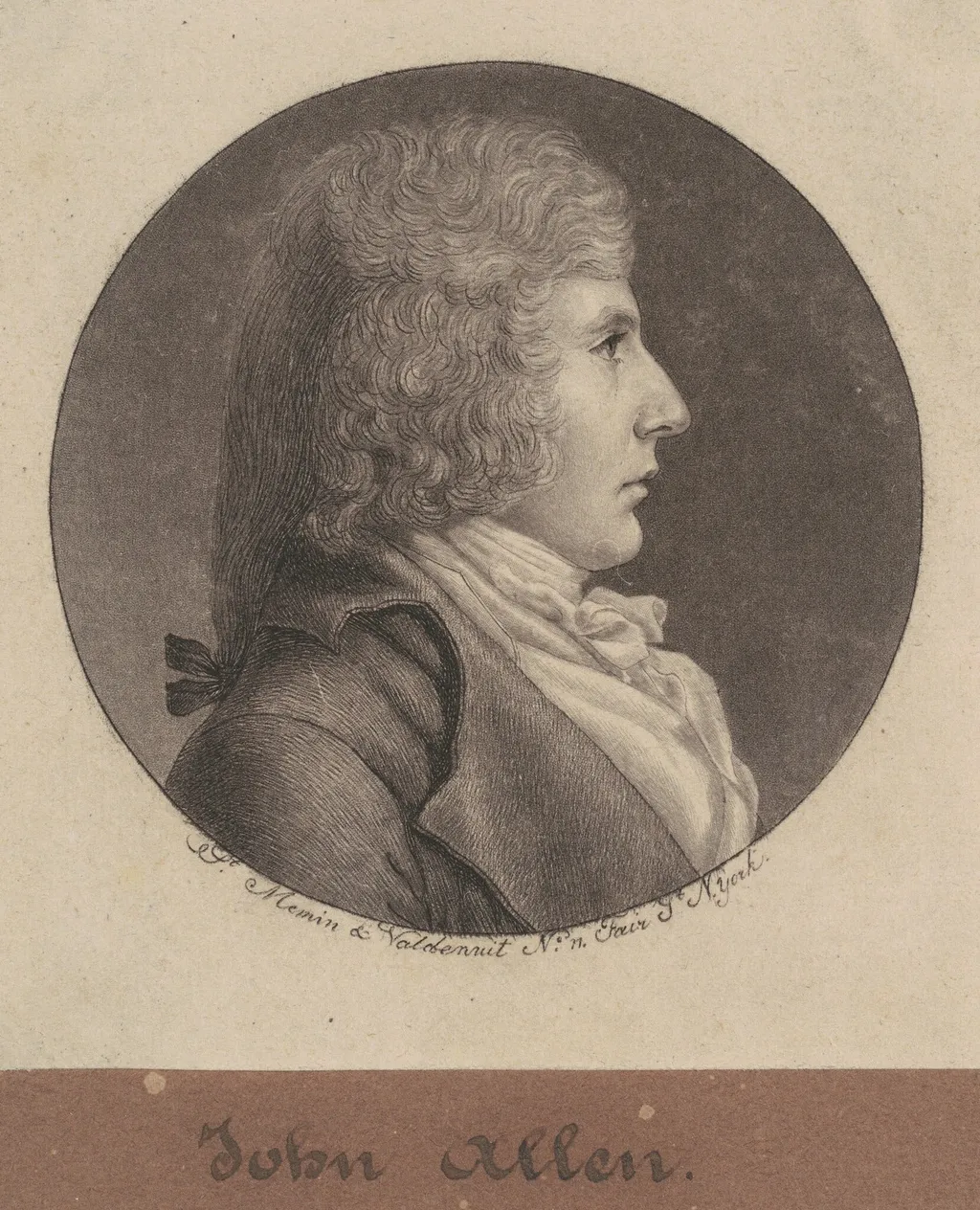
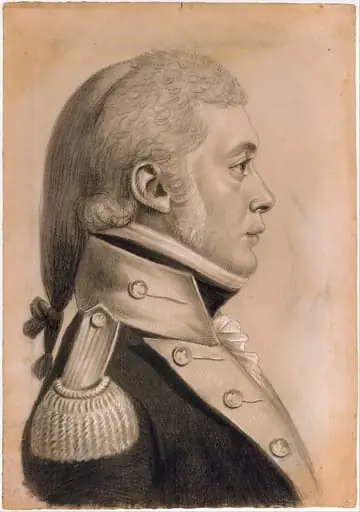
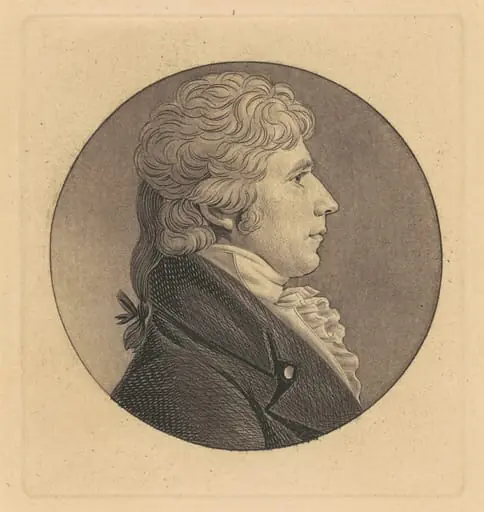
John Allen is an ink print by the Romanticist artist Charles Balthazar Julien Févret de Saint-Mémin. It dates from 1796 and is held in the collection of the National Gallery of Art. The work is a black-and-white mezzotint and engraving printed on wove paper, later mounted to a brown wove backing.
About this work
Overview
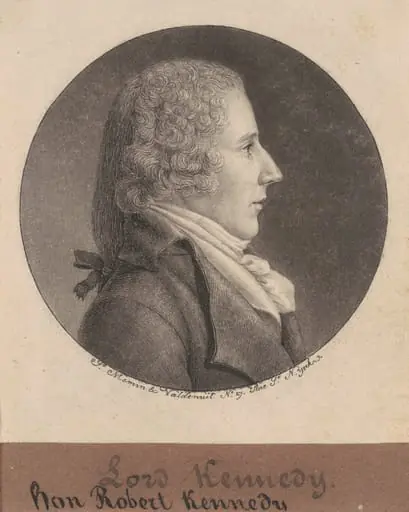
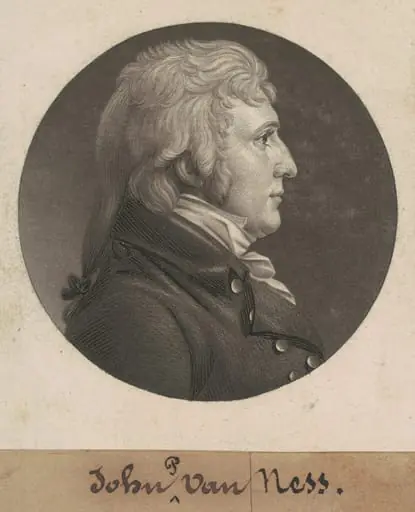
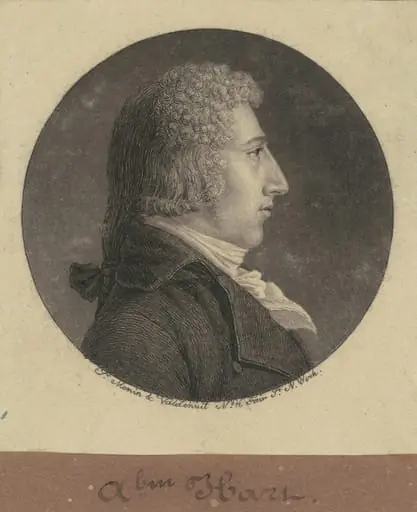
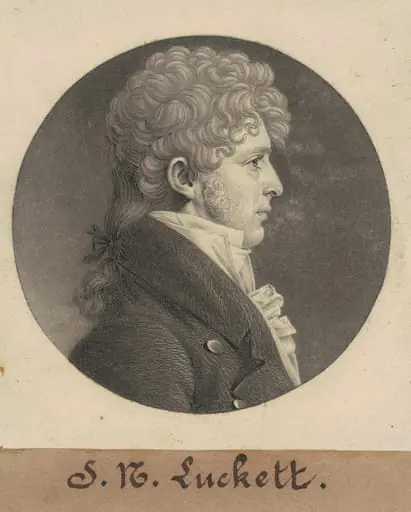
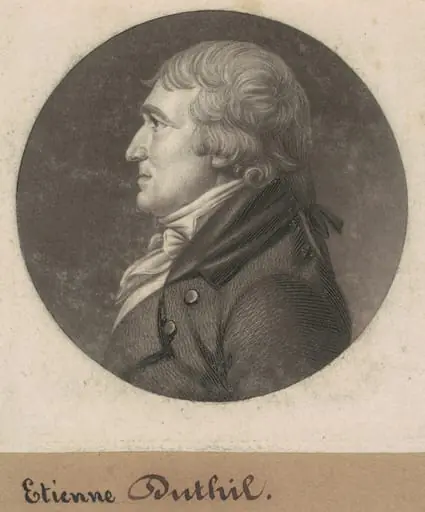
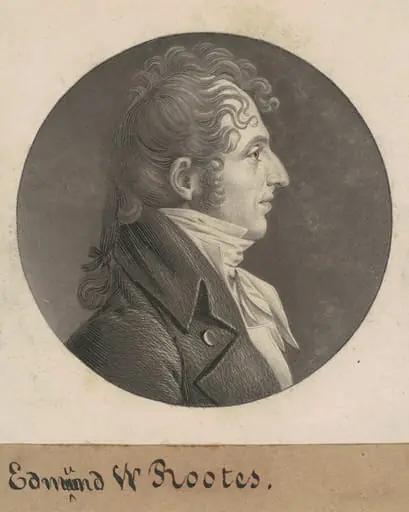
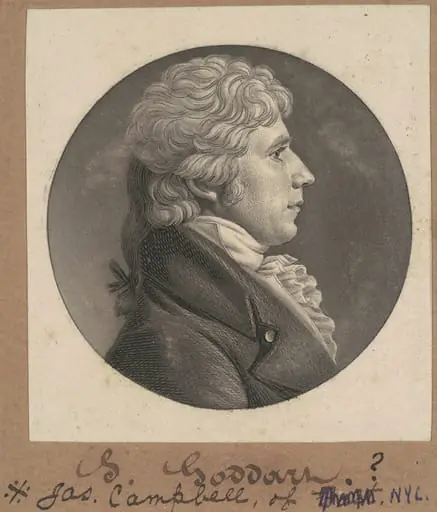
The work is a black-and-white mezzotint and engraving printed on wove paper, later mounted to a brown wove backing. It presents a single figure in profile, rendered with fine gradations of tone that give the image a subtle three‑dimensional quality. The composition is straightforward, focusing entirely on the sitter without background elements.
Subject & Meaning
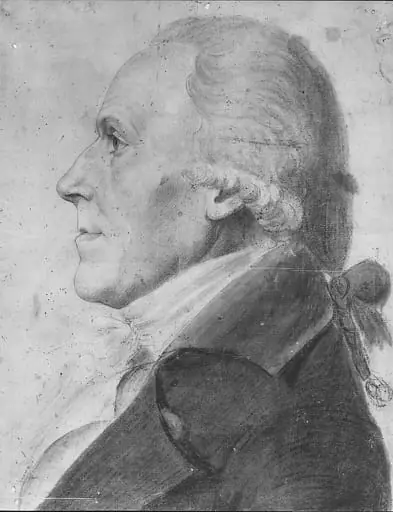
The portrait depicts a man identified as John Allen, his hair curled and secured with a ribbon, his expression composed and neutral. He is dressed in formal attire typical of the period, suggesting a status of respectability. The restrained demeanor and classical pose convey the ideals of dignity and rationality valued in late‑eighteenth‑century portraiture.
Technique & Style
Executed in mezzotint combined with line engraving, the piece demonstrates the meticulous attention to tonal variation characteristic of the medium. The artist builds depth through delicate shading, while the crisp lines define clothing and facial features. The overall aesthetic aligns with Neoclassical sensibilities, emphasizing clarity, order, and a restrained decorative approach.
Context
Created in the late 1700s, the portrait reflects contemporary fashions in hair, dress, and portraiture. The use of a ribbon to bind the hair and the formal costume correspond to aristocratic or professional attire of the era. Such prints were often circulated among peers as a means of documenting personal identity and social standing.
Artist & collection

Artist
Charles Balthazar Julien Févret de Saint-Mémin
Charles Balthazar Julien Févret de Saint-Mémin (French pronunciation: ; 1770–1852) was a French portrait painter and museum director.