Artwork
James Campbell
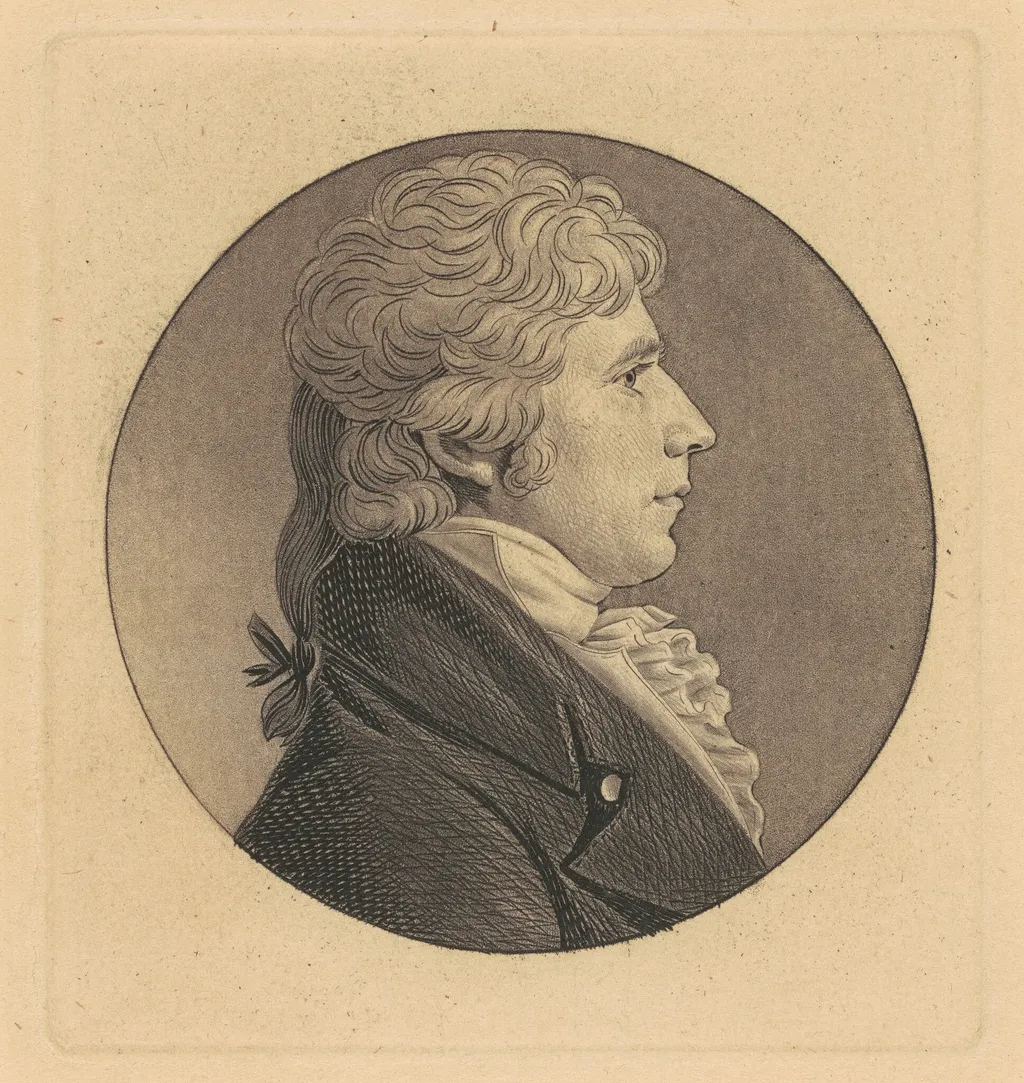
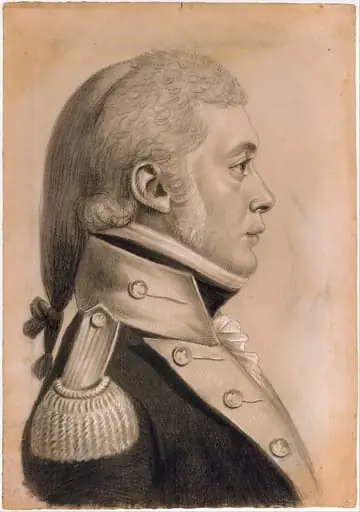
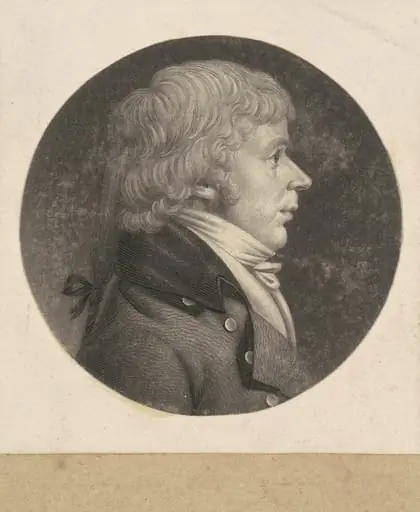
James Campbell is an ink print by the Romanticist artist Charles Balthazar Julien Févret de Saint-Mémin. It dates from 1804 and is held in the collection of the National Gallery of Art.
About this work
Overview
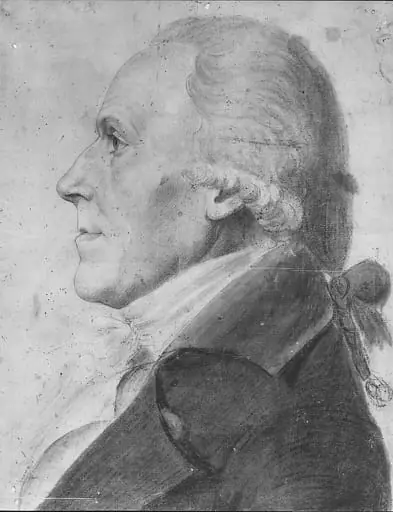
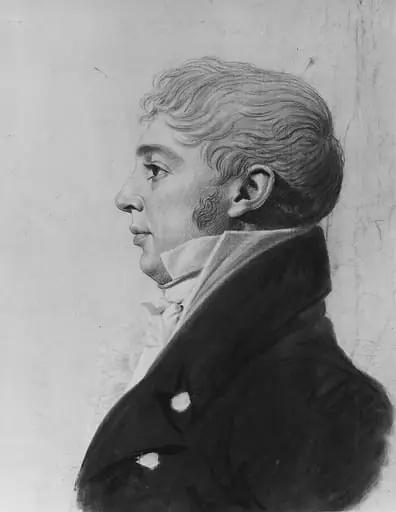
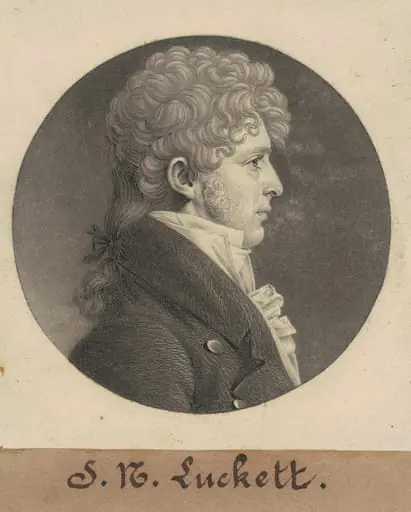
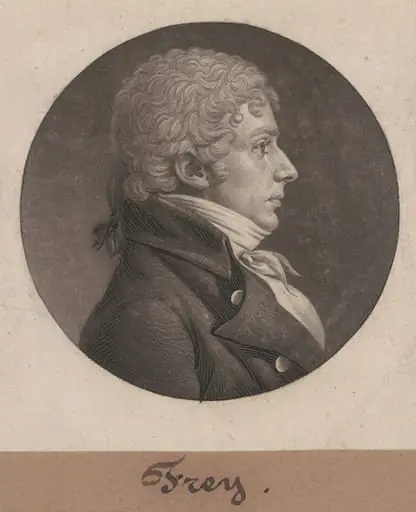
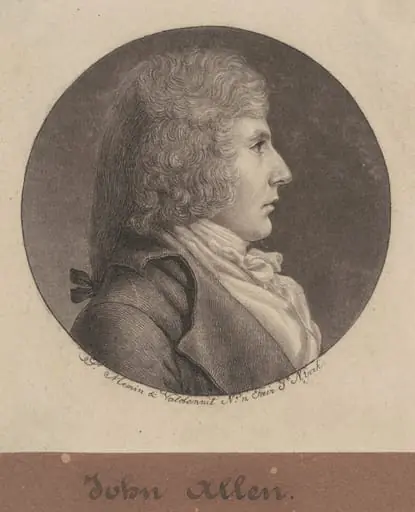
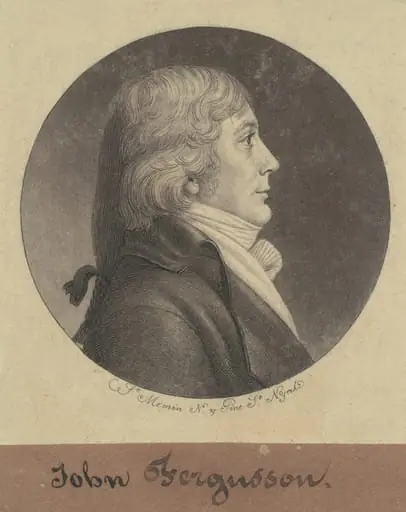
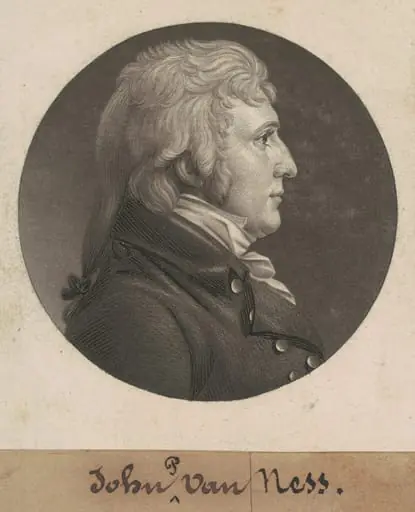
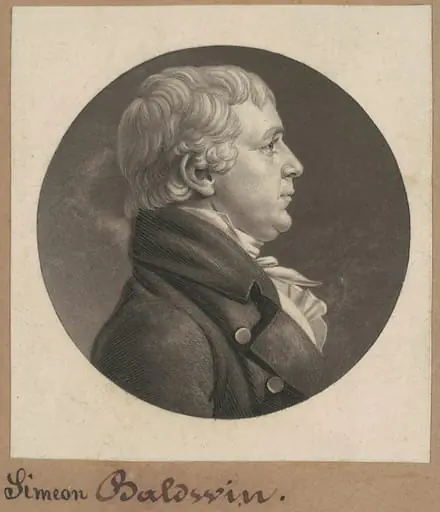
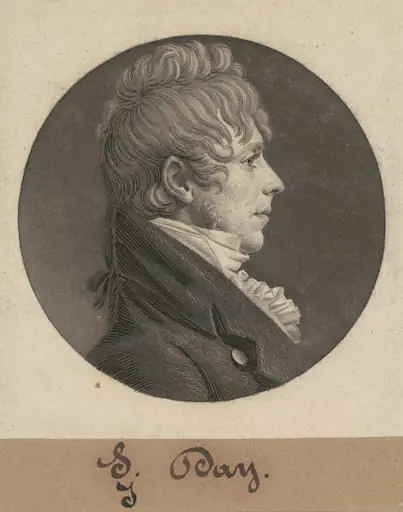
This early‑19th‑century engraving presents James Campbell in profile, rendered in black on laid paper. The figure is shown turned to the right, his hair rendered in a characteristic wave and his attire formal and restrained. A plain, light‑toned background isolates the sitter, emphasizing the crisp lines of the portrait.
Subject & Meaning
The work captures Campbell as a gentleman of his era, his dignified pose and careful dress reflecting the social aspirations of the emerging bourgeois class. The profile format, long associated with classical portraiture, conveys a sense of timeless respectability and personal virtue.
Technique & Style
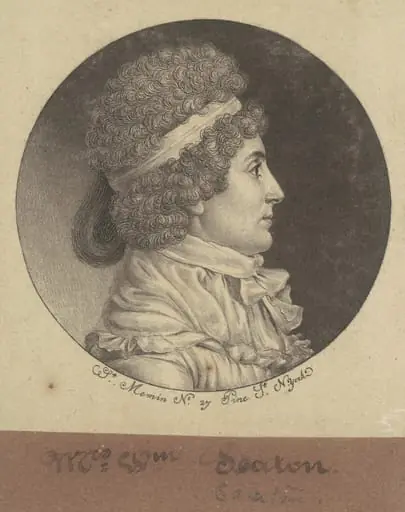
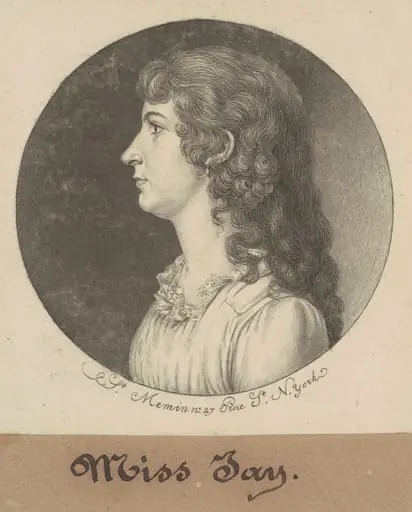
Executed by Charles B. J. Fevret de Saint Mémin, the engraving employs fine hatching to model hair and fabric, achieving subtle gradations of tone. The neoclassical aesthetic is evident in the restrained composition, the emphasis on line over color, and the idealised yet realistic rendering of the sitter’s features.
History & Provenance
Created around 1804, the print belongs to a series of portrait engravings that Saint Mémin produced after traveling in the United States. It likely circulated among patrons who sought to commemorate their status through such finely crafted likenesses.
Context
Profile portraits were fashionable among the affluent in the early 1800s, echoing the classical tradition of Roman coinage. Saint Mémin’s work aligns with this trend, offering a dignified visual record of contemporary dress and manners.
Artist & collection

Artist
Charles Balthazar Julien Févret de Saint-Mémin
Charles Balthazar Julien Févret de Saint-Mémin (French pronunciation: ; 1770–1852) was a French portrait painter and museum director.