Artwork
John Crooke Ludlow
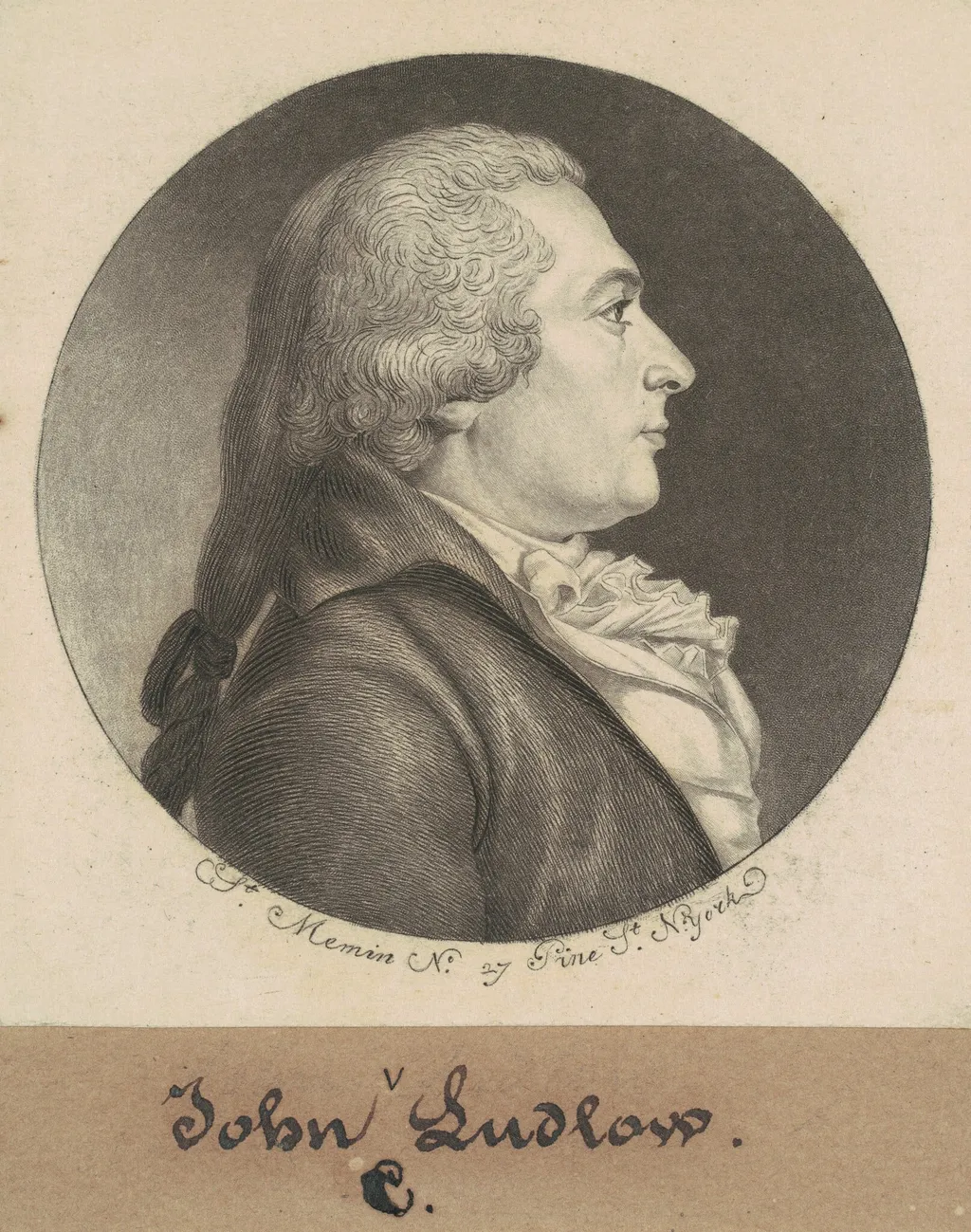
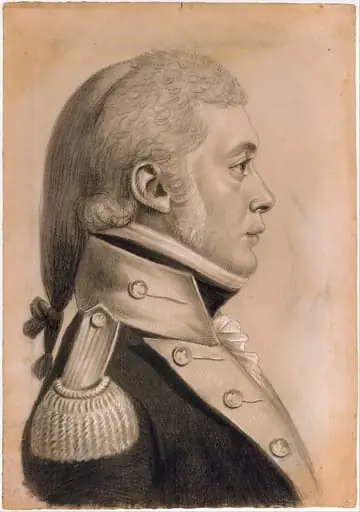
John Crooke Ludlow is an ink print by the Romanticist artist Charles Balthazar Julien Févret de Saint-Mémin. It dates from 1798 and is held in the collection of the National Gallery of Art.
About this work
Overview
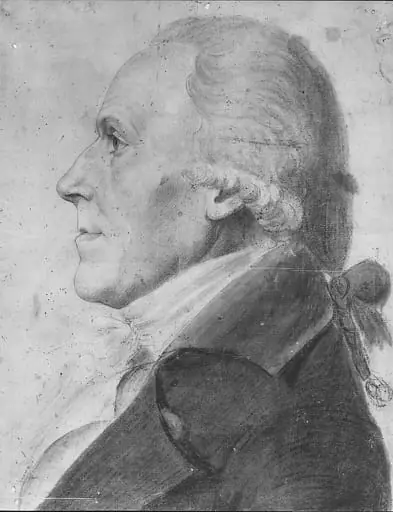
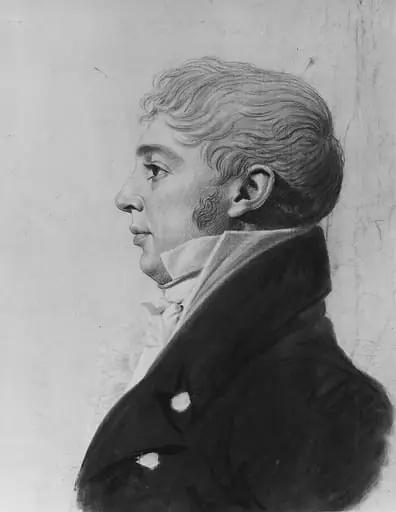
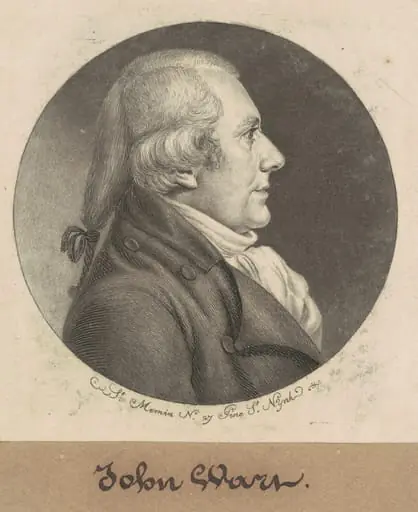
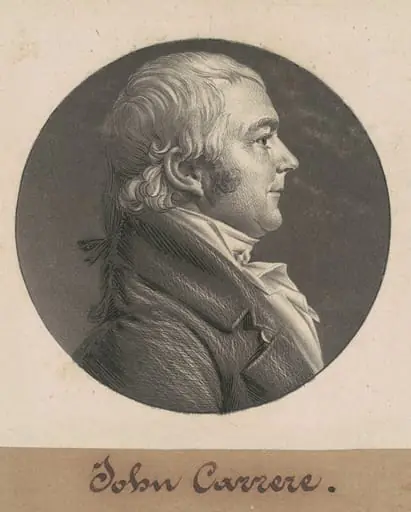
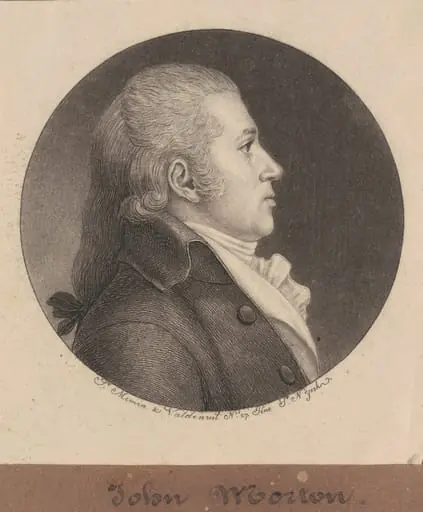
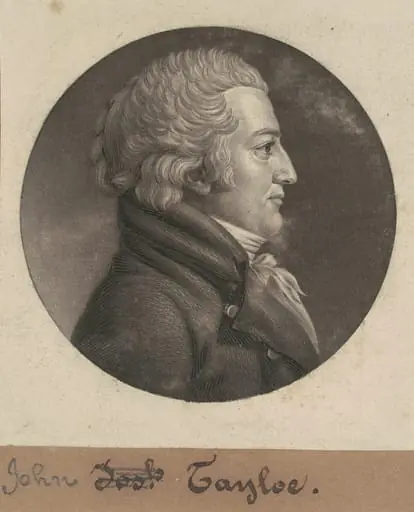
The work is a black-and-white print depicting John Crooke Ludlow in a bust‑length profile. Executed in 1798, it combines mezzotint and engraving techniques on wove paper, which has been mounted onto a brown‑toned wove backing. The image is held in the collection of the National Gallery of Art.
Technique & Style
The print merges mezzotint’s tonal richness with the line precision of engraving, allowing subtle gradations of shadow alongside sharply defined contours. Produced on wove paper, the surface supports fine detail and a smooth finish, while the mounting on a darker sheet enhances contrast and preserves the delicate impression of the original matrix.
Subject & Meaning
The portrait presents Ludlow in a classical profile, a compositional choice that emphasizes the sitter’s facial features and conveys a sense of dignified restraint. The bust‑length format focuses attention on the head and shoulders, a common convention for portraying individuals of social standing in the late eighteenth century.
History & Provenance
Created by French artist Charles B. J. Févret de Saint‑Mémin, the print was produced shortly after the artist’s relocation to the United States, where he documented notable figures of the era. The piece entered the National Gallery of Art’s holdings through acquisition, joining a broader collection of early American portraiture.
Artist & collection

Artist
Charles Balthazar Julien Févret de Saint-Mémin
Charles Balthazar Julien Févret de Saint-Mémin (French pronunciation: ; 1770–1852) was a French portrait painter and museum director.