Artwork
John Thurman
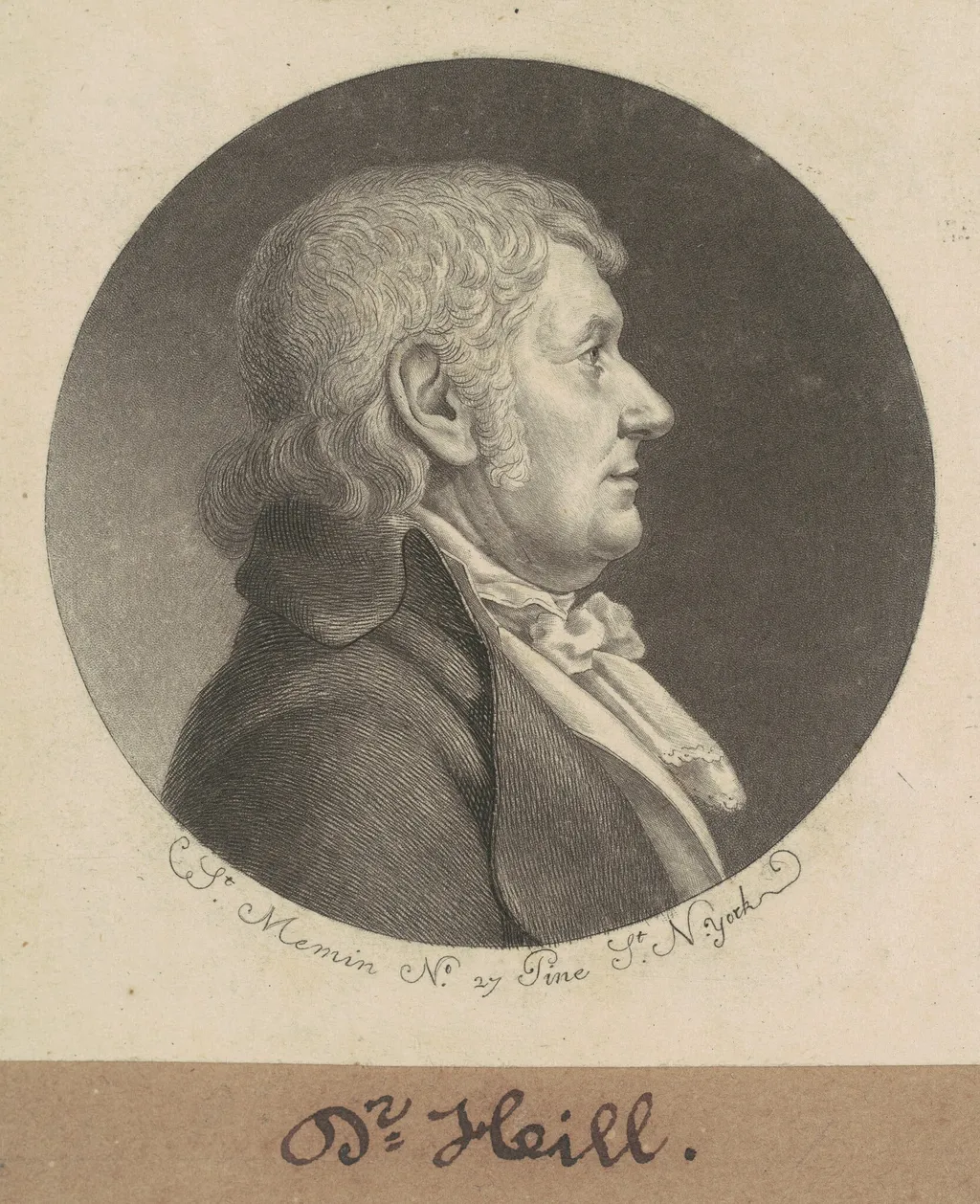
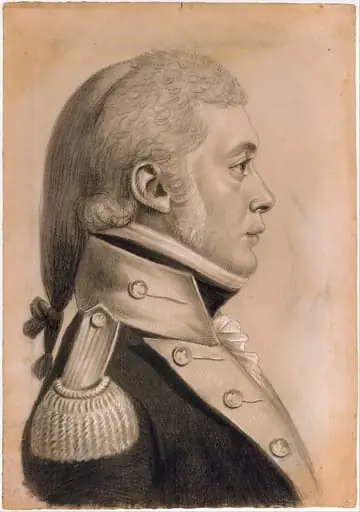
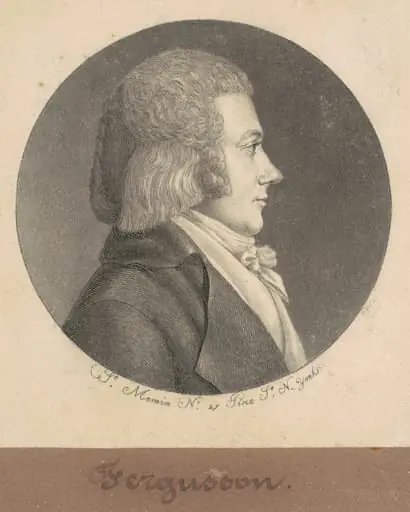
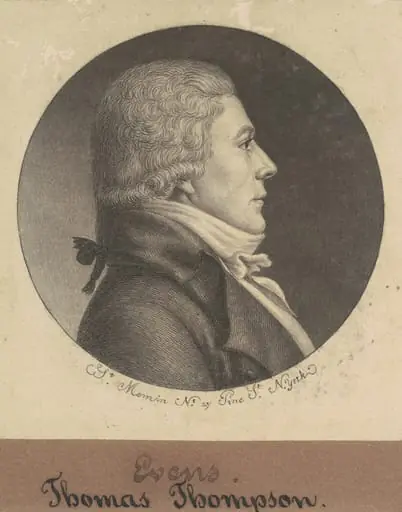
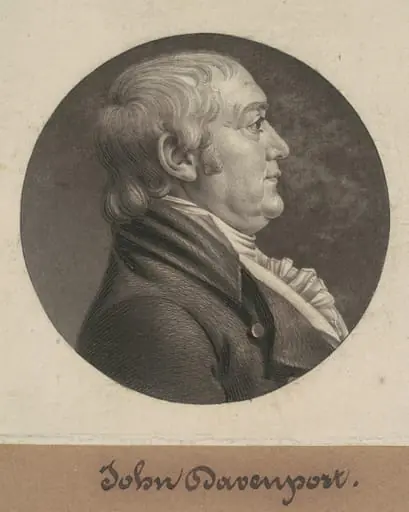
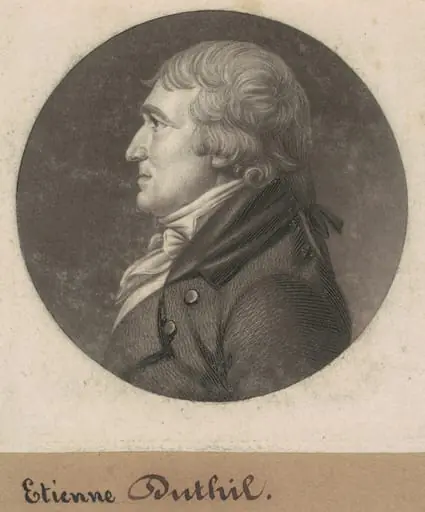
John Thurman is an ink print by the Romanticist artist Charles Balthazar Julien Févret de Saint-Mémin. It dates from 1798 and is held in the collection of the National Gallery of Art.
About this work
Overview
It belongs to a series of profile portraits Saint-Mémin made using this labor-intensive technique, which allowed for subtle tonal gradations and fine detail.
This print, created between 1797 and 1798, is a portrait of John Thurman executed in mezzotint and engraving on wove paper, mounted to a brown wove support. The work was produced by Charles B. J. Févret de Saint-Mémin, a French-born artist active in the United States during the late 18th century. It belongs to a series of profile portraits Saint-Mémin made using this labor-intensive technique, which allowed for subtle tonal gradations and fine detail.
Subject & Meaning
John Thurman is depicted in strict right-facing profile, a convention favored for its clarity and neutrality in portraiture of the period. His attire is plain and unadorned, suggesting modest social standing rather than aristocratic status. The focus on facial structure and quiet dignity reflects Enlightenment ideals of individual identity, emphasizing character over ornamentation rather than social rank.
Technique & Style
Saint-Mémin employed mezzotint, a process involving the roughening of a metal plate to hold ink, followed by selective smoothing to create light areas. Combined with fine engraving lines, this method achieved rich blacks and delicate transitions in tone. The result is a highly detailed, almost sculptural rendering of Thurman’s features, showcasing the artist’s technical precision and mastery over light and shadow.
History & Provenance
The print was made during Saint-Mémin’s time in the United States, where he produced numerous profile portraits of prominent and middle-class individuals between 1793 and 1815. This portrait of John Thurman was likely commissioned or created as part of this broader project. It entered the collection of the National Gallery of Art in Washington, D.C., where it remains today as part of its holdings in early American graphic art.
Context
In the late 18th century, profile portraits in mezzotint were a popular medium for disseminating likenesses before photography. Saint-Mémin’s work aligned with a transatlantic trend favoring precise, economical portraiture. His technique bridged European engraving traditions and American demand for accessible, durable images of individuals, making him a key figure in the development of American print culture.
Legacy
Saint-Mémin’s portraits, including this one, represent a significant chapter in early American visual documentation. His method influenced later printmakers and contributed to the standardization of profile portraiture in the United States. Though largely forgotten today, his works remain important artifacts of how identity and likeness were recorded and valued in the early republic.
Artist & collection

Artist
Charles Balthazar Julien Févret de Saint-Mémin
Charles Balthazar Julien Févret de Saint-Mémin (French pronunciation: ; 1770–1852) was a French portrait painter and museum director.