Artwork
Daniel Murgatroyd
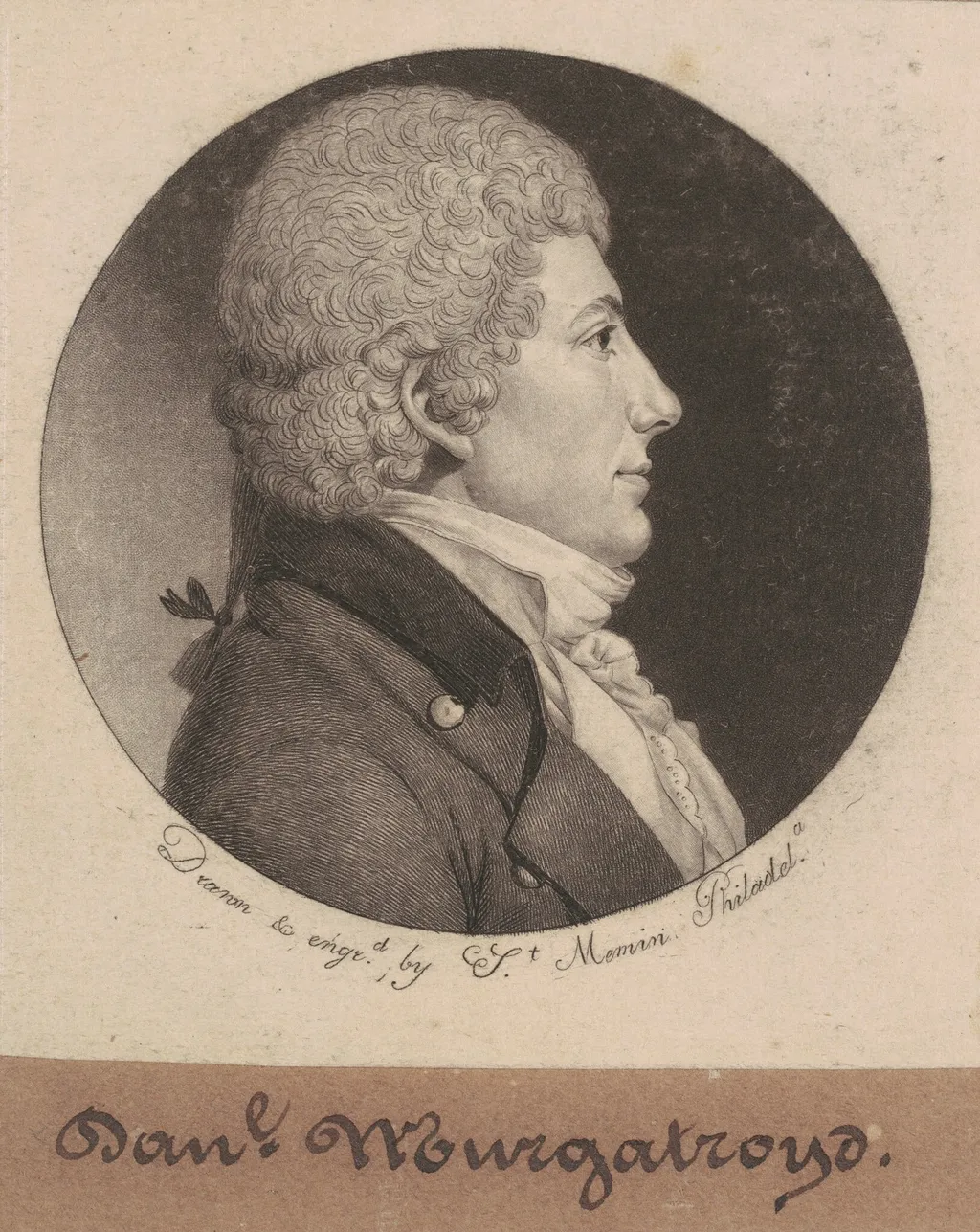
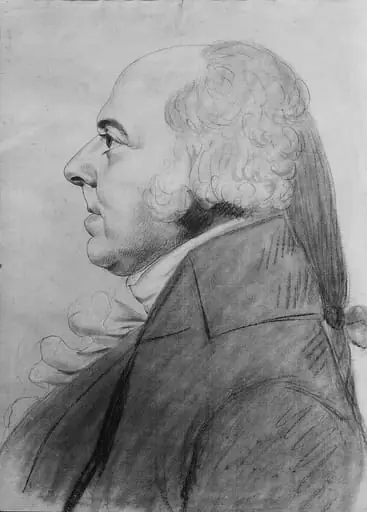
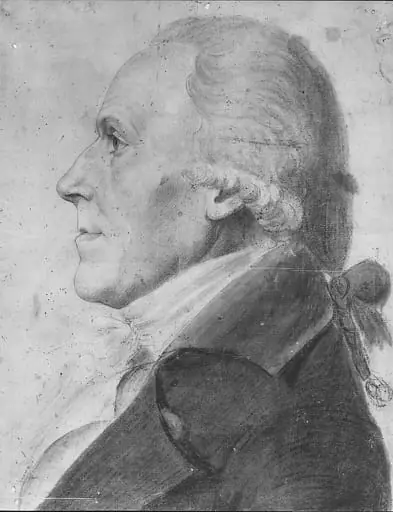
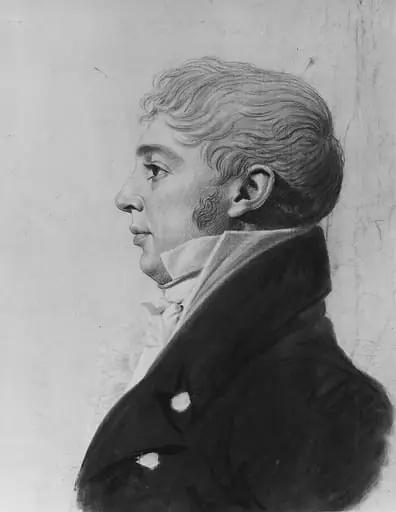
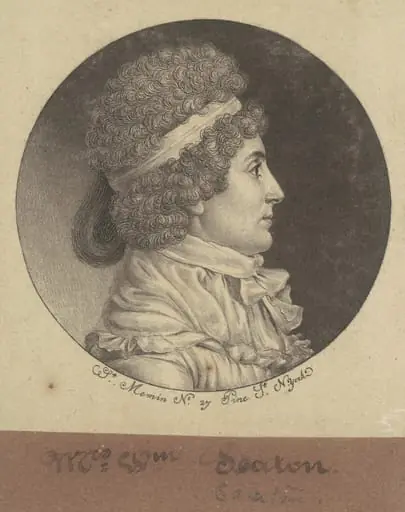
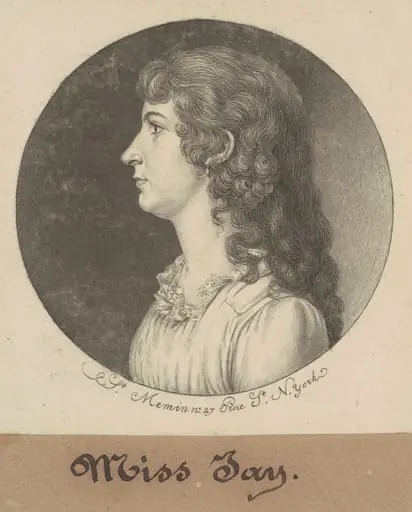
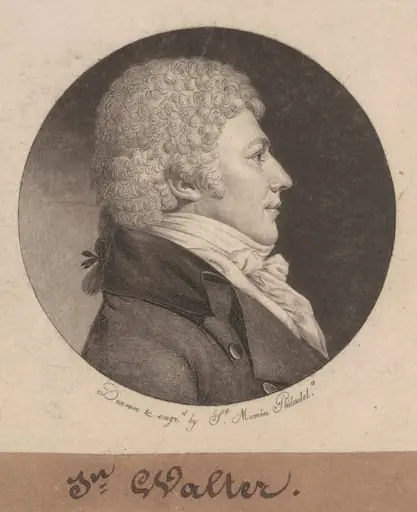
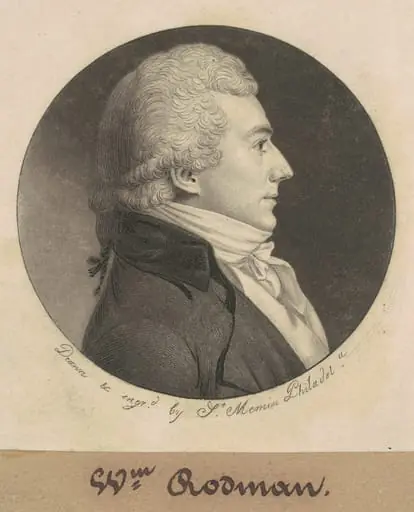
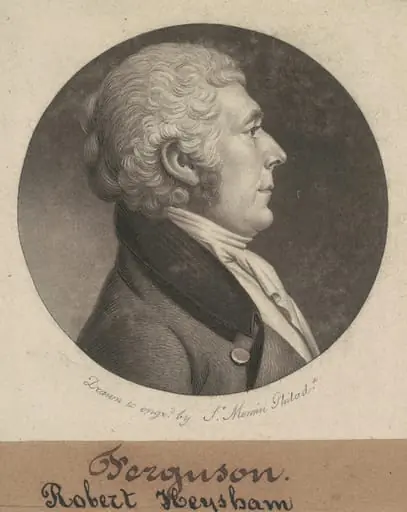
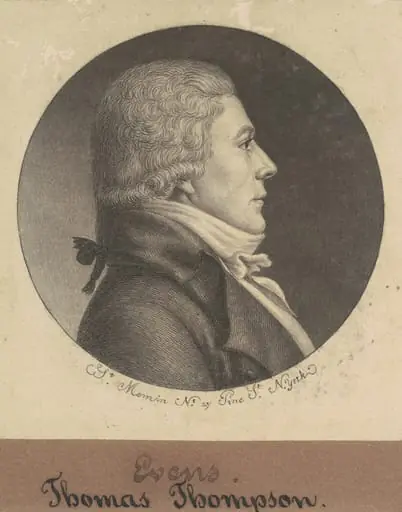
Daniel Murgatroyd is an ink print by the Romanticist artist Charles Balthazar Julien Févret de Saint-Mémin. It dates from 1798 and is held in the collection of the National Gallery of Art. Created in 1798, this black-and-white print presents a seated gentleman rendered in mezzotint and engraving on wove paper.
About this work
Overview
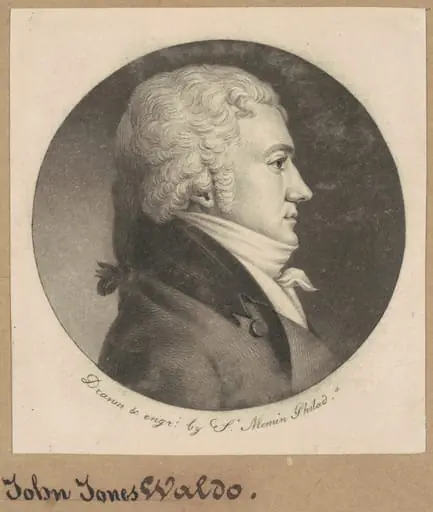
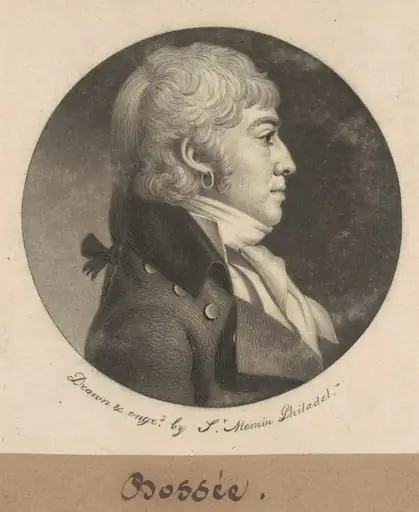
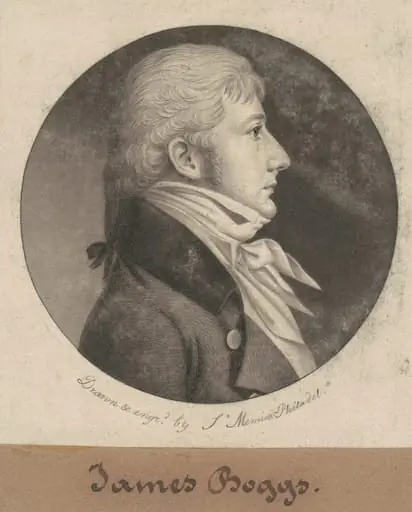
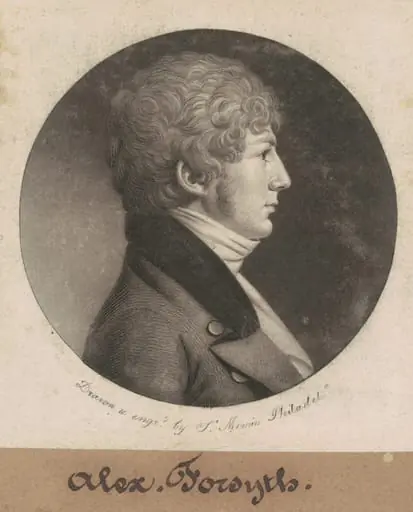
The oval image is bordered by a ragged edge, suggesting the paper’s age, while the artist’s signature and the word “engraved” appear in the lower corners.
Created in 1798, this black-and-white print presents a seated gentleman rendered in mezzotint and engraving on wove paper. The portrait shows the sitter turned slightly, his curly hair and high‑collared attire framing a gaze directed to the left. The oval image is bordered by a ragged edge, suggesting the paper’s age, while the artist’s signature and the word “engraved” appear in the lower corners.
Subject & Meaning
The work is a straightforward individual likeness, typical of the artist’s practice of capturing sitters from life. The sitter’s composed expression and formal dress convey the conventions of late‑eighteenth‑century portraiture, emphasizing status and decorum rather than narrative content.
Technique & Style
Executed in mezzotint combined with line engraving, the print relies on fine, closely spaced lines to model shadows and volume without the use of pigment. The tonal gradations achieved through mezzotint’s textured ground give the image a subtle depth, while the crisp engraved outlines define facial features and clothing details.
History & Provenance
The portrait was produced by Charles Balthazar Julien Févret de Saint‑Mémin, a French portraitist who emigrated to the United States during the Revolutionary period. After establishing a reputation for engraved likenesses of American figures such as Washington and Jefferson, he later returned to France to direct the museum in Dijon, where this print eventually entered the collection.
Artist & collection

Artist
Charles Balthazar Julien Févret de Saint-Mémin
Charles Balthazar Julien Févret de Saint-Mémin (French pronunciation: ; 1770–1852) was a French portrait painter and museum director.