Artwork
John Smith
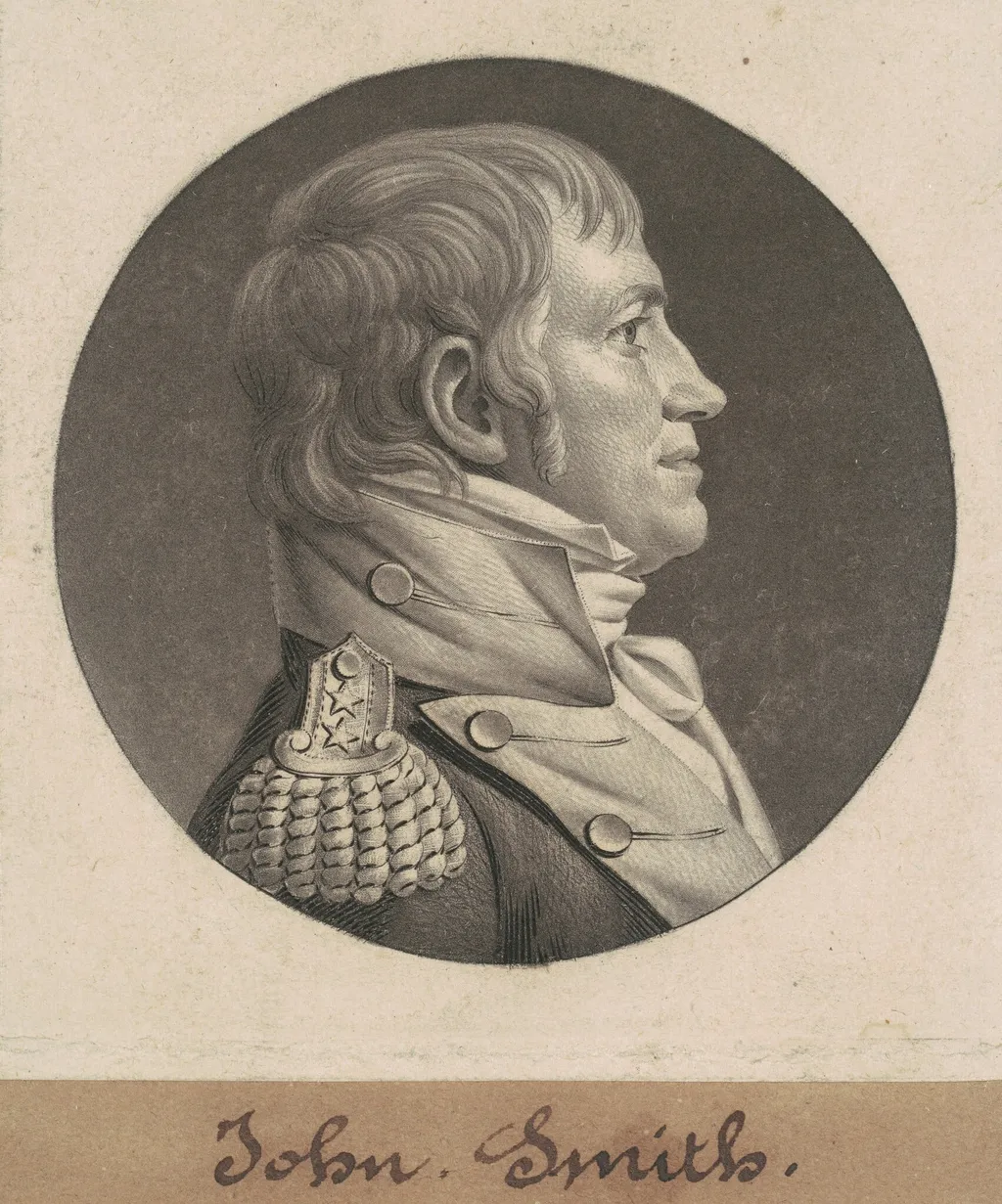
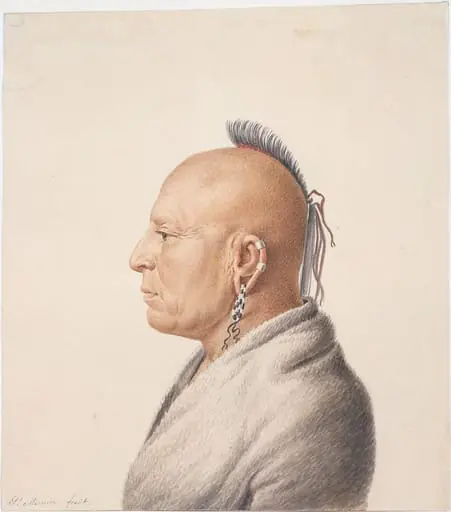
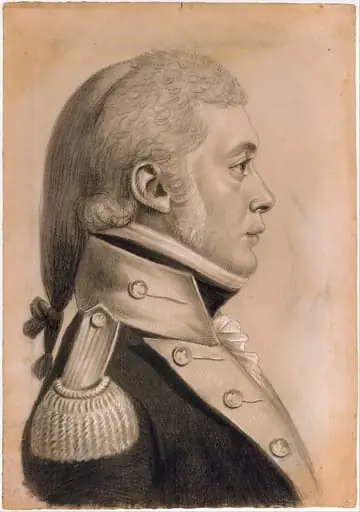
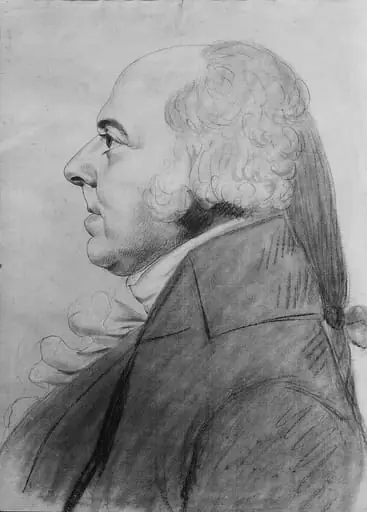
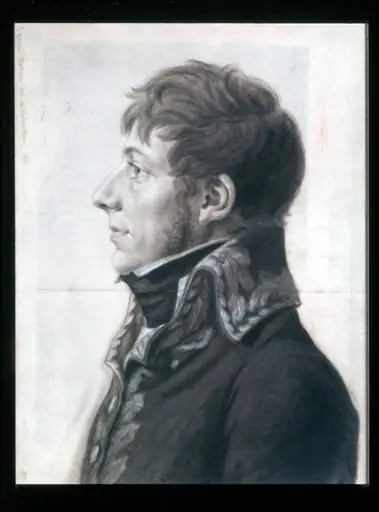
John Smith is an ink print by the Romanticist artist Charles Balthazar Julien Févret de Saint-Mémin. It dates from 1806 and is held in the collection of the National Gallery of Art.
About this work
Overview
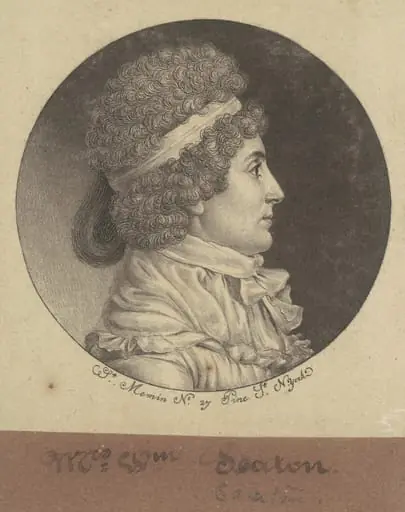
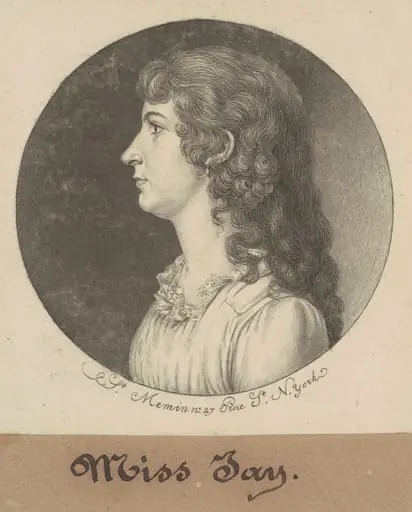
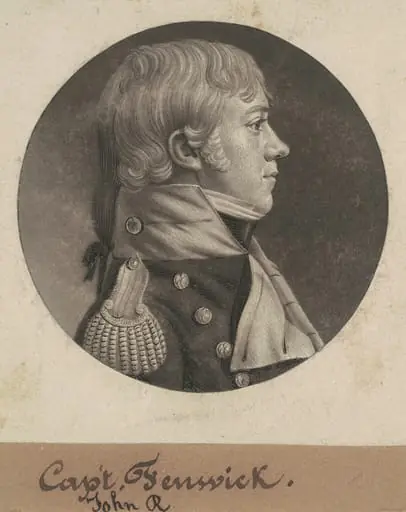
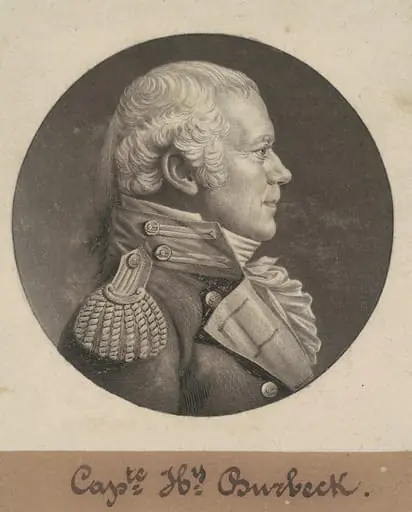
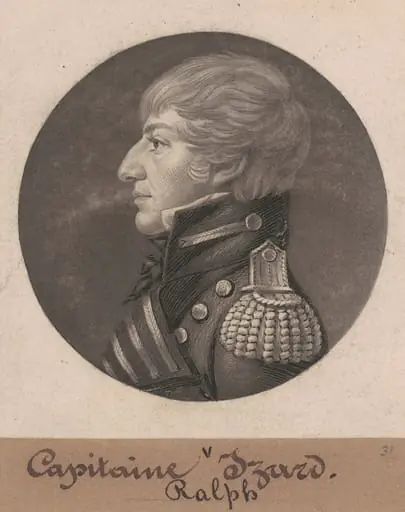
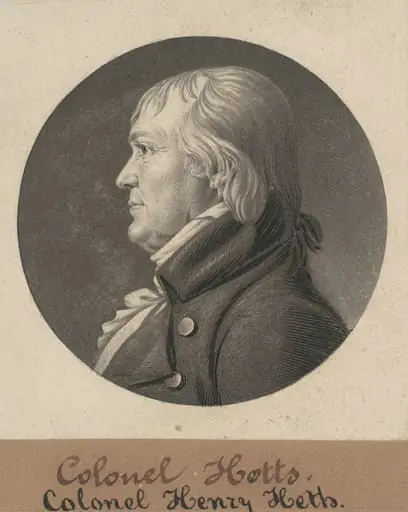
This early‑19th‑century print depicts John Smith, rendered in a stark chiaroscuro that isolates the sitter against a dark field edged by a lighter border.
This early‑19th‑century print depicts John Smith, rendered in a stark chiaroscuro that isolates the sitter against a dark field edged by a lighter border. Executed in mezzotint and engraving, the image is mounted on wove paper, giving it a smooth, uniform surface. The composition focuses on the figure’s facial features and attire, presenting a formal, individualized likeness typical of the period’s portraiture.
Subject & Meaning
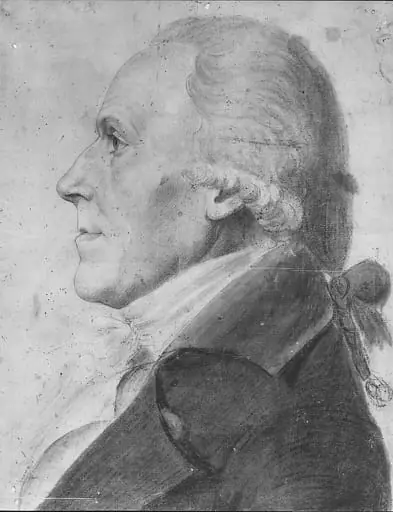
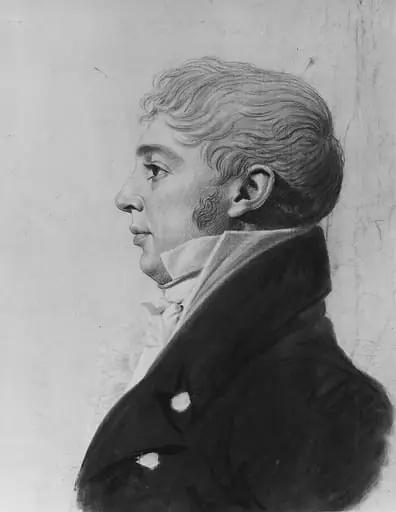
The sitter is shown with a pronounced nose, a sharply pointed chin, and hair swept upward in a voluminous style, suggesting contemporary fashion. He wears a high‑collared coat and a cravat, garments that signal his social standing and the conventions of gentlemanly dress around 1805. The direct gaze and detailed rendering convey a sense of personal presence and status.
Technique & Style
Charles B. J. Févret de Saint‑Mémin employed mezzotint to achieve rich tonal gradations, while fine engraving lines define facial details and clothing textures. The combination of these intaglio methods on wove paper allows for a deep black background that contrasts with the illuminated border, enhancing the three‑dimensional effect of the portrait.
History & Provenance
Created circa 1805, the print reflects Saint‑Mémin’s activity in the United States after his emigration from France. It was likely produced for private circulation among acquaintances of Smith, a common practice for portrait prints of the era. The work remains documented in several museum collections, confirming its attribution and dating.
Artist & collection

Artist
Charles Balthazar Julien Févret de Saint-Mémin
Charles Balthazar Julien Févret de Saint-Mémin (French pronunciation: ; 1770–1852) was a French portrait painter and museum director.