Artwork
Joseph Haskins
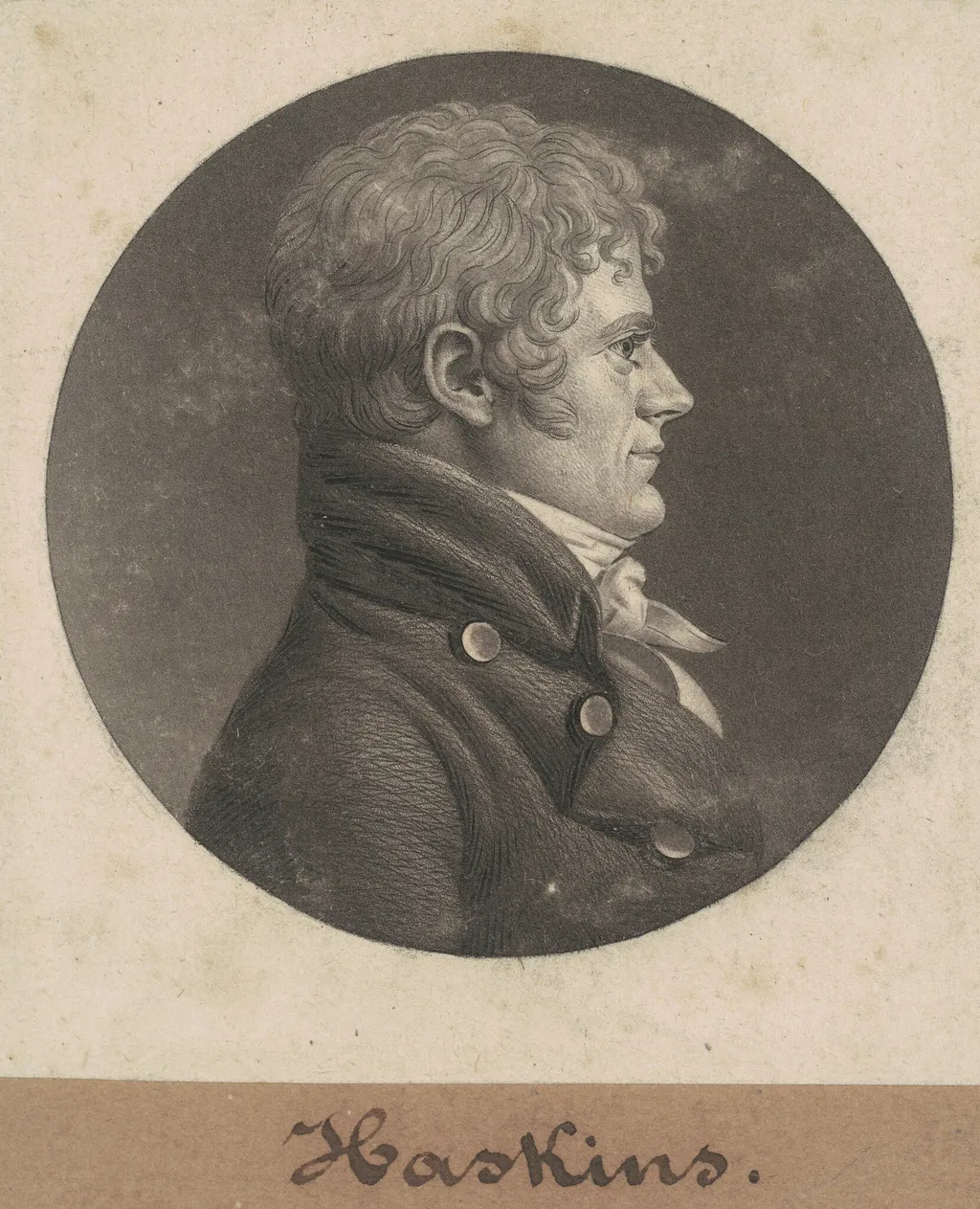
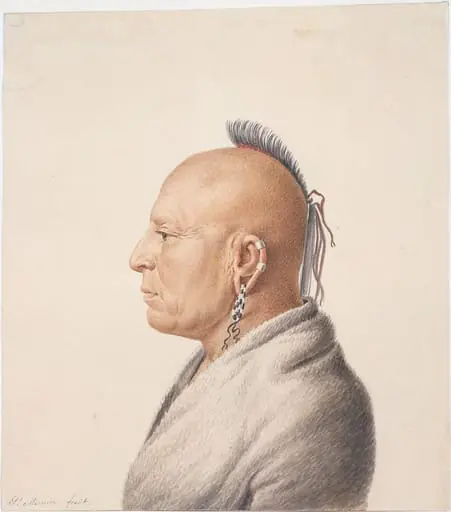
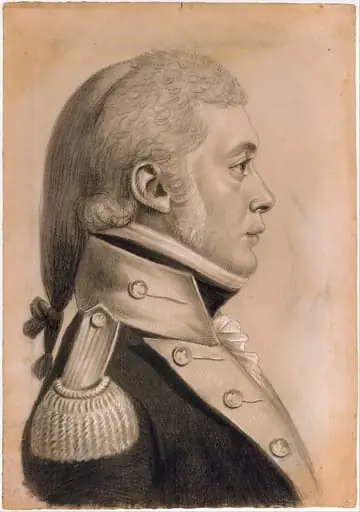
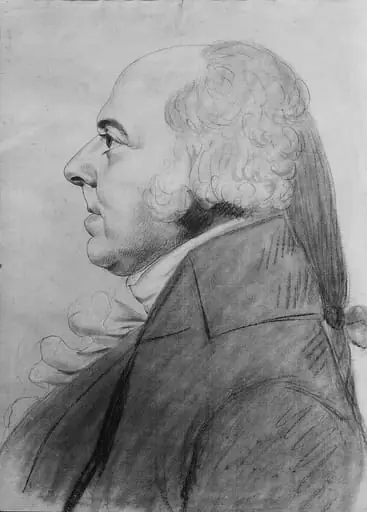
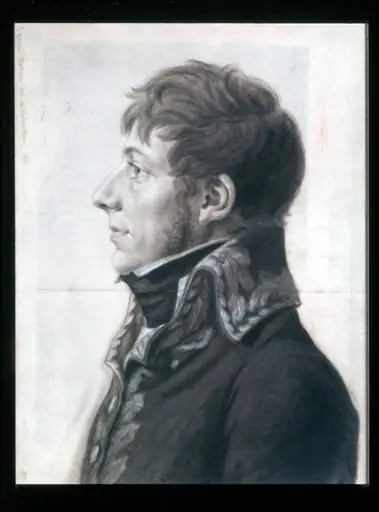
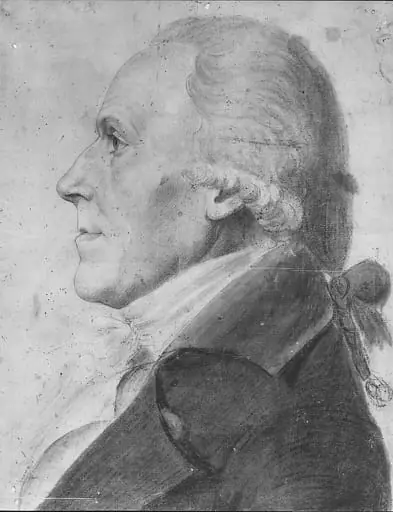
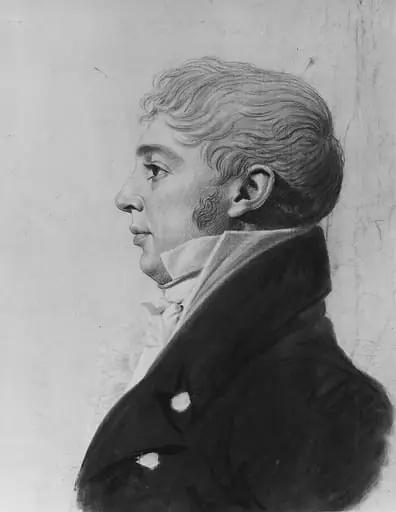
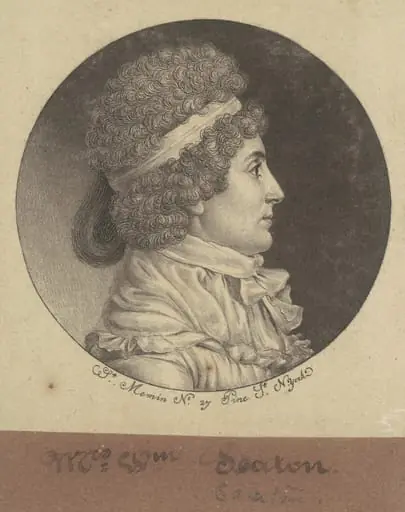
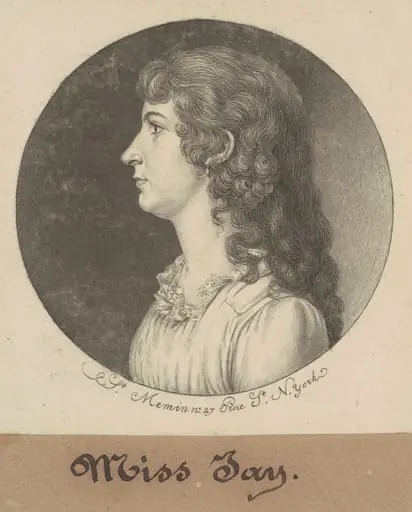
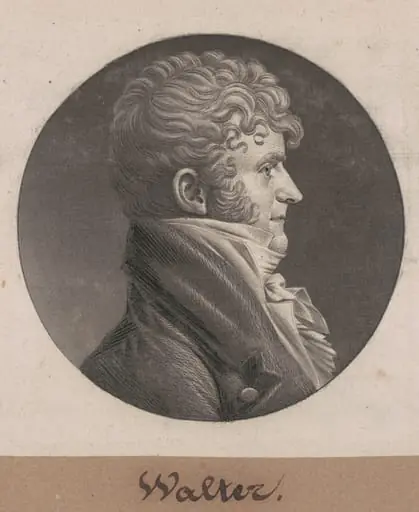
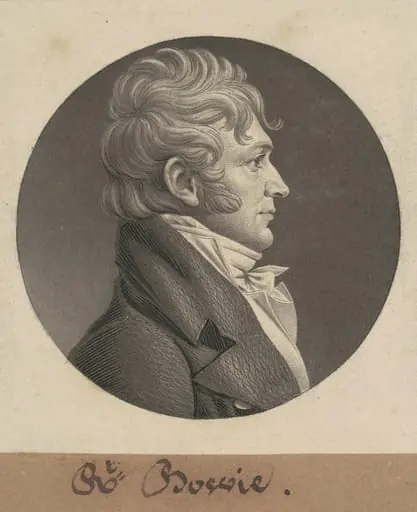
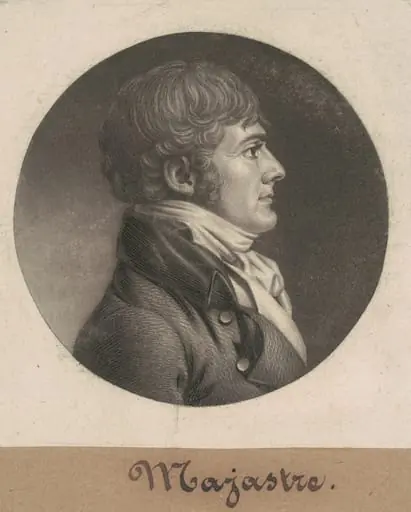
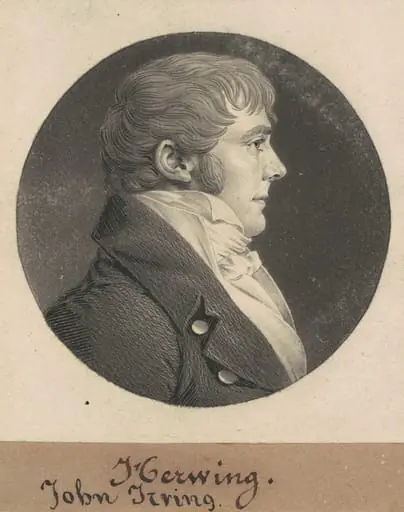
Joseph Haskins is an ink print by the Romanticist artist Charles Balthazar Julien Févret de Saint-Mémin. It dates from 1803 and is held in the collection of the National Gallery of Art. Charles B.
About this work
Overview
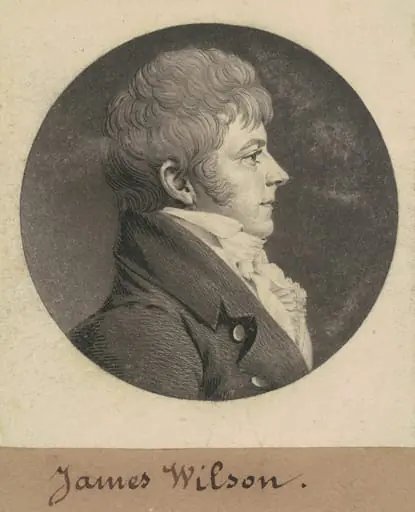
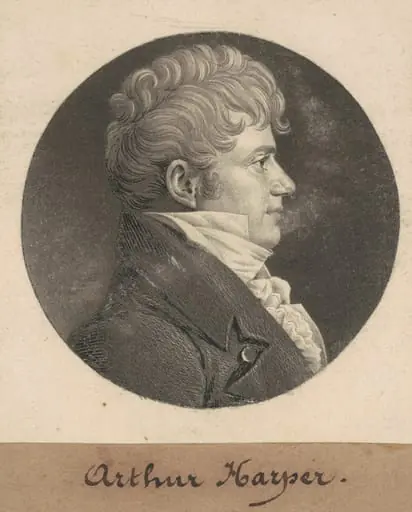
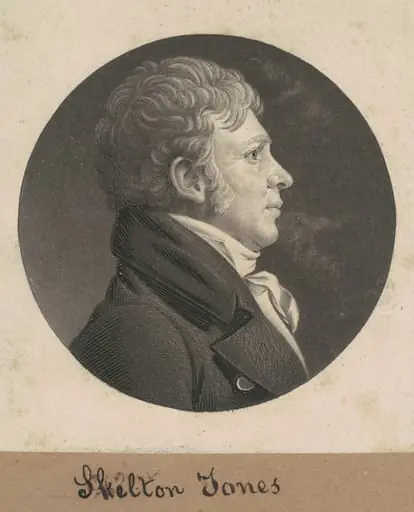
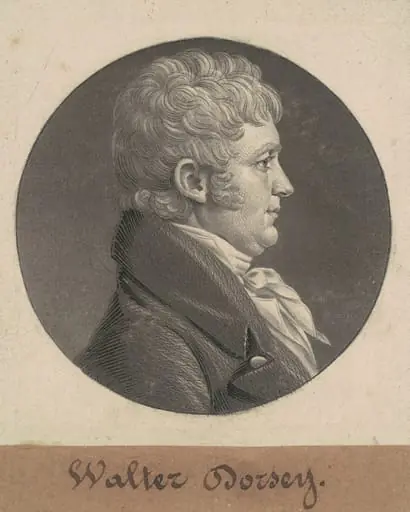
Charles B. J. Févret de Saint‑Mémin’s portrait of Joseph Haskins, executed in 1803, is a diminutive black‑and‑white print measuring just over five and a half centimeters on each side. The work presents a tightly cropped view of the sitter’s face, rendered with fine detail despite its modest dimensions.
Technique & Style
The image was produced by engraving a metal plate with a burin, then applying ink and pressing it onto wove paper that has been mounted on a brown backing. Saint‑Mémin employed dense cross‑hatching to achieve smooth tonal transitions, giving the portrait a quality reminiscent of a graphite drawing. The hand‑cut edges of the paper suggest each impression was individually finished.
History & Provenance
Created early in Saint‑Mémin’s American period, the print entered the collection of the National Gallery of Art in Washington, D.C., where it remains on view. Its provenance traces back to the artist’s practice of issuing small portrait prints for private patrons during his stay in the United States.
Context
The portrait belongs to a series of intimate mezzotint and engraving portraits that Saint‑Mémin produced after emigrating from France following the Revolution. These works offered a portable means of documenting notable individuals in the young republic, reflecting both the artist’s adaptation to new markets and the era’s demand for personal likenesses.
Artist & collection

Artist
Charles Balthazar Julien Févret de Saint-Mémin
Charles Balthazar Julien Févret de Saint-Mémin (French pronunciation: ; 1770–1852) was a French portrait painter and museum director.