Artwork
Joseph Mouchet
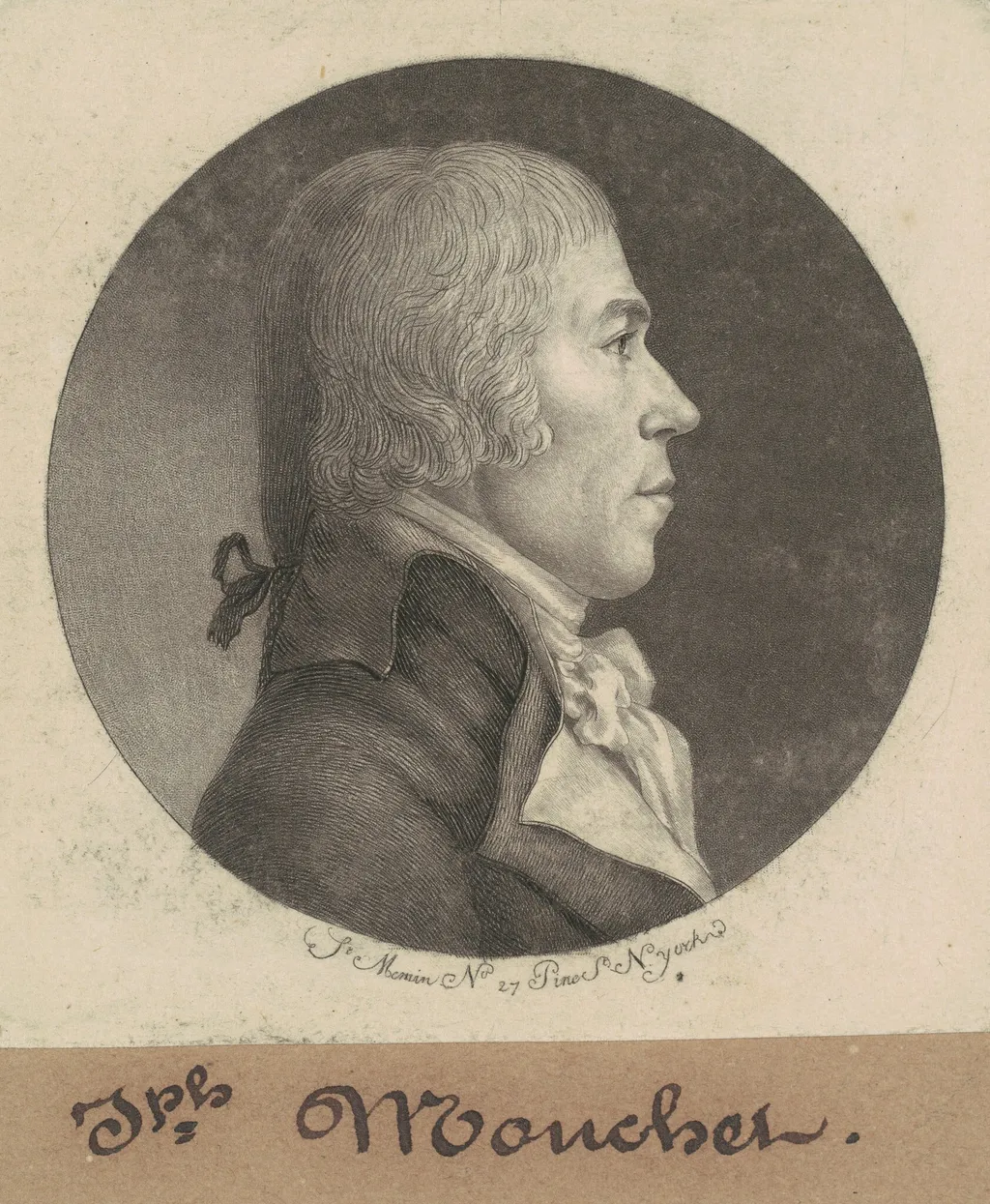
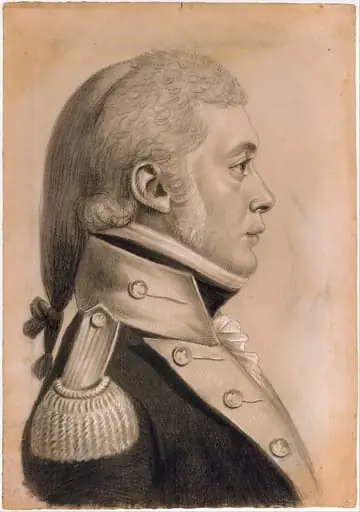
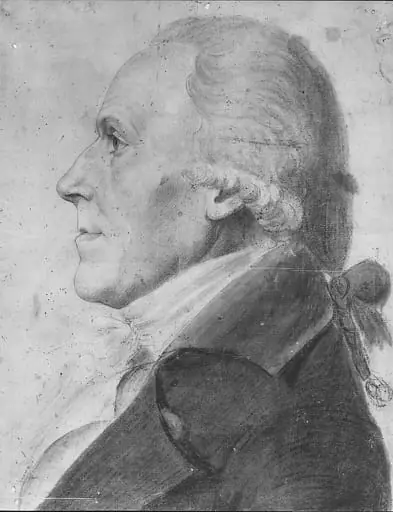
Joseph Mouchet is an ink print by the Romanticist artist Charles Balthazar Julien Févret de Saint-Mémin. It dates from 1798 and is held in the collection of the National Gallery of Art.
About this work
Overview
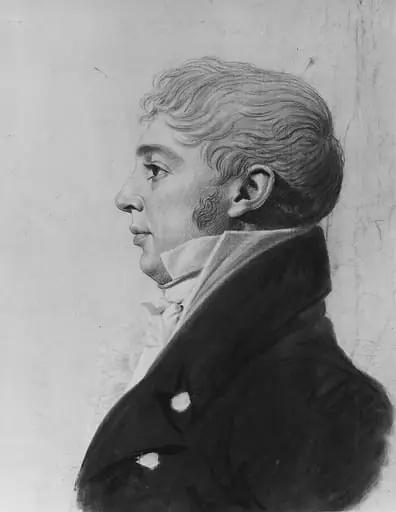
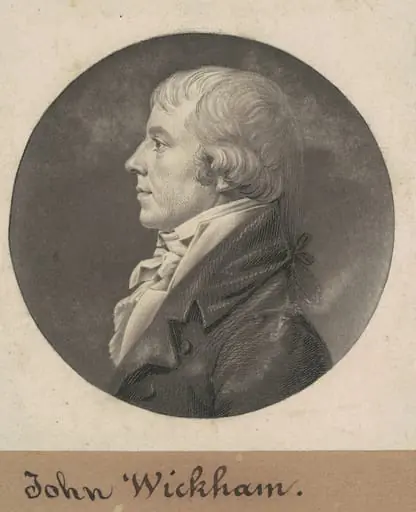
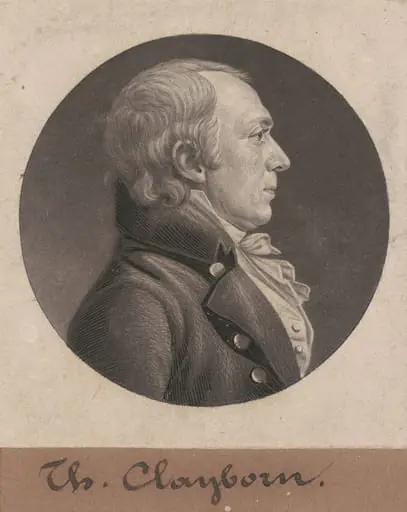
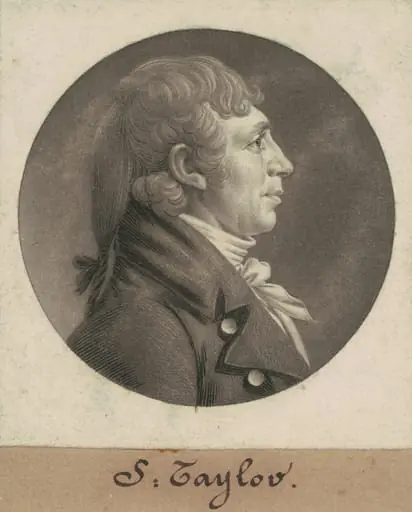
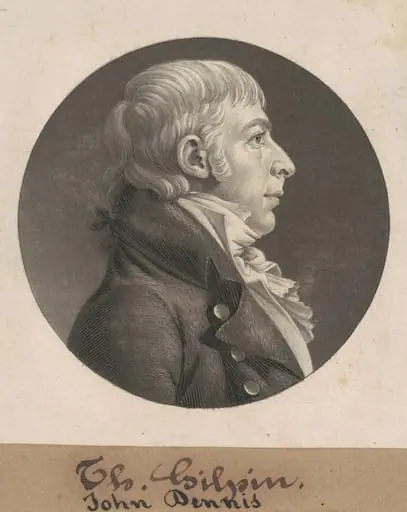
The image captures the subject’s upper torso, framed by a dark coat and crisp white cravat, emphasizing formal attire and restrained elegance.
This print depicts Joseph Mouchet in profile, rendered in mezzotint and engraving on wove paper, then mounted on a brown wove support. The work is part of the Corcoran Collection and attributed to Charles B. J. Févret de Saint-Mémin. No date is recorded, but the technique and style align with the artist’s portraiture from the early 19th century. The image captures the subject’s upper torso, framed by a dark coat and crisp white cravat, emphasizing formal attire and restrained elegance.
Subject & Meaning
Joseph Mouchet, likely a French or American figure of some social standing, is portrayed with quiet dignity. His profile view and formal dress suggest a desire to convey status and composure rather than individual expression. The absence of background or symbolic elements focuses attention on the subject’s presence, reflecting a tradition of portraiture that valued restraint and clarity over narrative.
Technique & Style
The artist employed mezzotint, a process beginning with a roughened metal plate to hold ink and produce deep tones, then selectively smoothed to create gradations of light. Engraving added fine linear details, particularly in the cravat and facial contours. This combination allowed for subtle transitions from shadow to highlight without outlines, achieving a soft, atmospheric quality unusual in linear printmaking of the period.
History & Provenance
The print entered the Corcoran Collection, which later became part of the National Gallery of Art in Washington, D.C. Its origins trace to Saint-Mémin’s time in the United States, where he produced numerous portraits of prominent individuals between 1793 and 1814. Though undated, the work fits within this active period of his career, likely created during his American residency.
Context
During the early 1800s, mezzotint was favored for portrait reproduction in both Europe and America due to its ability to render tonal nuance. Saint-Mémin, trained in France and active in the U.S., adapted this technique to meet demand for likenesses among the emerging American elite. His prints served as both personal mementos and markers of social identity in a period before photography.
Legacy
Saint-Mémin’s use of mezzotint helped establish the technique as a viable medium for American portraiture. His works, including this one, remain among the most refined examples of early 19th-century American printmaking. Though not widely known today, his prints contributed to the development of a visual culture that valued precise, intimate representations of individuals.
Artist & collection

Artist
Charles Balthazar Julien Févret de Saint-Mémin
Charles Balthazar Julien Févret de Saint-Mémin (French pronunciation: ; 1770–1852) was a French portrait painter and museum director.