Artwork
Joseph Whipple
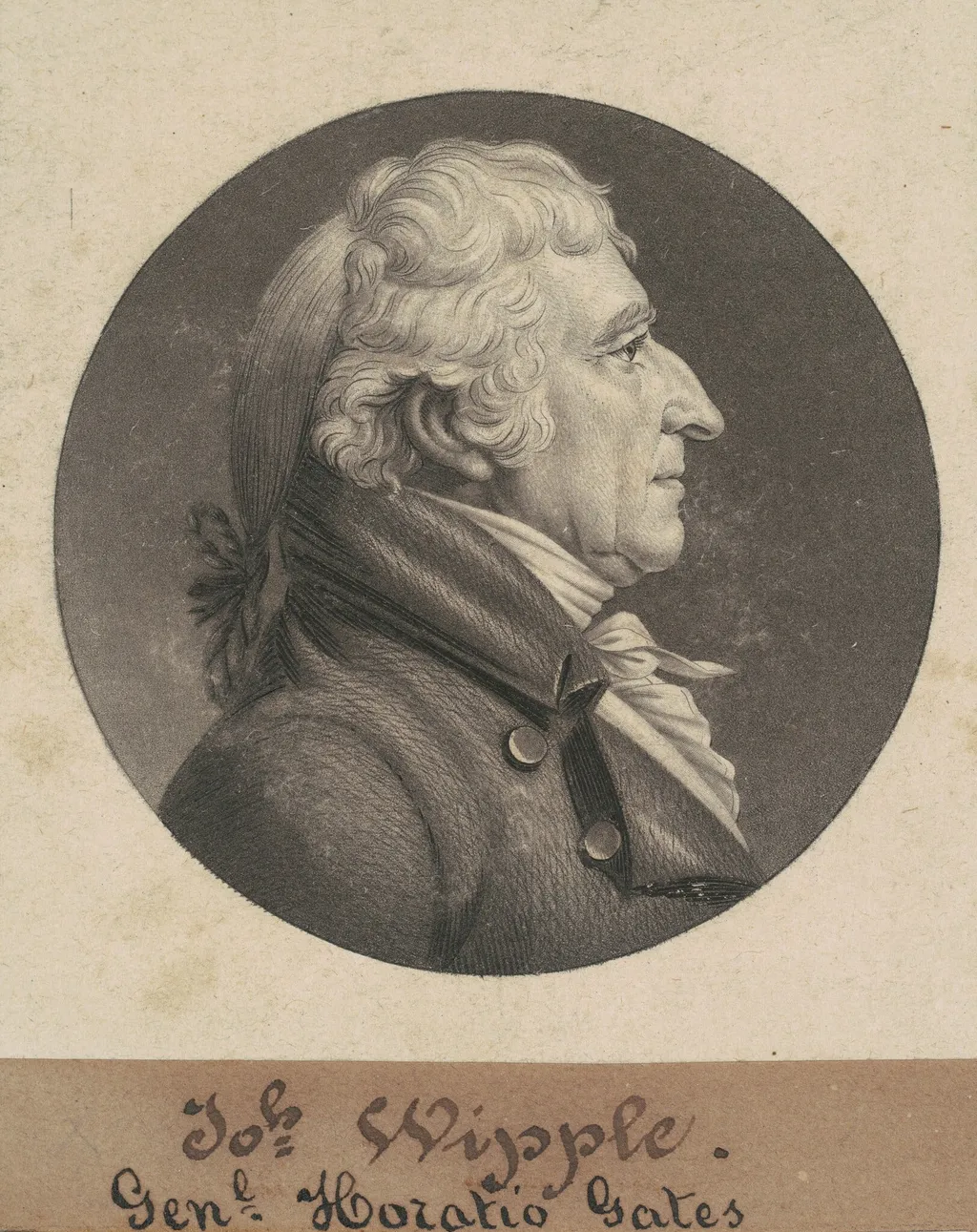
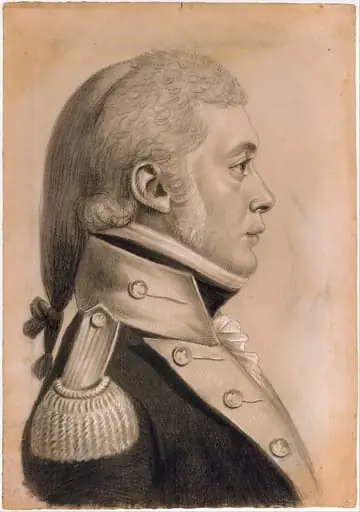
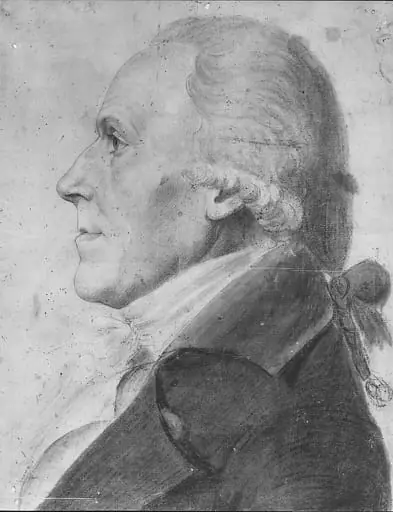
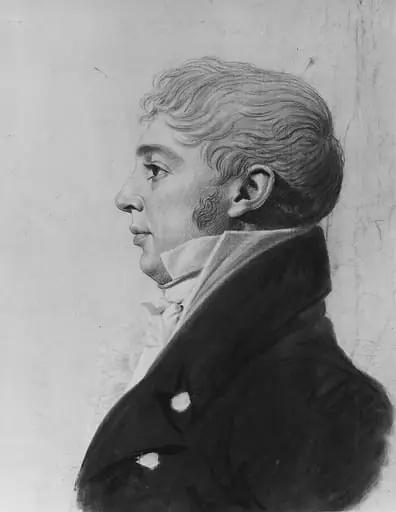
Joseph Whipple is an ink print by the Romanticist artist Charles Balthazar Julien Févret de Saint-Mémin. It dates from 1805 and is held in the collection of the National Gallery of Art.
About this work
Overview
Févret de Saint-Mémin, it belongs to the Corcoran Collection, reflecting the artist’s focus on American civic figures during his time in the United States.
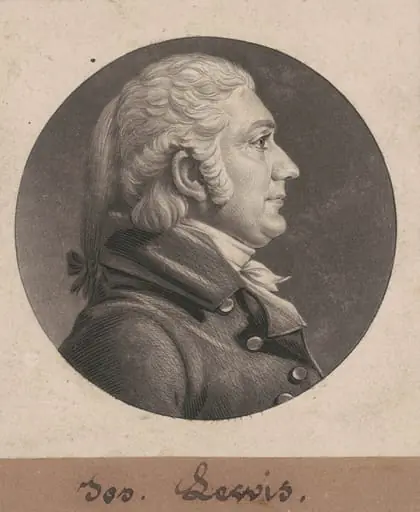
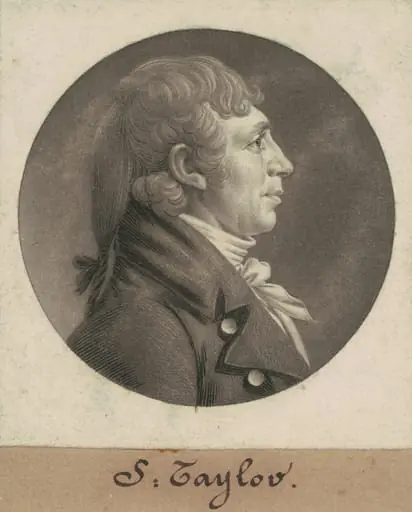
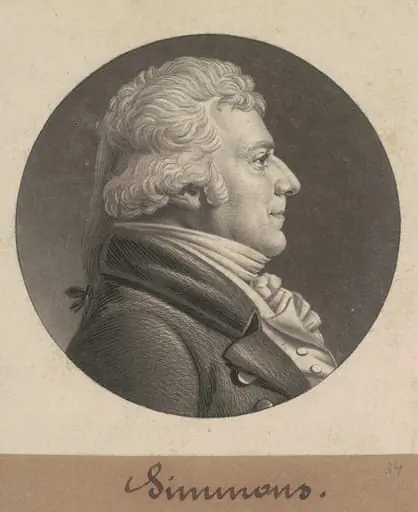
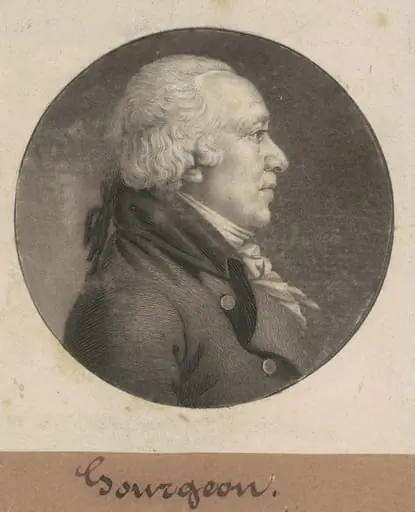
This 1805 print portrays Joseph Whipple in a side profile, rendered in mezzotint and engraving on wove paper, then mounted to a brown wove support. The technique allows for subtle tonal gradations, enhancing the portrait’s lifelike presence. Created by Charles B. J. Févret de Saint-Mémin, it belongs to the Corcoran Collection, reflecting the artist’s focus on American civic figures during his time in the United States.
Subject & Meaning
Joseph Whipple, a Boston merchant and public figure, is depicted with restrained formality, his high-collared coat and neatly tied cravat signaling social standing. The profile view, common in neoclassical portraiture, emphasizes dignity and composure rather than individual expression. The absence of background or symbolic elements directs attention to the sitter’s bearing, aligning with early 19th-century ideals of civic virtue.
Technique & Style
Saint-Mémin employed mezzotint for its capacity to produce rich, velvety blacks and delicate midtones, combined with fine engraving lines to define facial contours and fabric textures. The meticulous rendering of hair, collar, and cravat reflects the precision typical of his American period. The use of wove paper, then a modern material, contributed to a smoother, more uniform surface than laid paper, enhancing the portrait’s clarity.
History & Provenance
Created during Saint-Mémin’s residency in the United States (1793–1814), the portrait was made as part of a broader project to document prominent Americans. It entered the Corcoran Collection in the 19th century and remained there until the collection’s dispersal in 2014, after which it was transferred to the National Gallery of Art, preserving its institutional continuity.
Context
In early 19th-century America, portrait prints like this served as accessible records of civic leaders, often commissioned by families or institutions. Saint-Mémin’s method—using a physiognotrace to trace profiles before engraving—allowed for efficient, standardized likenesses. This portrait reflects a cultural moment when visual documentation of public figures was becoming a tool of national identity.
Legacy
Saint-Mémin’s mezzotints, including this portrait of Whipple, represent a significant chapter in American printmaking history. His technique influenced later portrait artists and helped establish a visual archive of early American elites. Though not widely known today, these works remain important for their role in shaping how civic identity was visually recorded during the nation’s formative years.
Artist & collection

Artist
Charles Balthazar Julien Févret de Saint-Mémin
Charles Balthazar Julien Févret de Saint-Mémin (French pronunciation: ; 1770–1852) was a French portrait painter and museum director.