Artwork
Marianne Welby DeButts
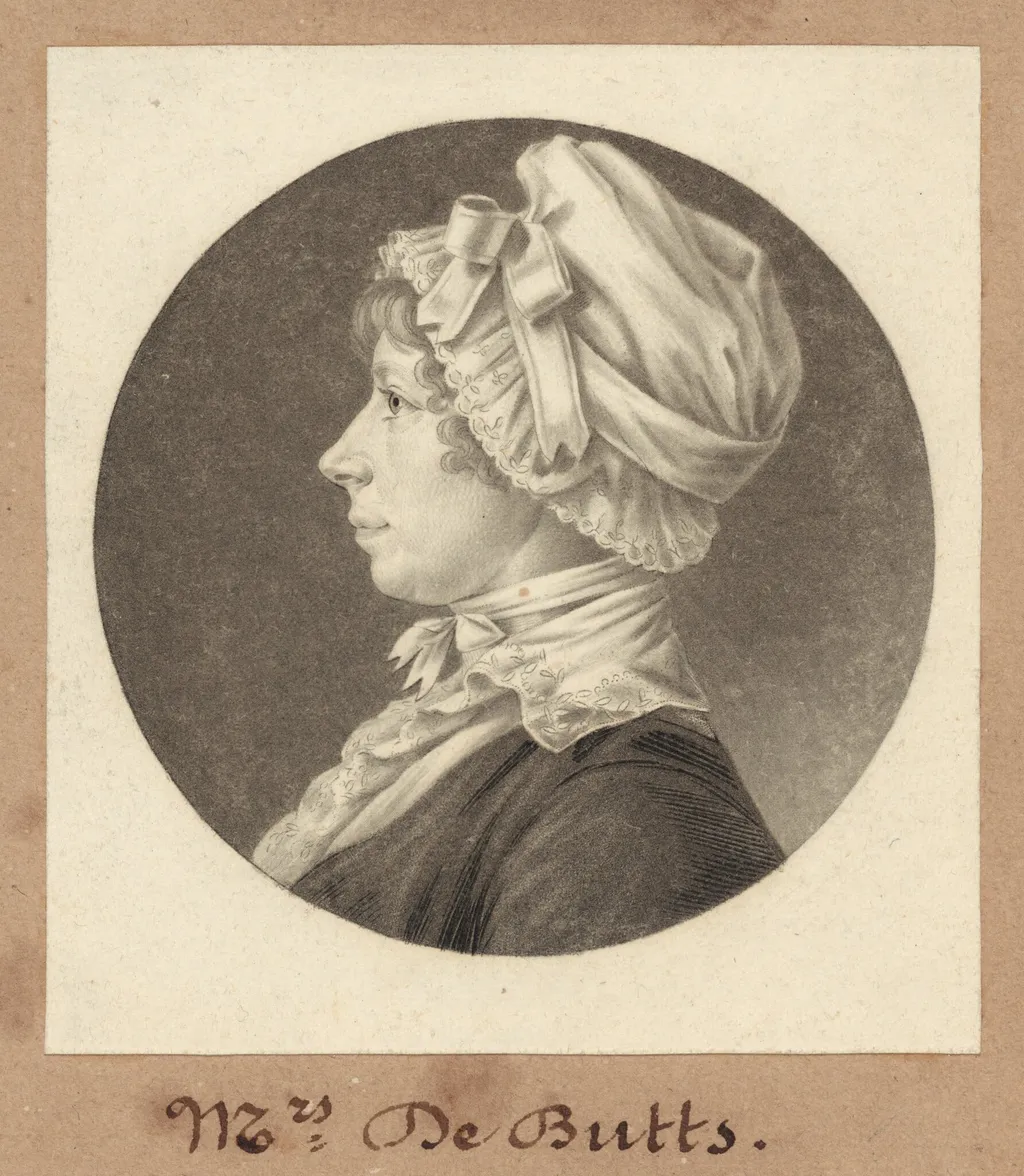
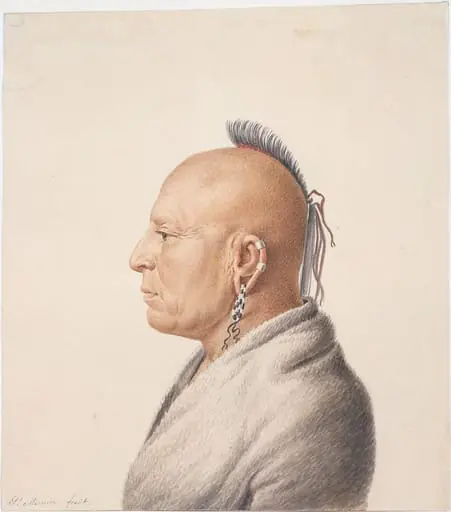
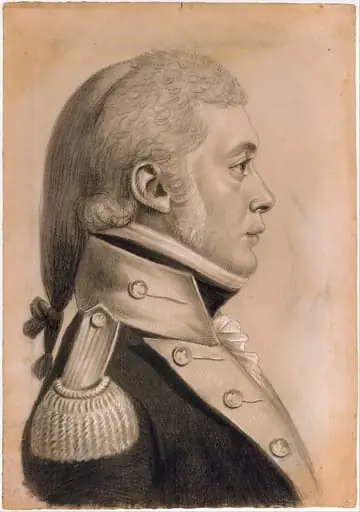
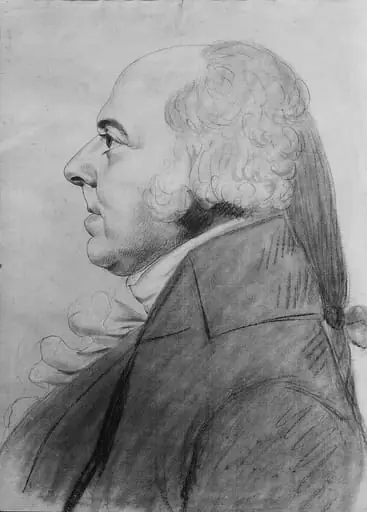
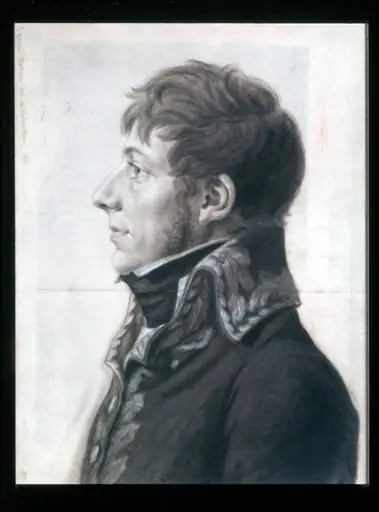
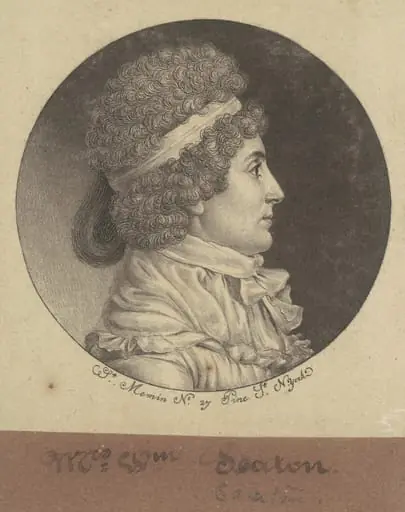
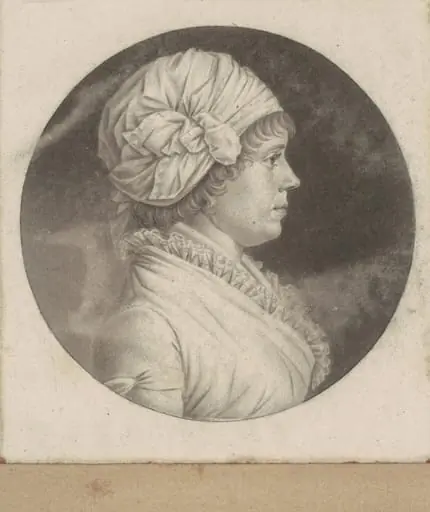
Marianne Welby DeButts is an ink print by the Romanticist artist Charles Balthazar Julien Févret de Saint-Mémin. It dates from 1805 and is held in the collection of the National Gallery of Art. This print, created by Charles B.
About this work
Overview
Its fine detail and tonal range reflect the technical precision characteristic of Saint-Mémin’s portraiture during the early 19th century.
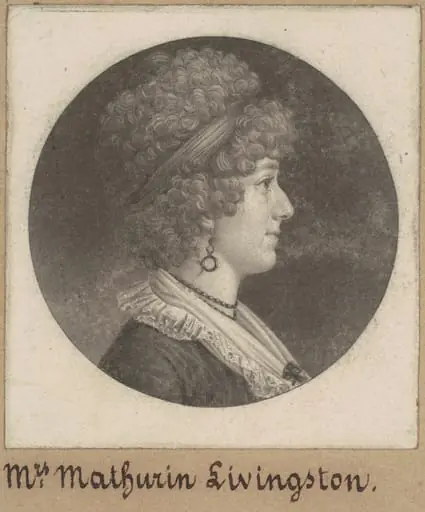
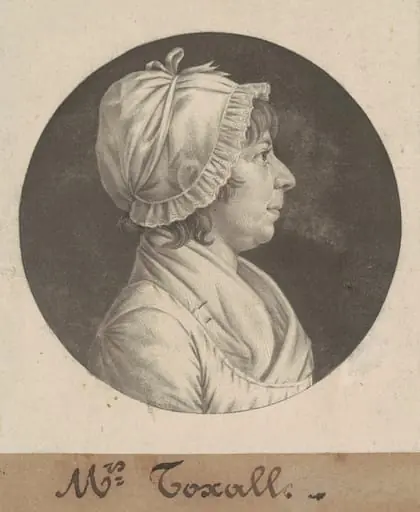
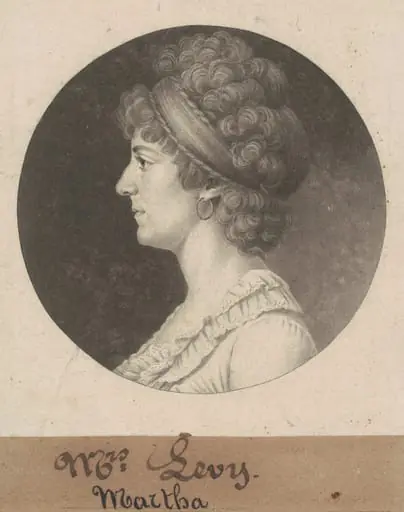
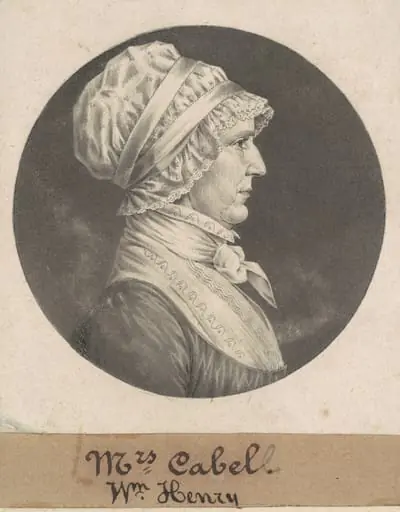
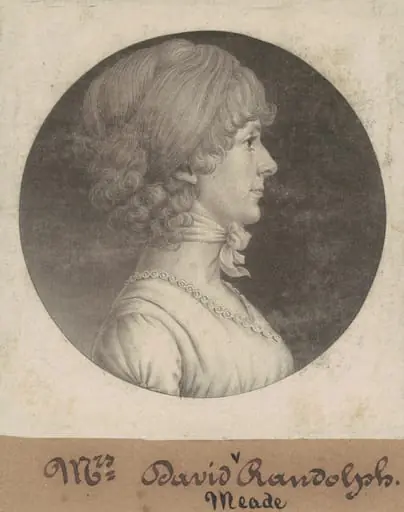
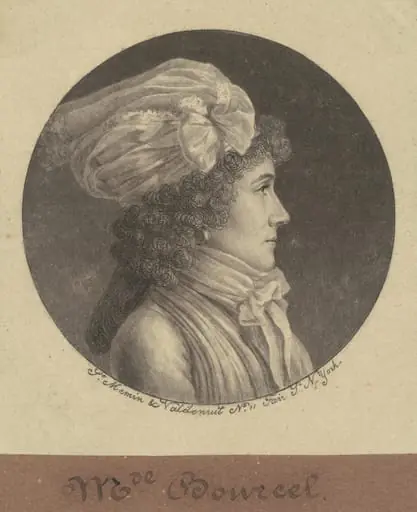
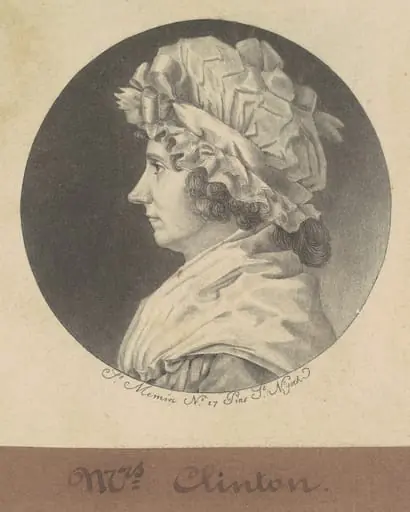
This print, created by Charles B. J. Févret de Saint-Mémin, portrays Marianne Welby DeButts in profile. Executed in mezzotint and engraving on wove paper, it was later mounted on brown wove paper for stability. The work belongs to the Corcoran Collection, now held by the National Gallery of Art. Its fine detail and tonal range reflect the technical precision characteristic of Saint-Mémin’s portraiture during the early 19th century.
Subject & Meaning
Marianne Welby DeButts, a woman of documented social standing, is depicted without adornment or symbolic context, emphasizing her presence as an individual rather than a figure of allegory. The profile view, common in portraiture of the period, conveys dignity and restraint. The absence of background or props directs focus to her facial structure and attire, suggesting a quiet formality typical of American elite portraiture at the time.
Technique & Style
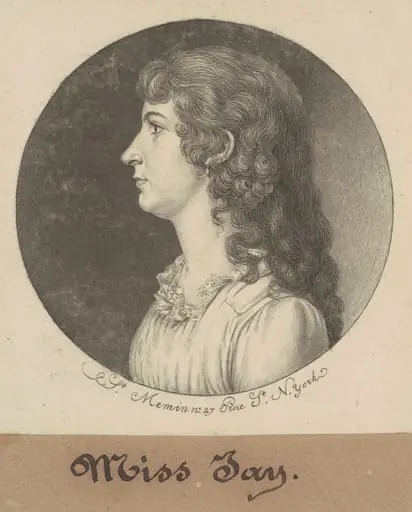
Saint-Mémin employed mezzotint to achieve subtle gradations of gray, a method that involves roughening a metal plate to hold ink, then smoothing areas to create highlights. Combined with fine engraving lines, this technique rendered the texture of fabric, hair, and skin with remarkable clarity. The result is a lifelike likeness achieved without color, relying entirely on tonal contrast and meticulous line work to convey volume and form.
History & Provenance
The print was produced in the early 1800s during Saint-Mémin’s time in the United States, where he gained recognition for his portrait engravings of prominent figures. It entered the Corcoran Collection in the late 19th century and was transferred to the National Gallery of Art in 1990 following the dissolution of the Corcoran Gallery. Its preservation reflects its value as a representative example of American printmaking from the Federal era.
Context
During the early 19th century, mezzotint was a favored medium for portraiture in the U.S., particularly among those seeking affordable yet refined likenesses. Saint-Mémin, a French émigré, brought European engraving traditions to American patrons. His work helped establish a visual record of the nation’s emerging social elite, blending European technique with American subject matter in a period of cultural consolidation.
Legacy
Saint-Mémin’s portraits, including this one, remain significant for their technical mastery and historical documentation. They offer insight into the aesthetics of identity in early America and the role of printmaking in disseminating images of social status. Though not widely known today, his works are studied for their contribution to the development of American graphic arts and the transition from handcrafted portraiture to reproducible imagery.
Artist & collection

Artist
Charles Balthazar Julien Févret de Saint-Mémin
Charles Balthazar Julien Févret de Saint-Mémin (French pronunciation: ; 1770–1852) was a French portrait painter and museum director.