Artwork
Marie-Victoire Févret de Saint-Mémin
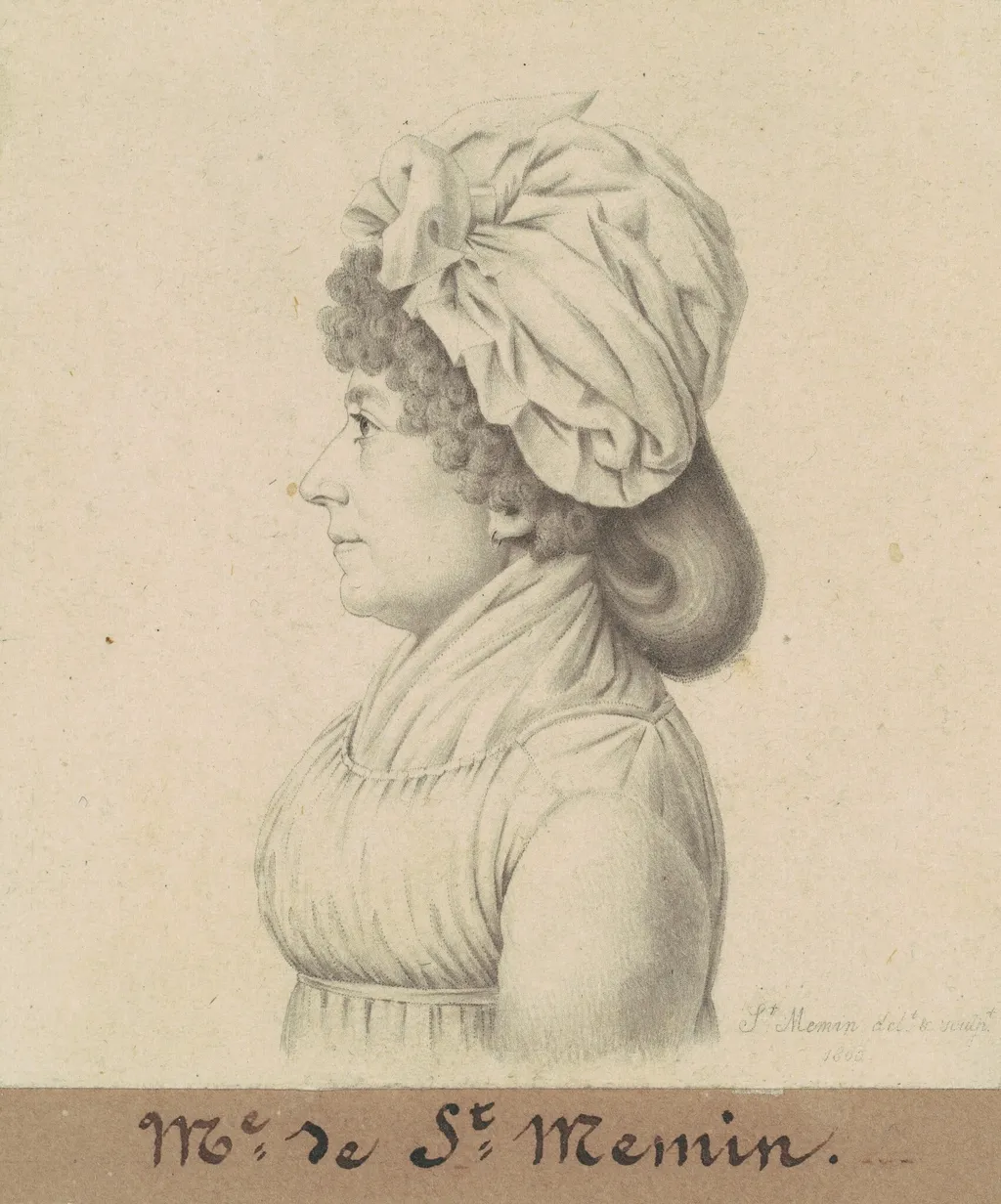
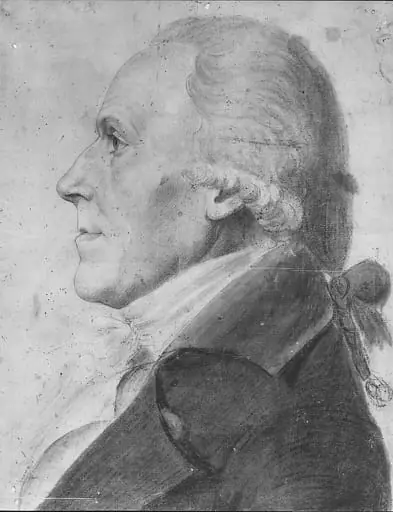
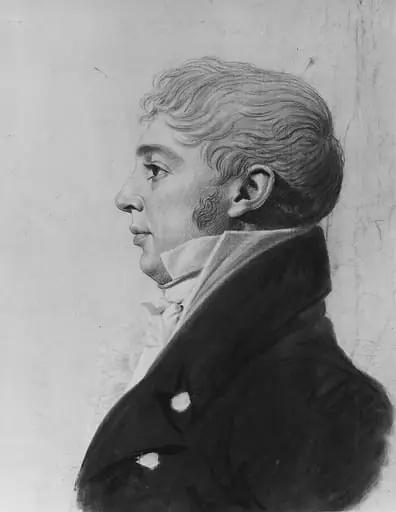
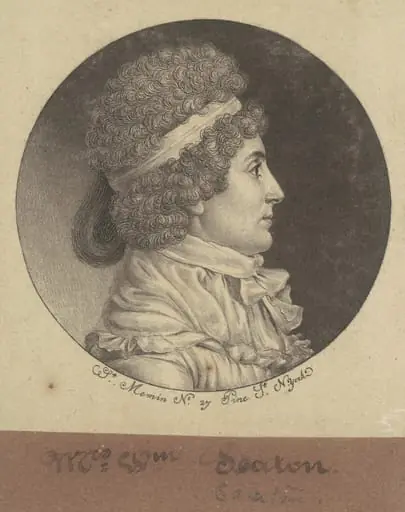
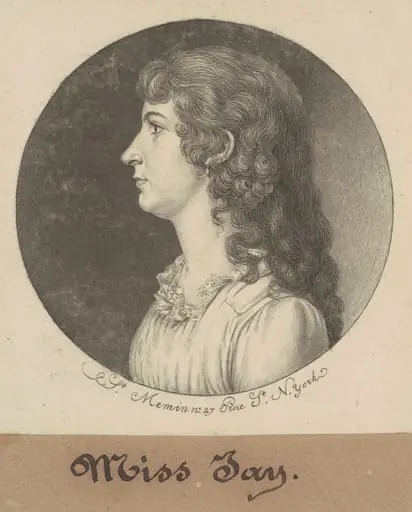
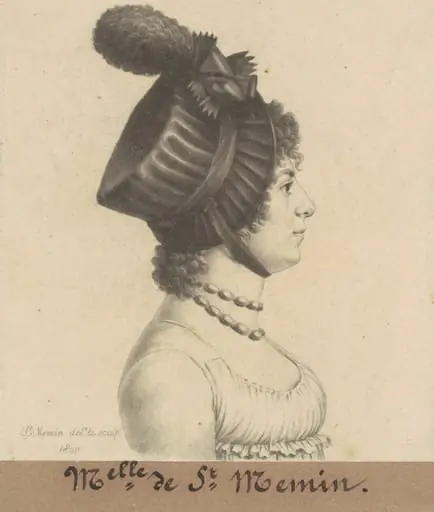
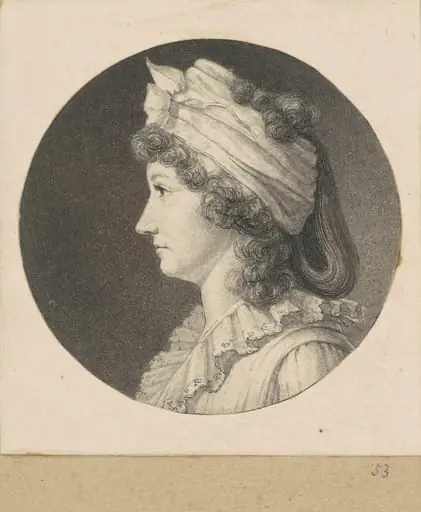
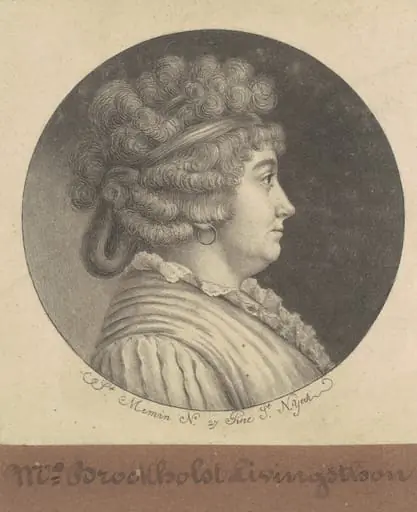
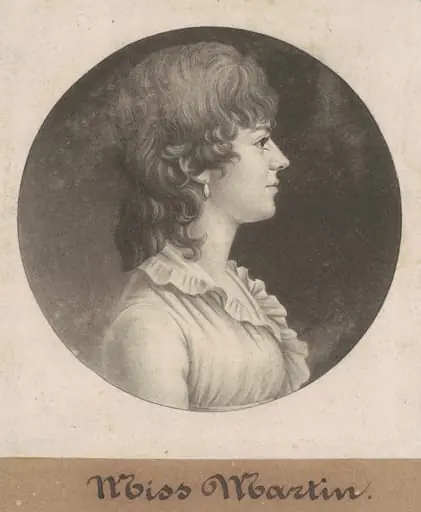
Marie-Victoire Févret de Saint-Mémin is an ink print by the Romanticist artist Charles Balthazar Julien Févret de Saint-Mémin. It dates from 1799 and is held in the collection of the National Gallery of Art. Created in 1799, this mezzotint and engraving portrays a woman in a dark, high‑collared dress.
About this work
Overview
Created in 1799, this mezzotint and engraving portrays a woman in a dark, high‑collared dress. Executed on wove paper that has been mounted to a brown backing, the print measures approximately 6.19 inches in height, with an irregular width. It is part of the collection of the National Gallery of Art.
Subject & Meaning
The sitter is presented with a softly illuminated face, her features rendered in delicate gradations that convey a calm, dignified presence. The attire, a dark gown with an elaborate lace collar, reflects contemporary fashion of the late eighteenth century, suggesting the portrait’s function as a genteel representation of personal or familial identity.
Technique & Style
The artist employed cross‑hatching and fine line work to achieve subtle tonal transitions, a hallmark of mezzotint and engraving practices of the period. These methods allow for smooth shadows and a gentle glow around the facial features, creating a lifelike effect that was widely favored in portrait prints of the 1700s.
History & Provenance
Attributed to Charles B. J. Févret de Saint‑Mémin, the work entered the National Gallery of Art’s holdings through acquisition, though specific details of its earlier ownership remain limited. Its creation date and medium align with the artist’s known output during the post‑Revolutionary era.
Context
Printed at the close of the eighteenth century, the portrait reflects the broader European interest in reproducible portraiture, which allowed images of individuals to circulate beyond the confines of oil painting. The use of mezzotint provided a means to capture nuanced lighting and texture, catering to a market for affordable yet refined likenesses.
Artist & collection

Artist
Charles Balthazar Julien Févret de Saint-Mémin
Charles Balthazar Julien Févret de Saint-Mémin (French pronunciation: ; 1770–1852) was a French portrait painter and museum director.