Artwork
Robert Gilmor
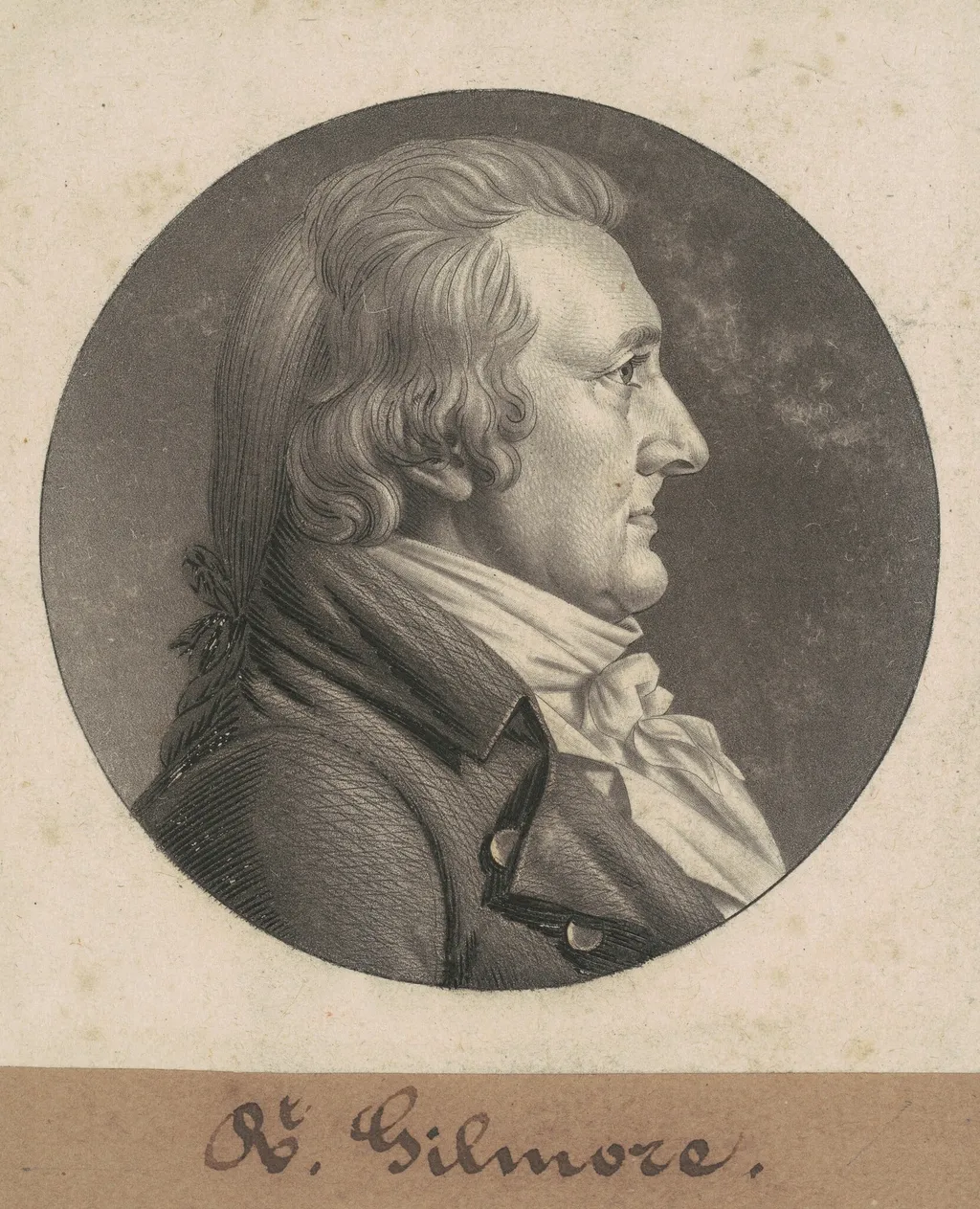
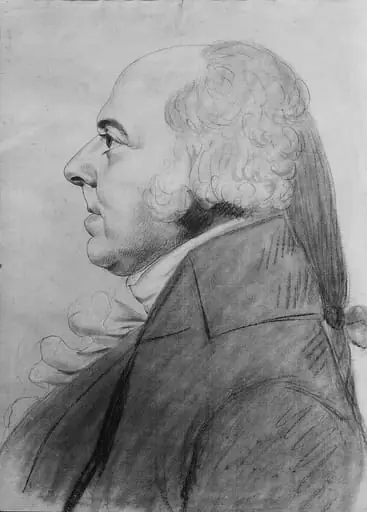
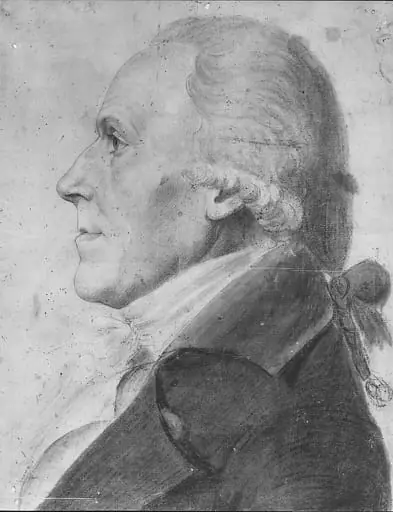
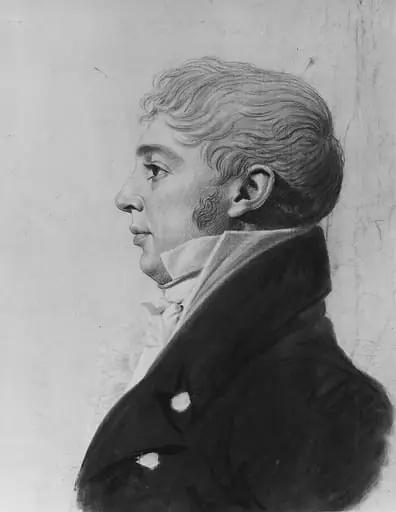
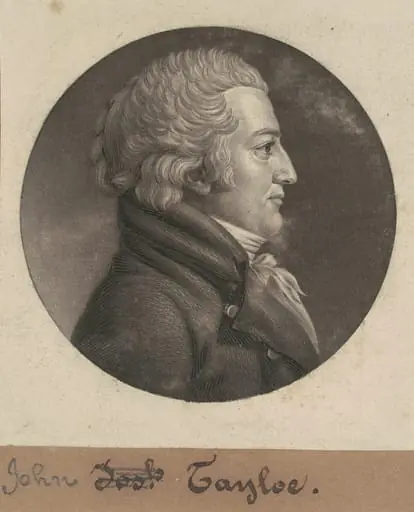
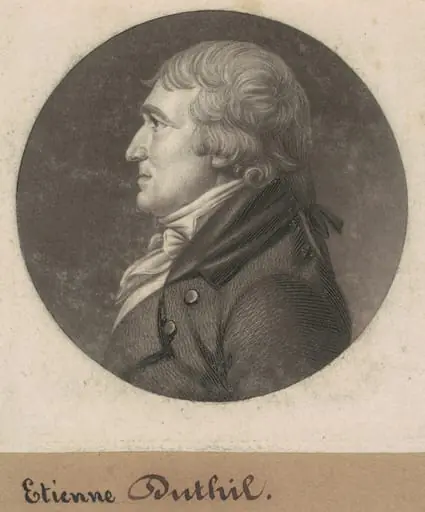
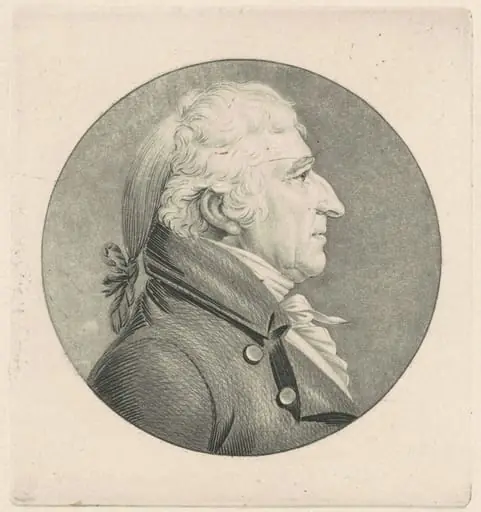
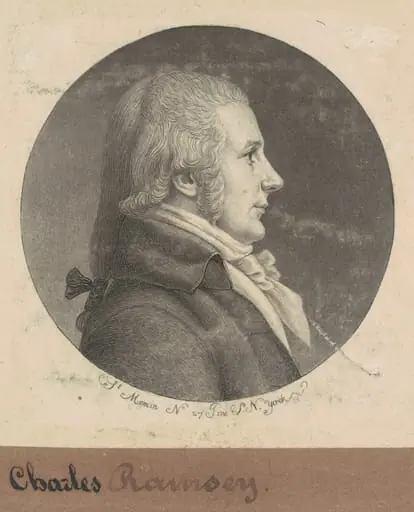
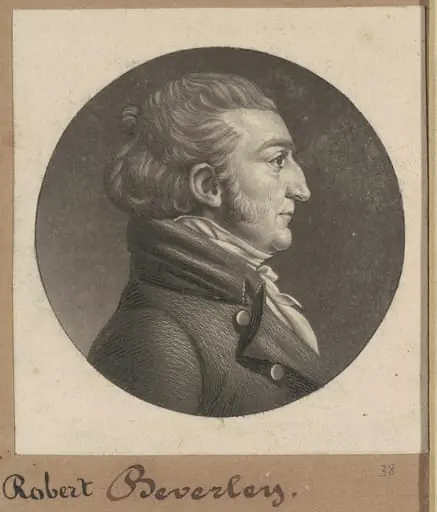
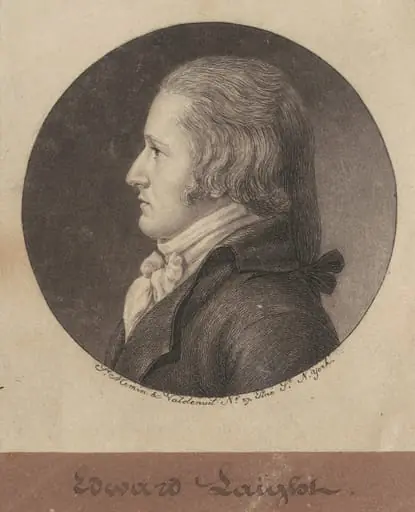
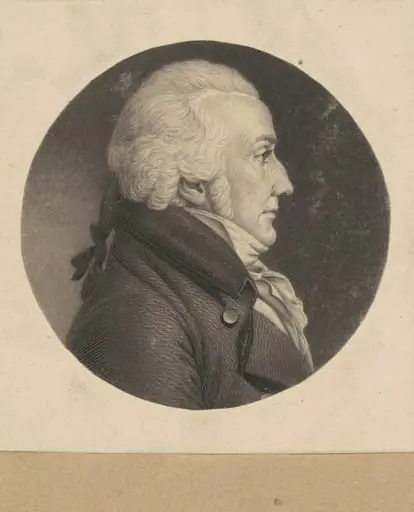
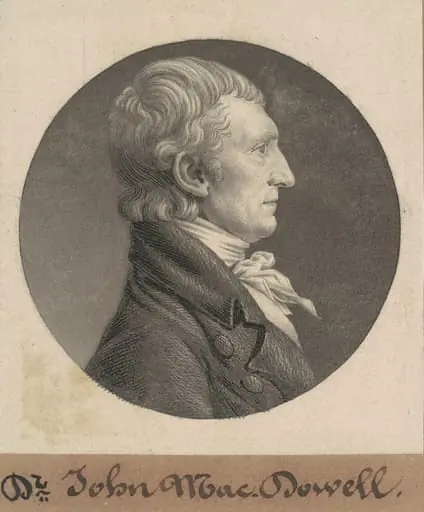
Robert Gilmor is an ink print by the Romanticist artist Charles Balthazar Julien Févret de Saint-Mémin. It dates from 1803 and is held in the collection of the National Gallery of Art. Charles B.
About this work
Overview
Charles B. J. Févret de Saint‑Mémin’s 1803 portrait of Robert Gilmor is a diminutive print measuring just over five and a half centimeters square. Executed in black on wove paper that has been mounted to a brown wove backing, the work combines mezzotint and engraving to render a finely detailed likeness.
Subject & Meaning
The image presents a close‑up view of Gilmur’s face, captured with a calm, introspective expression. While the portrait offers no overt symbolism, its intimate scale and precise rendering suggest a personal commemoration of the merchant’s status and character.
Technique & Style
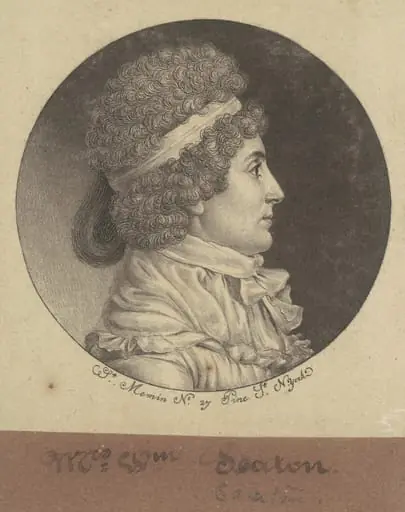
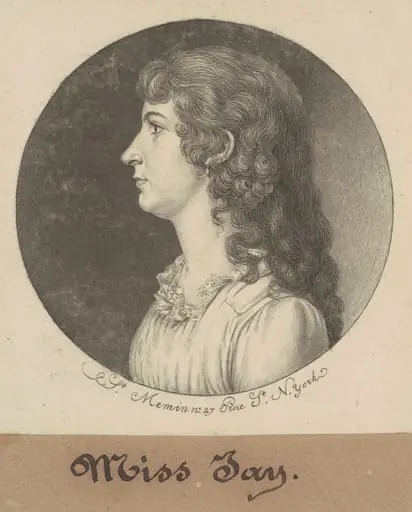
Saint‑Mémin employed a hybrid process: mezzotint for the rich tonal gradations and engraving for the fine linear details. The artist incised minute lines and stippled dots into a metal plate, producing a textured surface that translates into subtle shading and crisp facial features when printed.
History & Provenance
Created in the early nineteenth century, the print entered the Corcoran Collection, where it remains catalogued as part of the museum’s holdings of early American portraiture. Its documented provenance traces directly from the artist’s studio to the institutional collection.
Context
The work reflects a period when American patrons commissioned European‑trained artists to produce portrait prints that could be reproduced and shared. Saint‑Mémin, a French émigré, brought sophisticated printmaking methods to the United States, influencing local portraiture practices.
Artist & collection

Artist
Charles Balthazar Julien Févret de Saint-Mémin
Charles Balthazar Julien Févret de Saint-Mémin (French pronunciation: ; 1770–1852) was a French portrait painter and museum director.