Artwork
Unidentified Man
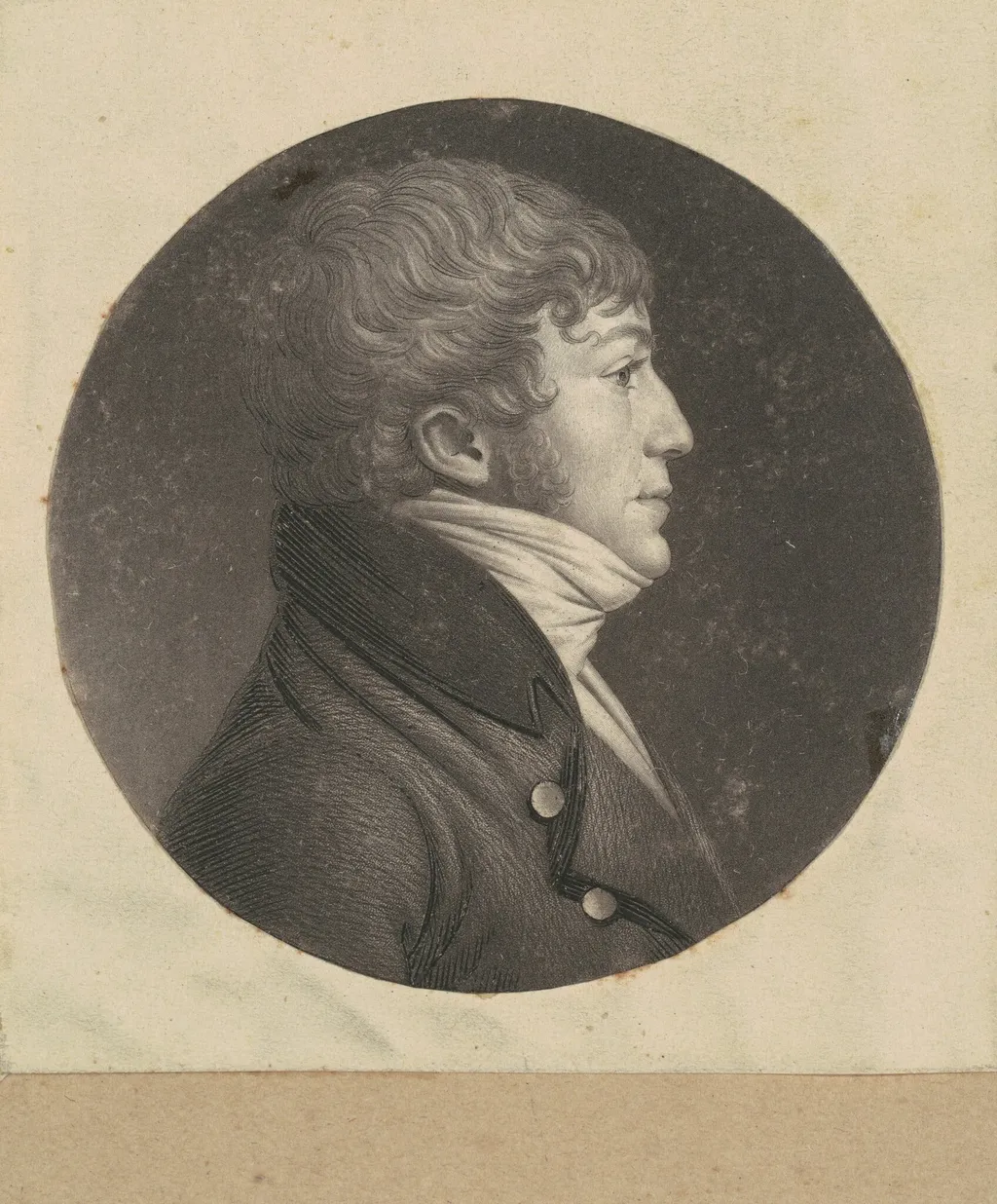
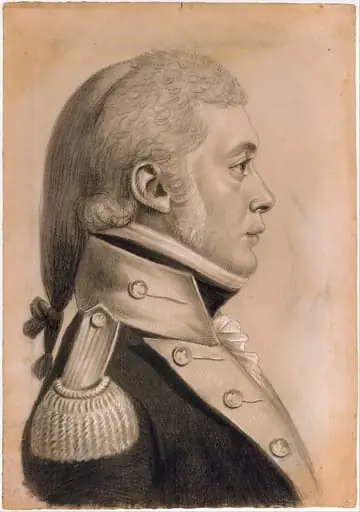
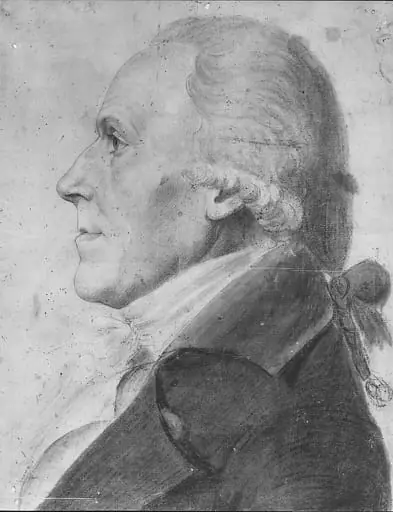
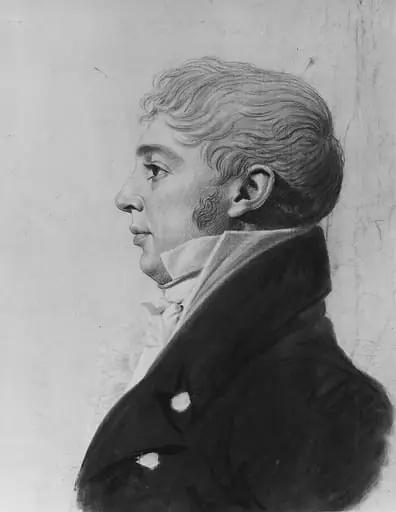
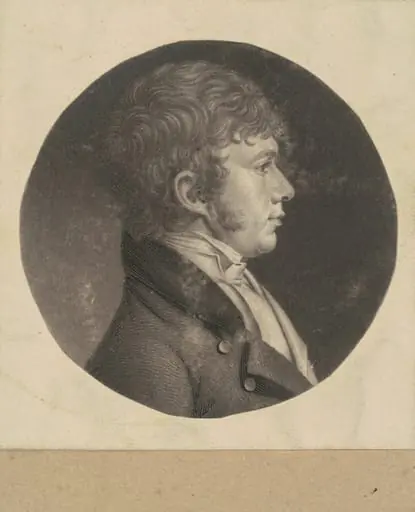
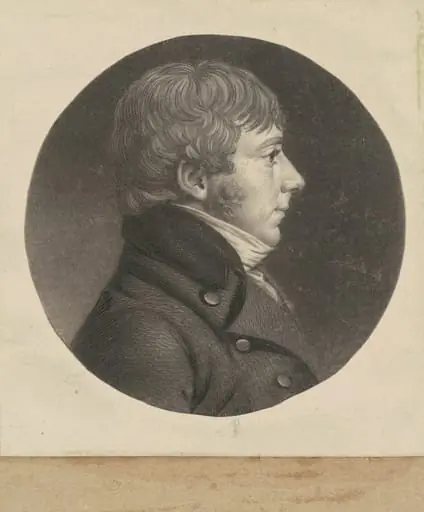
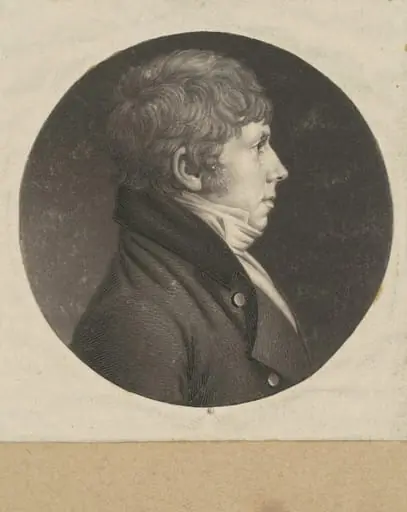
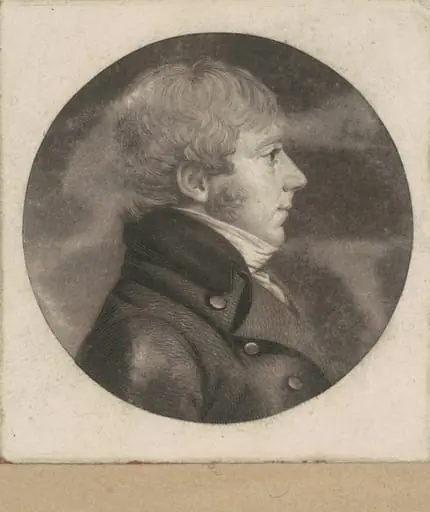
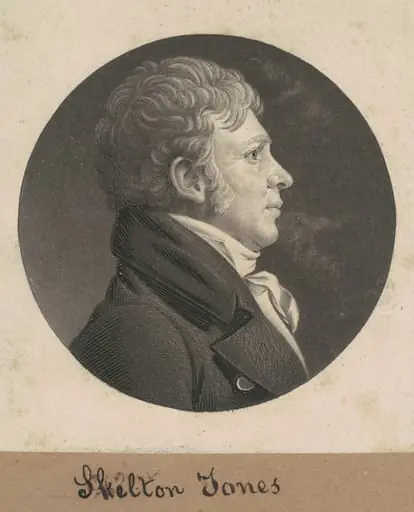
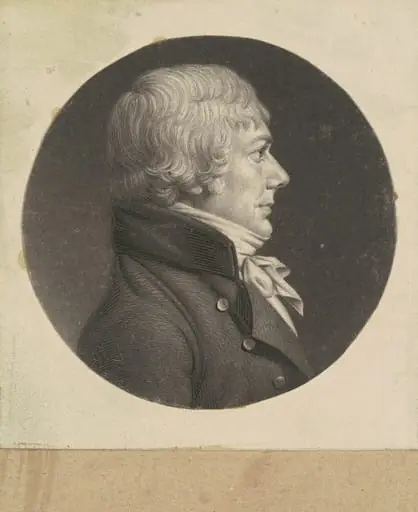
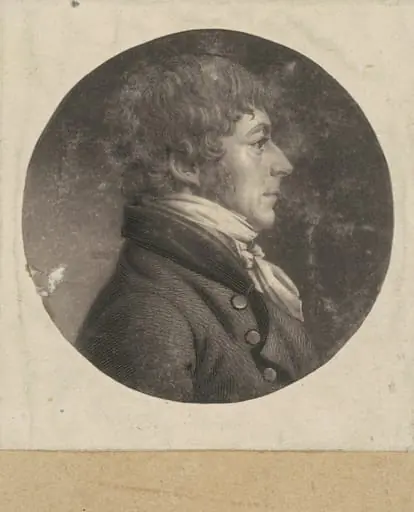
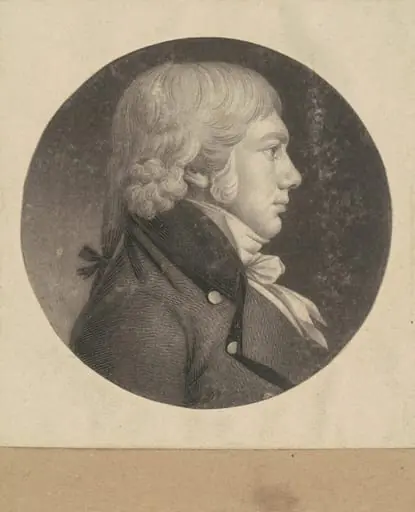
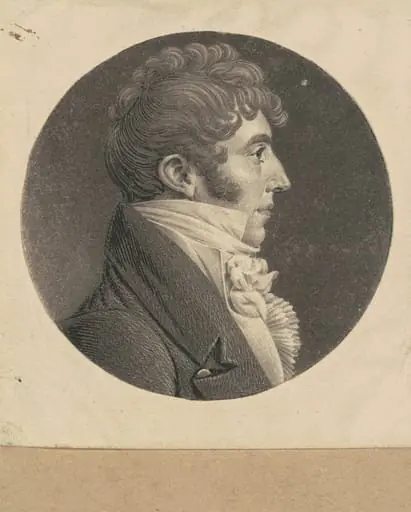
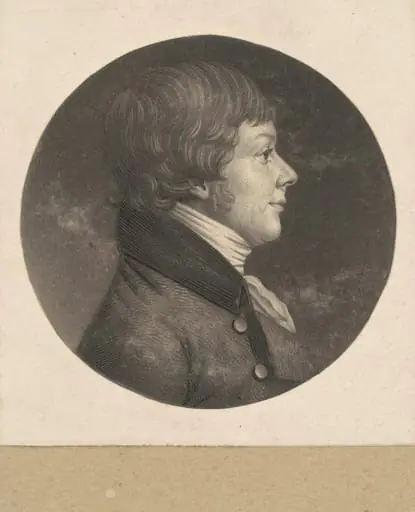
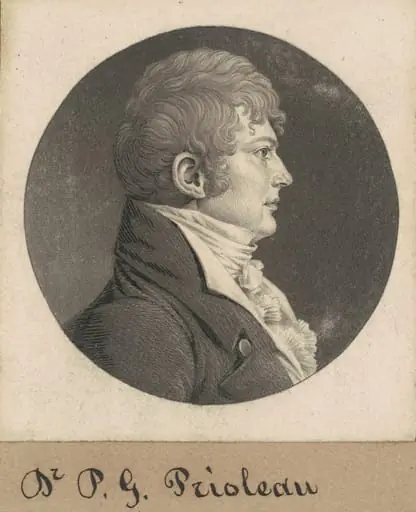
Unidentified Man is an ink print by the Romanticist artist Charles Balthazar Julien Févret de Saint-Mémin. It dates from 1800 and is held in the collection of the National Gallery of Art. This small, circular print presents a solitary male figure rendered in profile.
About this work
Overview
This small, circular print presents a solitary male figure rendered in profile. The subject is shown from the shoulders upward, clothed in a dark coat complemented by a light cravat. Executed in black on wove paper that has been mounted to a brown wove backing, the image dates from around the turn of the nineteenth century.
Subject & Meaning
The work focuses exclusively on the sitter’s head and upper torso, emphasizing the turn of the face to the side. The attire—a somber coat paired with a contrasting cravat—suggests a gentleman of modest standing, while the lack of identifying attributes leaves the identity open to speculation, underscoring the portrait’s generic, almost typological character.
Technique & Style
Created through a combination of mezzotint and engraving, the print achieves a range of tonal values despite being rendered entirely in black. The mezzotint process supplies soft, velvety shadows, while the engraved lines define the crisp edges of the coat and cravat. The circular format, known as a “tondo,” was a popular choice for intimate portraiture in the period.
History & Provenance
The image originates from the oeuvre of Charles B. J. Févret de Saint‑Mémin, a French artist active in the late eighteenth and early nineteenth centuries. Produced circa 1800, it forms part of a broader series of small, circular portraits that the artist issued, likely for private collectors seeking affordable likenesses.
Context
During the post‑Revolutionary era, demand grew for modest, reproducible portrait formats that could be distributed beyond the aristocratic market. Saint‑Mémin’s use of mezzotint and engraving allowed multiple copies to be made, catering to a burgeoning middle class eager for personal representation without the expense of painted commissions.
Artist & collection

Artist
Charles Balthazar Julien Févret de Saint-Mémin
Charles Balthazar Julien Févret de Saint-Mémin (French pronunciation: ; 1770–1852) was a French portrait painter and museum director.