Artwork
Unidentified Man
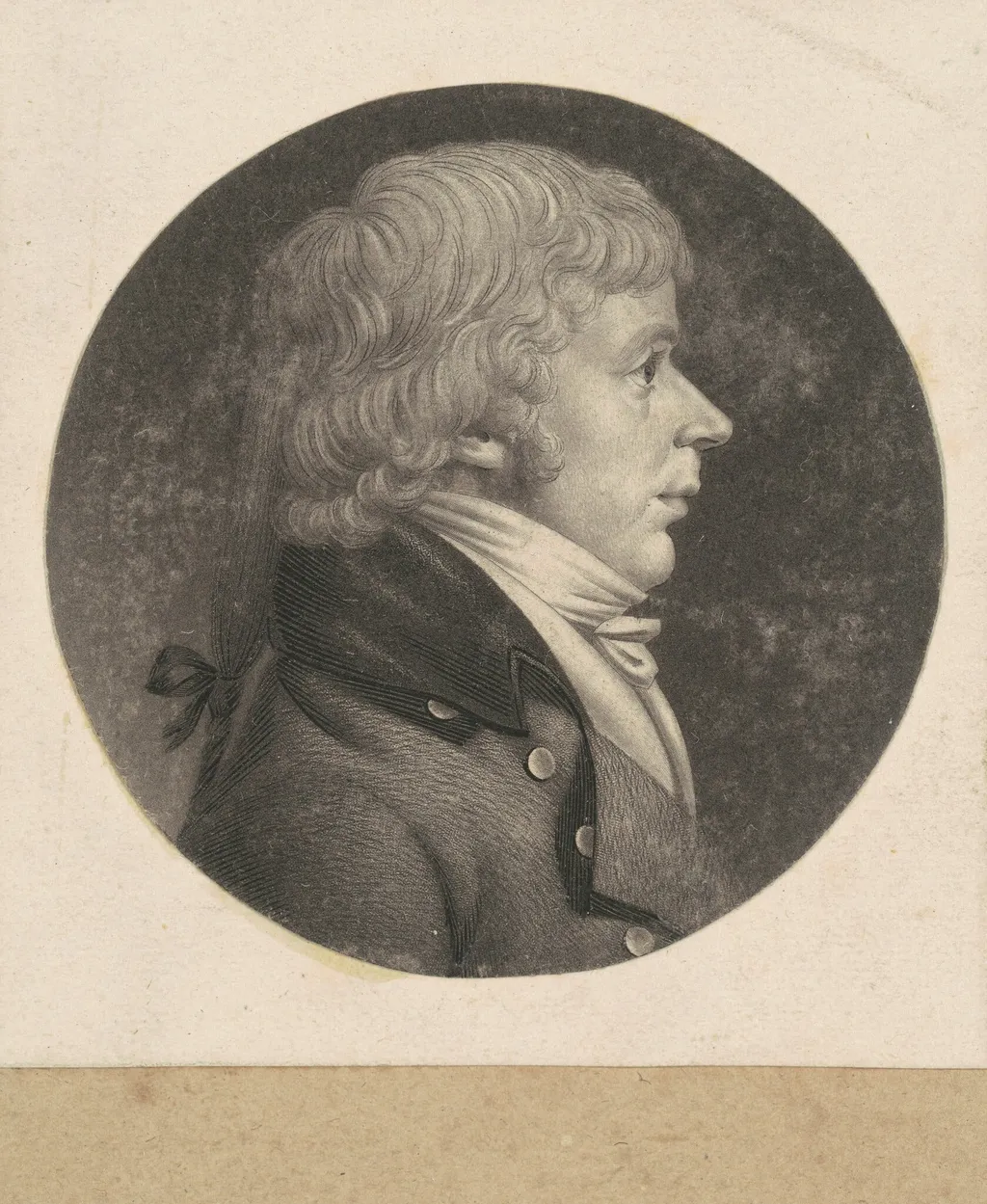
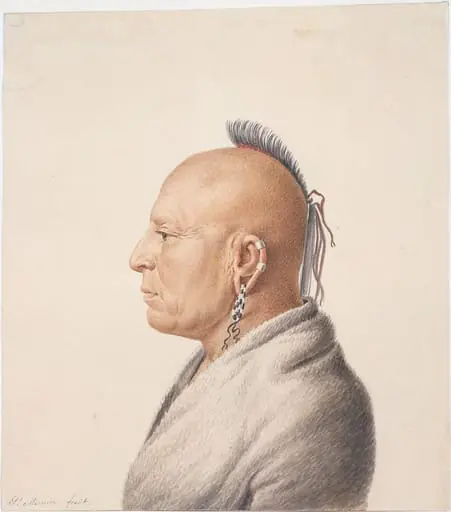
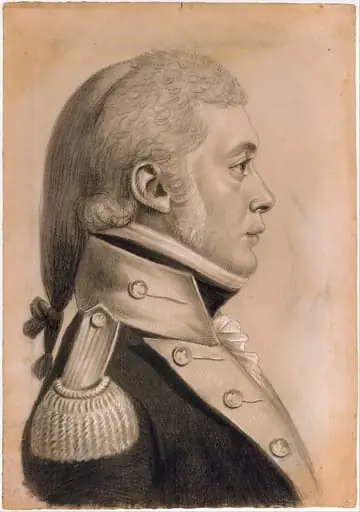
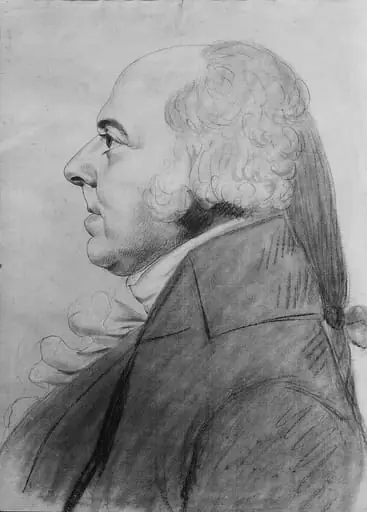
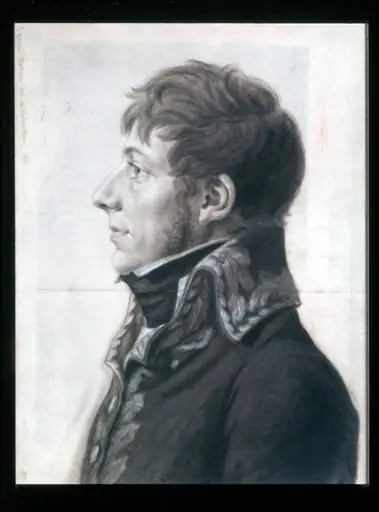
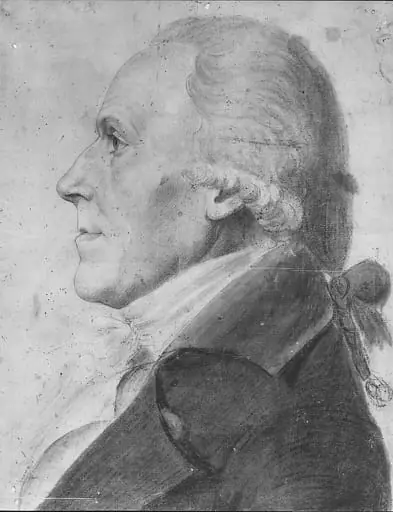
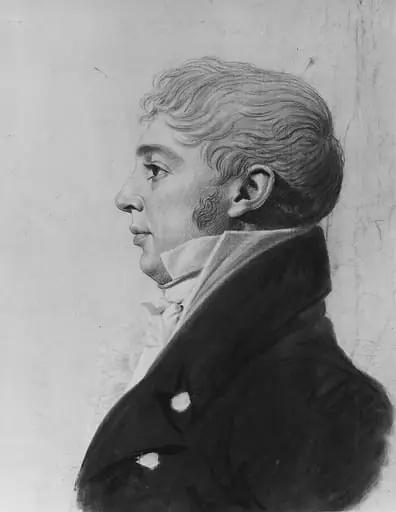
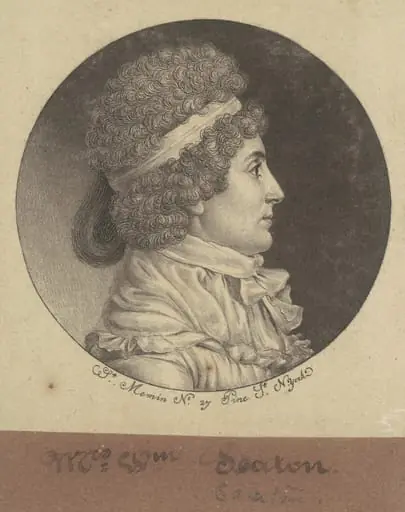
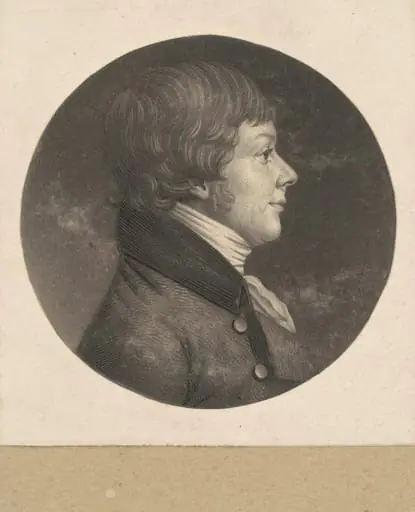
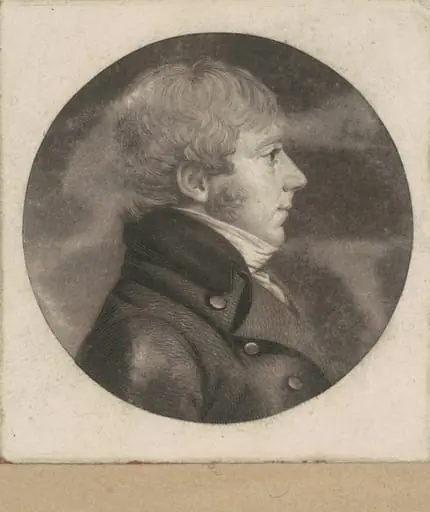
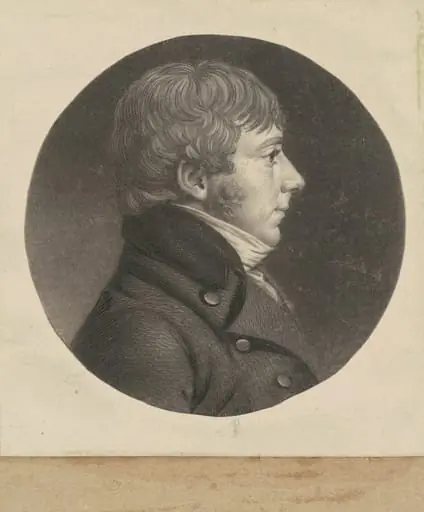
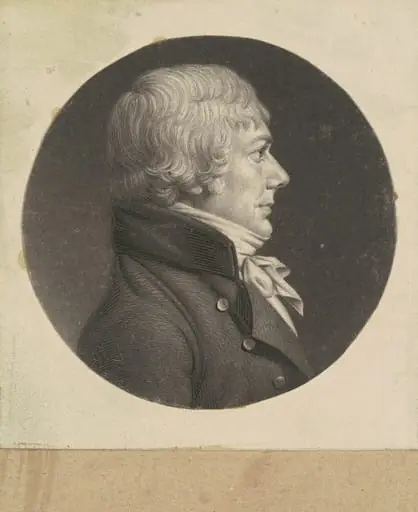
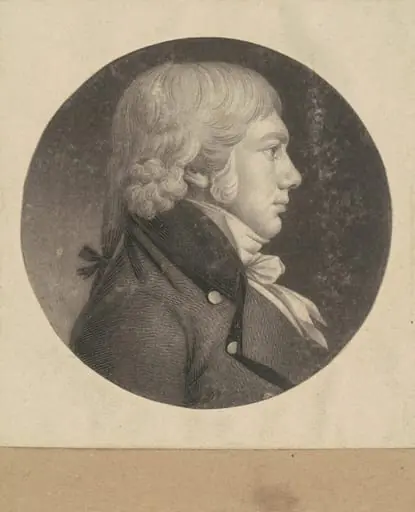
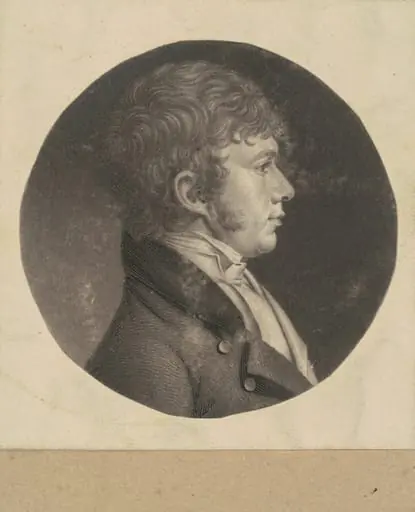
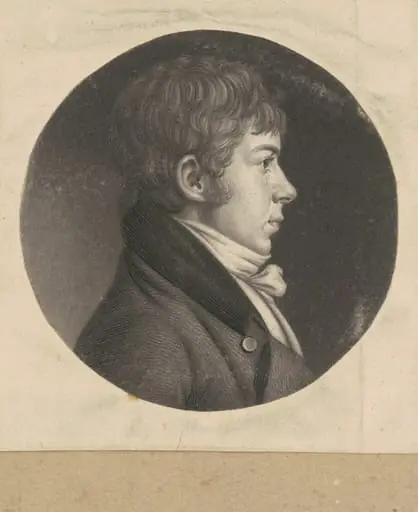
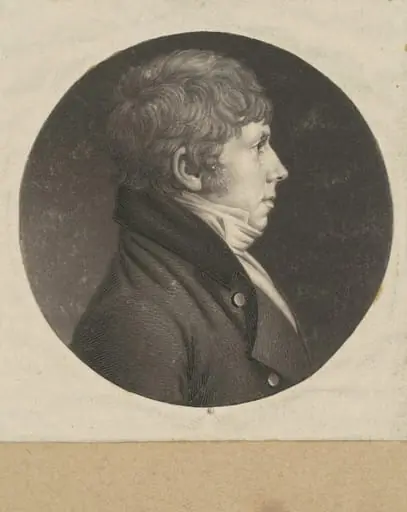
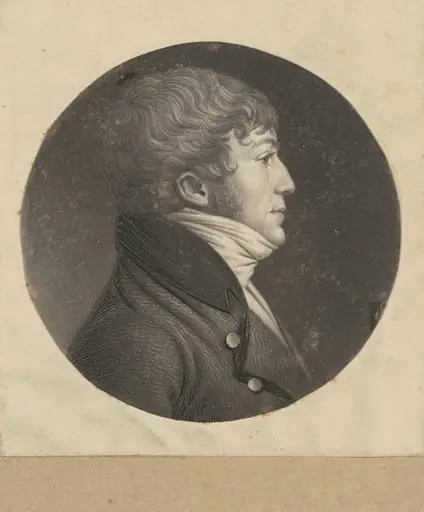
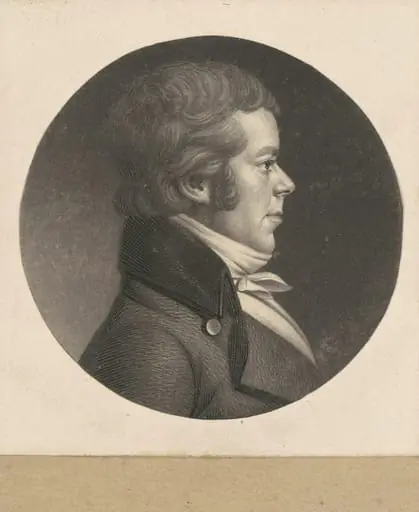
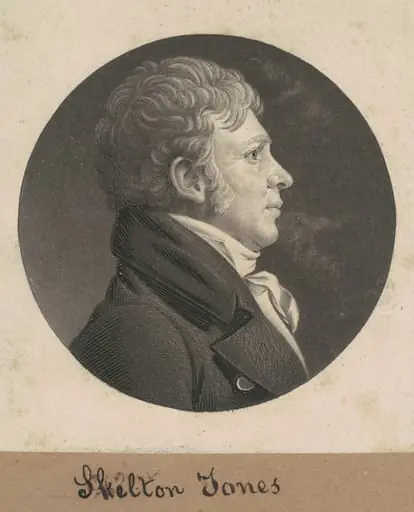
Unidentified Man is an ink print by the Romanticist artist Charles Balthazar Julien Févret de Saint-Mémin. It dates from 1800 and is held in the collection of the National Gallery of Art. Created around the turn of the nineteenth century, this small circular print presents a solitary male figure in profile.
About this work
Overview
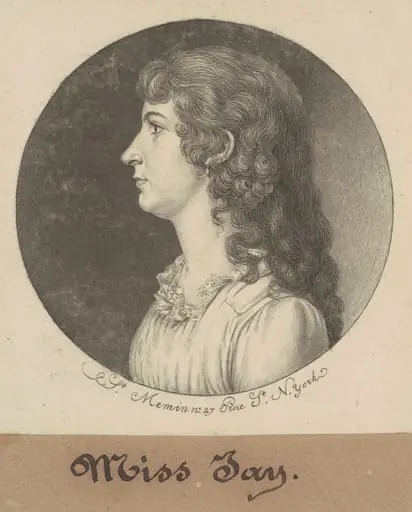
Created around the turn of the nineteenth century, this small circular print presents a solitary male figure in profile. Rendered in black on wove paper that has been affixed to a brown backing, the image measures only a few inches in diameter, emphasizing its intimate scale within a series of comparable portrait miniatures.
Subject & Meaning
The sitter is shown from the side, his head and upper torso turned outward, dressed in a dark coat complemented by a light cravat. His expression is composed and restrained, conveying a sense of quiet dignity without overt narrative, typical of portraiture intended to record personal identity rather than tell a story.
Technique & Style
The work combines mezzotint and engraving methods, employing fine lines to build tonal variation across the paper surface. The mezzotint process provides a rich, velvety darkness, while the engraved details define the clothing and facial features. The contrast between the deep black ink and the warm brown mount highlights the subtle gradations achieved by the artist.
History & Provenance
Attributed to Charles B. J. Févret de Saint‑Mémin, the print belongs to a collection of small circular portraits produced circa 1800. Though the identity of the sitter remains unknown, the series was likely commissioned as a set of personal likenesses, reflecting contemporary practices of distributing affordable portrait prints.
Context
During the early nineteenth century, portrait prints in mezzotint and engraving were popular for disseminating images of individuals beyond the elite. The circular format, uncommon for larger oil portraits, aligns with the period’s fascination with miniature portraiture, serving both decorative and documentary functions within private collections.
Artist & collection

Artist
Charles Balthazar Julien Févret de Saint-Mémin
Charles Balthazar Julien Févret de Saint-Mémin (French pronunciation: ; 1770–1852) was a French portrait painter and museum director.