Artwork
Unidentified Man
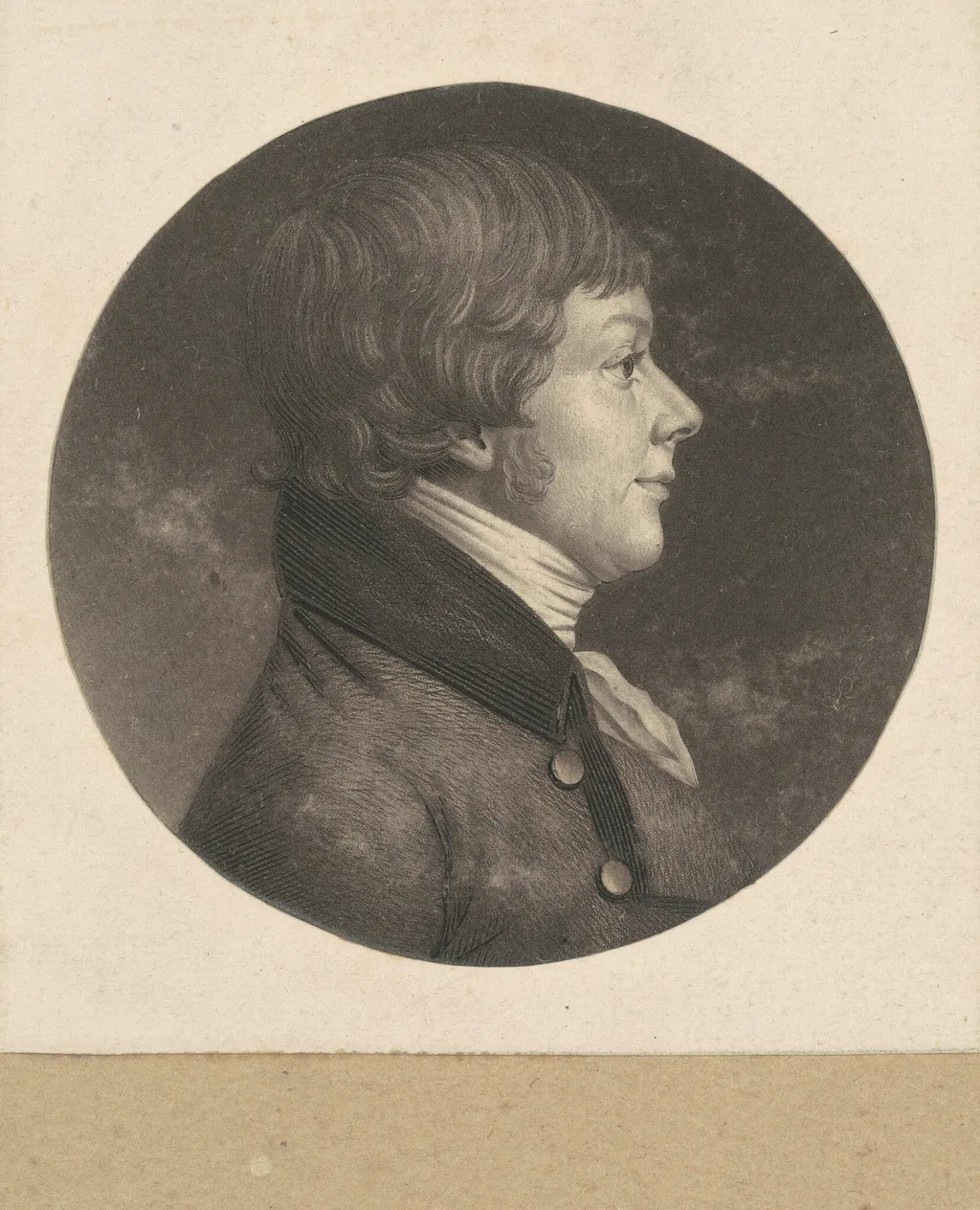
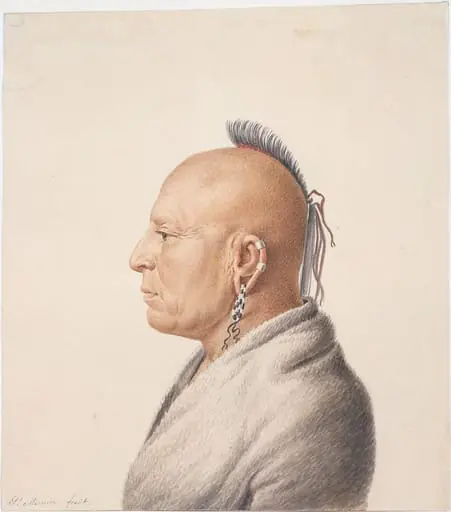
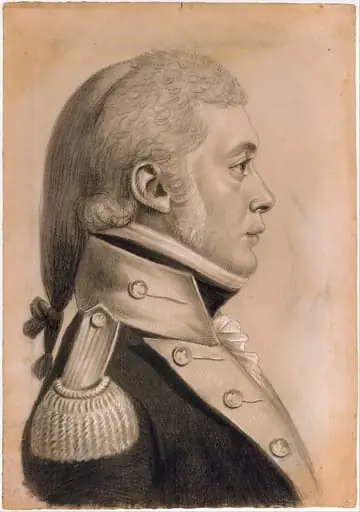
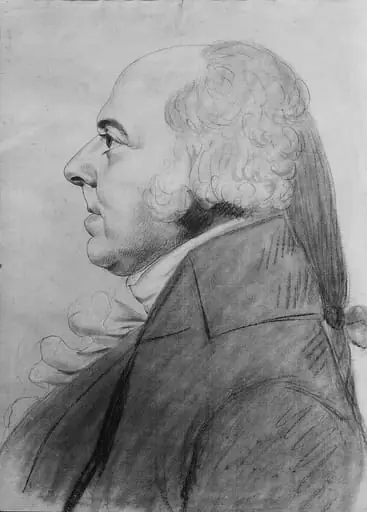
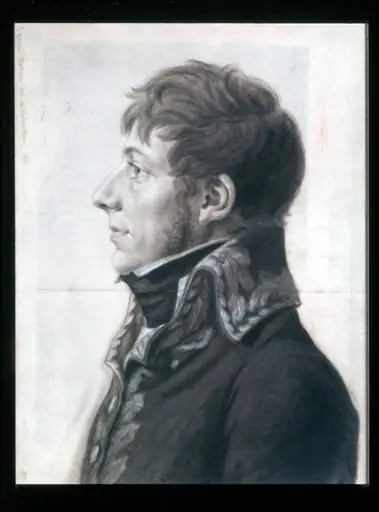
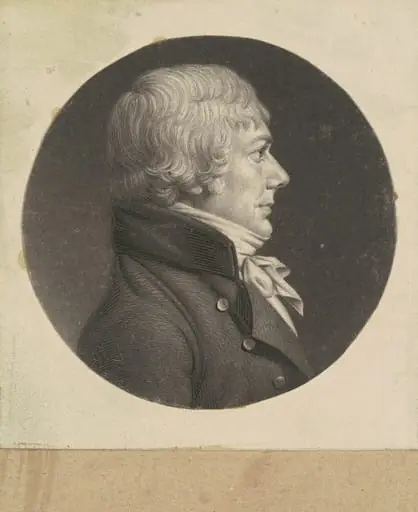
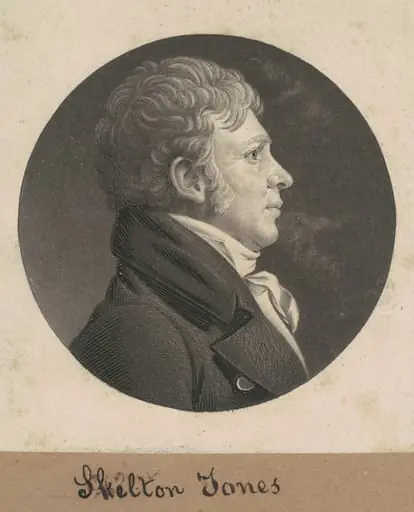
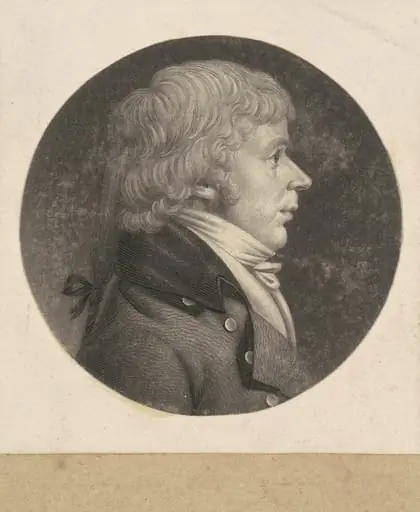
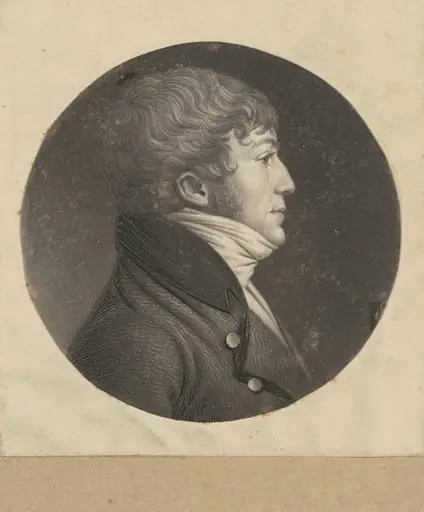
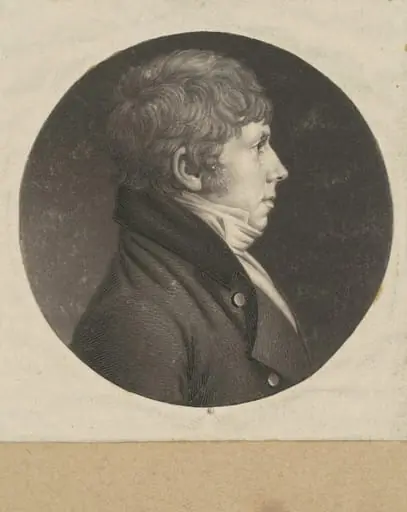
Unidentified Man is an ink print by the Romanticist artist Charles Balthazar Julien Févret de Saint-Mémin. It dates from 1800 and is held in the collection of the National Gallery of Art. Charles B.
About this work
Overview
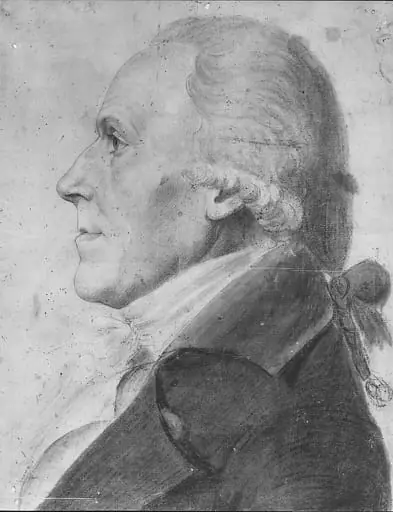
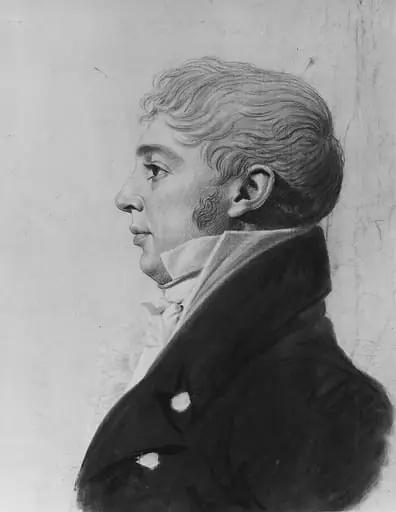
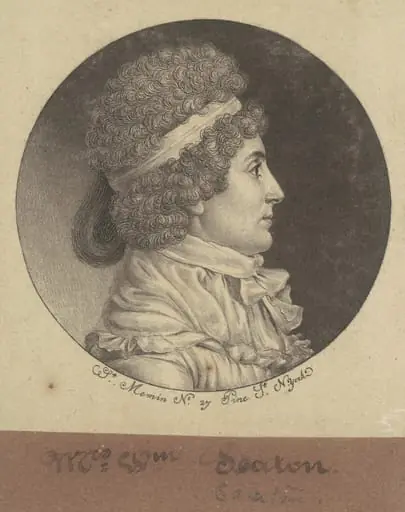
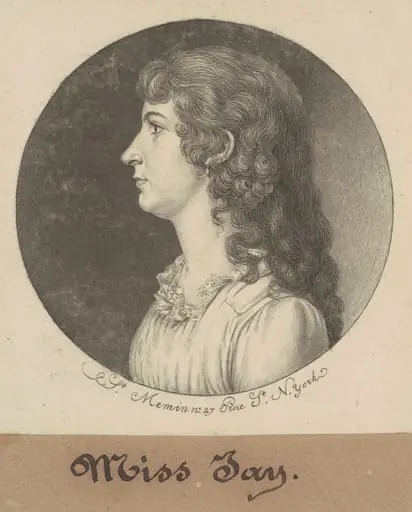
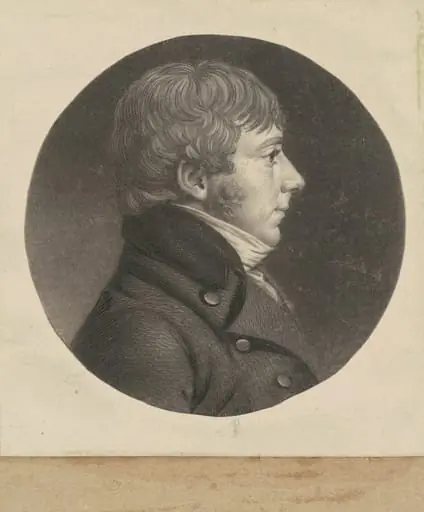
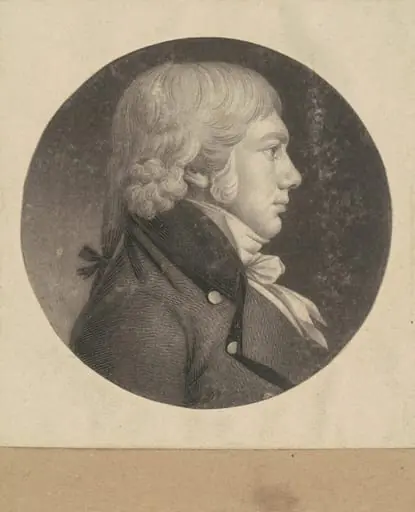
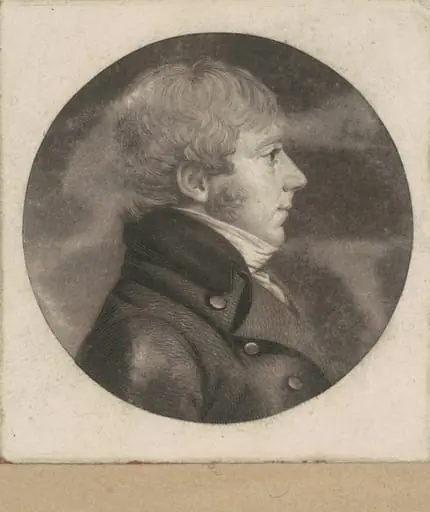
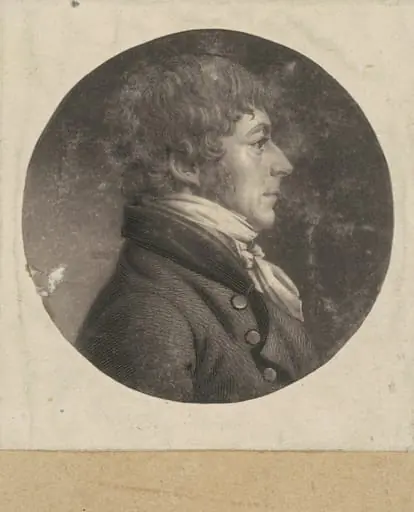
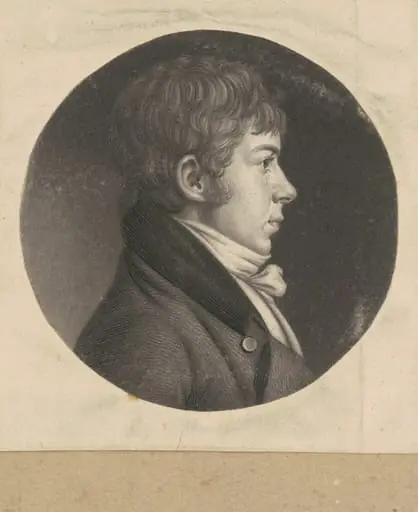
Charles B. J. Févret de Saint‑Mémin’s print titled “Unidentified Man” is a small, circular image created around 1800. Executed in mezzotint and engraving, the work presents a solitary male figure in profile, rendered entirely in black on wove paper that has been mounted onto a brown‑toned backing. The composition is concise, focusing on the sitter’s head and upper torso.
Subject & Meaning
The portrait shows a man turned sideways, dressed in a dark coat complemented by a light‑colored cravat. No name or narrative accompanies the image, leaving the identity and personal story of the sitter open to interpretation. The emphasis on attire and profile suggests an interest in capturing the social bearing of an individual rather than a specific biography.
Technique & Style
Saint‑Mémin employed both mezzotint and engraving techniques, allowing for rich tonal variation and precise line work within the limited black palette. The mezzotint provides subtle gradations of shadow, while the engraved lines define the contours of clothing and facial features. The circular format, uncommon for prints, underscores the artist’s attention to compositional balance.
History & Provenance
Created at the turn of the nineteenth century, the print belongs to a series of small circular portraits produced by Saint‑Mémin. Though the sitter remains unidentified, the work has been retained within the artist’s broader collection of similar prints, reflecting a systematic approach to portraiture during this period.
Artist & collection

Artist
Charles Balthazar Julien Févret de Saint-Mémin
Charles Balthazar Julien Févret de Saint-Mémin (French pronunciation: ; 1770–1852) was a French portrait painter and museum director.