Artwork
Unidentified Man
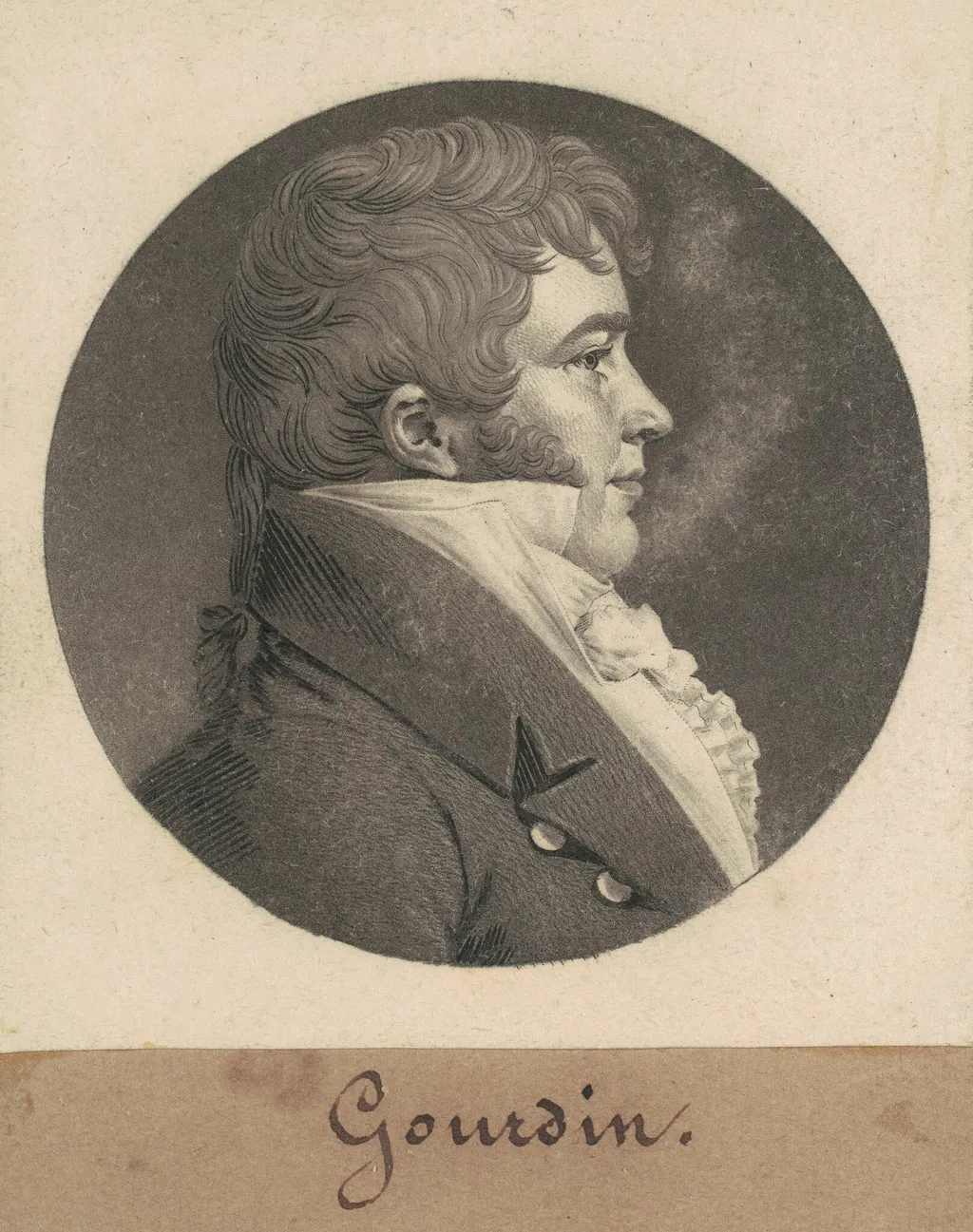
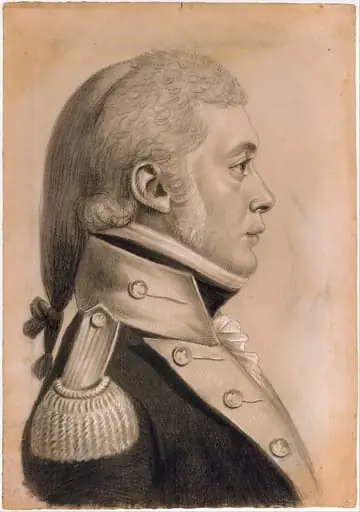
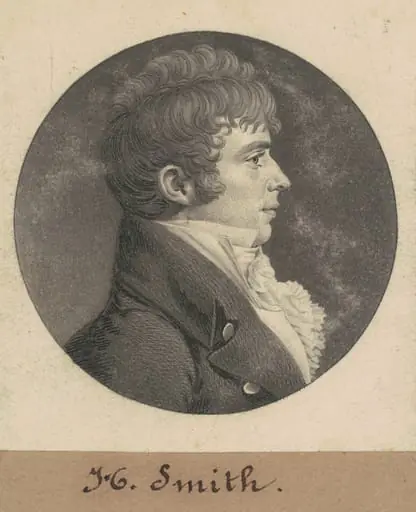
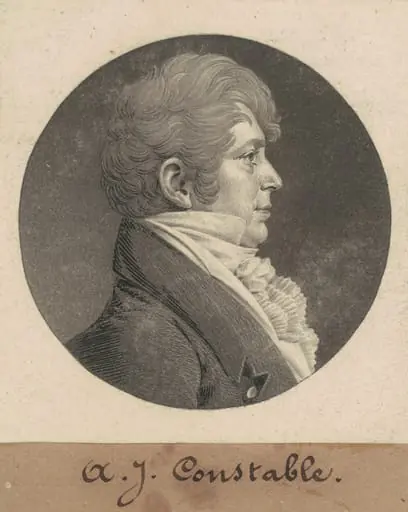
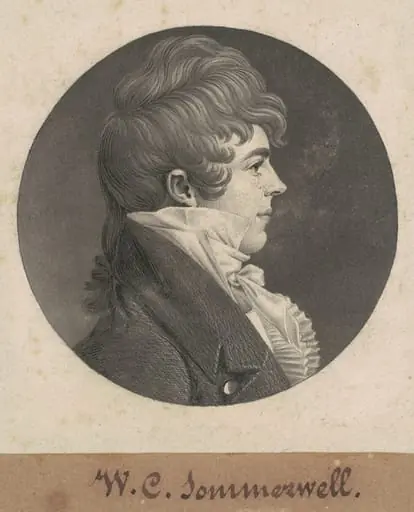
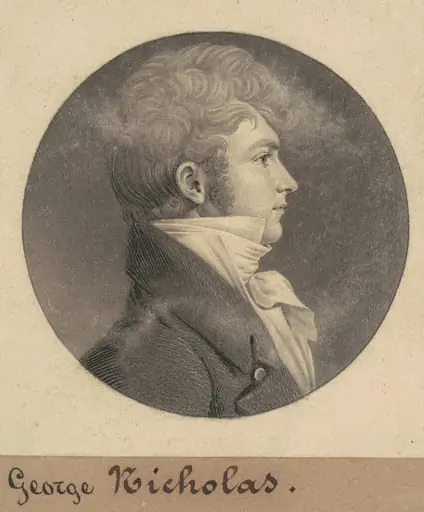
Unidentified Man is an ink print by the Romanticist artist Charles Balthazar Julien Févret de Saint-Mémin. It dates from 1808 and is held in the collection of the National Gallery of Art. Created around the turn of the nineteenth century, this mezzotint and engraving presents a solitary male figure in profile.
About this work
Overview
Created around the turn of the nineteenth century, this mezzotint and engraving presents a solitary male figure in profile.
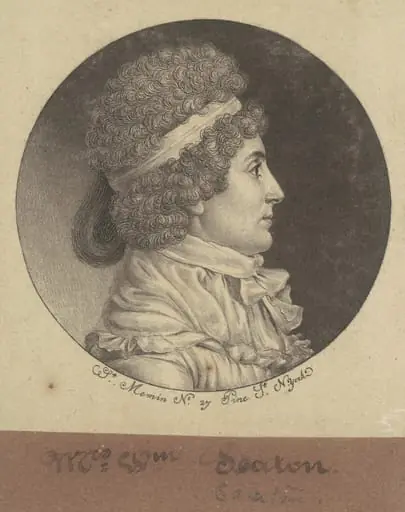
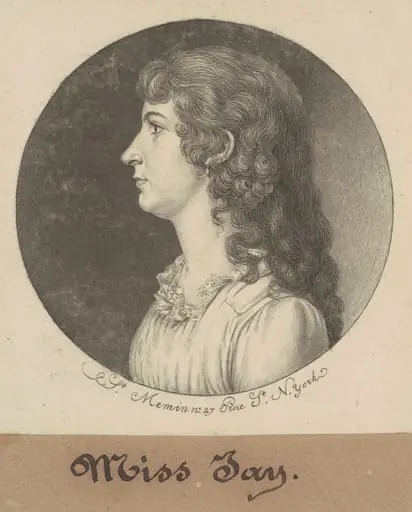
Created around the turn of the nineteenth century, this mezzotint and engraving presents a solitary male figure in profile. Rendered entirely in black on wove paper that has been mounted to a brown backing, the image occupies a modest circular format typical of the period’s portrait miniatures. The work belongs to a series of similarly sized circular prints produced by the French artist Charles B. J. Févret de Saint‑Mémin.
Subject & Meaning
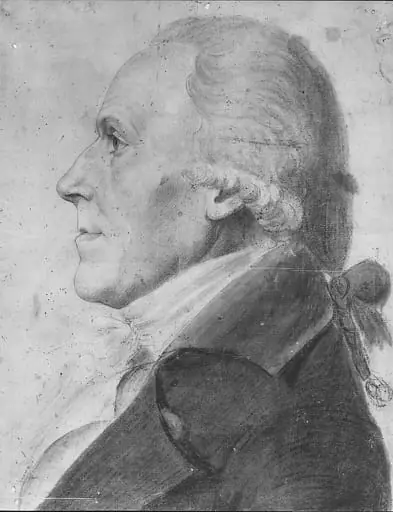
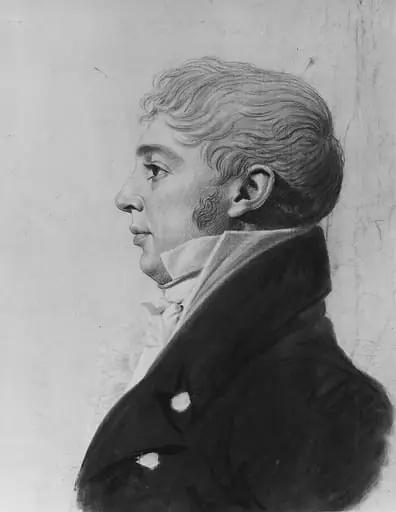
The sitter is shown from the side, displaying a dark coat and a contrasting light cravat. His expression is restrained, marked by a pronounced jawline and a sober gaze, suggesting a dignified, perhaps professional, bearing. The lack of identifying attributes leaves the identity ambiguous, inviting viewers to focus on the formal qualities of the portrait rather than a specific narrative.
Technique & Style
Executed through a combination of mezzotint and engraving, the print achieves a rich tonal range despite its monochrome palette. The mezzotint grounds provide deep, velvety shadows, while the engraved lines define the crisp edges of clothing and facial features. The circular composition, a popular format for intimate portraiture at the time, emphasizes the immediacy of the profile view.
History & Provenance
Attributed to Charles B. J. Févret de Saint‑Mémin, a noted French draftsman and printmaker active during the late eighteenth and early nineteenth centuries, the piece reflects his interest in compact portrait formats. It forms part of a collection of small circular portraits, likely produced for private circulation among patrons or as a series of studies.
Context
During the early 1800s, circular portrait miniatures were fashionable among the European bourgeoisie, serving both as personal mementos and as displays of taste. Saint‑Mémin’s use of mezzotint—a technique prized for its ability to render subtle gradations—aligned with contemporary preferences for nuanced, realistic likenesses within a compact, portable medium.
Artist & collection

Artist
Charles Balthazar Julien Févret de Saint-Mémin
Charles Balthazar Julien Févret de Saint-Mémin (French pronunciation: ; 1770–1852) was a French portrait painter and museum director.