Artwork
Unidentified Man
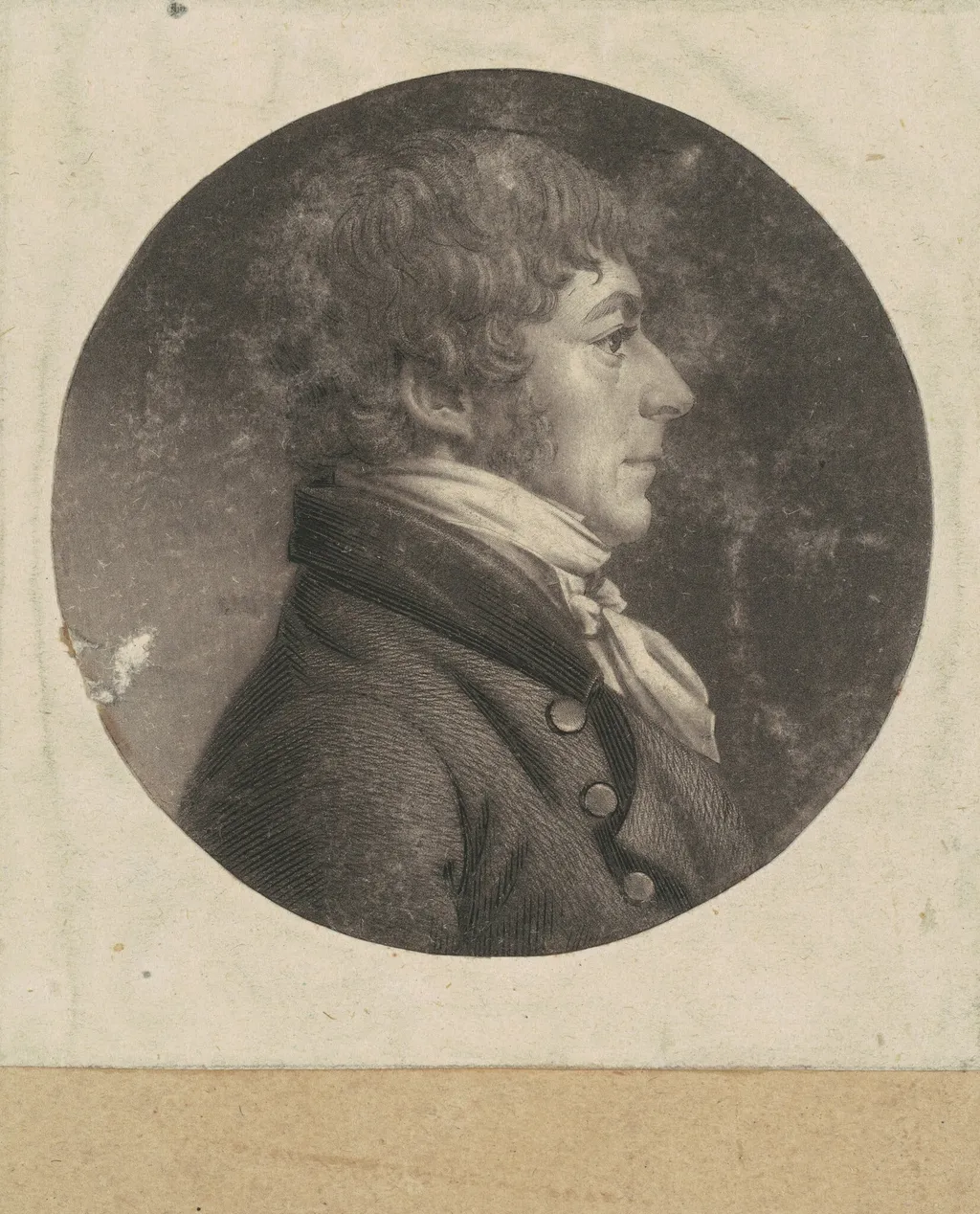
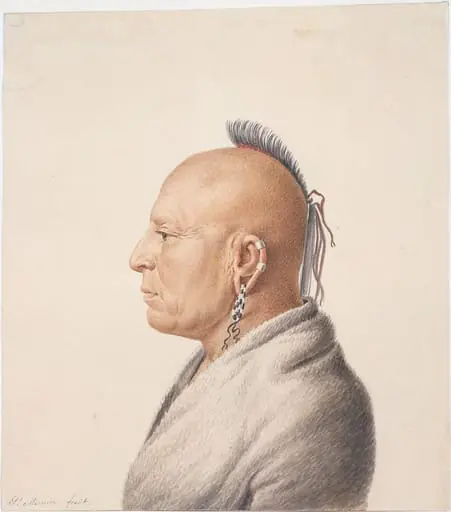
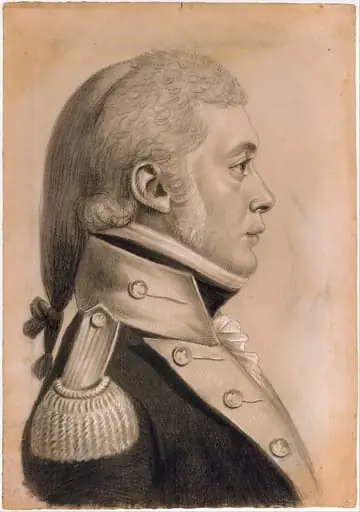
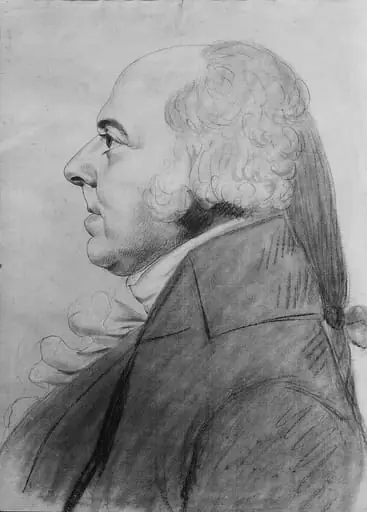
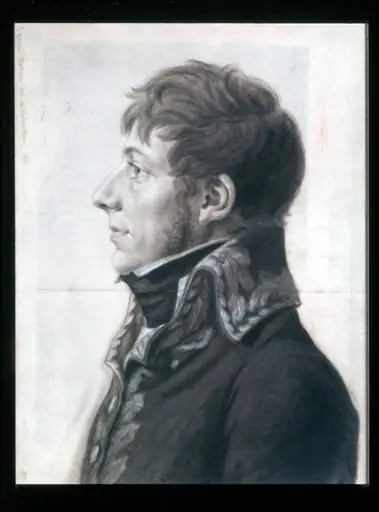
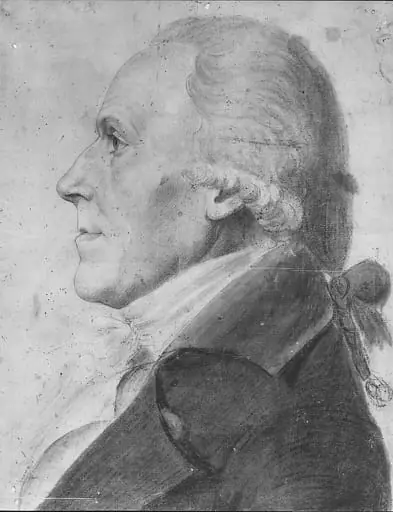
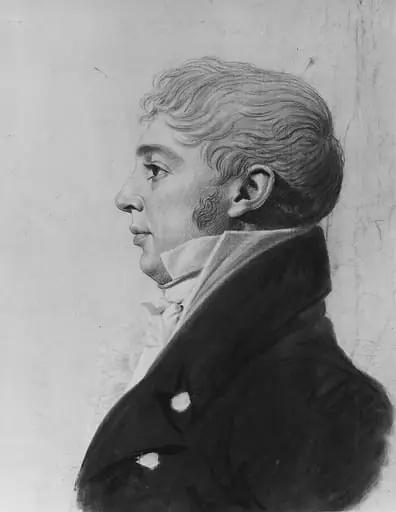
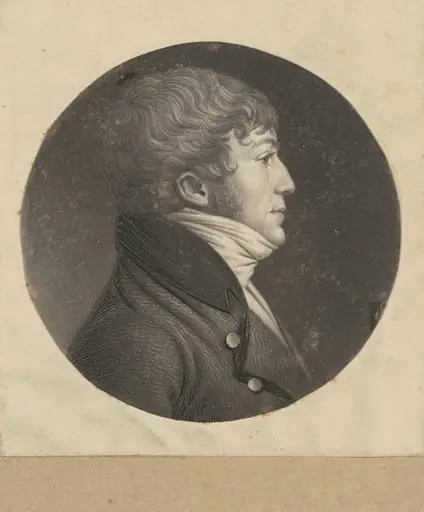
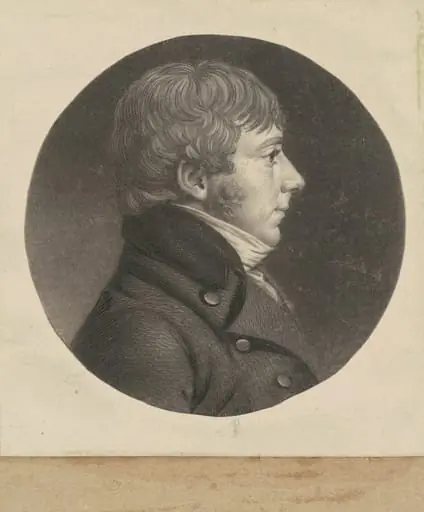
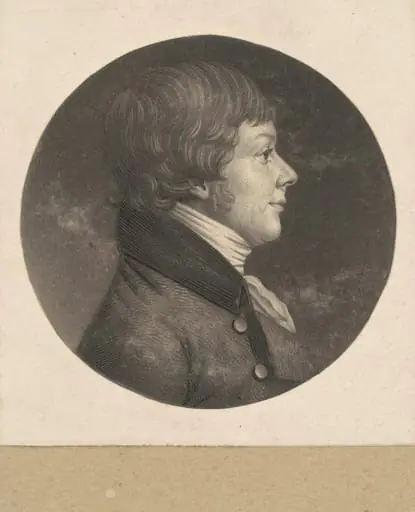
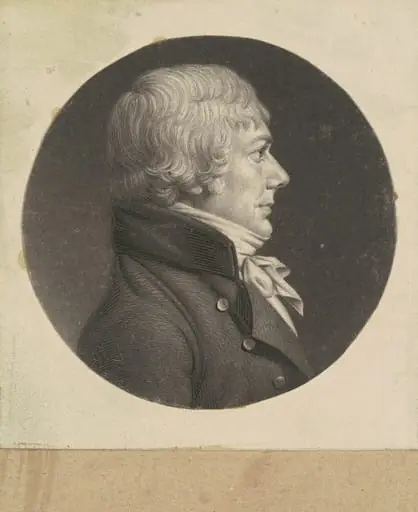
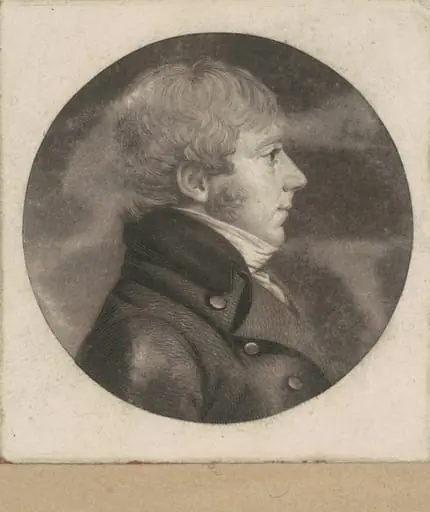
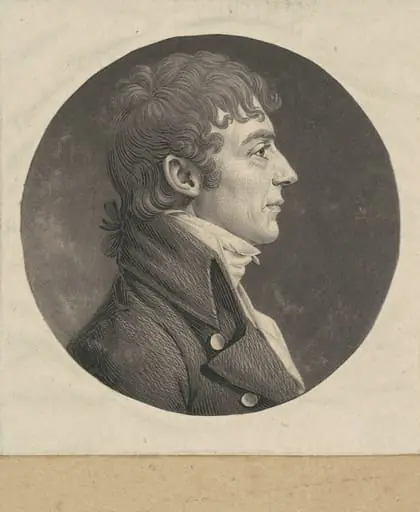
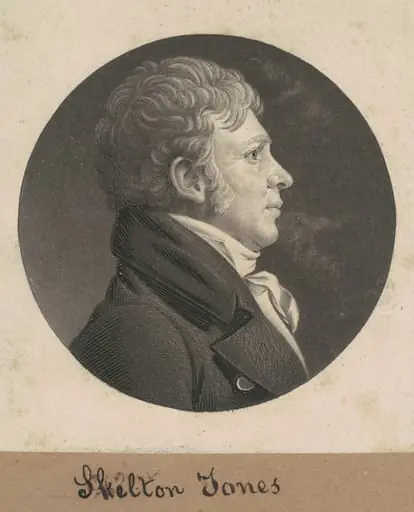
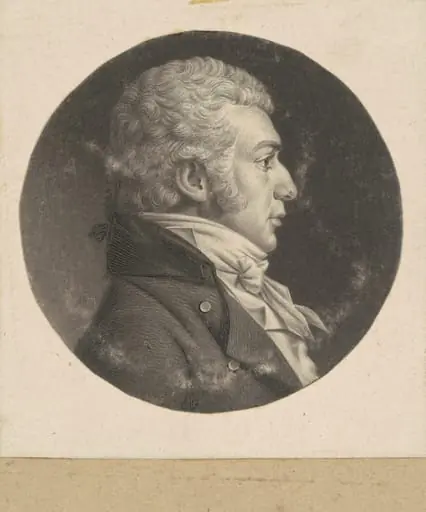
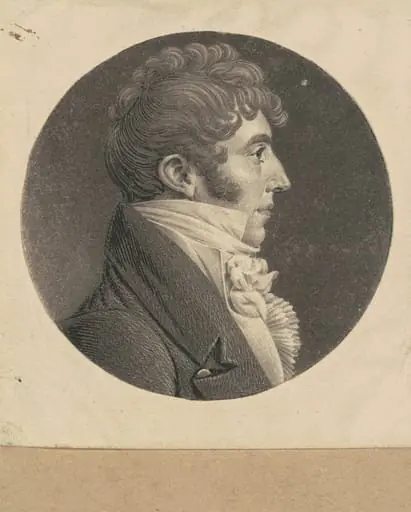
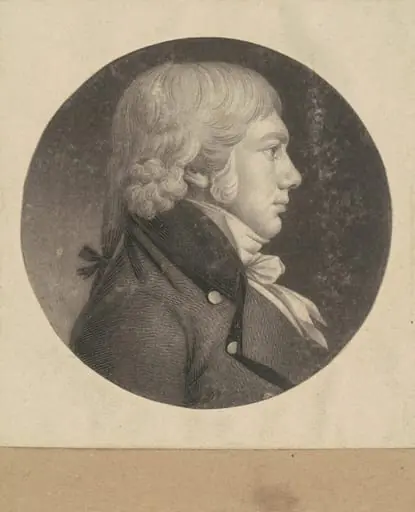
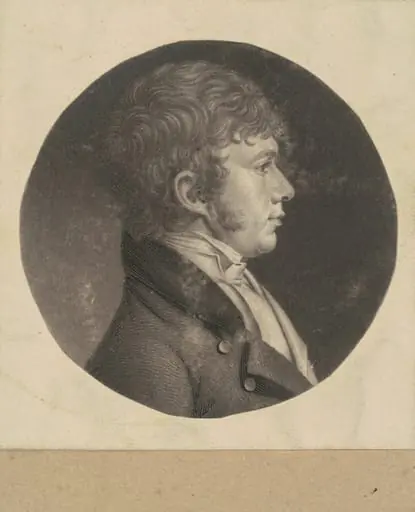
Unidentified Man is an ink print by the Romanticist artist Charles Balthazar Julien Févret de Saint-Mémin. It dates from 1800 and is held in the collection of the National Gallery of Art. Created around 1800, this black-and-white print presents a solitary figure in profile, showing the head and upper torso.
About this work
Overview
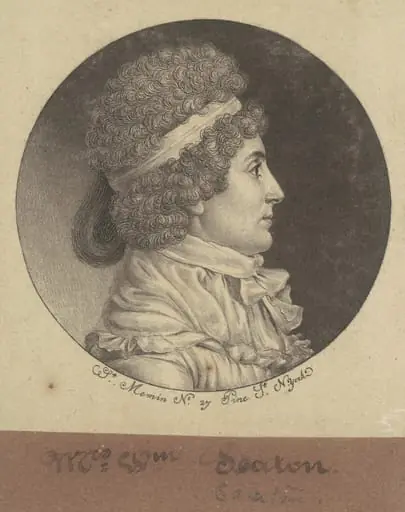
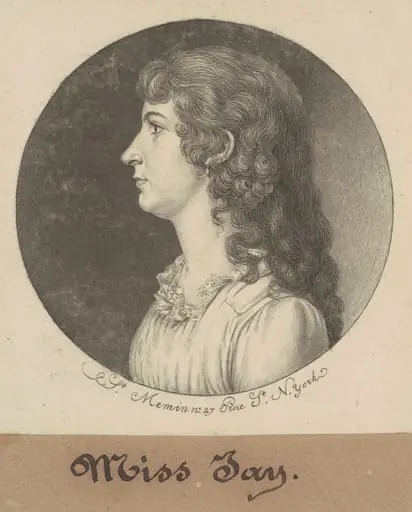
Created around 1800, this black-and-white print presents a solitary figure in profile, showing the head and upper torso. The image is executed as a small, circular composition, typical of a series of comparable portraits produced by the same hand. The work is rendered on wove paper, with the printed surface mounted onto a slightly darker backing sheet.
Subject & Meaning
The sitter is depicted wearing a dark overcoat and a contrasting light cravat, attire that suggests a gentleman of the early nineteenth century. The profile pose, focusing on the face and shoulders, conveys a formal, restrained representation, emphasizing the individual's social standing without narrative detail.
Technique & Style
The image combines mezzotint and engraving methods, allowing for rich tonal gradations alongside precise line work. Executed entirely in black, the print exploits the mezzotint’s capacity for subtle shading, while the engraved lines define clothing folds and facial features. The circular format reinforces the intimate, vignette quality of the portrait.
History & Provenance
Attributed to Charles B. J. Févret de Saint‑Mémin, the print belongs to a collection of small circular portraits assembled during his active period in the United States. The work has been held in the National Gallery of Art, Washington, where it remains part of the museum’s print and drawing holdings.
Context
During the early nineteenth century, portrait prints in a compact, circular shape were popular for their portability and affordability, enabling artists to produce multiple likenesses efficiently. This format reflects contemporary market demands and the technical adaptability of mezzotint and engraving for rapid reproduction of individualized images.
Artist & collection

Artist
Charles Balthazar Julien Févret de Saint-Mémin
Charles Balthazar Julien Févret de Saint-Mémin (French pronunciation: ; 1770–1852) was a French portrait painter and museum director.