Artwork
Van Staphorst
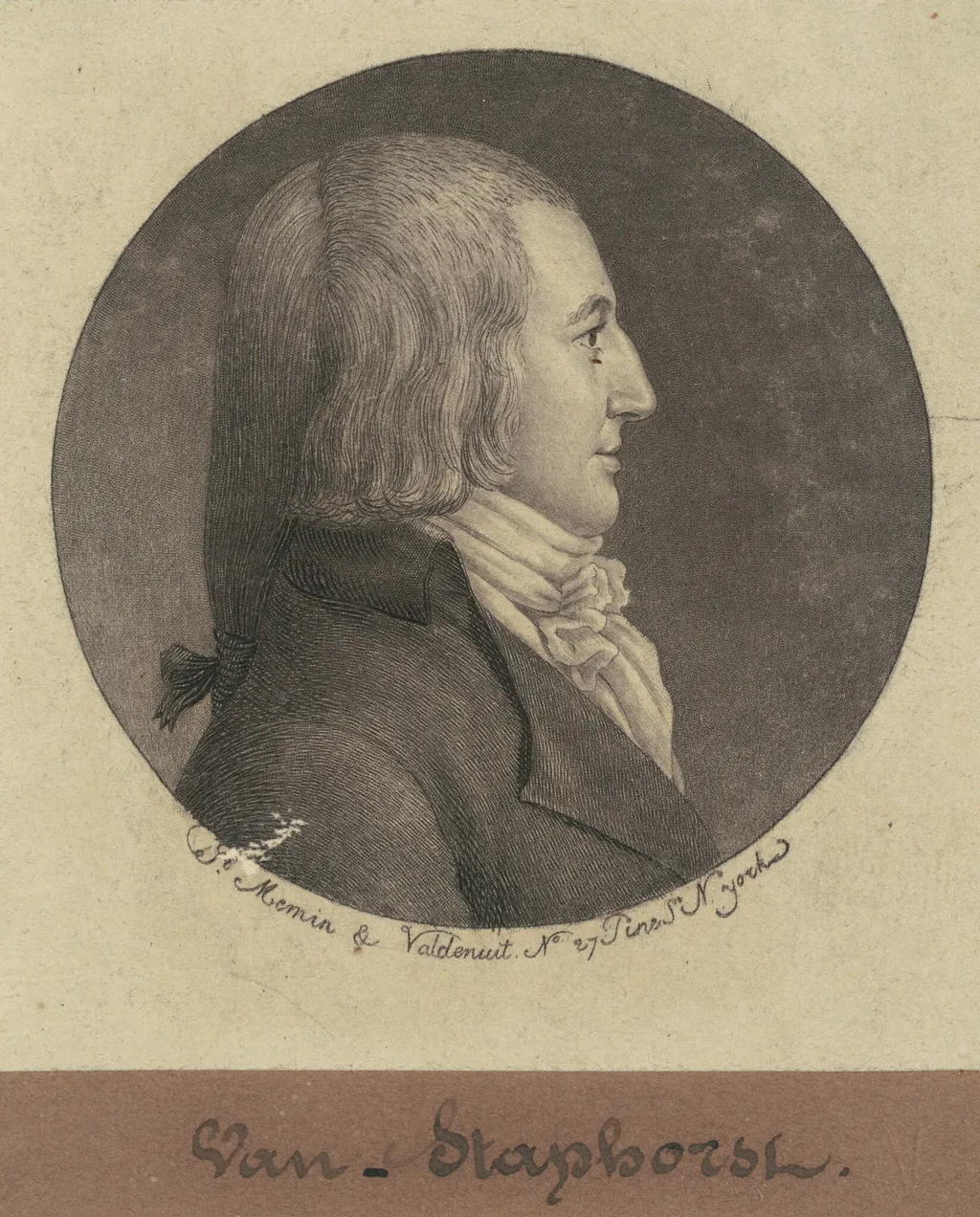
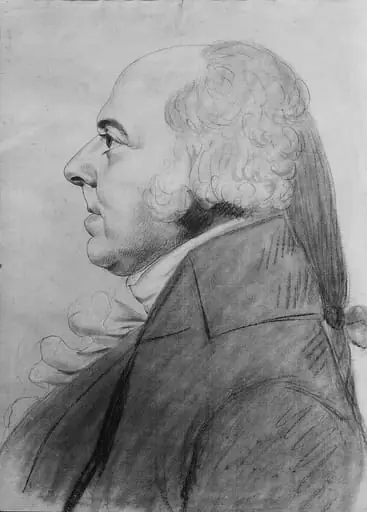
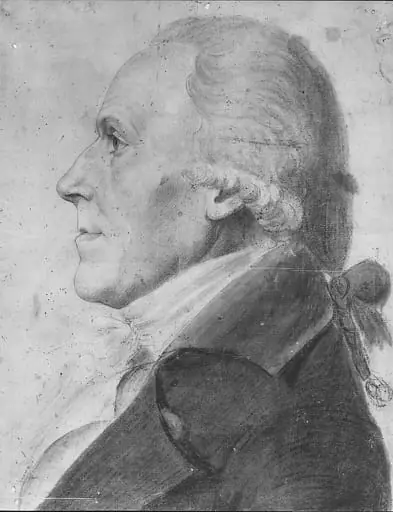
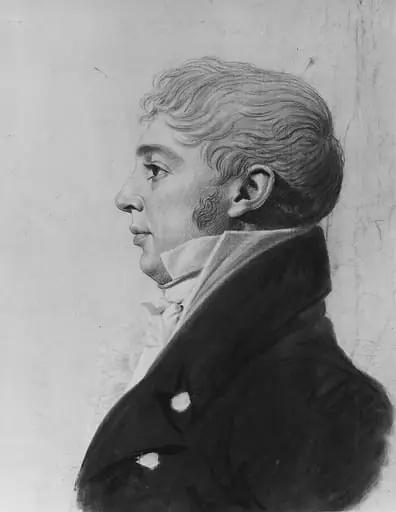
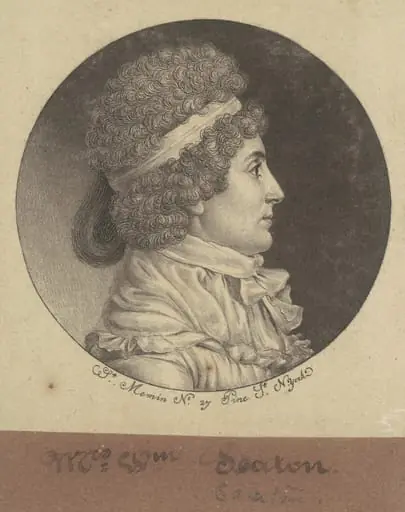
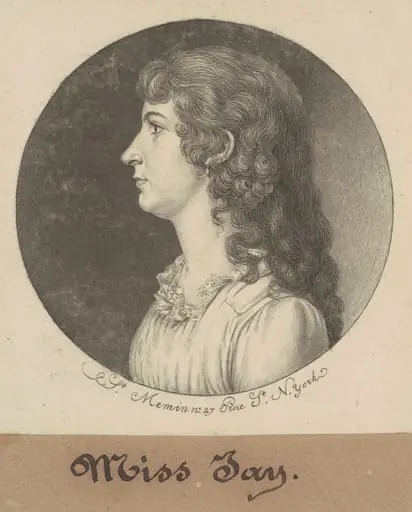
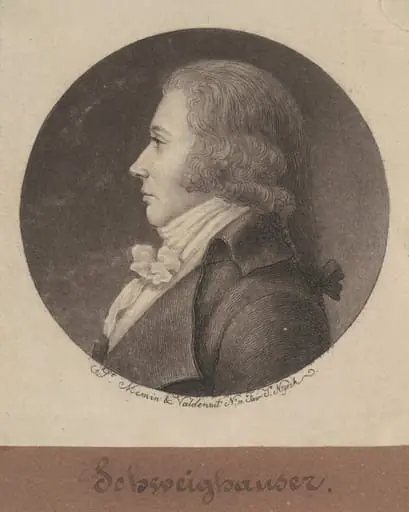
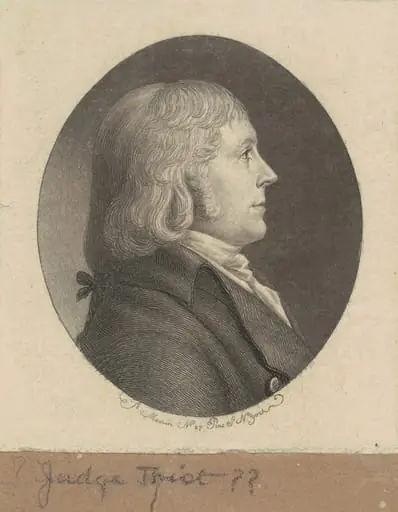
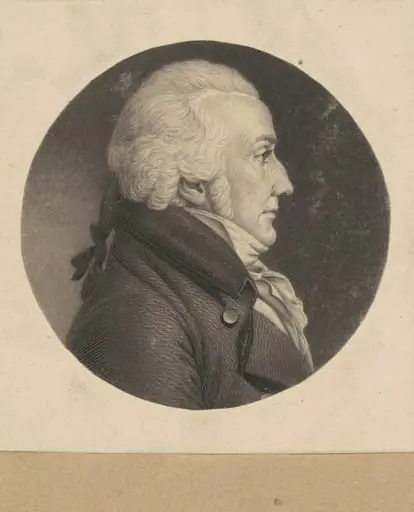
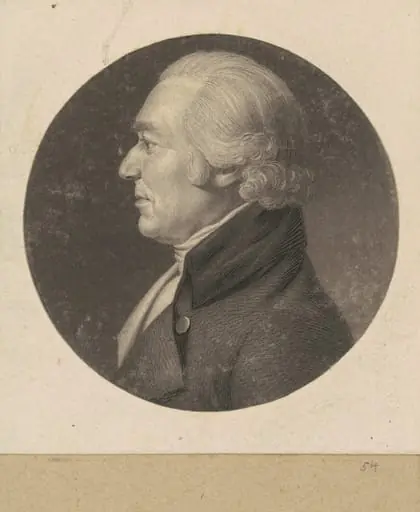
Van Staphorst is an ink print by the Romanticist artist Charles Balthazar Julien Févret de Saint-Mémin. It dates from 1796 and is held in the collection of the National Gallery of Art.
About this work
Overview
Van Staphorst is a small portrait print, measuring 5.56 × 5.56 cm, created by Charles B. J. Févret de Saint-Mémin between 1796 and 1797 using mezzotint and engraving techniques on wove paper.
Subject & Meaning
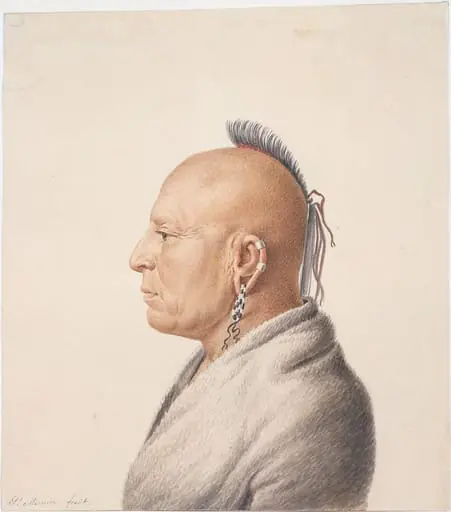
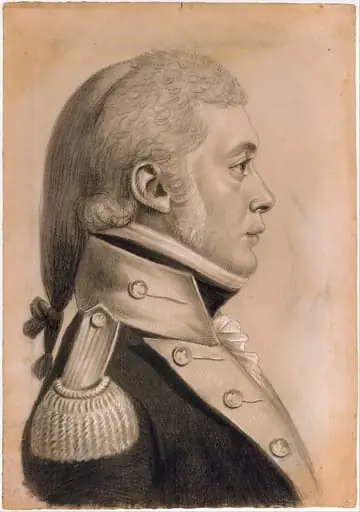
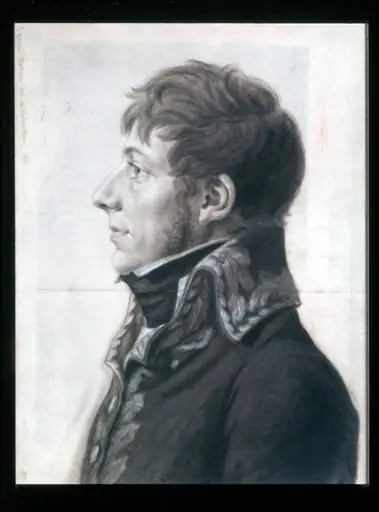
The portrait depicts a man's upper torso in profile, with his face turned away from the viewer, conveying a sense of privacy or introspection.
Technique & Style
Executed in mezzotint and engraving in black, the work showcases detailed rendering, notable given the challenges of achieving fine detail with mezzotint, a type of engraving that typically emphasizes tonal range.
History & Provenance
Originally printed on wove paper, the work is now mounted on brown wove paper, reflecting common preservation practices of the time.
Context
Created during the late 18th century, Van Staphorst represents the continued interest in portraitures during this period, with mezzotint being a popular medium for such works due to its ability to capture subtle textures and tones.
Legacy
While specific impact or notable exhibitions of Van Staphorst are not highlighted in available information, it contributes to the broader understanding of late 18th-century printmaking techniques and portrait art.
Artist & collection

Artist
Charles Balthazar Julien Févret de Saint-Mémin
Charles Balthazar Julien Févret de Saint-Mémin (French pronunciation: ; 1770–1852) was a French portrait painter and museum director.