Artwork
William Hurst
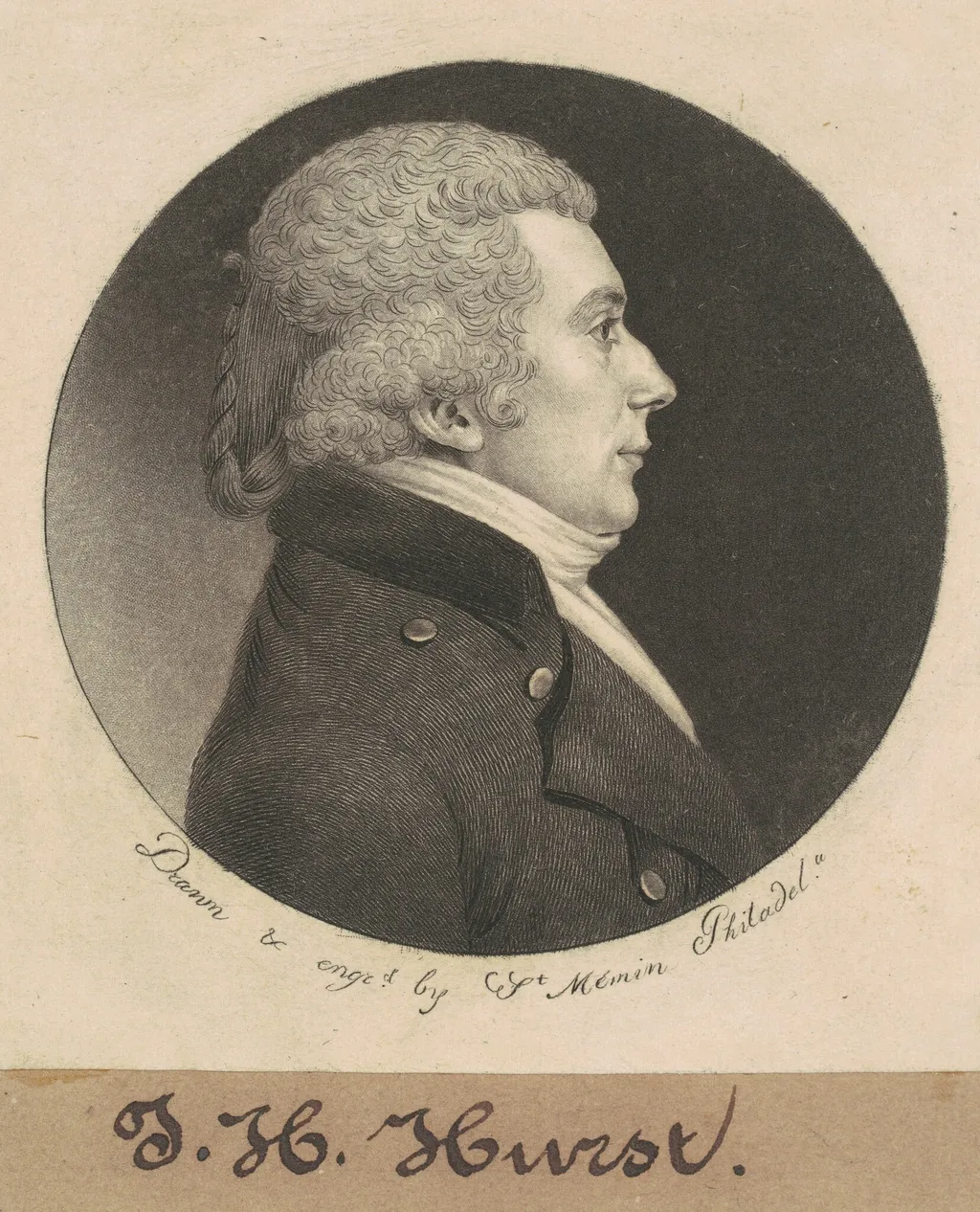
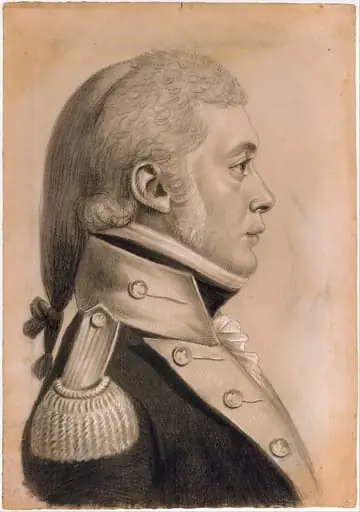
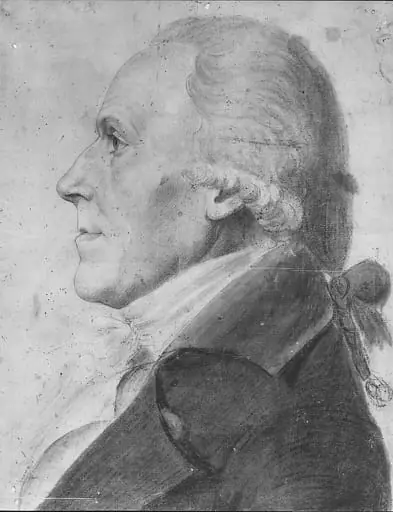
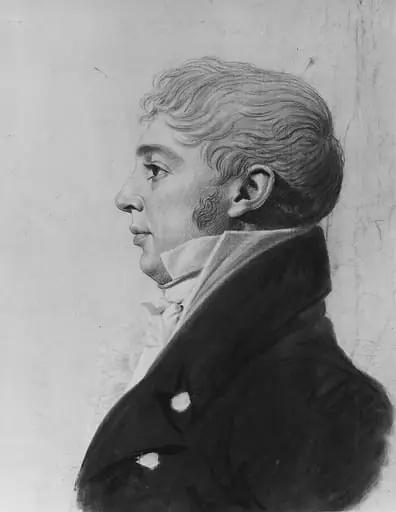
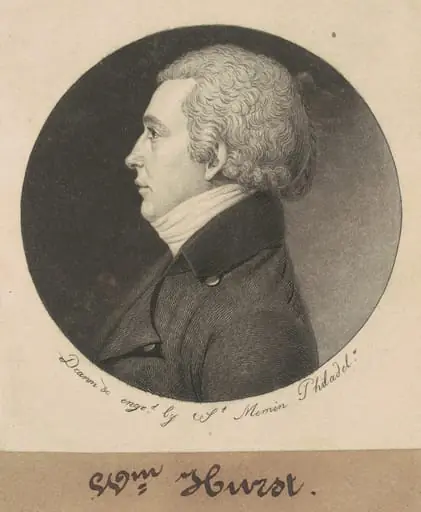
William Hurst is an ink print by the Romanticist artist Charles Balthazar Julien Févret de Saint-Mémin. It dates from 1800 and is held in the collection of the National Gallery of Art.
About this work
Overview
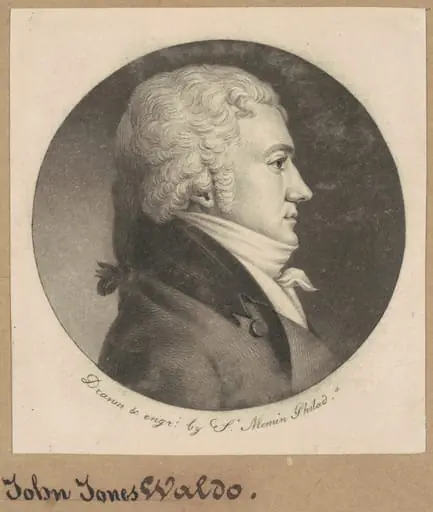
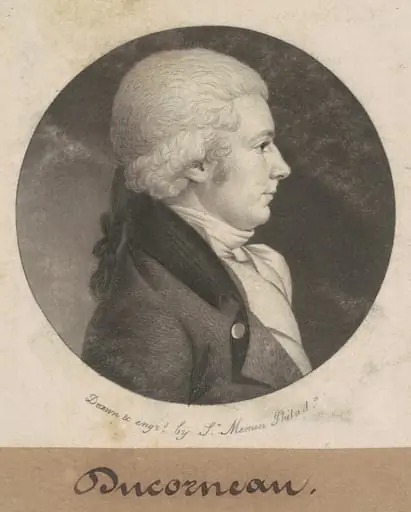
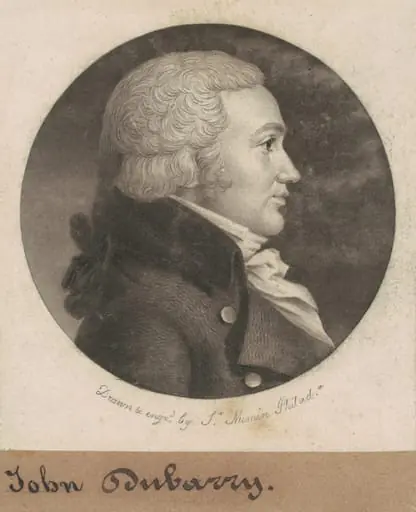
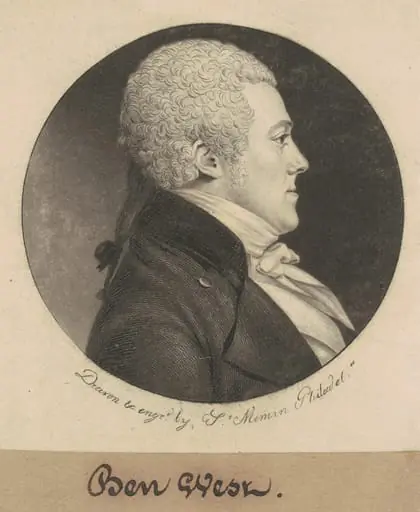
The work titled “William Hurst” is a black‑and‑white print created in 1800 by French‑American artist Charles B. J. Févret de Saint‑Mémin. Executed as a mezzotint combined with engraving, the image is printed on wove paper that has been mounted onto a brown‑toned sheet, giving it a distinctive two‑tone support.
Subject & Meaning
The portrait presents William Hurst seated, his gaze directed forward. He is shown with tightly curled hair, a dark coat fastened with brass buttons, a high collar, and a light cravat. Emphasis on his pronounced nose and chin conveys a formal, dignified presence typical of early‑19th‑century portraiture.
Technique & Style
Saint‑Mémin employed the mezzotint process to achieve rich tonal gradations, while fine engraving lines define facial features and clothing details. The combination of these methods on wove paper allows subtle contrasts between deep blacks and delicate mid‑tones, reflecting the artist’s skill in rendering texture and depth without color.
History & Provenance
Produced in 1800, the print reflects Saint‑Mémin’s activity after his relocation to the United States, where he specialized in portrait prints of notable individuals. The mounting of the original wove paper onto a brown backing suggests later conservation or presentation choices, common in early American print collections.
Artist & collection

Artist
Charles Balthazar Julien Févret de Saint-Mémin
Charles Balthazar Julien Févret de Saint-Mémin (French pronunciation: ; 1770–1852) was a French portrait painter and museum director.