Artwork
William Seton
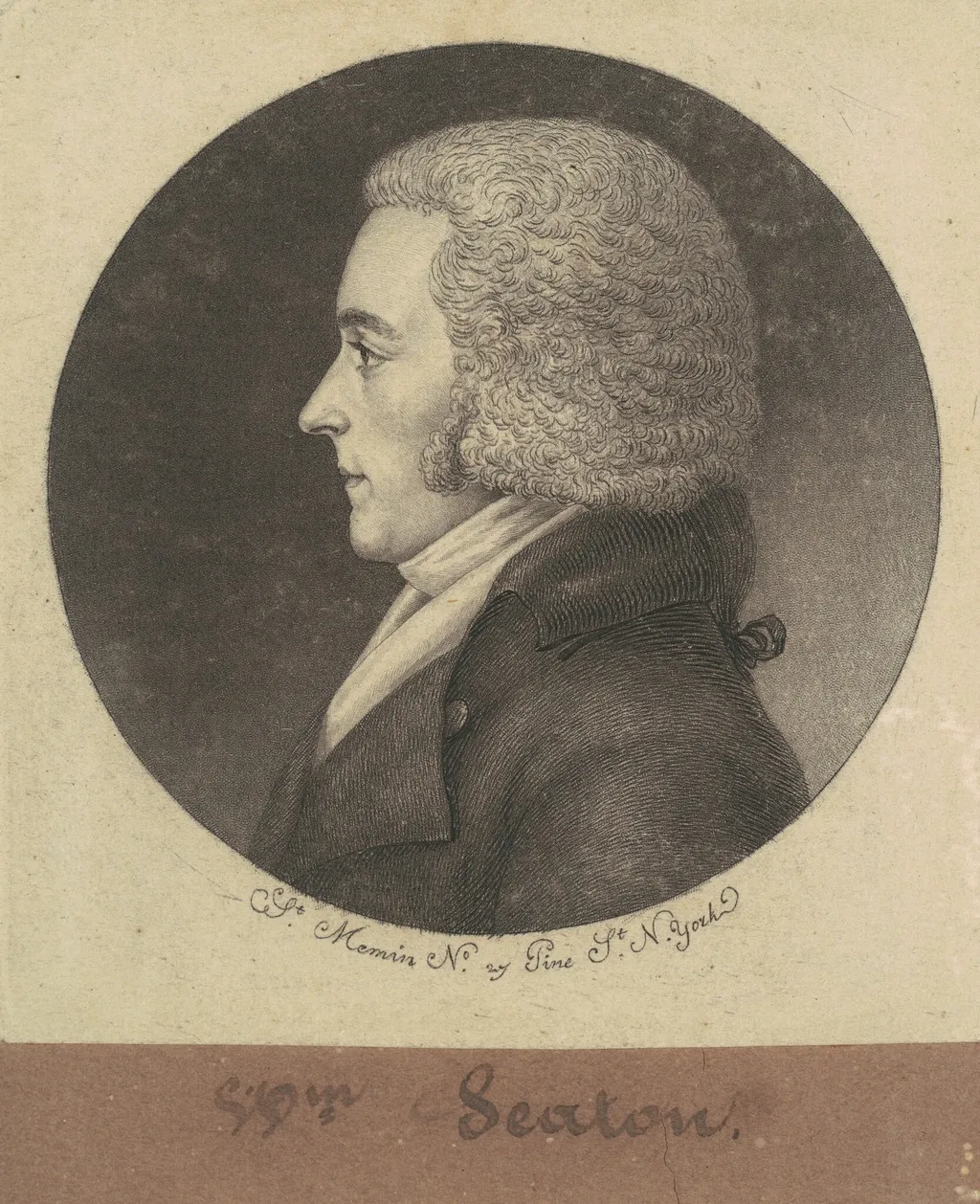
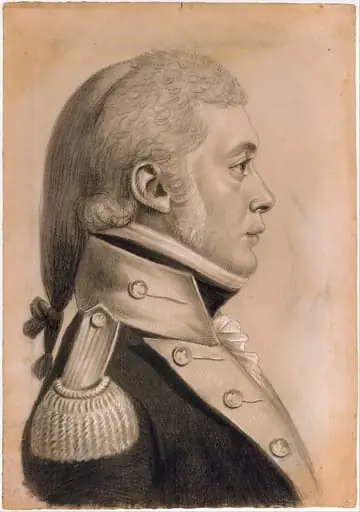
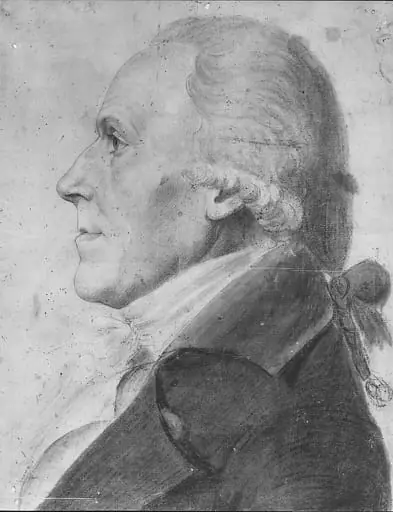
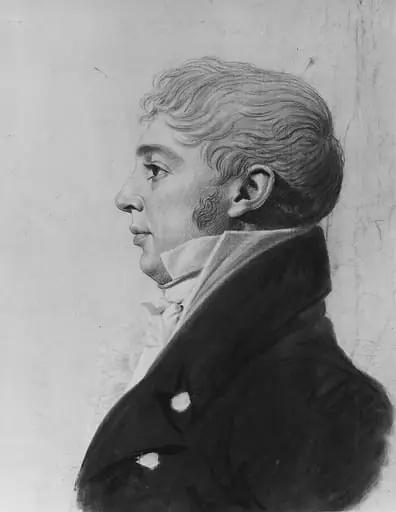
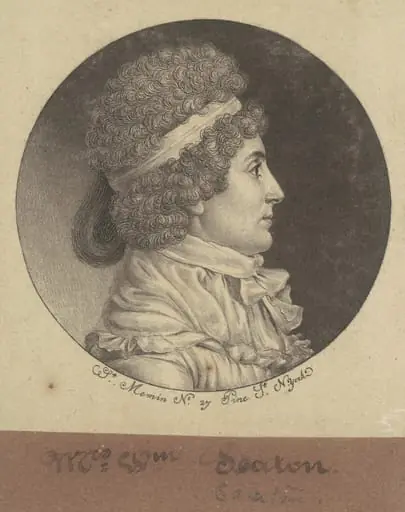
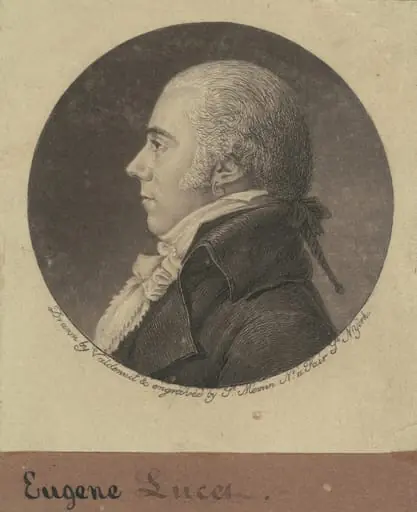
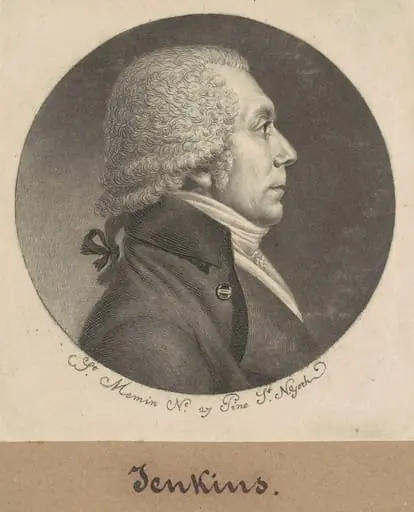
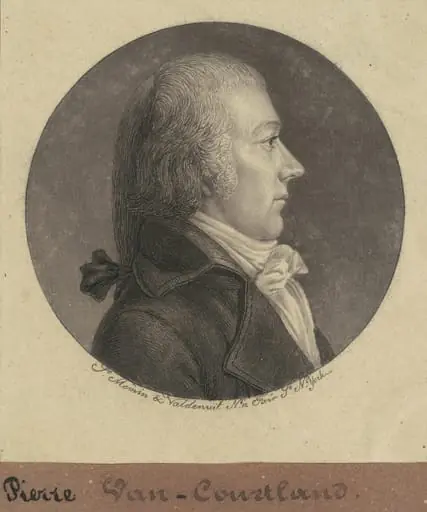
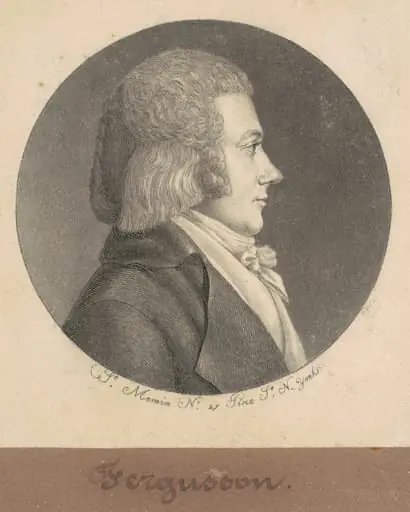
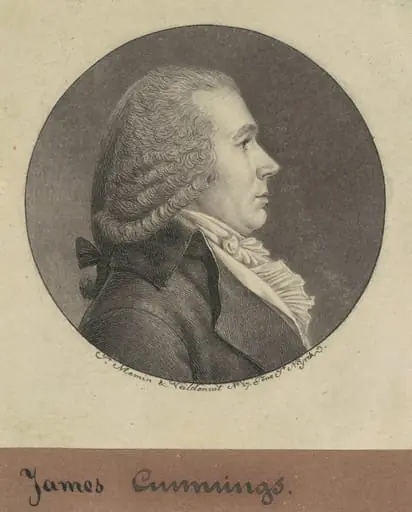
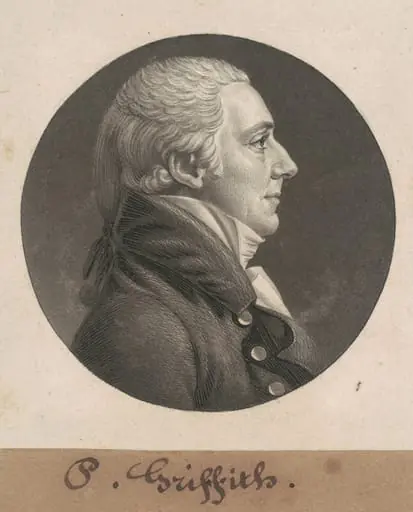
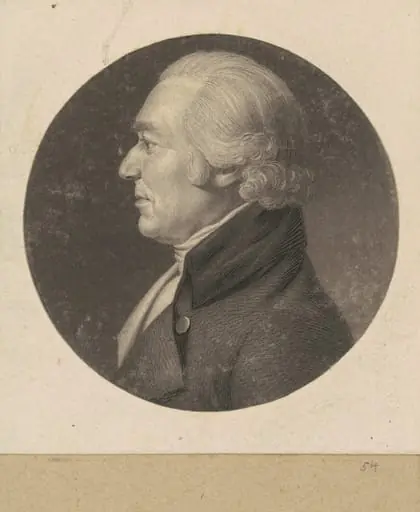
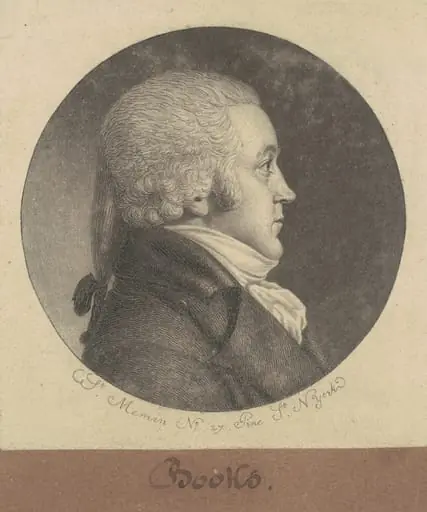
William Seton is an ink print by the Romanticist artist Charles Balthazar Julien Févret de Saint-Mémin. It dates from 1797 and is held in the collection of the National Gallery of Art.
About this work
Overview
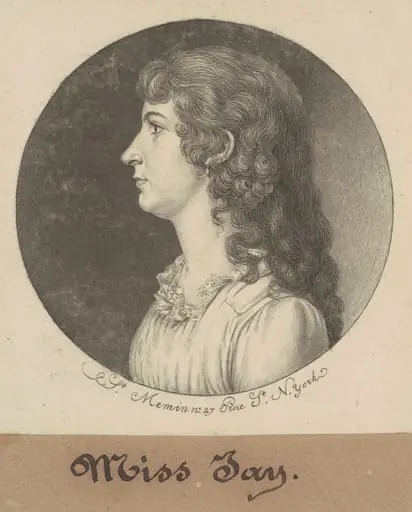
This small black-and-white print, created in 1797, depicts William Seton in profile. Executed in mezzotint and engraving on wove paper, it is mounted on a brown wove support. Measuring just over five centimeters square, the work is part of the Corcoran Collection. The technique demands precision, as the metal plate degrades quickly under pressure, limiting the edition to a single impression.
Subject & Meaning
The portrait serves as a personal record, typical of the era’s interest in documenting individuals through refined graphic portraiture.
William Seton, a prominent figure in early American society, is portrayed with quiet formality. His profile, framed by a high collar and cravat, conveys social standing without overt symbolism. The lighting emphasizes the contours of his face, suggesting introspection rather than grandeur. The portrait serves as a personal record, typical of the era’s interest in documenting individuals through refined graphic portraiture.
Technique & Style
The artist employed mezzotint, a labor-intensive method that begins with a roughened copper plate, then selectively smoothed to render tonal gradations. Fine engraving lines define details like the cravat and hair. The subtle transitions from deep shadow to soft highlight rely entirely on the plate’s texture, not ink washes. The result is a delicate, intimate rendering, characteristic of Saint-Mémin’s precision in small-scale portraiture.
History & Provenance
Created in 1797 during Charles B. J. Févret de Saint-Mémin’s time in the United States, the print was made from a single plate that wore out after one impression. It entered the Corcoran Collection in the 19th century and remained there until the collection’s dispersal. Its survival as a unique impression underscores the fragility of early mezzotint processes and the rarity of such small-format portraits.
Context
In late 18th-century America, mezzotint portraiture was a niche practice, favored for its ability to capture subtle facial modeling. Saint-Mémin, a French émigré, became one of the few artists in the U.S. mastering the technique. His small-scale portraits of civic leaders like Seton reflect a growing demand for personal likenesses among the educated elite, distinct from large-scale oil painting traditions.
Legacy
Though few in number, Saint-Mémin’s mezzotints remain significant for their technical rigor and historical documentation. This portrait of William Seton exemplifies the artist’s contribution to American graphic art, preserving the likenesses of early national figures with a quiet dignity. Its rarity and craftsmanship offer insight into the limits and possibilities of printmaking before industrial reproduction.
Artist & collection

Artist
Charles Balthazar Julien Févret de Saint-Mémin
Charles Balthazar Julien Févret de Saint-Mémin (French pronunciation: ; 1770–1852) was a French portrait painter and museum director.