Artwork
The Birth of the Virgin
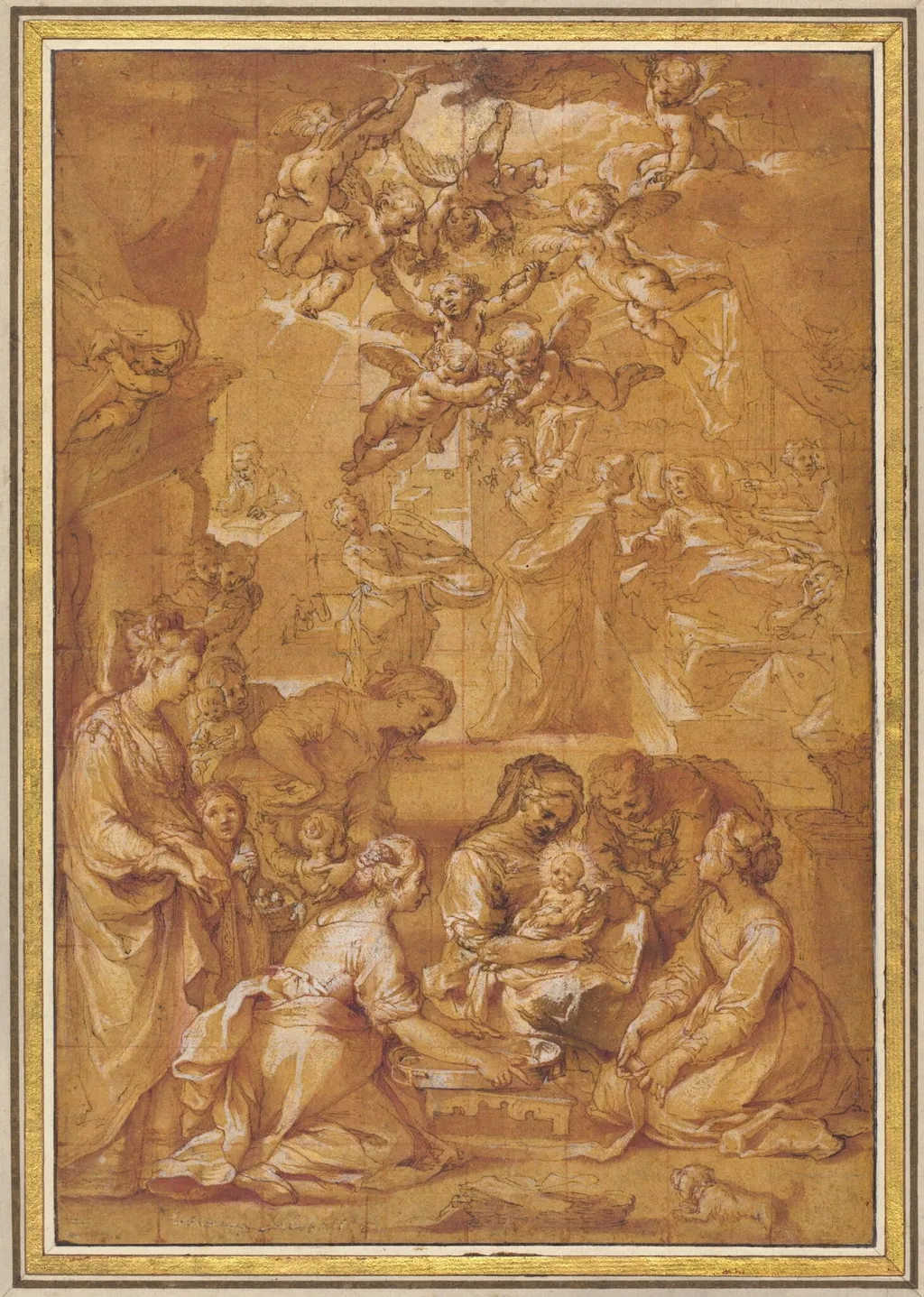
The Birth of the Virgin is an ink drawing by the Baroque artist Ventura Salimbeni. It dates from 1608 and is held in the collection of the National Gallery of Art.
About this work
Overview
This drawing by Ventura Salimbeni, dated 1608, depicts the birth of the Virgin Mary using pen and ink with washes of brown and sanguine, enhanced by white gouache and underdrawn in red chalk. Executed on ochre-washed laid paper, the work combines precise linear structure with delicate tonal modeling, reflecting a transitional approach between preparatory sketch and finished composition.
Subject & Meaning
The scene centers on the newborn Virgin, cradled by her mother, Saint Anne, surrounded by attendants who kneel or observe in quiet reverence. Above, a host of angels ascends in swirling motion, their outstretched limbs suggesting divine presence. The composition merges earthly intimacy with celestial celebration, emphasizing the sacred significance of Mary’s origin within Christian tradition.
Technique & Style
Salimbeni employed layered washes and controlled ink lines to suggest volume and movement, while white gouache highlights add luminosity to drapery and angelic forms. Red chalk underdrawing guides the figures’ contours, and the ochre ground unifies the tonal range. The effect is neither fully rendered nor sketchlike, but deliberately atmospheric—balancing naturalism with ethereal suggestion.
History & Provenance
Created during Salimbeni’s mature period in Siena, the drawing likely served as a preparatory study for a larger altarpiece or fresco cycle. Its survival in good condition suggests it was valued early as a work of artistic merit rather than merely a functional sketch. No definitive early ownership records exist, but its technique aligns with Sienese devotional practices of the time.
Context
In early 17th-century Italy, religious subjects dominated artistic production, particularly in regions like Siena where Counter-Reformation piety emphasized emotional immediacy. Salimbeni’s use of soft washes and luminous highlights reflects influences from both Mannerist elegance and emerging Baroque dynamism, positioning this drawing within a local tradition of devotional imagery that prioritized spiritual resonance over grandeur.
Legacy
Though not widely exhibited, the drawing exemplifies the sophistication of Italian draftsmanship at the turn of the century. Its blend of preparatory discipline and expressive finish influenced later Sienese artists who sought to convey sacred narratives with emotional subtlety. It remains a key example of how drawing functioned as both study and independent devotional object.
Artist & collection


![Figure of a Man [recto], by Ventura Salimbeni](https://artifactworldgallery.com/img/ventura-salimbeni--figure-of-a-man-recto--31a0299707350915-w320.webp)
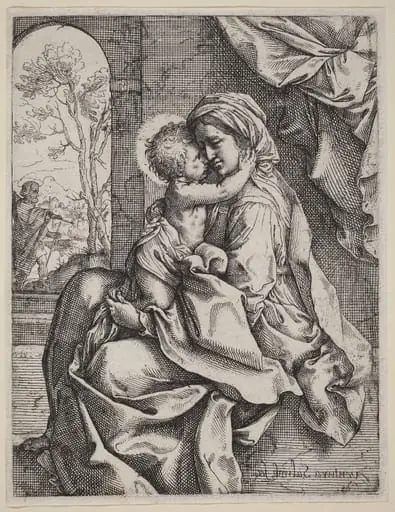
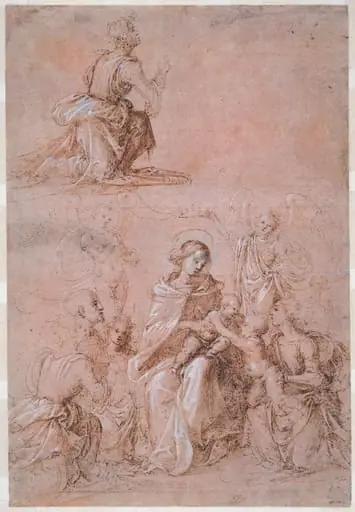 The Virgin and Child Surrounded by Saints and Angels
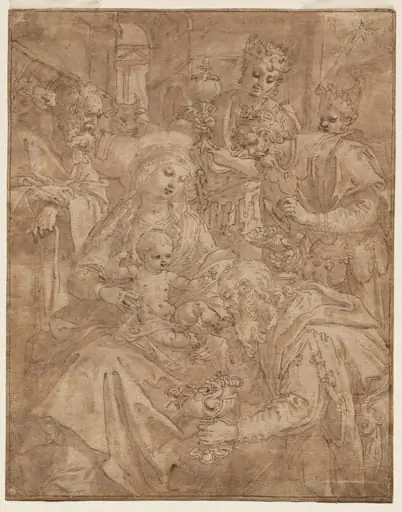 Adoration of the Magi
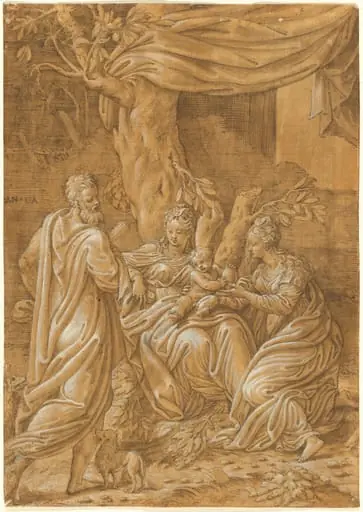 Virgin and Child with the Prophet Daniel and Mary Magdalene
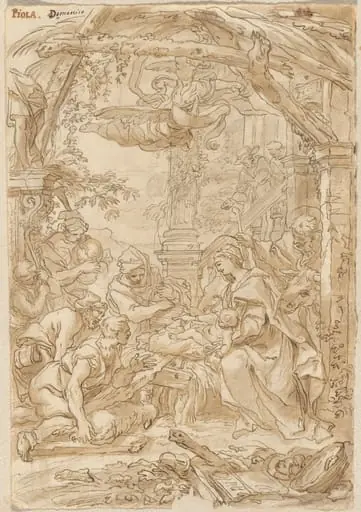 The Adoration of the Shepherds
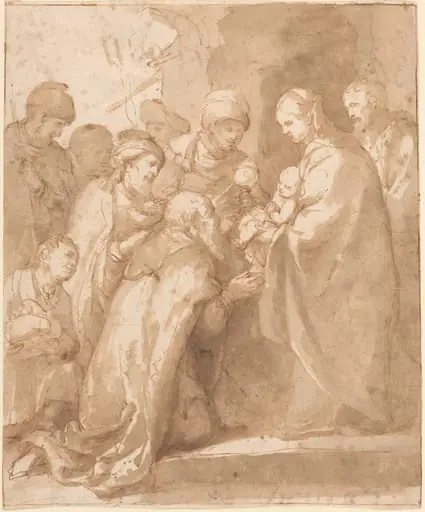 The Adoration of the Magi
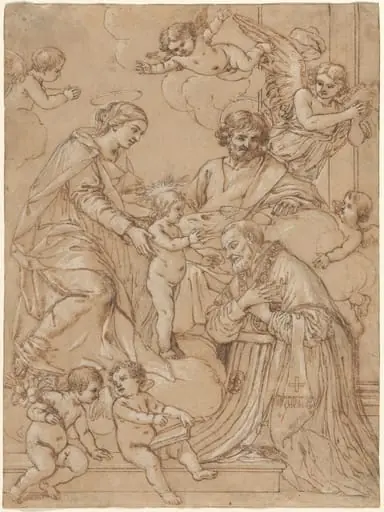 The Holy Family with Saint Philip Neri in Adoration, an Angel, and Putti
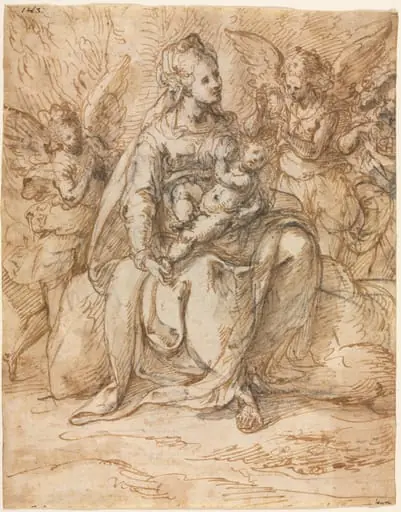 Madonna and Child with Angels
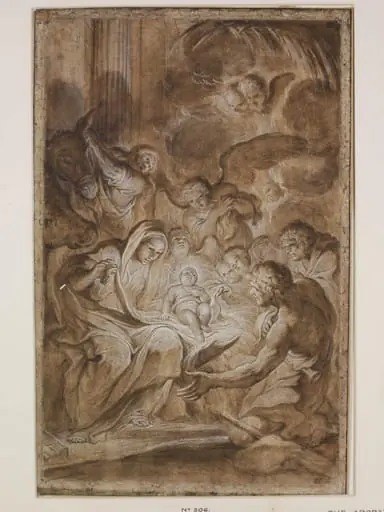 Adoration of the Shepherds
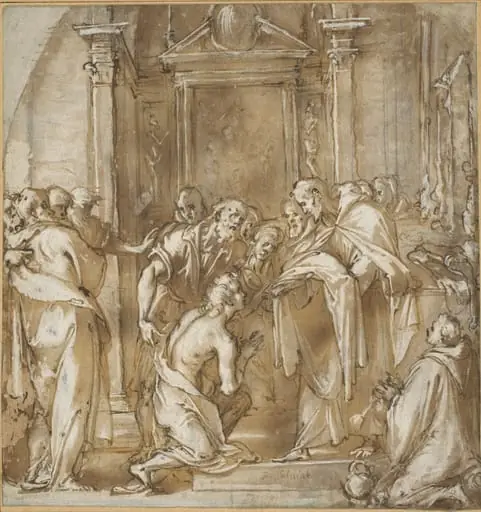 Saint Vincent Ferrer Taking His Vestments
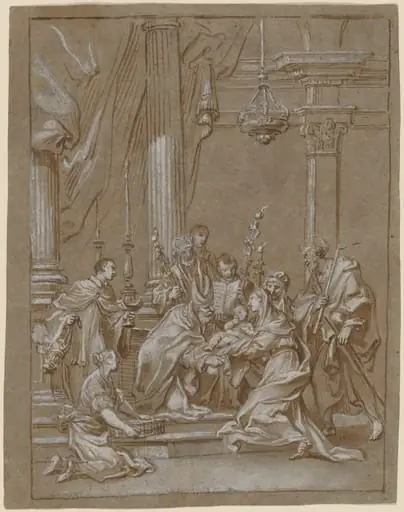 The Presentation in the Temple
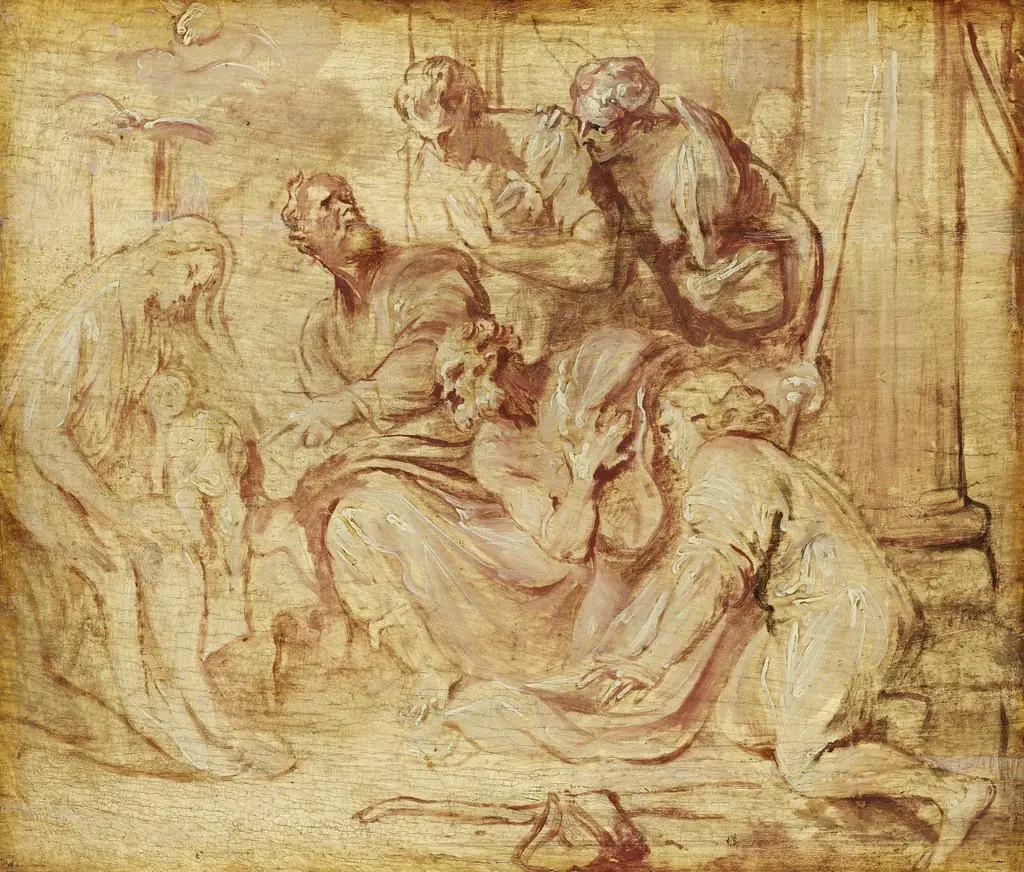 Adoration of the Shepherds (study)
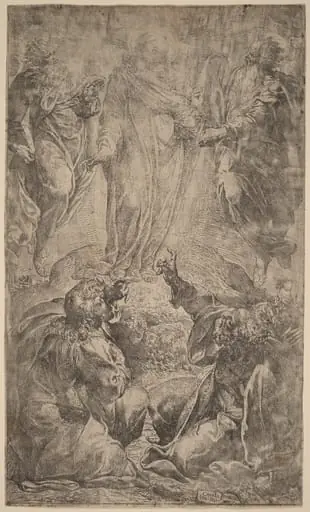 The Transfiguration