Artwork
The Witch
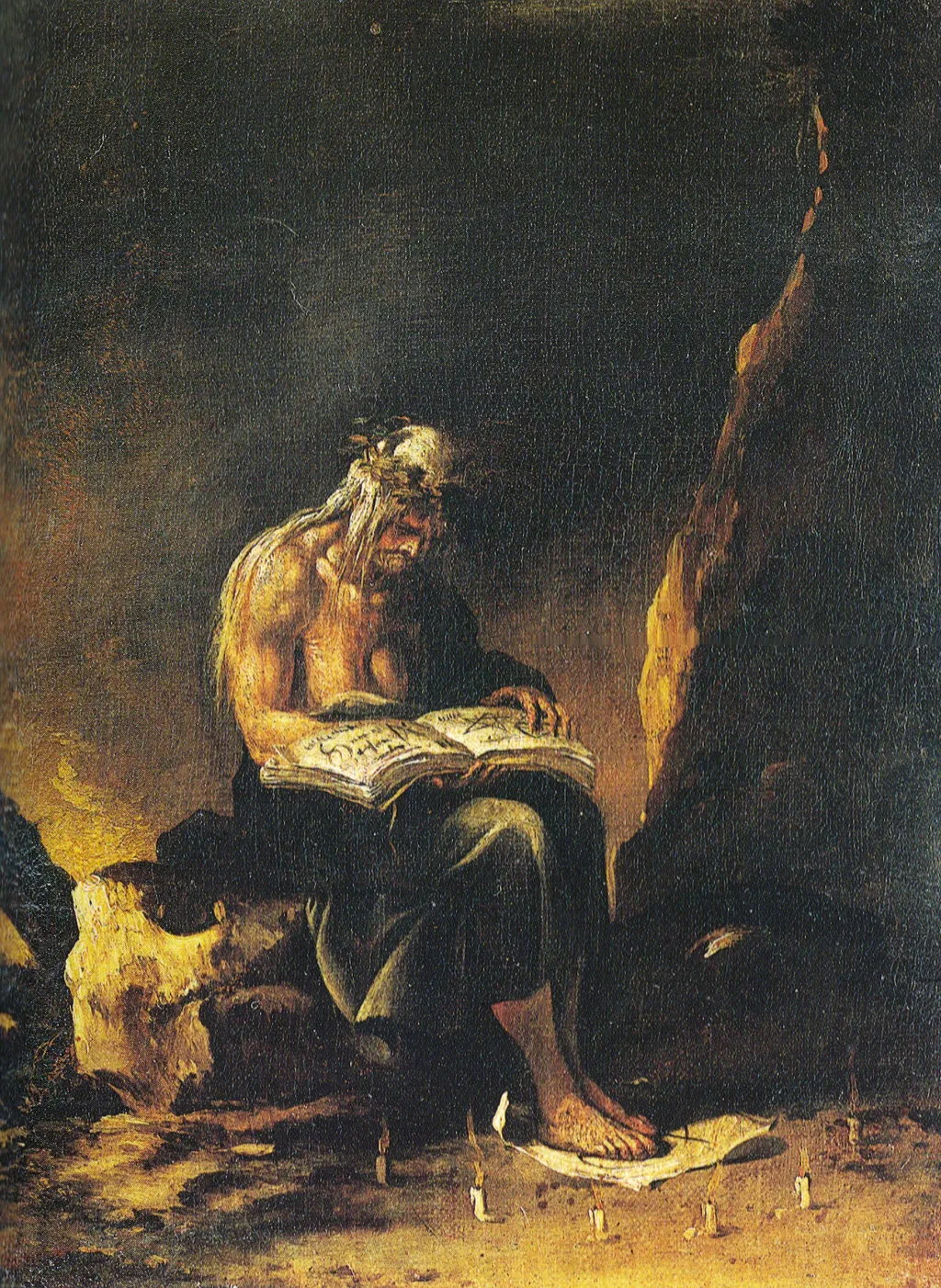
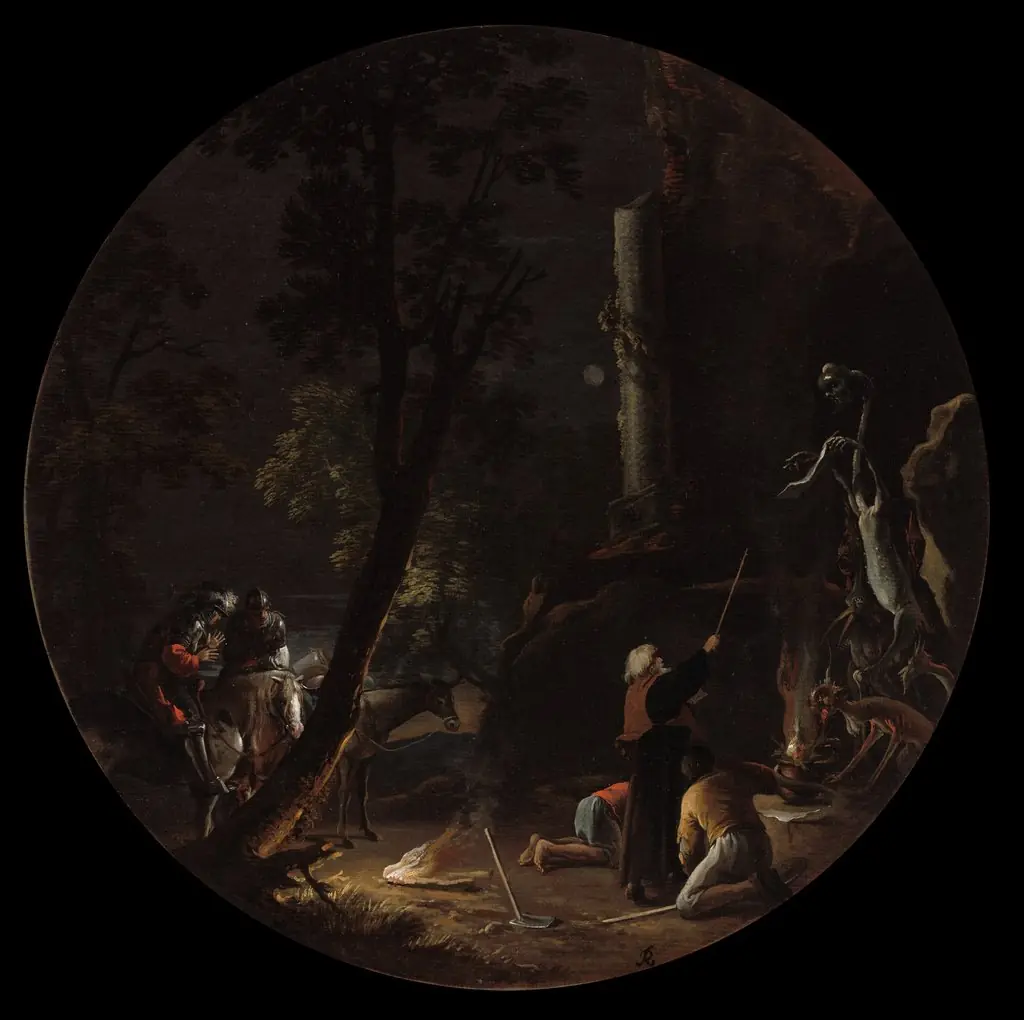
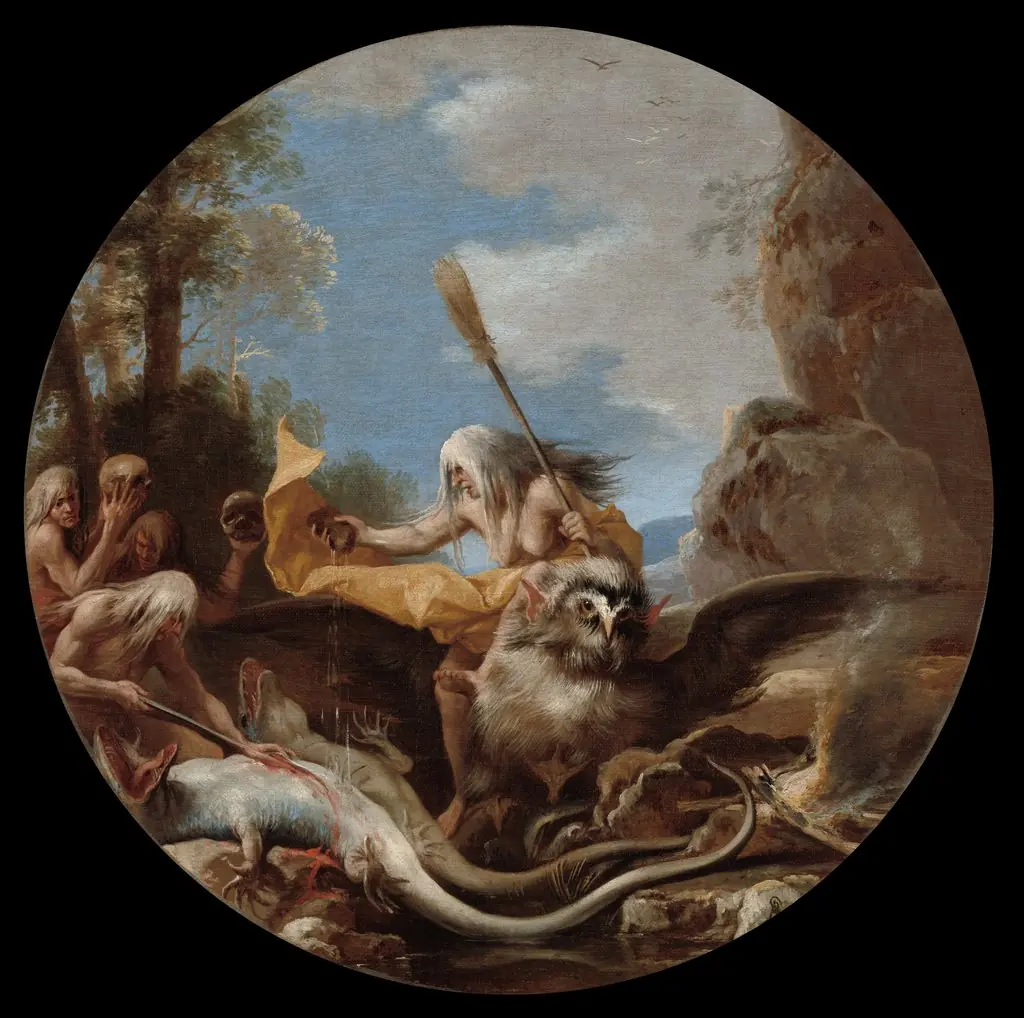
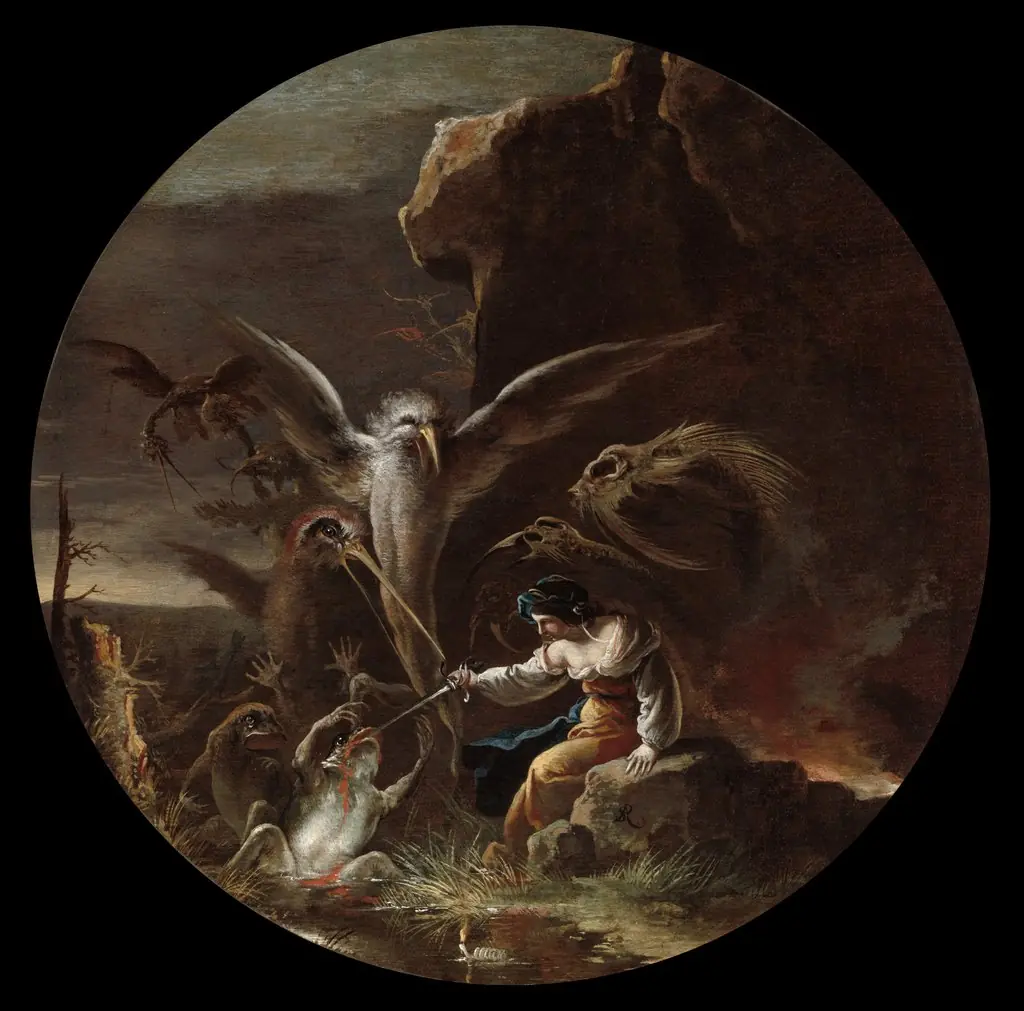
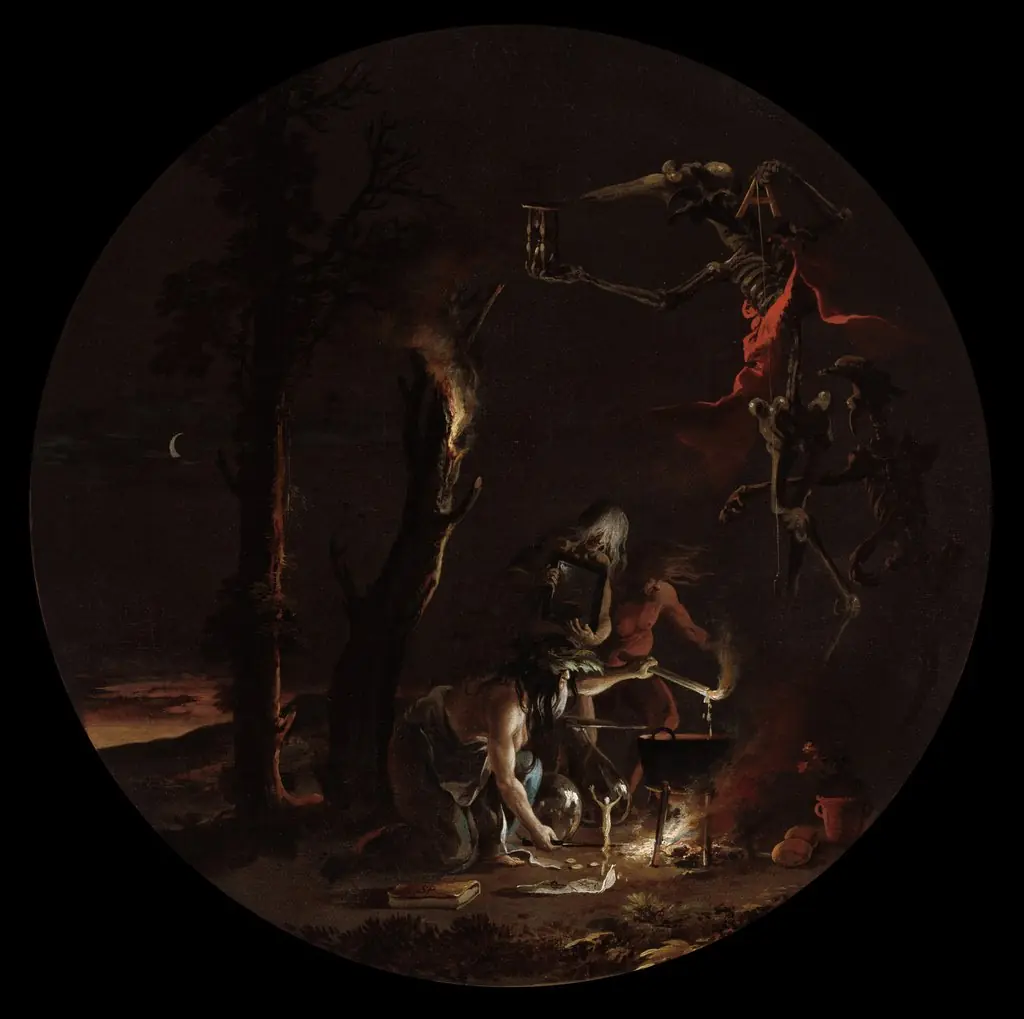
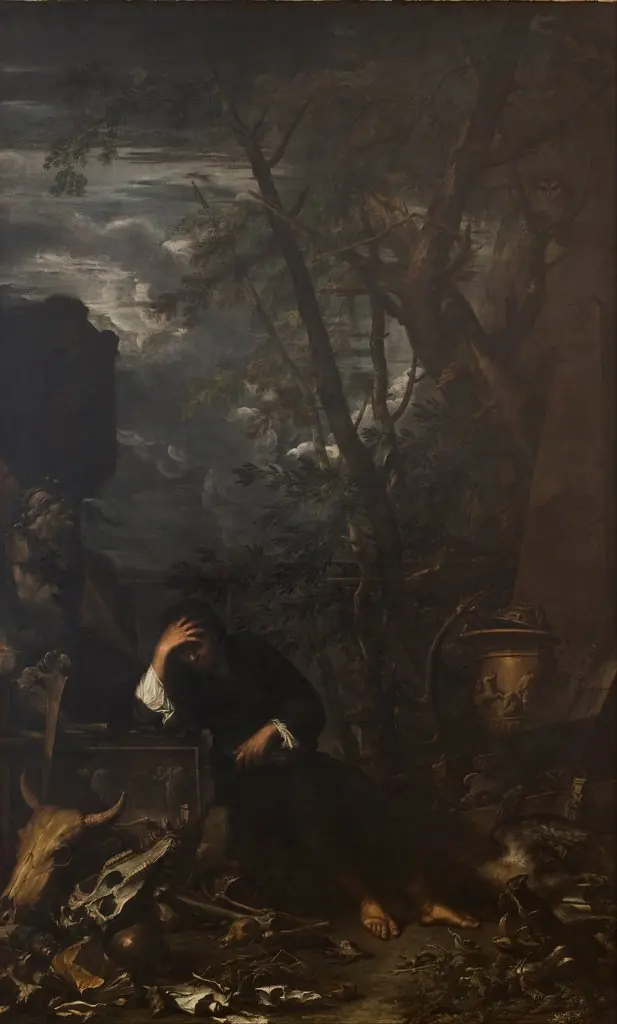
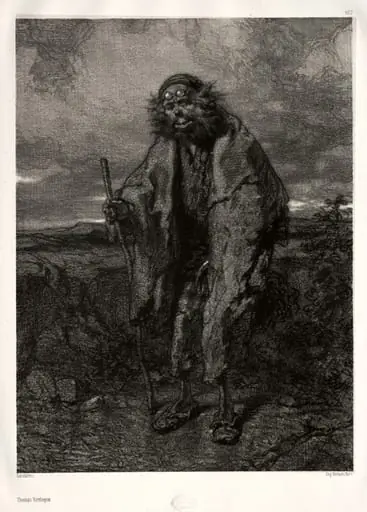
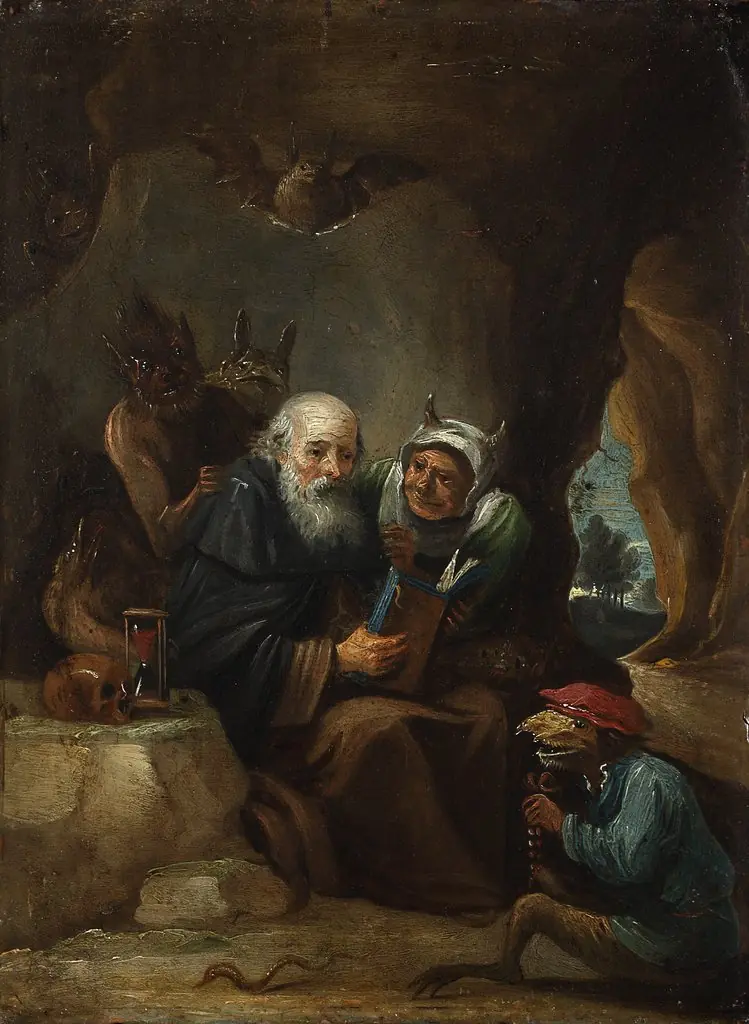
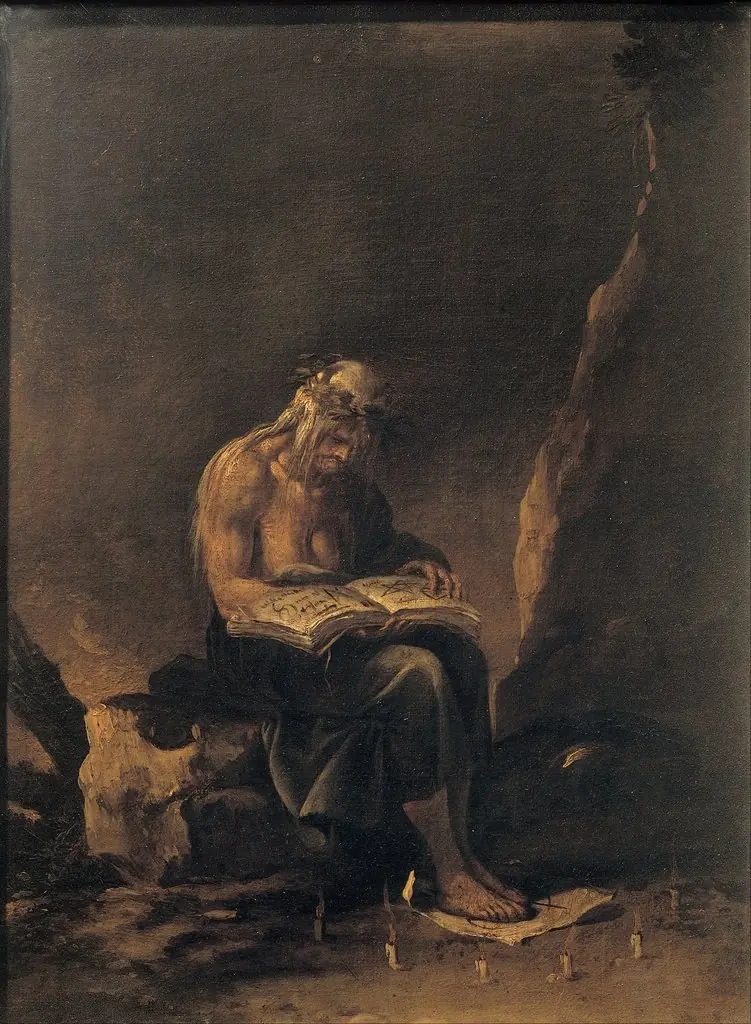
The Witch is an unspecified painting by the Early Baroque Italian artist Salvator Rosa. It dates from 1646 and is held in the collection of the Capitoline Museums.
About this work
Overview
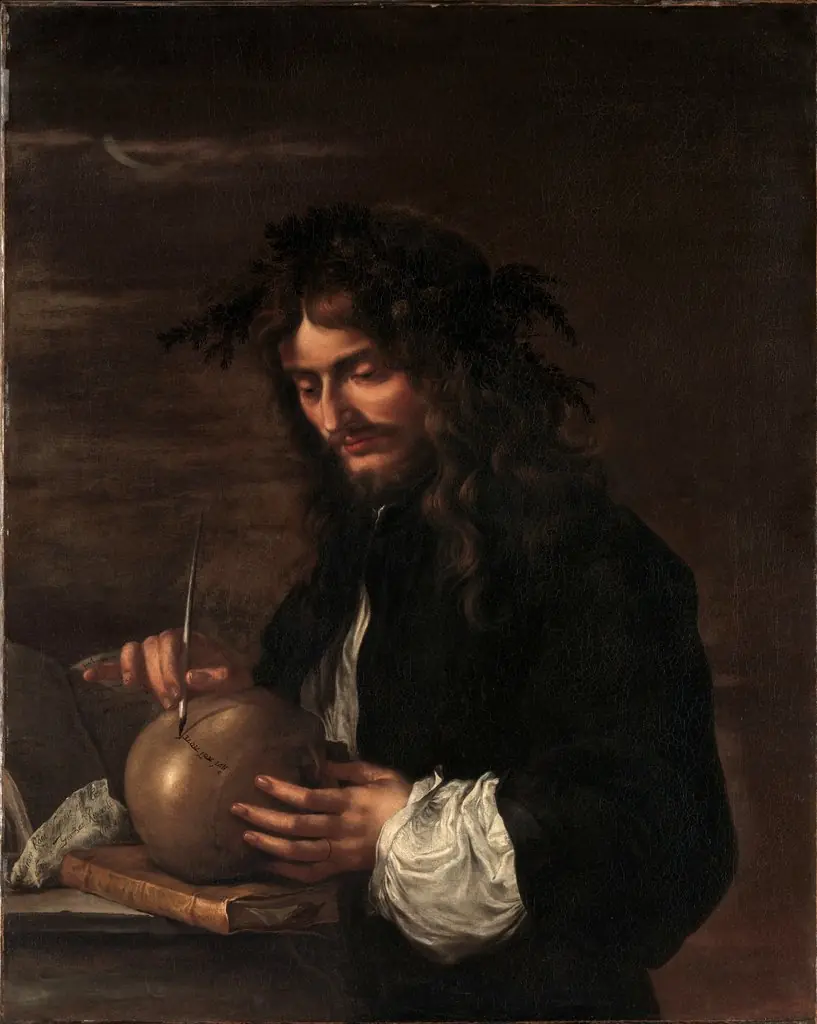
Created in 1646 by the Italian Baroque painter Salvator Rosa, *The Witch* is part of the collection of the Capitoline Museums in Rome. The work exemplifies Rosa’s interest in dramatic, natural settings and his penchant for scenes that combine narrative tension with a contemplative mood.
Subject & Meaning
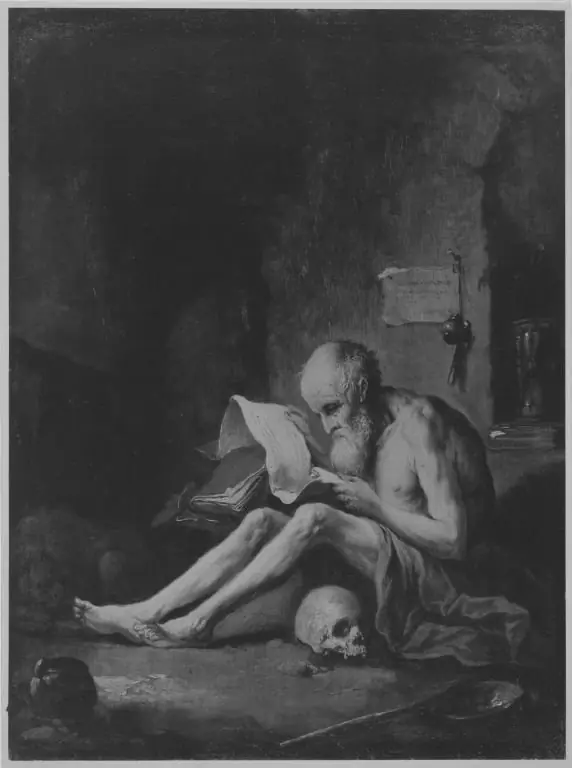
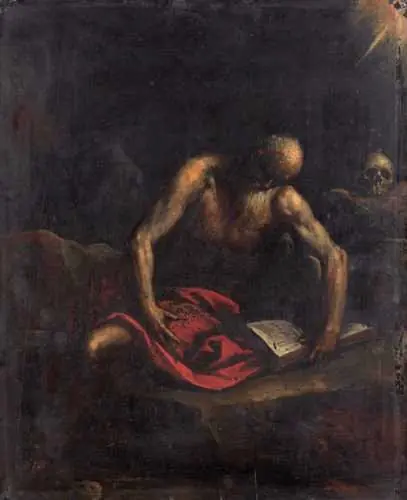
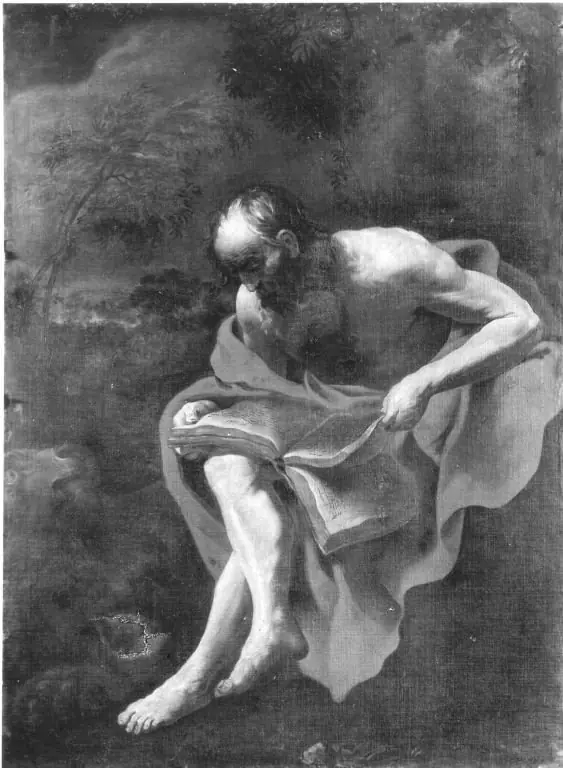
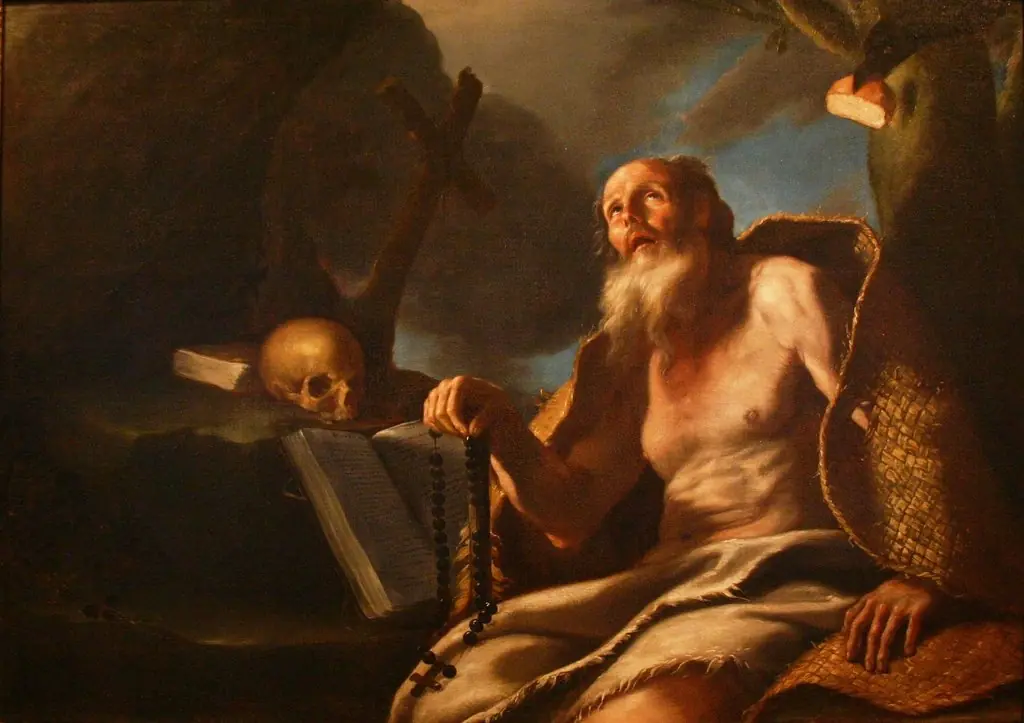
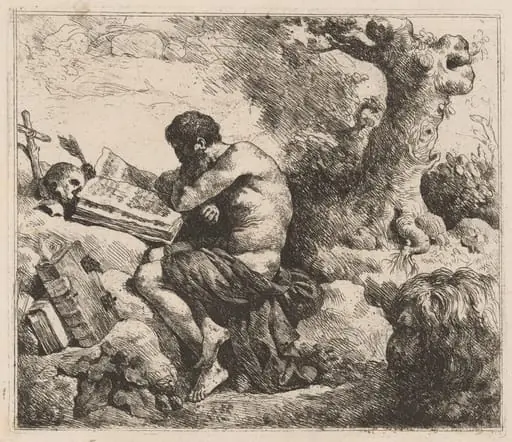
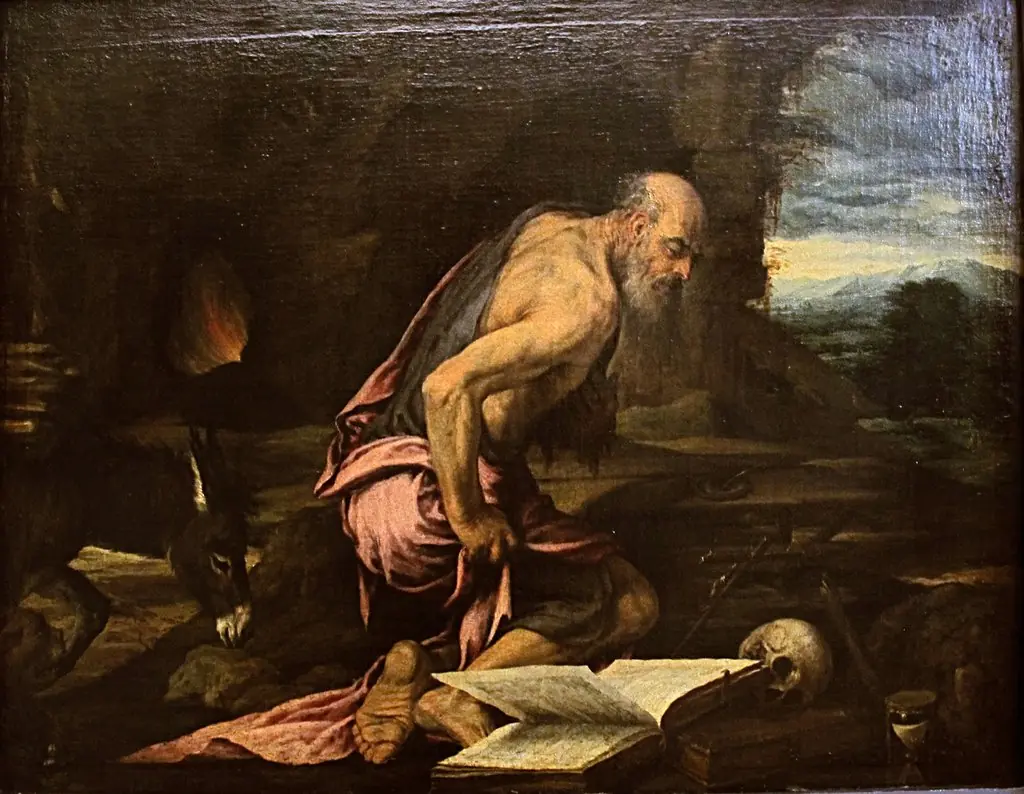
The canvas shows a naked‑torso man perched on a rock, absorbed in a large, open book. His long hair and beard frame a focused expression, while his bare feet rest on a sheet of paper bearing faint script. Candles flicker around him, casting soft shadows that enhance the intimate atmosphere of study and perhaps allude to the occult or scholarly pursuit suggested by the title.
Technique & Style
Rosa employs the chiaroscuro typical of early Baroque, using candlelight to model the figure’s musculature and to create a stark contrast between illuminated foreground and a deep, indeterminate background. The brushwork is vigorous yet controlled, rendering the rock and drapery with a tactile realism that heightens the scene’s dramatic intensity.
History & Provenance
The painting was produced during Rosa’s mature period, when he was active in Naples, Rome, and Florence and was known for both landscape and history subjects. After remaining in private hands for several centuries, *The Witch* entered the Capitoline Museums’ collection, where it is displayed as an example of Rosa’s baroque imagination and his engagement with themes of knowledge and mystery.
Artist & collection
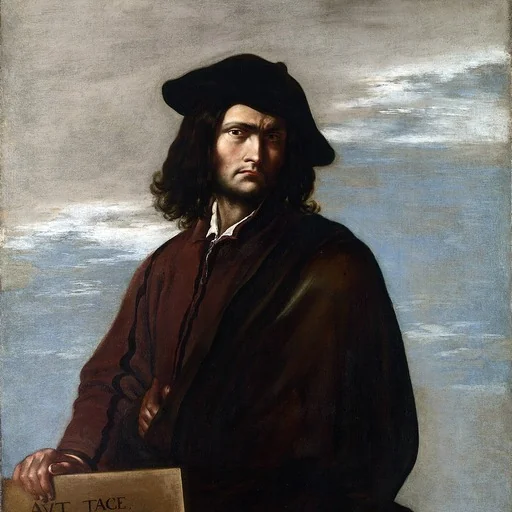
Artist
Salvator Rosa (1615 – 15 March 1673) is best known today as an Italian Baroque painter, whose romanticised landscapes and history paintings, often set in dark and untamed nature, exerted considerable influence from the 17th century into…