Artwork
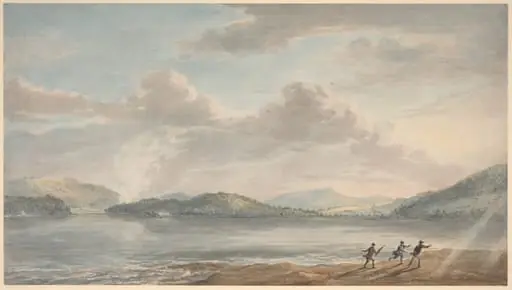
Prospect of the Entrance into the Tower [of London] taken from the back of the Stone Kitchen
![Prospect of the Entrance into the Tower [of London] taken from the back of the Stone Kitchen, by Paul Sandby, watercolor, 1746](https://artifactworldgallery.com/img/paul-sandby--prospect-of-the-entrance-into-the-tower-of-london-taken-from--b35494ee95d2329d-w1024.webp)
Prospect of the Entrance into the Tower [of London] taken from the back of the Stone Kitchen is a watercolor work on paper by the Baroque artist Paul Sandby. It dates from 1746 and is held in the collection of the Victoria and Albert Museum.
About this work
Overview
The work exemplifies an early stage in Sandby’s career, predating his later reputation as a topographical draughtsman.
Paul Sandby’s 1746 watercolour captures a modest perspective of the Tower of London, looking eastward from the back of the stone kitchen that once served the fortress. The composition frames the tower’s rear gate against a muted sky, with everyday figures moving along the courtyard. The work exemplifies an early stage in Sandby’s career, predating his later reputation as a topographical draughtsman.
Subject & Meaning
Rather than emphasizing the tower’s grandeur, the drawing foregrounds the ordinary stone kitchen, allowing the historic fortress to appear as part of a lived environment. The inclusion of small, anonymous pedestrians underscores routine activity, suggesting that even monumental architecture is integrated into daily life. This approach reflects an emerging interest in documenting ordinary scenes alongside celebrated landmarks.
Technique & Style
Executed in watercolor, the piece employs delicate washes to render the soft gray atmosphere and the warm tones of the brick walls. Sandby’s handling of light creates a subtle gradation that softens architectural edges, a precursor to the atmospheric effects later associated with the sfumato technique. The overall effect is restrained, favoring observation over dramatization.
History & Provenance
The drawing was presented to the Board of Ordnance in March 1746 as a demonstration of Sandby’s abilities, supporting his appointment as a draughtsman for the Military Survey of Scotland. As one of his earliest surviving works, it marks his transition from amateur practice to official topographical work. The watercolour remains in a public collection, documented as part of the Board’s archival records.
Artist & collection
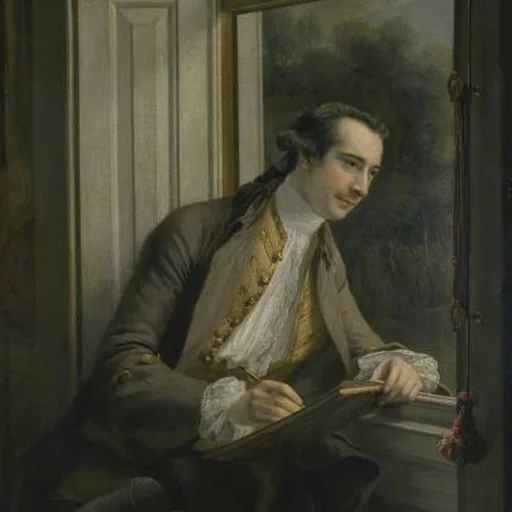
Artist
Paul Sandby, (1731 – 7 November 1809) was an English mapmaker and painter who specialised in landscape art. Along with his older brother Thomas Sandby, he was one of the founding members of the Royal Academy in 1768.

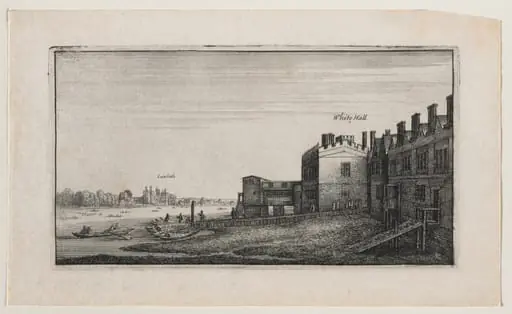 Whitehall from the River, with Lambeth in the Distance
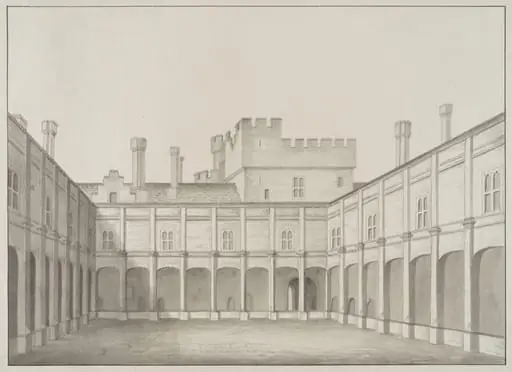 Interior of Green Court, looking south.
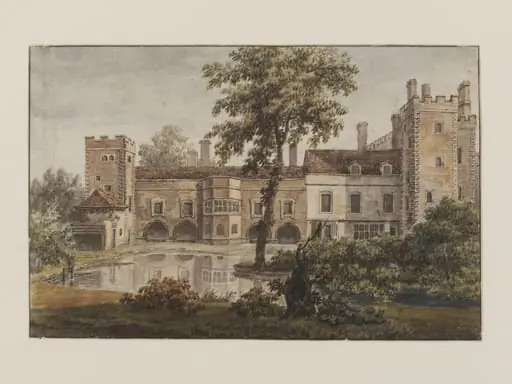 The Archbishop's Palace at Lambeth
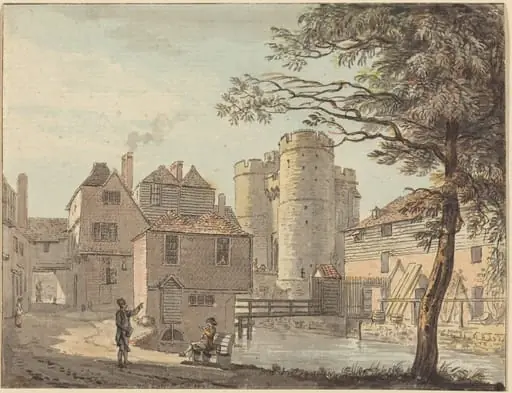 West Gate at Canterbury
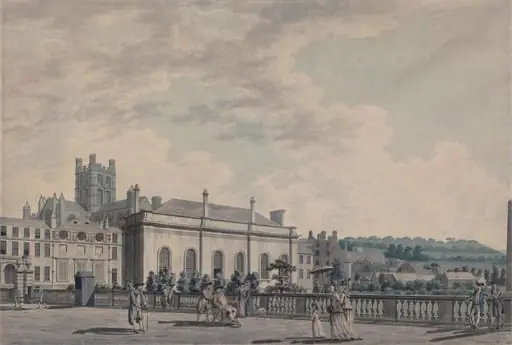 North Parade, Bath
![View of Merion [Merrion] Castle, 2 miles from Dublin [...], by Gabriel, ca.1729-1817 Beranger](https://artifactworldgallery.com/img/gabriel-ca-1729-1817-beranger--view-of-merion-merrion-castle-2-miles-from-dublin--ff55e85c19078a20-w320.webp) View of Merion [Merrion] Castle, 2 miles from Dublin [...]
View of Merion [Merrion] Castle, 2 miles from Dublin [...]![View of Monkstown Castle, 4 1/2 miles from Dublin [...], by Gabriel, ca.1729-1817 Beranger](https://artifactworldgallery.com/img/gabriel-ca-1729-1817-beranger--view-of-monkstown-castle-4-1-2-miles-from-dublin--9cf4cde63d5dec9c-w320.webp) View of Monkstown Castle, 4 1/2 miles from Dublin [...]
View of Monkstown Castle, 4 1/2 miles from Dublin [...]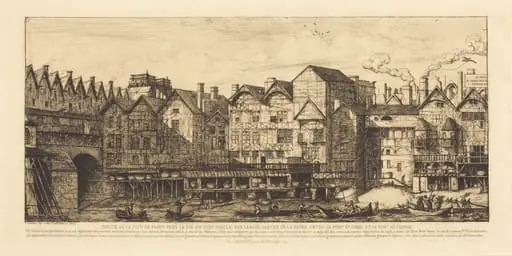 Partie de la Cité vers la fin du XVIIe siècle (View of the City of Paris Towards the Close of the XVIIth Century)
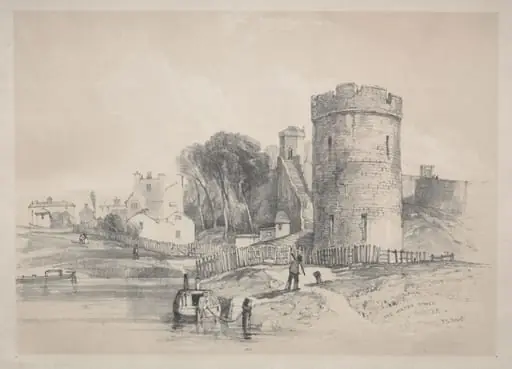 The Water Tower, Chester
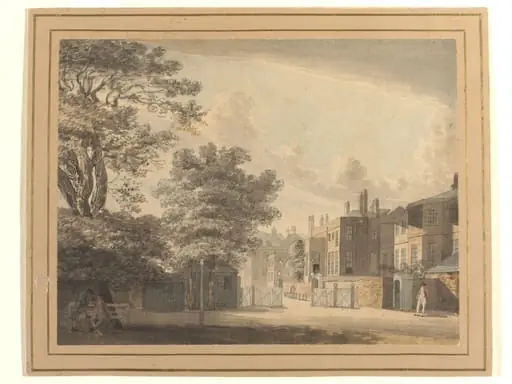 Birdcage Walk, London
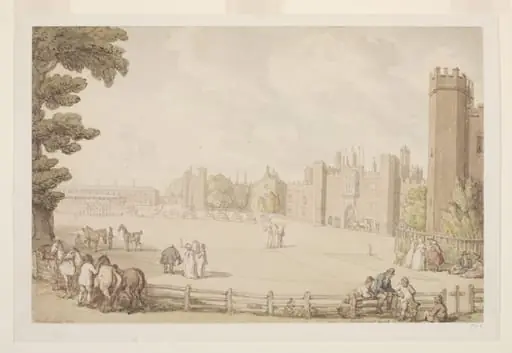 Hampton Court Palace
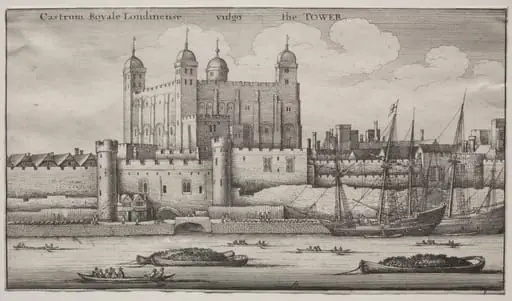 The Tower, London