Artwork
Portrait of a Young Woman as Portia Catonis
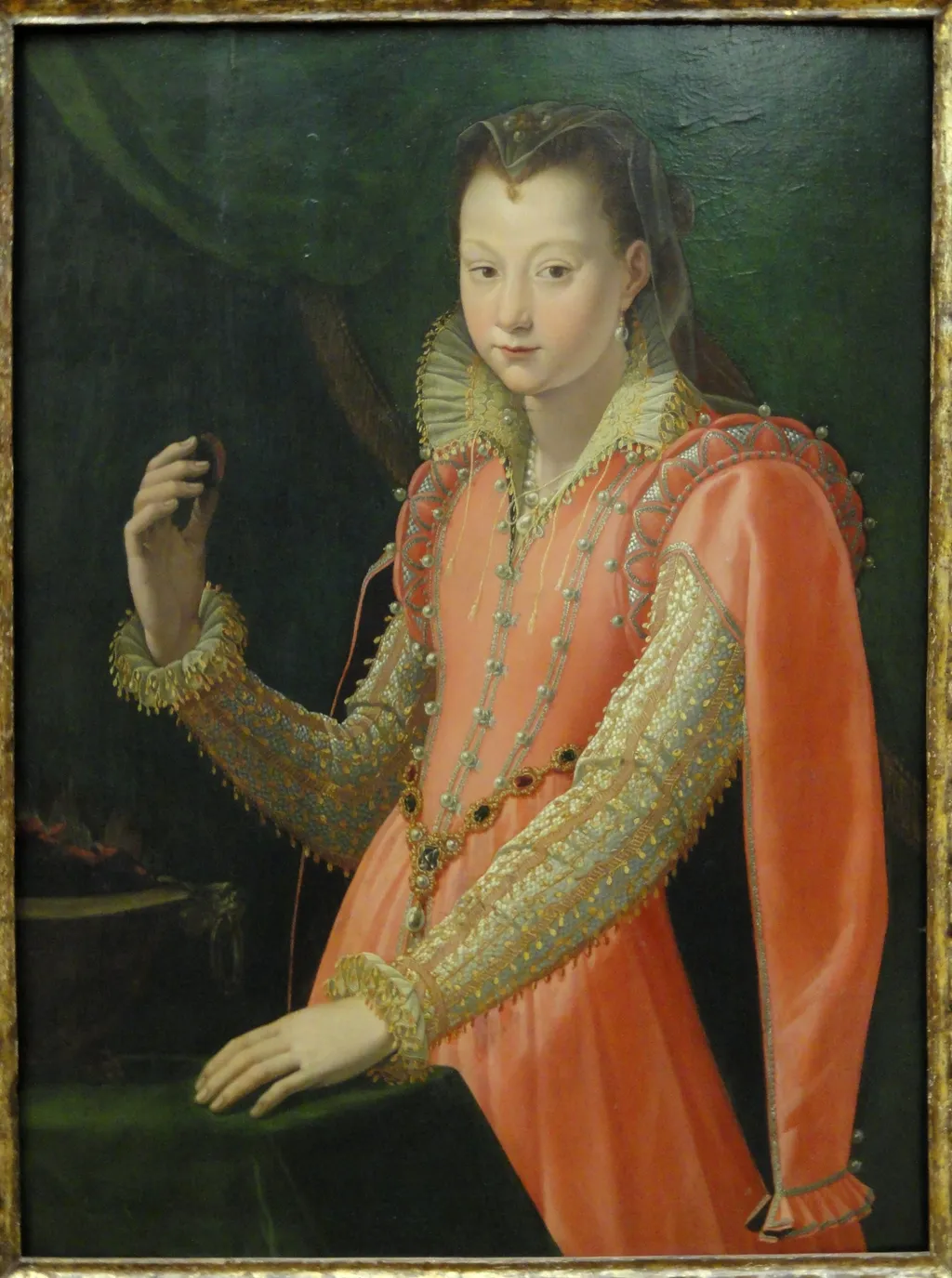
Portrait of a Young Woman as Portia Catonis is an unspecified painting by the Mannerist artist Santi di Tito. It dates from 1589 and is held in the collection of the Statens Museum for Kunst.
About this work
Overview
Created in 1589 by Santi di Tito, this portrait presents a young woman identified as Porcia, a figure from Roman history. Executed in the late‑Mannerist style that anticipates Baroque sensibilities, the painting now belongs to the Statens Museum for Kunst’s collection.
Subject & Meaning
The sitter is portrayed as Porcia Catonis, celebrated for her stoic virtue and tragic loyalty to her husband Brutus. By casting the model in this classical role, the work reflects contemporary interest in moral exempla drawn from antiquity, using the portrait as a vehicle for didactic representation.
Technique & Style
Rendered with a rich coral dress trimmed in gold and silver embroidery, the composition relies on strong chiaroscuro to model the figure against a deep, dark background. The high collar, belt, and delicately veiled face are highlighted by careful light contrasts that give the portrait a three‑dimensional presence.
History & Provenance
Since its completion, the painting has remained in private and institutional hands before entering the Statens Museum for Kunst. Documentation traces its acquisition to the museum’s early 20th‑century purchases of Italian Baroque and late‑Mannerist works.
Context
Santi di Tito was a leading figure in the Counter‑Maniera movement, which sought to temper the excesses of earlier Mannerism with clearer composition and naturalism. This portrait exemplifies that shift, combining elegant pose with a more restrained, realistic treatment of light and texture.
Artist & collection
Artist
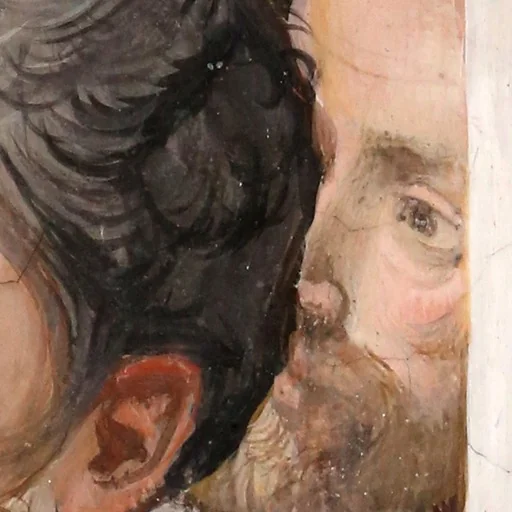
Santi di Tito (5 December 1536 – 25 July 1603) was one of the most influential and leading Italian painters of the proto-Baroque style – what is sometimes referred to as "Counter-Maniera" or Counter-Mannerism.

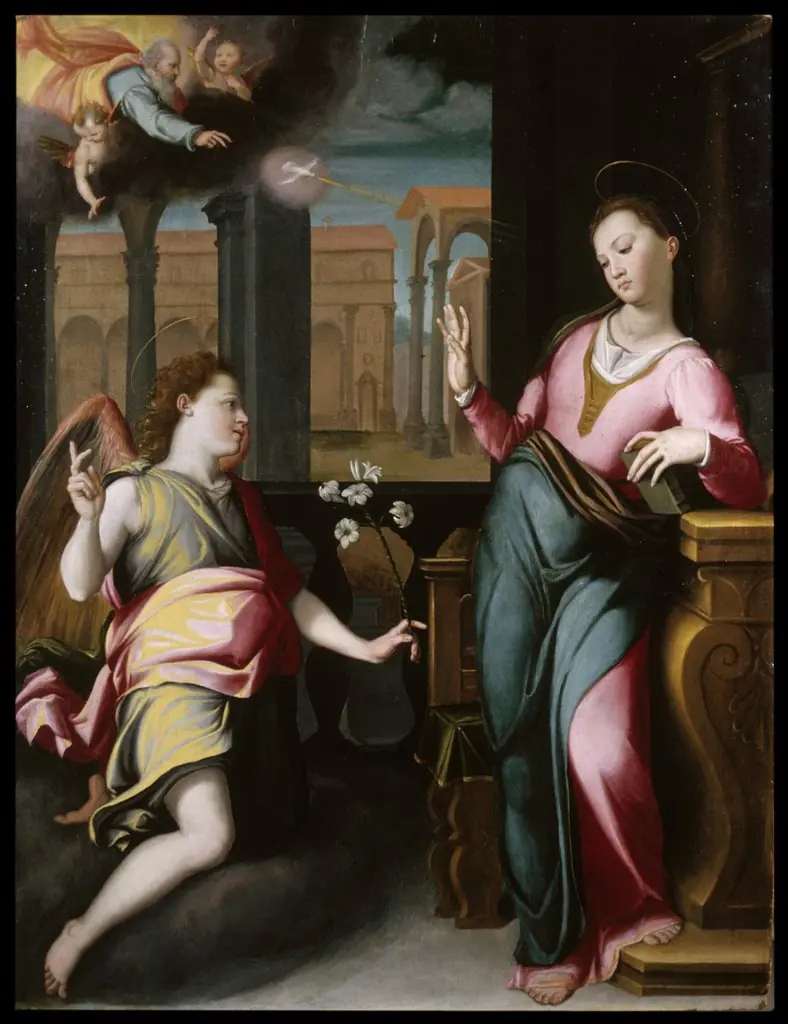
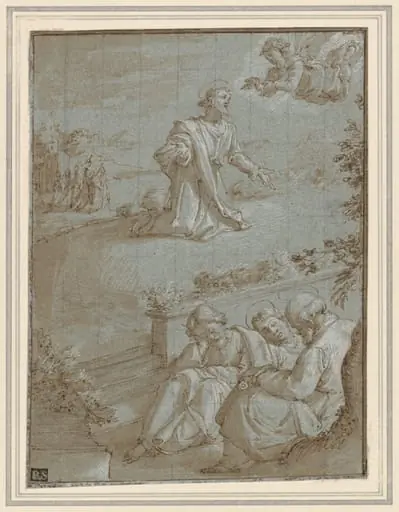
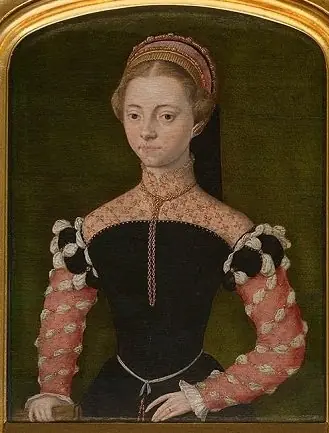 Portrait of a young woman
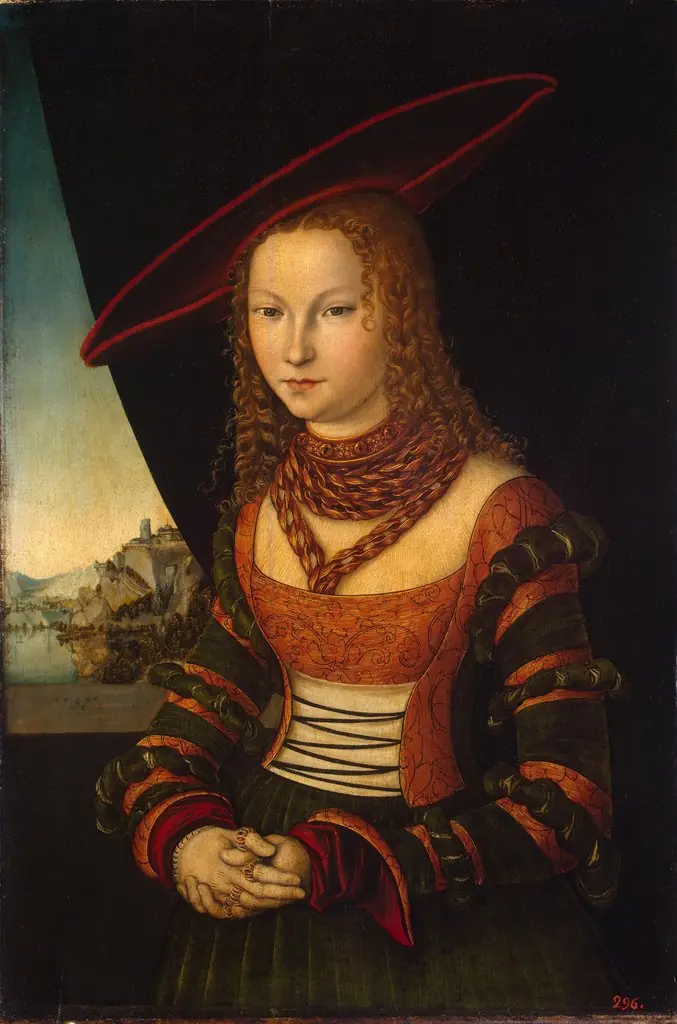 Portrait of a Young Woman
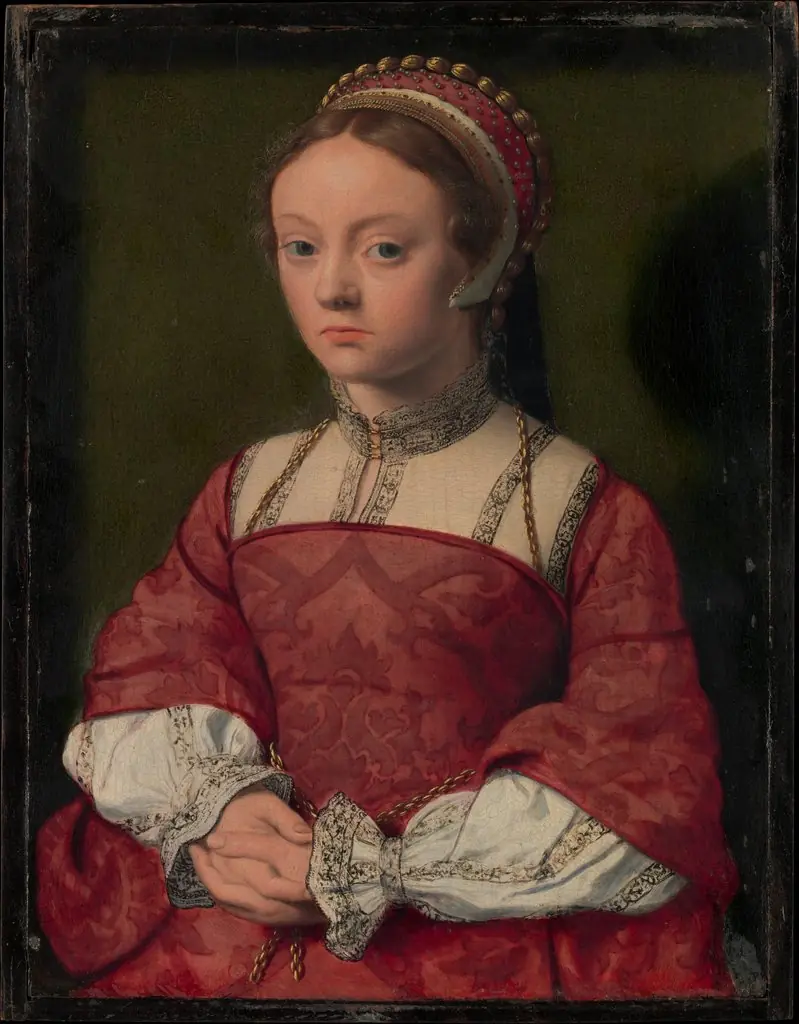 Portrait of a Young Woman
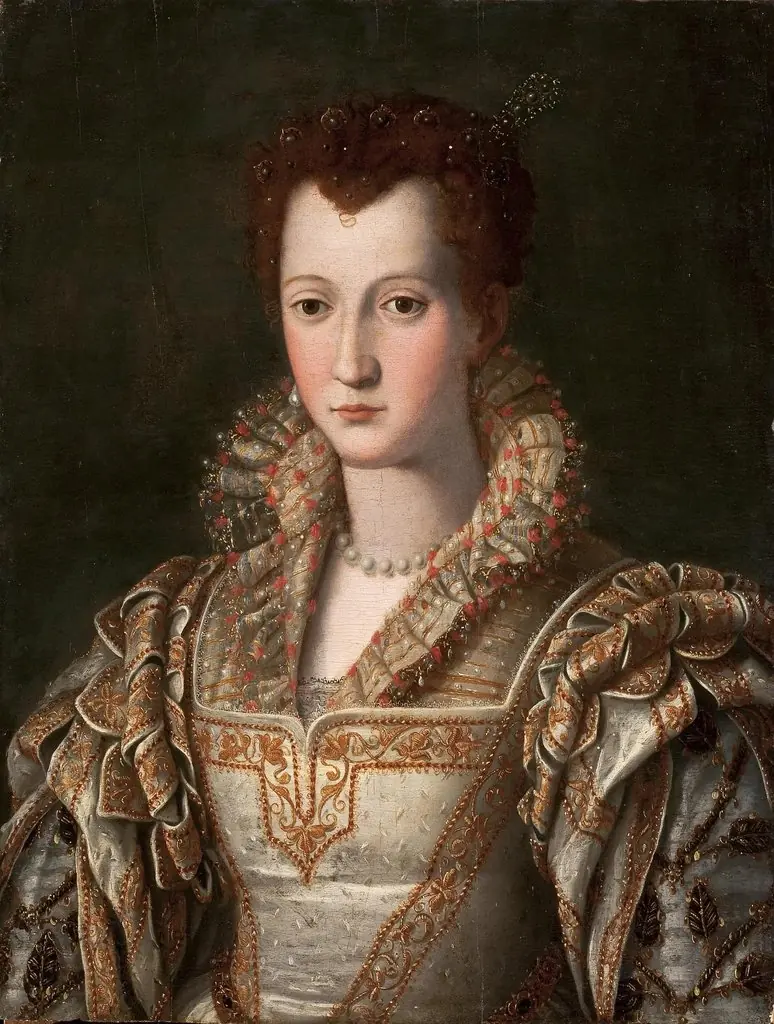 Portrait of Eleonora (Dianora) Medici of Toledo
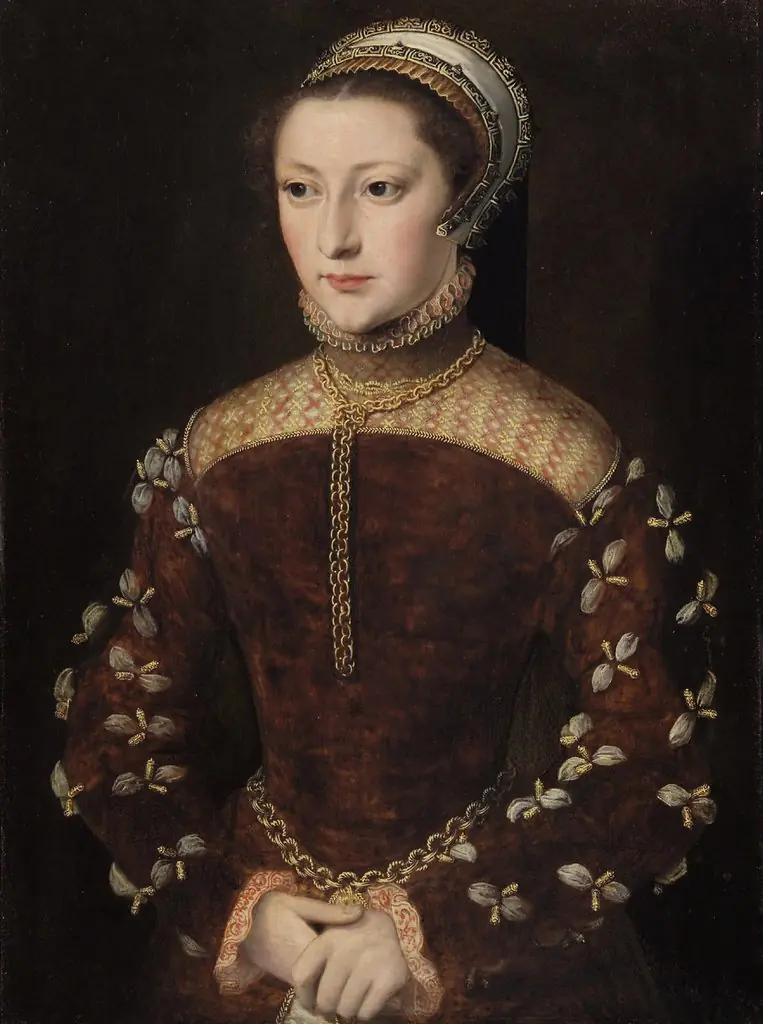 Weibliches Bildnis
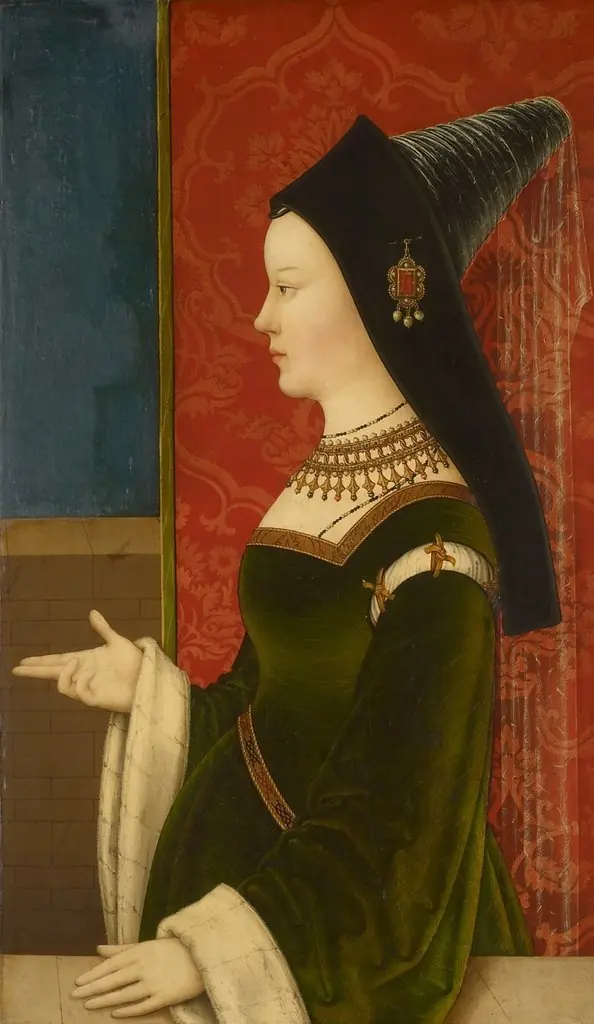 Mary Duchess of Burgundy
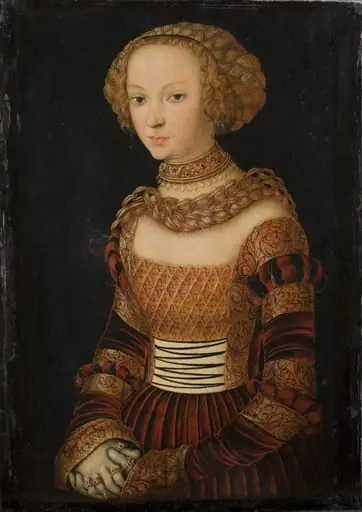 Portrait of a Young Woman. Princess Emily of Saxony?
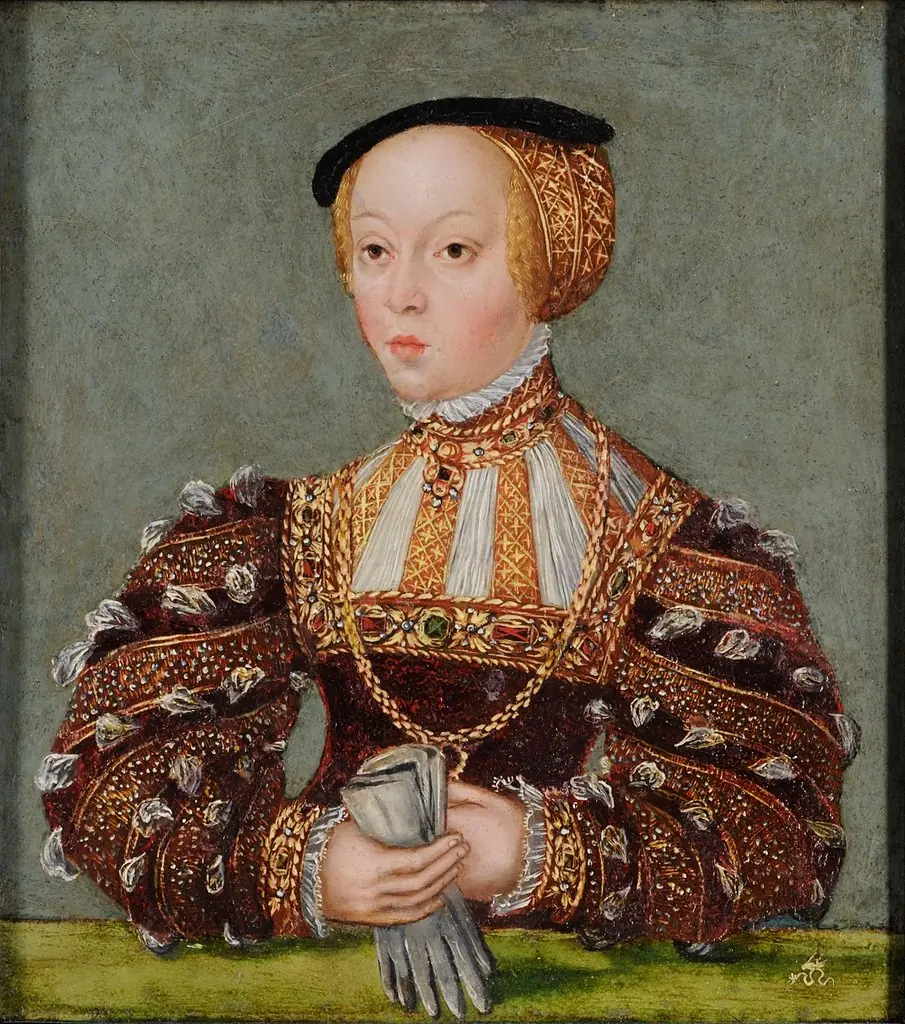 Elisabeth of Austria
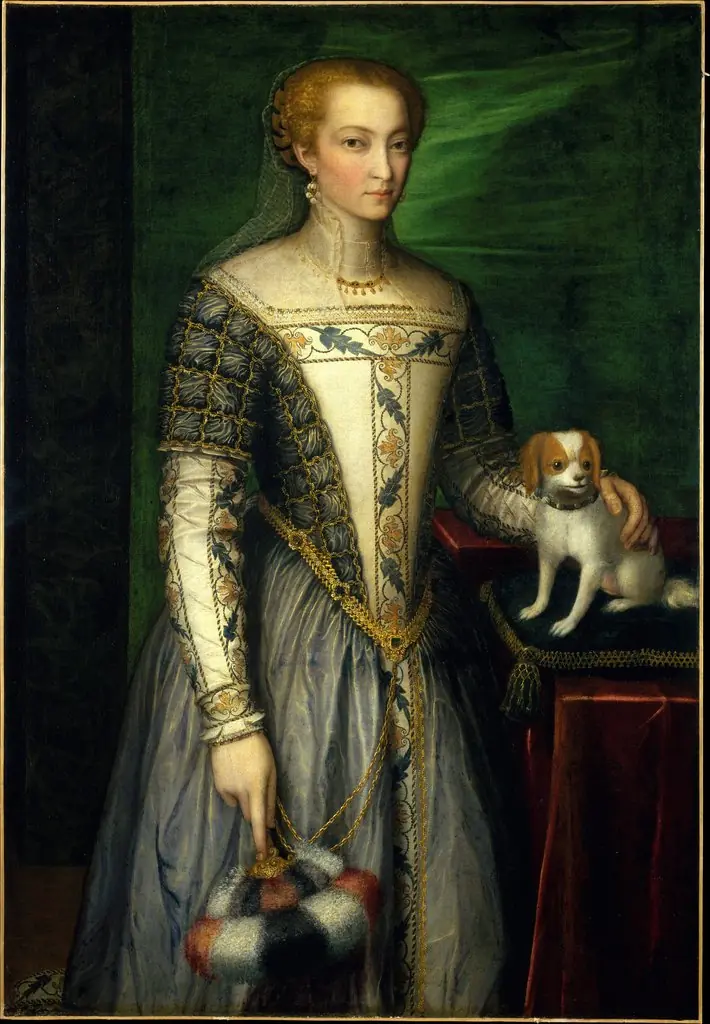 Portrait of a Woman
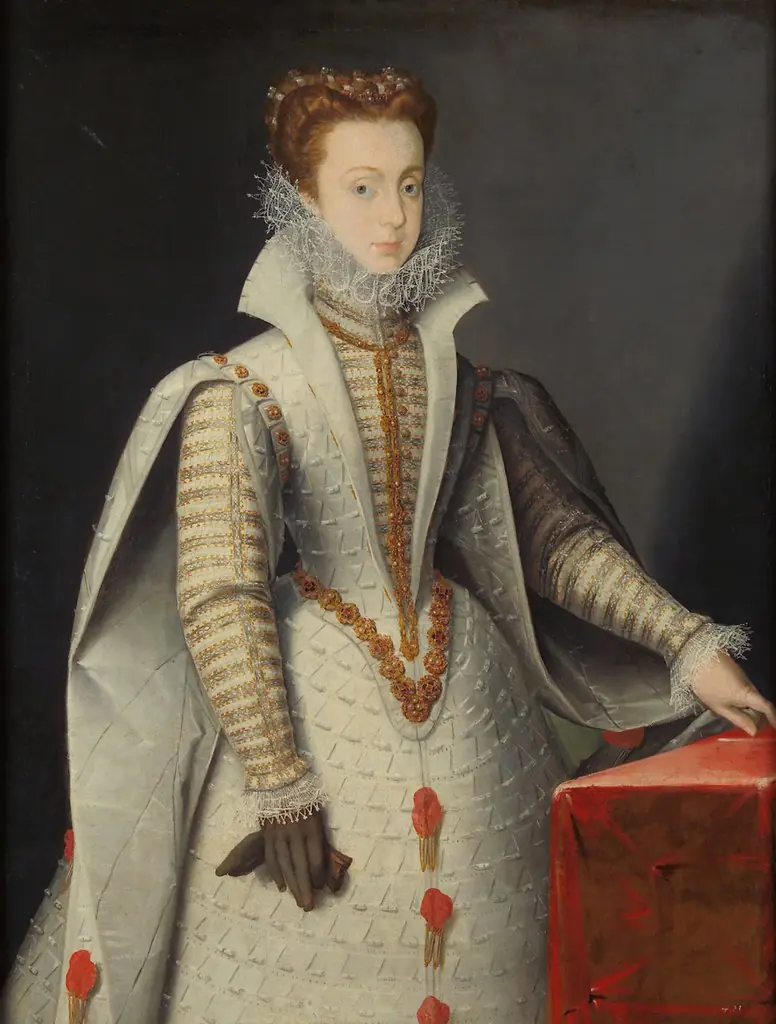 Herzogin Margarete von Joyeuse (1564-1625), Dreiviertelbildnis
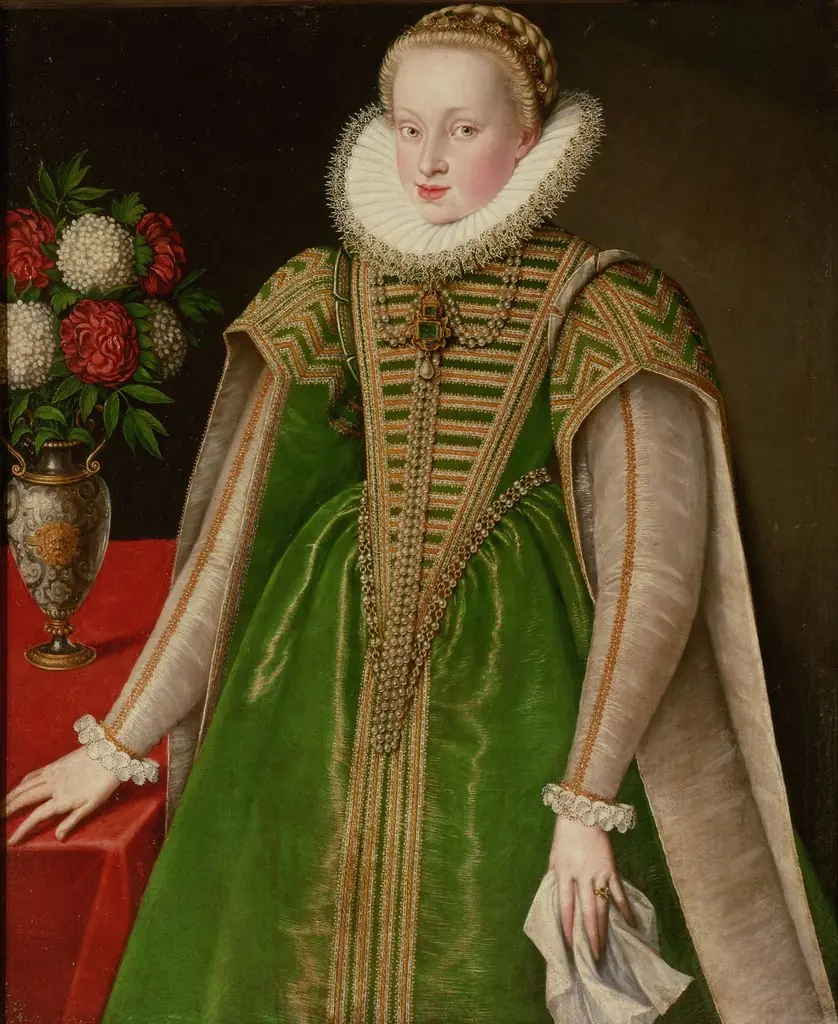 Erzherzogin Maria Christierna (1574-1621) in grünem Gewand, Kniestück
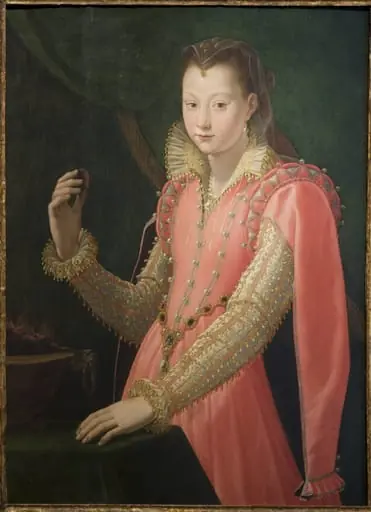 Portrait of a Young Woman as Portia Catonis