Artwork
The Agony in the Garden
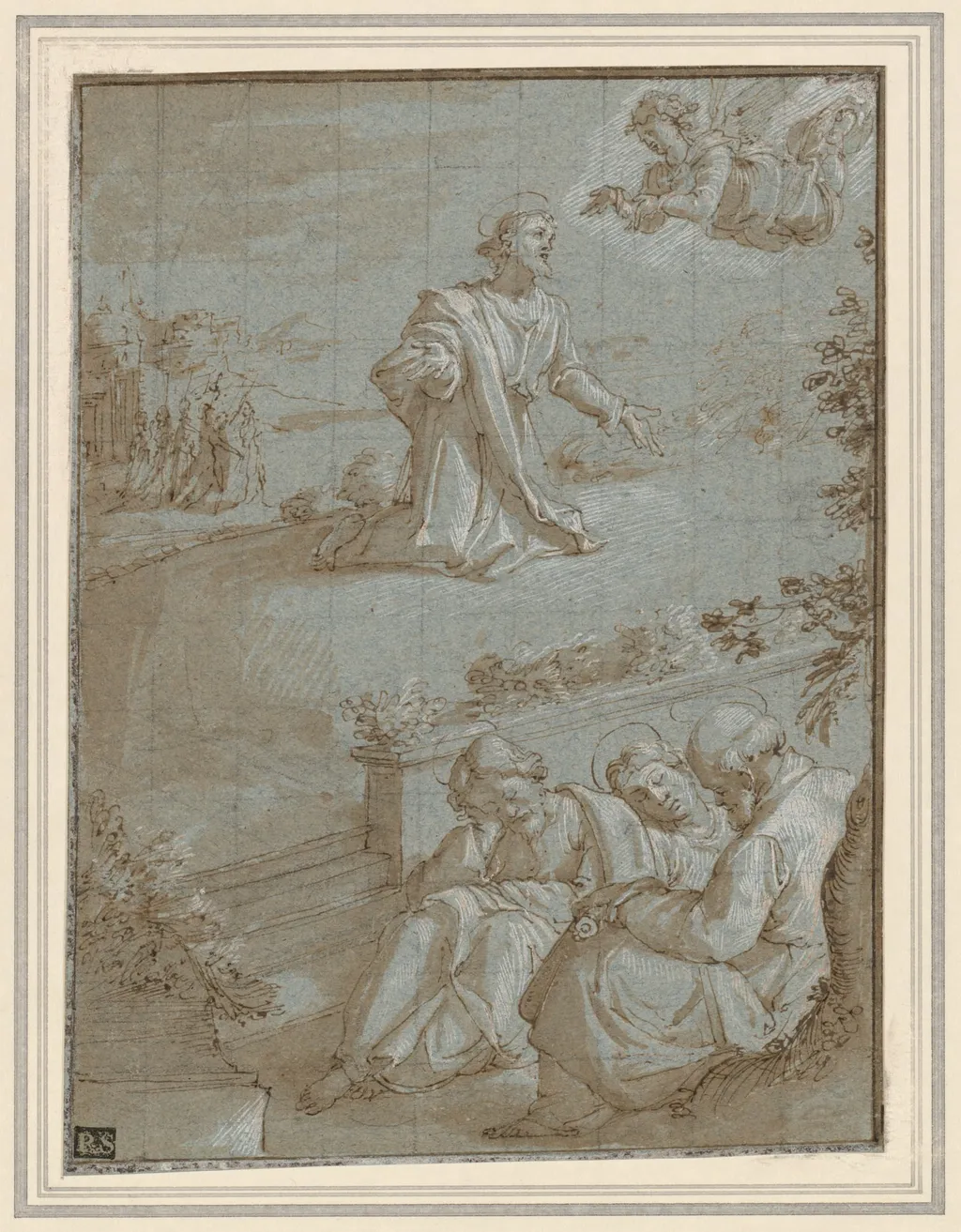
The Agony in the Garden is a drawing by the Renaissance artist Santi di Tito. It dates from 1591 and is held in the collection of the Cleveland Museum of Art.
About this work
Overview
Santi di Tito's *The Agony in the Garden*, circa 1591, is a proto-Baroque drawing that exemplifies the Counter-Mannerist movement's emphasis on naturalism and emotional restraint.
Subject & Meaning
The drawing depicts a pivotal moment in Christian narrative: Christ praying in the Garden of Gethsemane before his betrayal. A solitary figure kneels in prayer, contrasted with a group of sleeping disciples in the background, while three hovering winged forms (likely angels) observe from above.
Technique & Style
Executed in soft browns and blues with quick, light strokes, the drawing features subtle shading to delineate figures from the background. The artist employs chiaroscuro, with light sourcing from above to illuminate Christ's face and hands, casting the rest in softer shadow.
History & Provenance
Created around 1591 by Santi di Tito, a key figure in the Counter-Mannerist reaction against High Mannerism's artificiality.
Context
Within the late 16th-century Italian art scene, this work reflects the Counter-Mannerist shift towards greater naturalism and restrained emotional expression, diverging from the intense stylization of High Mannerism.
Legacy
*The Agony in the Garden* contributes to the broader influence of Counter-Mannerism on the development of Baroque art, emphasizing the movement's values of naturalism and nuanced emotional portrayal.
Artist & collection
Artist
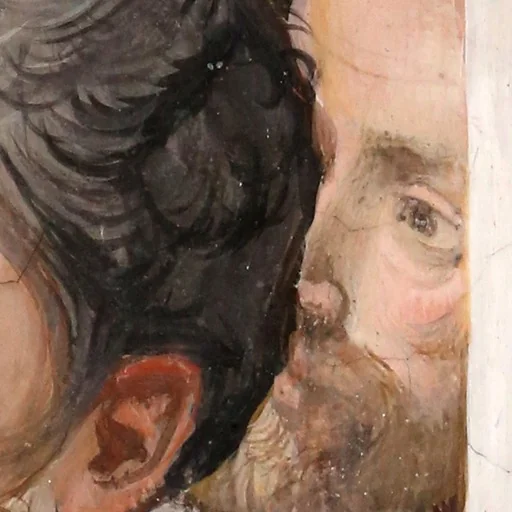
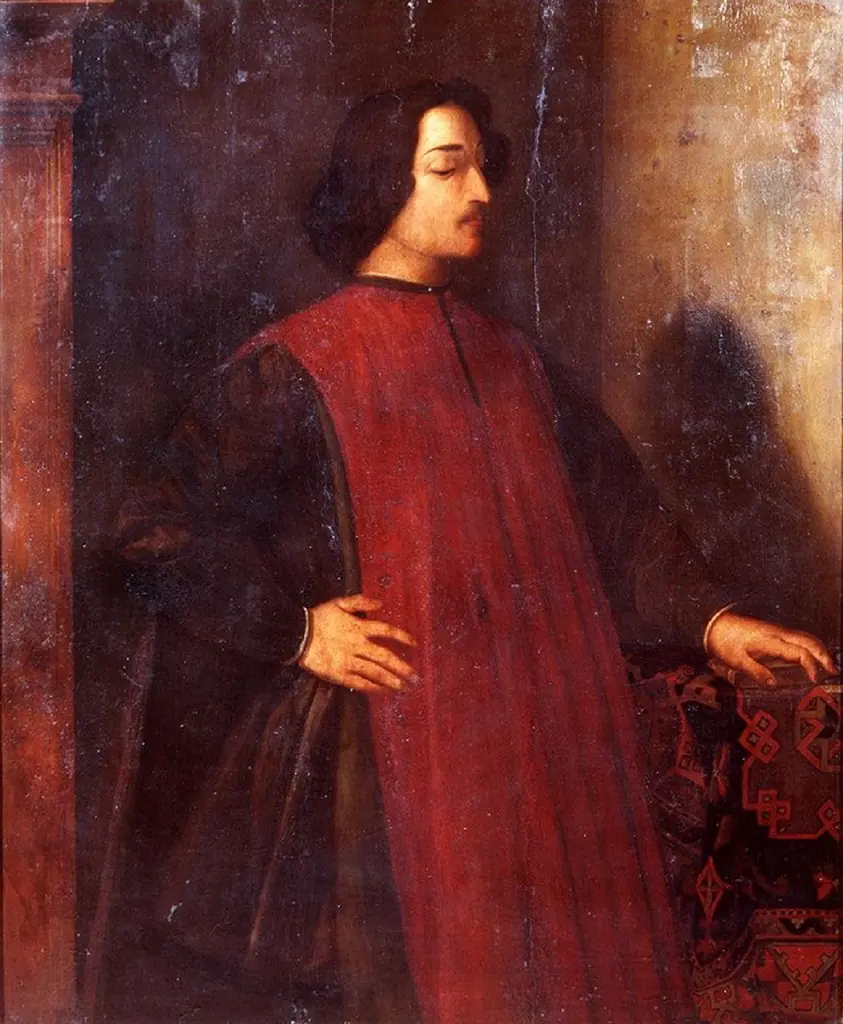
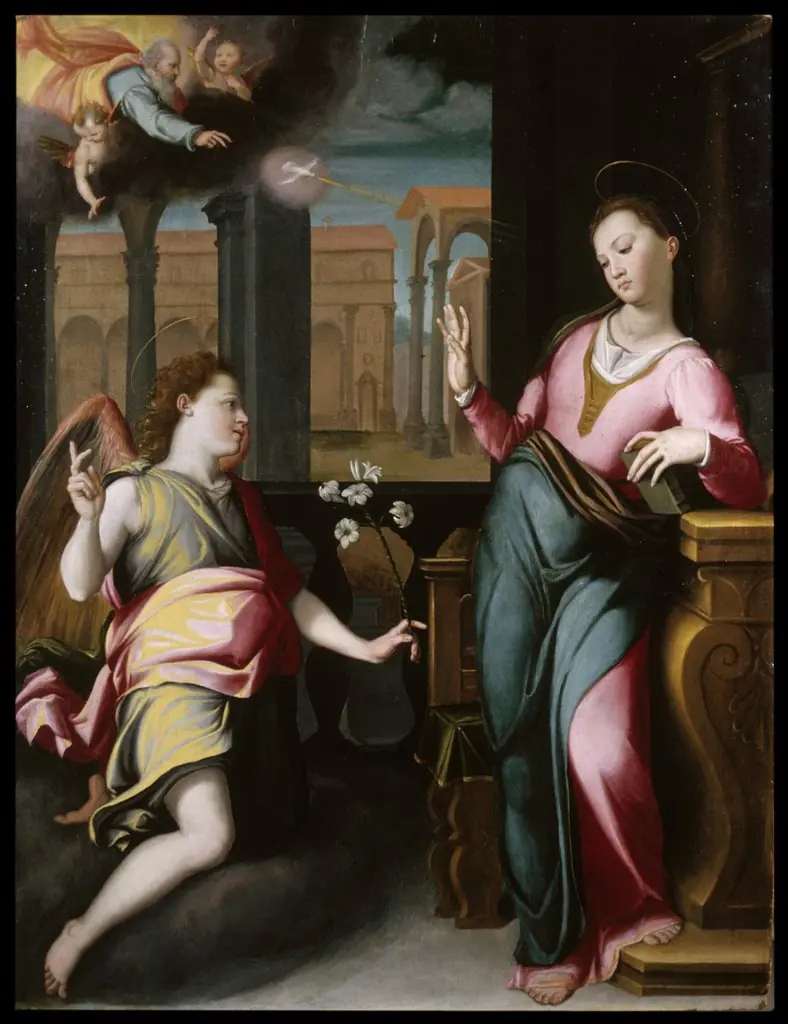
Santi di Tito (5 December 1536 – 25 July 1603) was one of the most influential and leading Italian painters of the proto-Baroque style – what is sometimes referred to as "Counter-Maniera" or Counter-Mannerism.

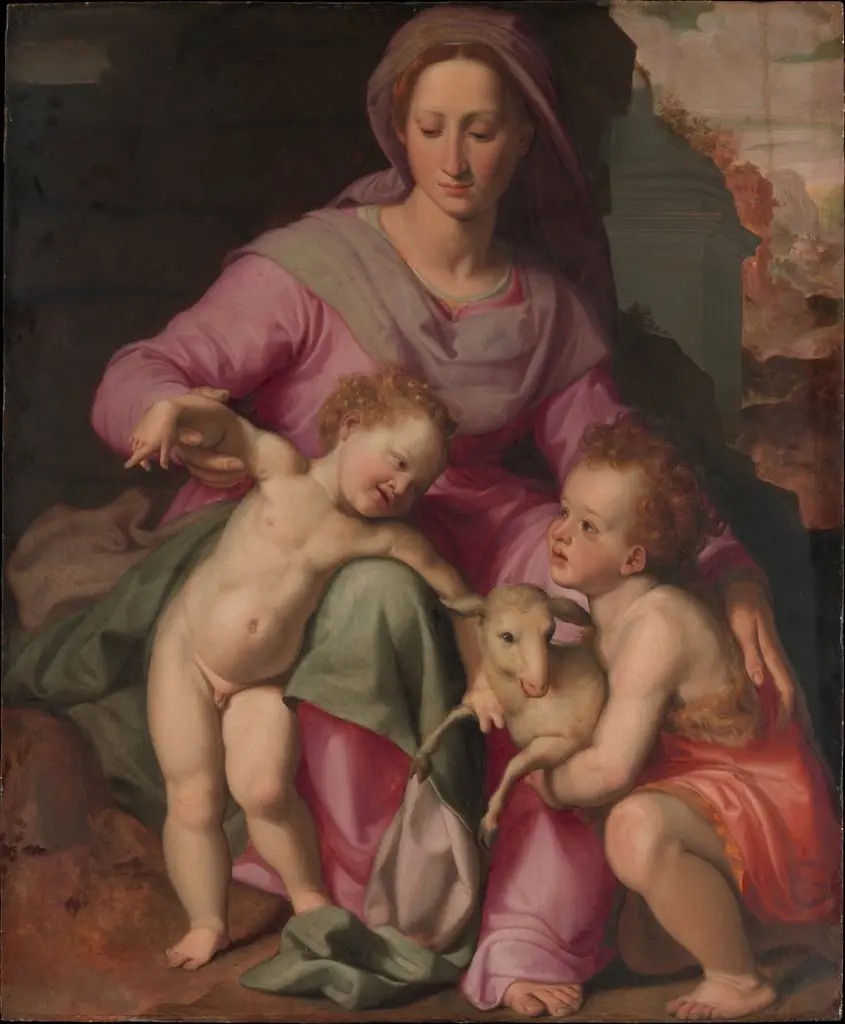
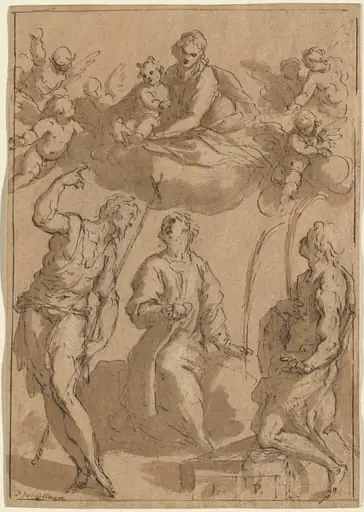 Madonna and Child in Glory with Saints John the Baptist, Stephen, and Lawrence
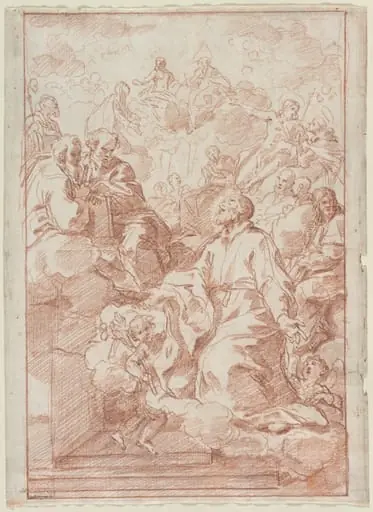 Vision of St. Philip Neri
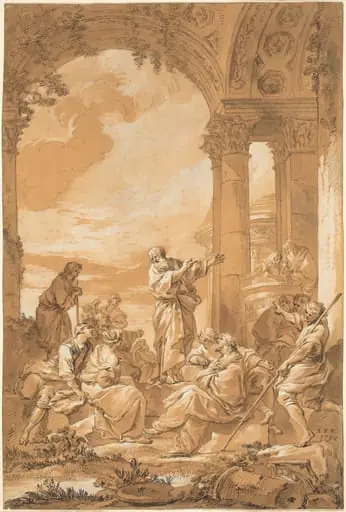 Saint Paul Preaching in Athens
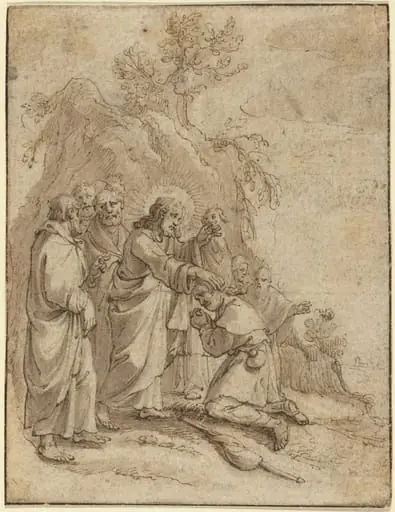 Christ Healing the Leper
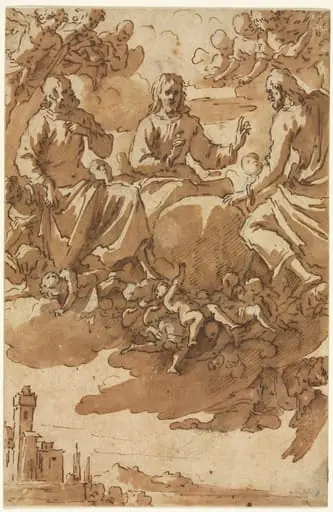 Christ in Glory with Two Saints
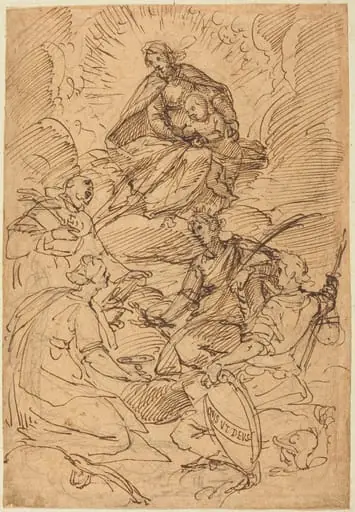 The Madonna and Child in Glory Adored by Saints
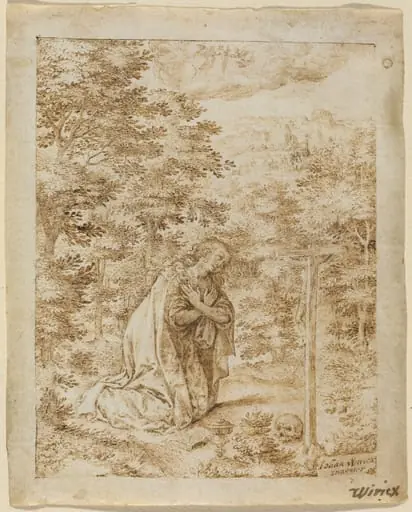 Mary Magdalene Praying in the Wilderness
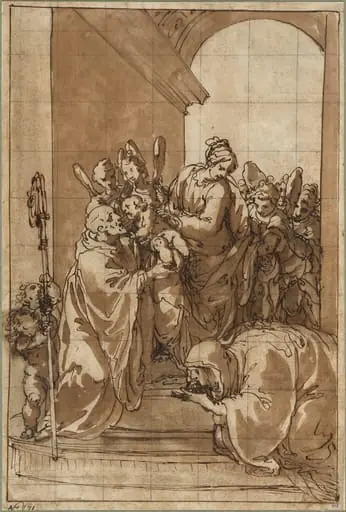 Madonna and Child with Angels, Saint Benedict, and Saint Scholastica
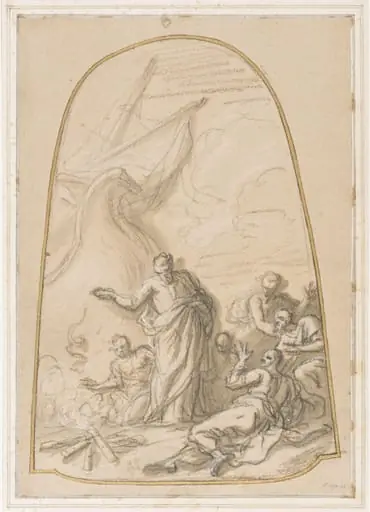 St Paul Shipwrecked on the Island of Malta
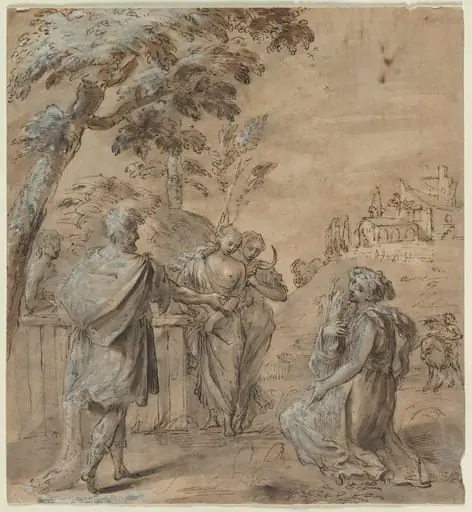 Ruth and Boaz (recto)
![Study for the "Madonna della Scodella" [recto], by Correggio](https://artifactworldgallery.com/img/correggio--study-for-the-madonna-della-scodella-recto--cec1475fbb0f2ca2-w320.webp) Study for the "Madonna della Scodella" [recto]
Study for the "Madonna della Scodella" [recto]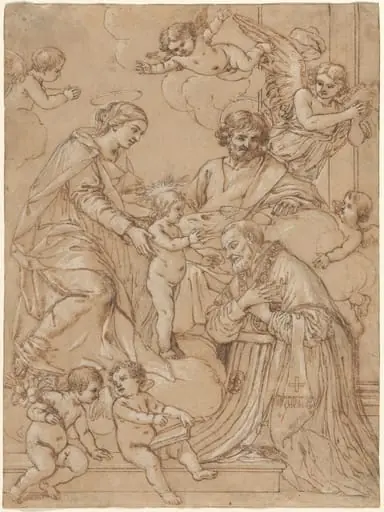 The Holy Family with Saint Philip Neri in Adoration, an Angel, and Putti