Artwork
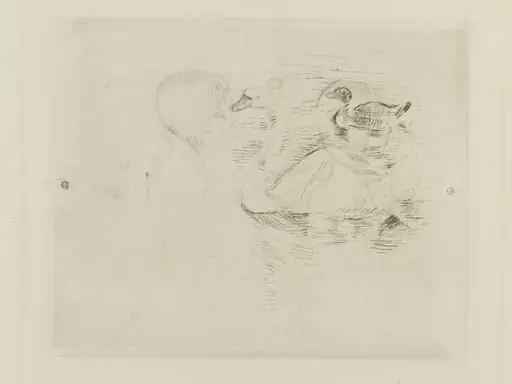
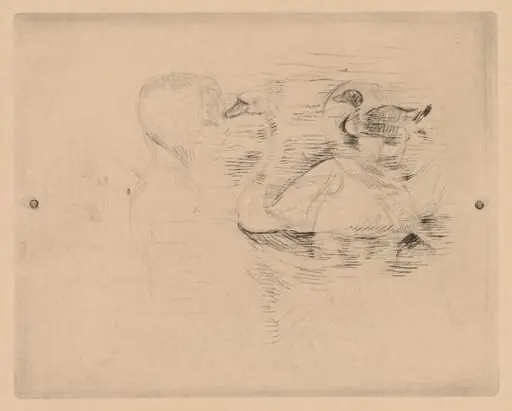
Studies of a Swan
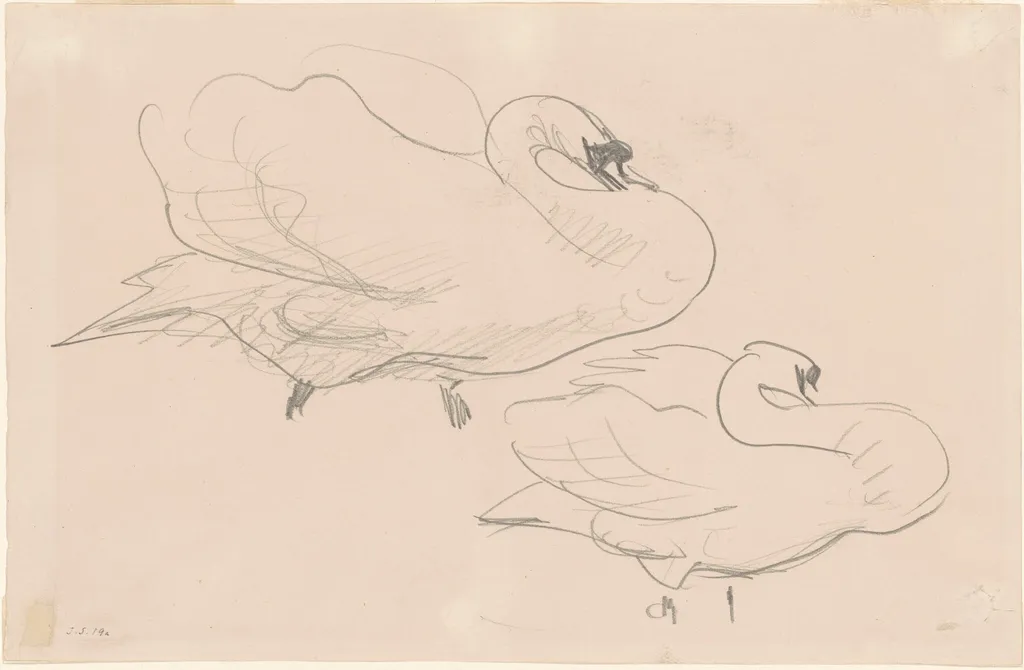
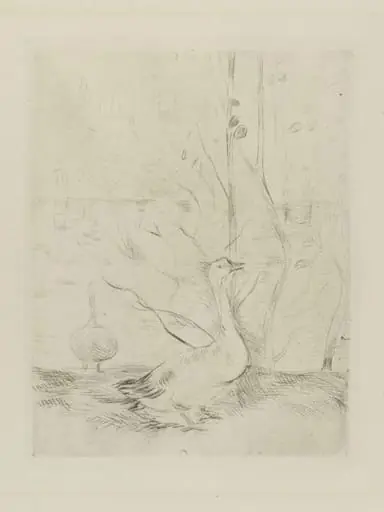
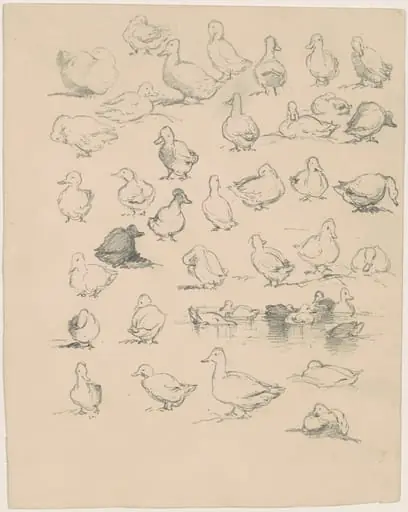
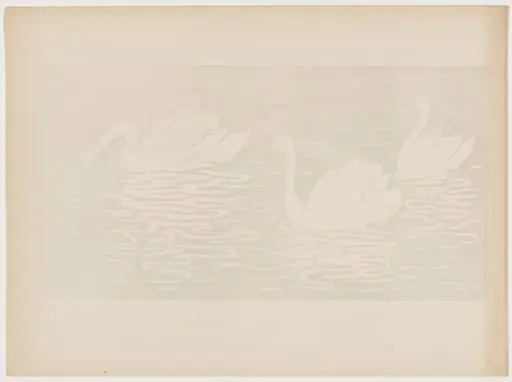
Studies of a Swan is a graphite drawing by the Impressionist artist John Singer Sargent. It dates from 1890 and is held in the collection of the National Gallery of Art.
About this work
Overview
Created between 1880 and 1900, this graphite drawing by John Singer Sargent presents a study of a swan in motion. Executed on wove paper, the work reflects the artist’s sustained interest in animal form and natural movement. Unlike finished portraits, this piece reveals Sargent’s private engagement with observation, capturing the swan’s posture with quiet intensity and minimal distraction.
Subject & Meaning
Its elongated neck arcs in a continuous, fluid line, suggesting both poise and latent energy.
The swan, depicted mid-movement, embodies stillness within motion. Its elongated neck arcs in a continuous, fluid line, suggesting both poise and latent energy. Sargent avoids narrative or symbolism, focusing instead on the animal’s physical presence. The drawing invites contemplation of the swan’s inherent grace, not as an idealized symbol, but as a living, breathing creature observed closely in its environment.
Technique & Style
Sargent employed graphite with remarkable tactile control, varying pressure to define volume and texture. Dark, deliberate strokes delineate shadowed areas, while lighter, feathery lines suggest individual plumage. Edges are softened through smudging, creating a sense of softness and depth. The technique resembles sculptural modeling, where form emerges through incremental refinement rather than outline.
History & Provenance
This drawing belongs to a series of animal studies Sargent made during his travels in Europe, likely during periods between portrait commissions. It was likely kept in his personal sketchbooks and not intended for public display. Its survival reflects Sargent’s habit of preserving observational work, offering insight into his artistic process outside of formal commissions.
Context
In the late 19th century, artists increasingly turned to direct observation of nature as a counterpoint to academic idealism. Sargent’s swan studies align with this trend, echoing the scientific precision of naturalists and the expressive freedom of Impressionist sketching. His focus on transient movement and organic form situates him within a broader shift toward empirical observation in art.
Legacy
These drawings remain significant as records of Sargent’s disciplined eye and technical versatility. They demonstrate how his mastery of line and tone extended beyond portraiture into the realm of natural study. While less known than his paintings, these works inform understanding of his artistic development and his commitment to seeing deeply, regardless of subject.
Artist & collection

Artist
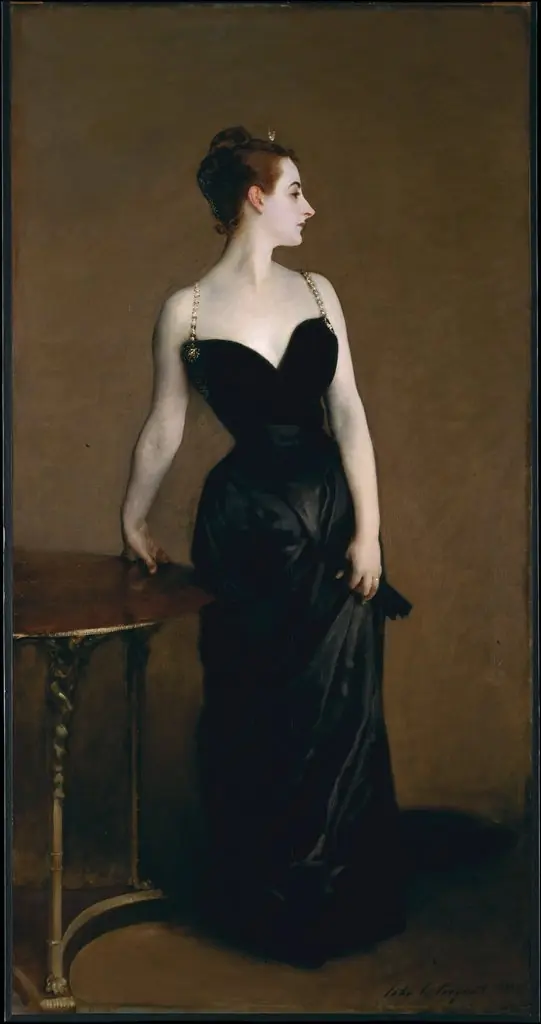
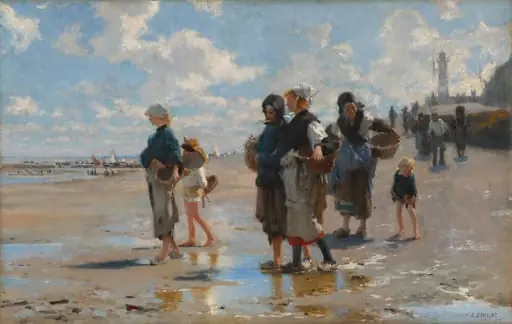
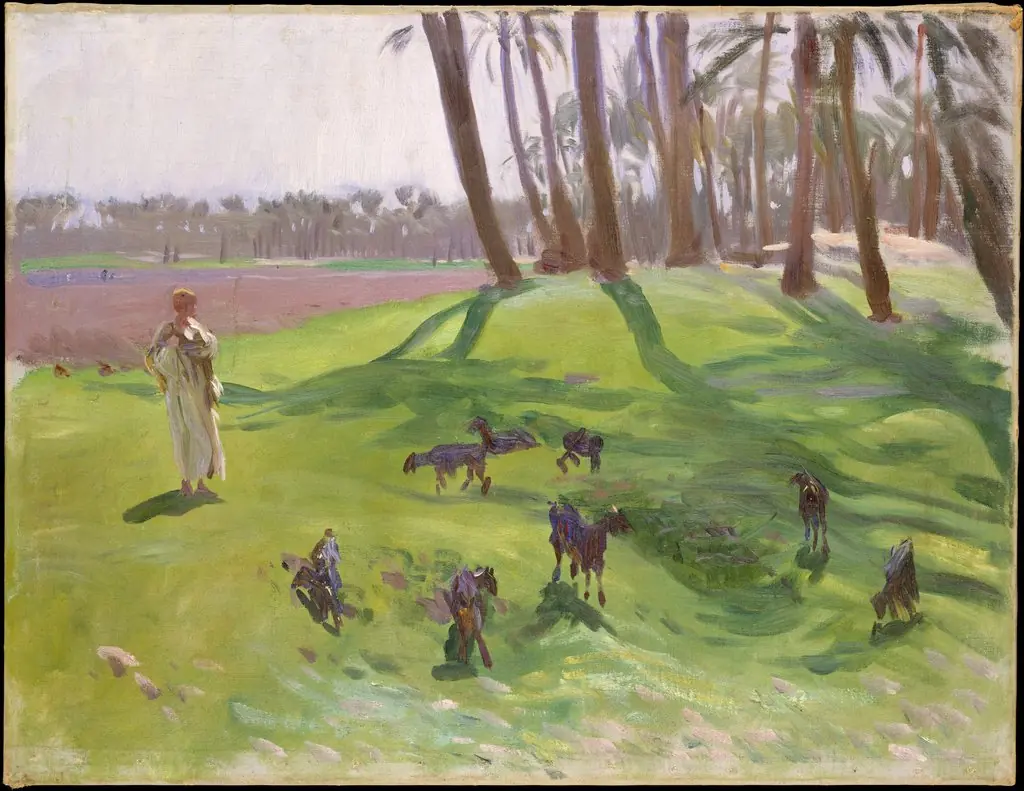
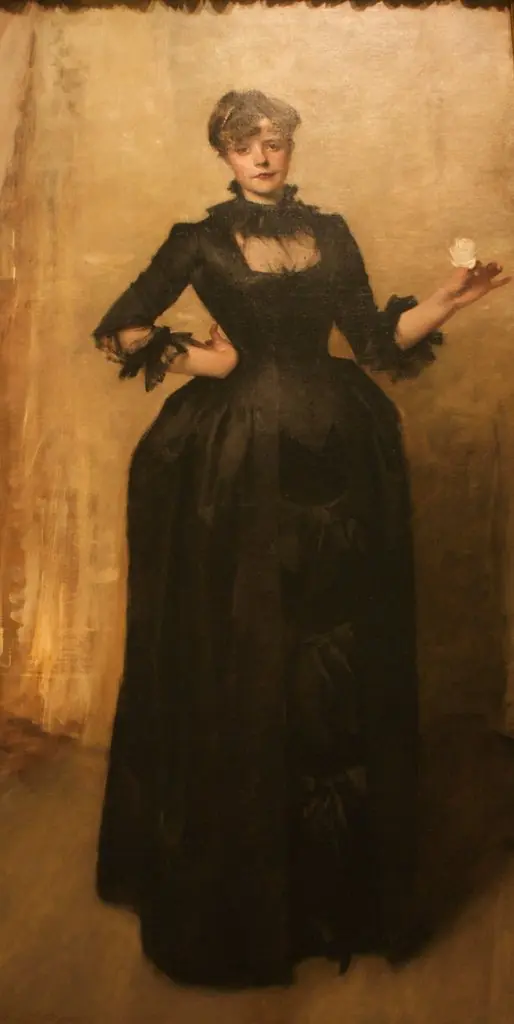
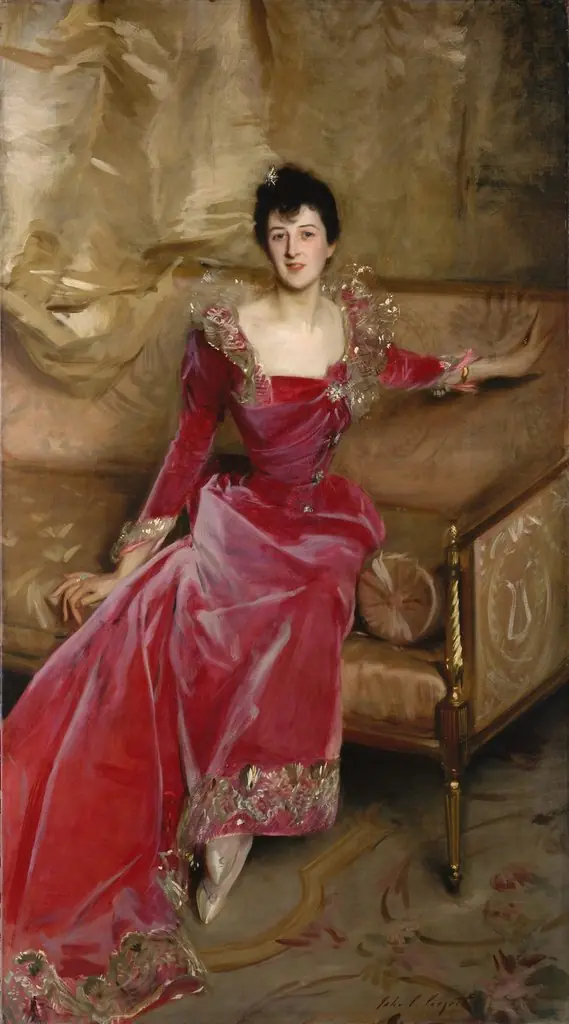
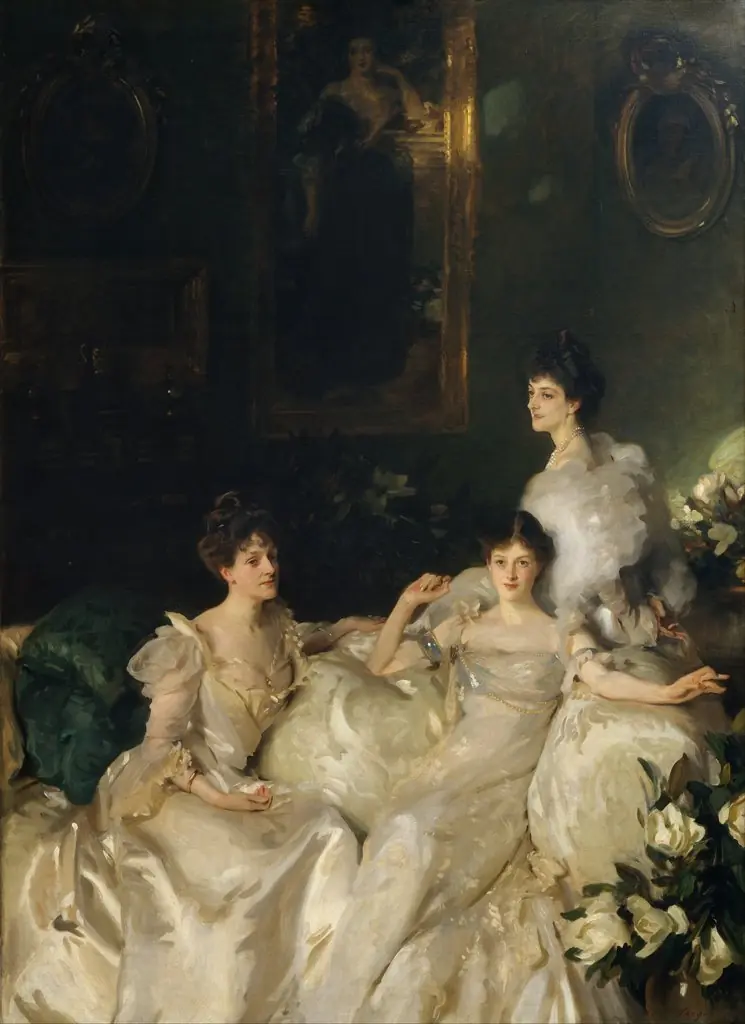
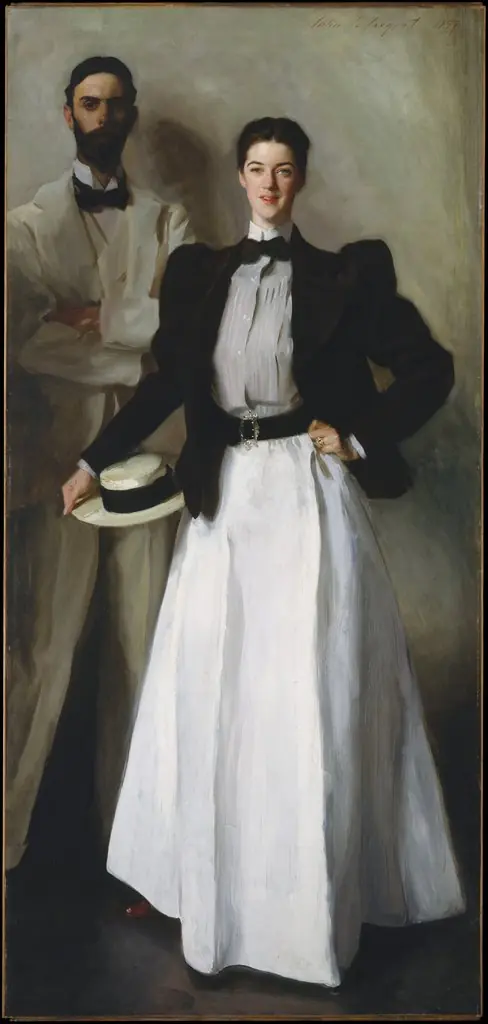
John Singer Sargent (; January 12, 1856 – April 15, 1925) was an American expatriate artist, considered the "leading portrait painter of his generation" for his evocations of Belle Époque and Edwardian-era luxury.

![Geese; Girls in Bonnets, Geese [recto], by Paul Gauguin](https://artifactworldgallery.com/img/paul-gauguin--geese-girls-in-bonnets-geese-recto--8a9024cb5f19eb3f-w320.webp)