Artwork
Study for "Classic and Romantic Art"
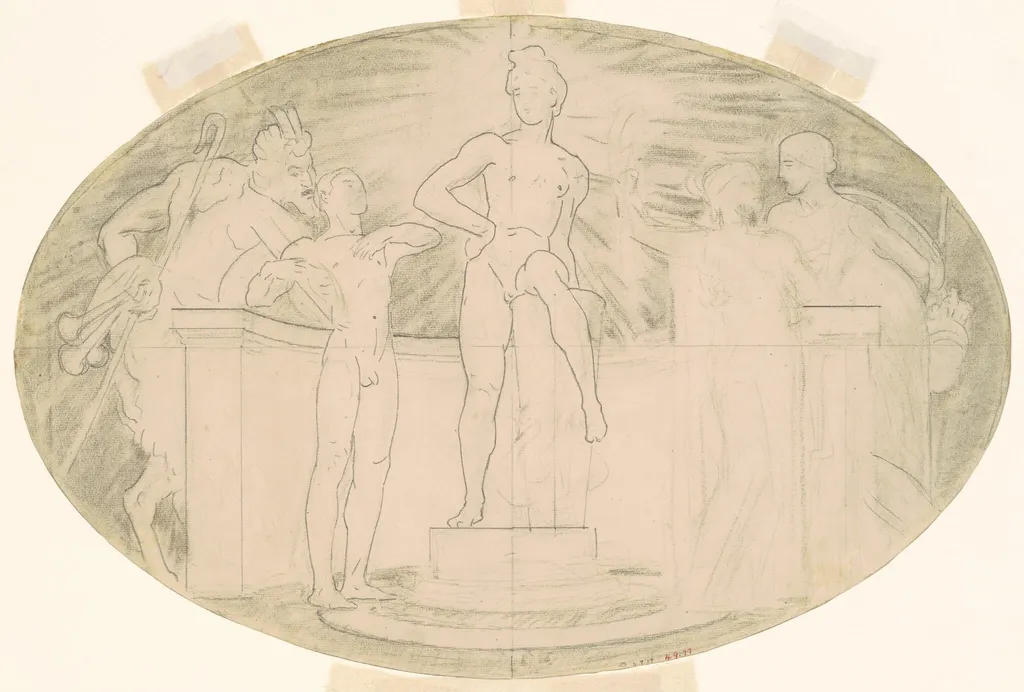
Study for "Classic and Romantic Art" is a charcoal drawing by John Singer Sargent. It dates from 1921 and is held in the collection of the National Gallery of Art.
About this work
Overview
This oval-shaped drawing, executed in charcoal and graphite on laid paper around 1921, is a preparatory study by John Singer Sargent. It depicts a classical scene with multiple figures, centrally featuring a male figure posed dramatically on an elevated platform.
Subject & Meaning
The drawing explores the interplay between classic and romantic artistic themes. The central male figure embodies classical ideals through his dramatic pose, while the surrounding figures interact with a satyr-like creature, introducing romantic elements of fantasy and emotional expression.
Technique & Style
Sargent's use of charcoal and graphite on laid paper creates a rich, expressive range of tones. The oval format and classical setting reflect Sargent's interest in traditional European art, yet the loose, sketchy quality of the drawing hints at his modern, spontaneous approach.
History & Provenance
Created circa 1921, this drawing is a study for Sargent's larger work, 'Classic and Romantic Art'. Provenance details are not specified in available information.
Context
This work reflects Sargent's later career exploration of thematic and stylistic contrasts. The classical setting and figures, juxtaposed with the romantic, mythological element of the satyr, demonstrate Sargent's engagement with the broader artistic discourse of his time.
Legacy
As a study, this drawing provides insight into Sargent's creative process and his thoughts on the dichotomy between classic and romantic art movements, contributing to the understanding of his oeuvre and the artistic debates of the early 20th century.
Artist & collection
Artist
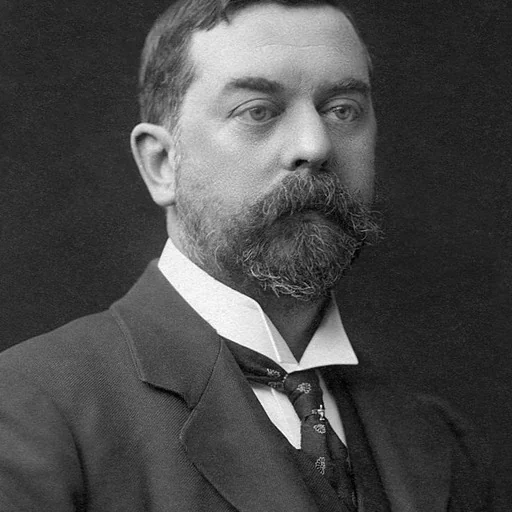
John Singer Sargent (; January 12, 1856 – April 15, 1925) was an American expatriate artist, considered the "leading portrait painter of his generation" for his evocations of Belle Époque and Edwardian-era luxury.

![Los and His Spectre [verso], by William Blake](https://artifactworldgallery.com/img/william-blake--los-and-his-spectre-verso--615ad7f82d334e5f-w320.webp) Los and His Spectre [verso]
Los and His Spectre [verso]![Sheet of Studies, including Warrior with Child [recto and verso], by John Flaxman](https://artifactworldgallery.com/img/john-flaxman--sheet-of-studies-including-warrior-with-child-recto-and-vers--5c5dd1ec083169b5-w320.webp) Sheet of Studies, including Warrior with Child [recto and verso]
Sheet of Studies, including Warrior with Child [recto and verso]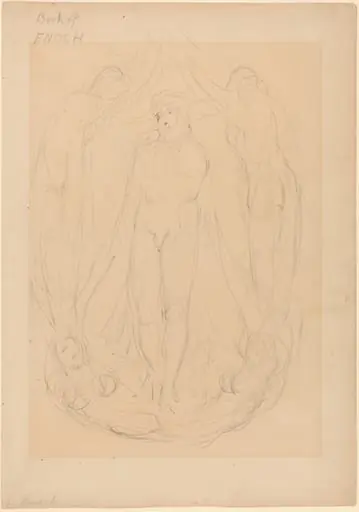 The Vision of the Lord of Spirits
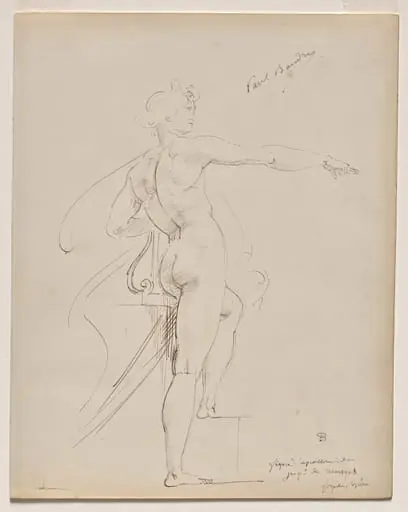 Study of Apollo for Marsyas (recto)
!["And Saul Said unto David, Go, and the Lord be with Thee" [recto], by William Blake](https://artifactworldgallery.com/img/william-blake--and-saul-said-unto-david-go-and-the-lord-be-with-thee-recto--473fd0243b43e9c4-w320.webp) "And Saul Said unto David, Go, and the Lord be with Thee" [recto]
"And Saul Said unto David, Go, and the Lord be with Thee" [recto]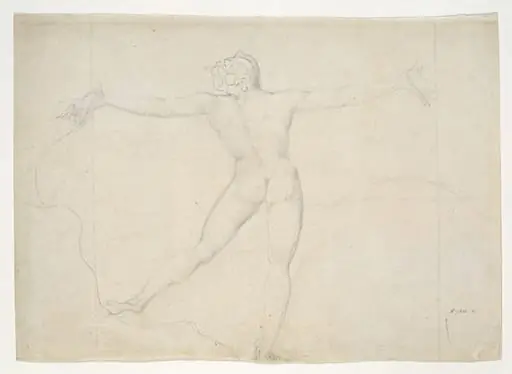 Untitled
![Sheet of Sketches [recto and verso], by John Flaxman](https://artifactworldgallery.com/img/john-flaxman--sheet-of-sketches-recto-and-verso--18d631208bf3ea60-w320.webp) Sheet of Sketches [recto and verso]
Sheet of Sketches [recto and verso]![Design for a Book Illustration of Circe and Odysseus [recto], by Thomas Stothard](https://artifactworldgallery.com/img/thomas-stothard--design-for-a-book-illustration-of-circe-and-odysseus-recto--5bd59a6f73de4838-w320.webp) Design for a Book Illustration of Circe and Odysseus [recto]
Design for a Book Illustration of Circe and Odysseus [recto]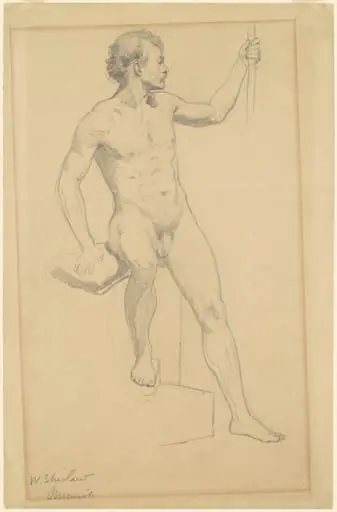 Male Nude
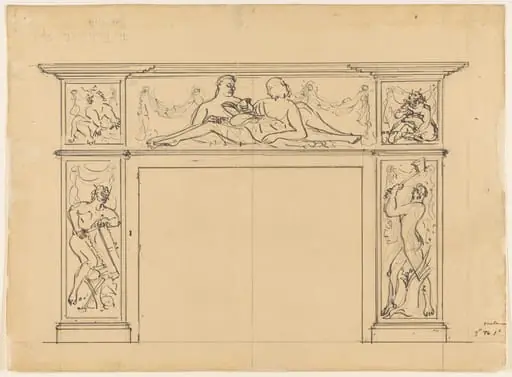 Untitled
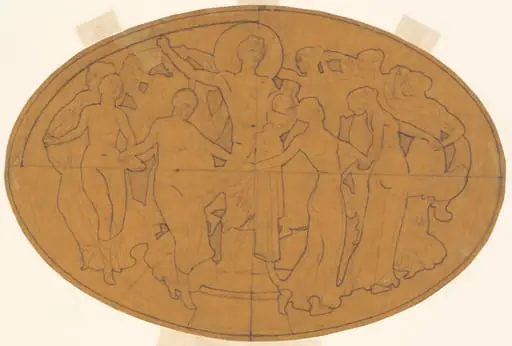 Study for "Apollo and the Muses"
![Studies of Classical Temple Facades and Seated Female Figure [verso], by John William Casilear](https://artifactworldgallery.com/img/john-william-casilear--studies-of-classical-temple-facades-and-seated-female-figure--4778b8d833e01015-w320.webp) Studies of Classical Temple Facades and Seated Female Figure [verso]
Studies of Classical Temple Facades and Seated Female Figure [verso]