Artwork
Maurice Quentin de la Tour
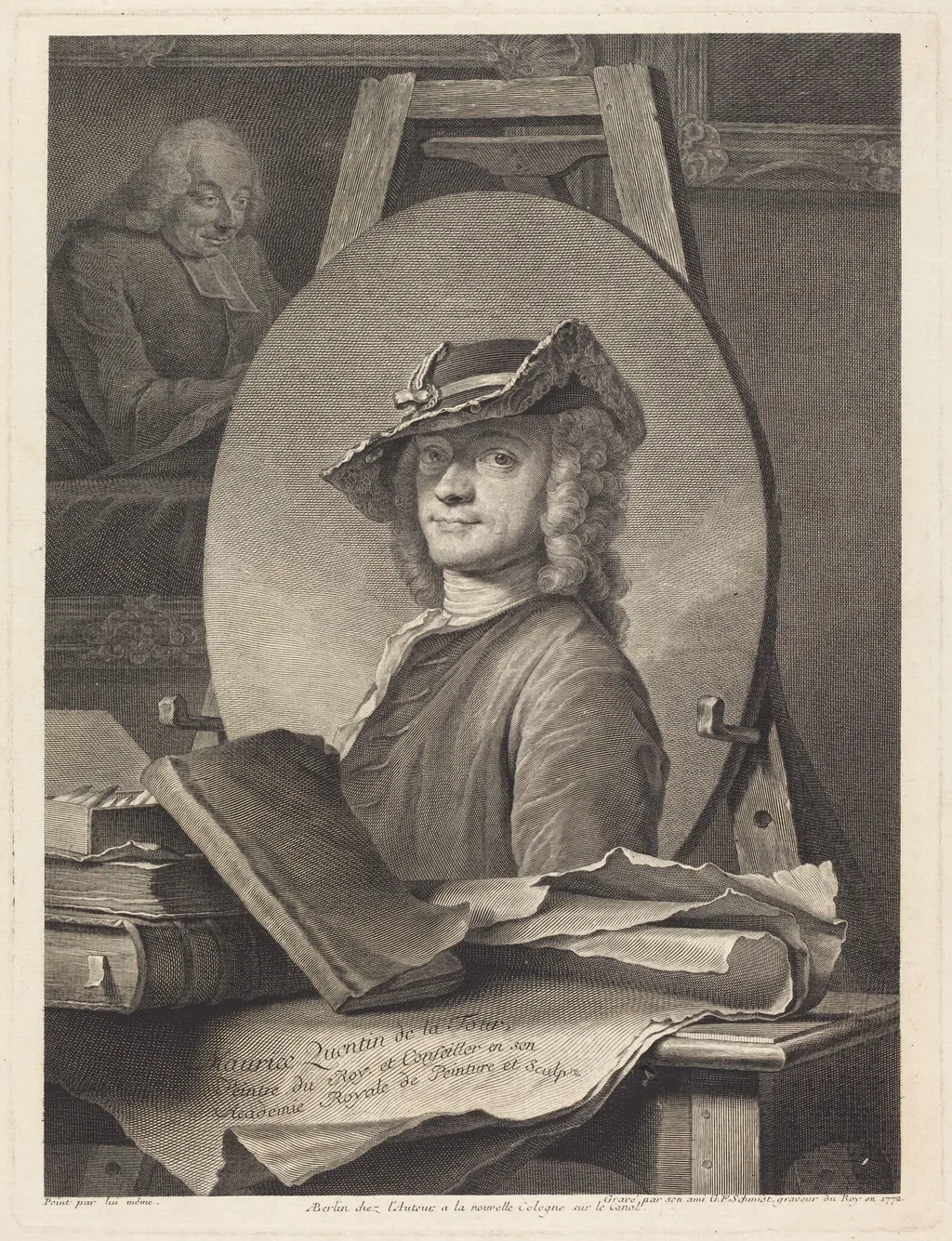
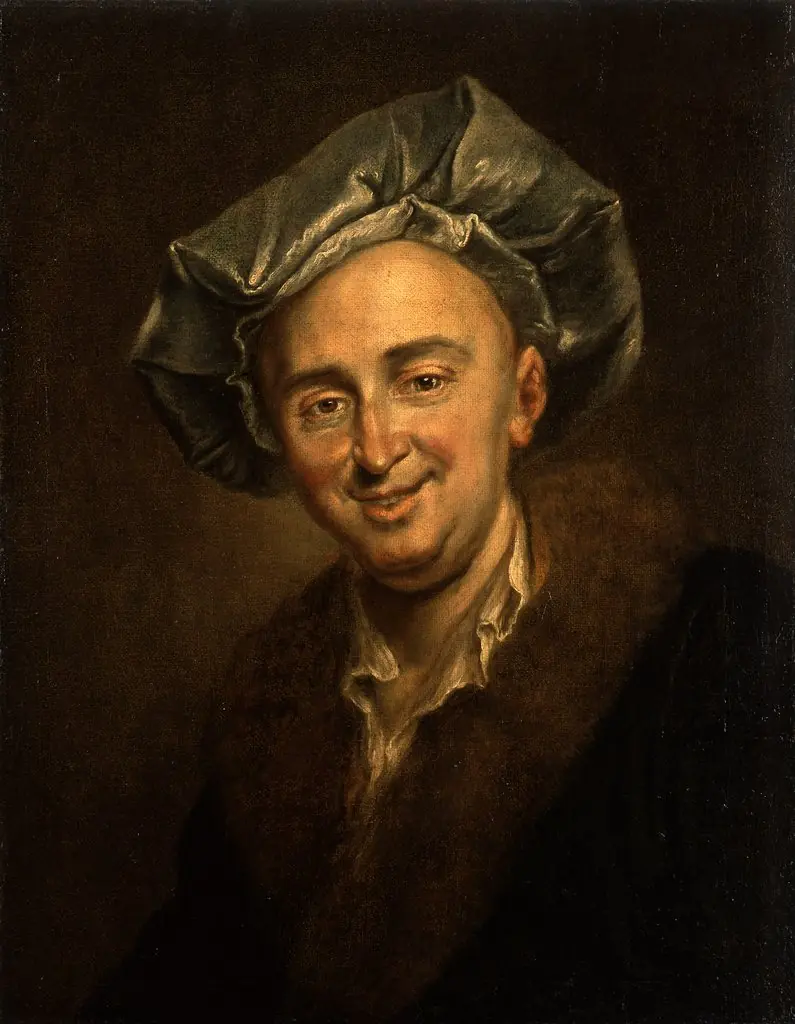
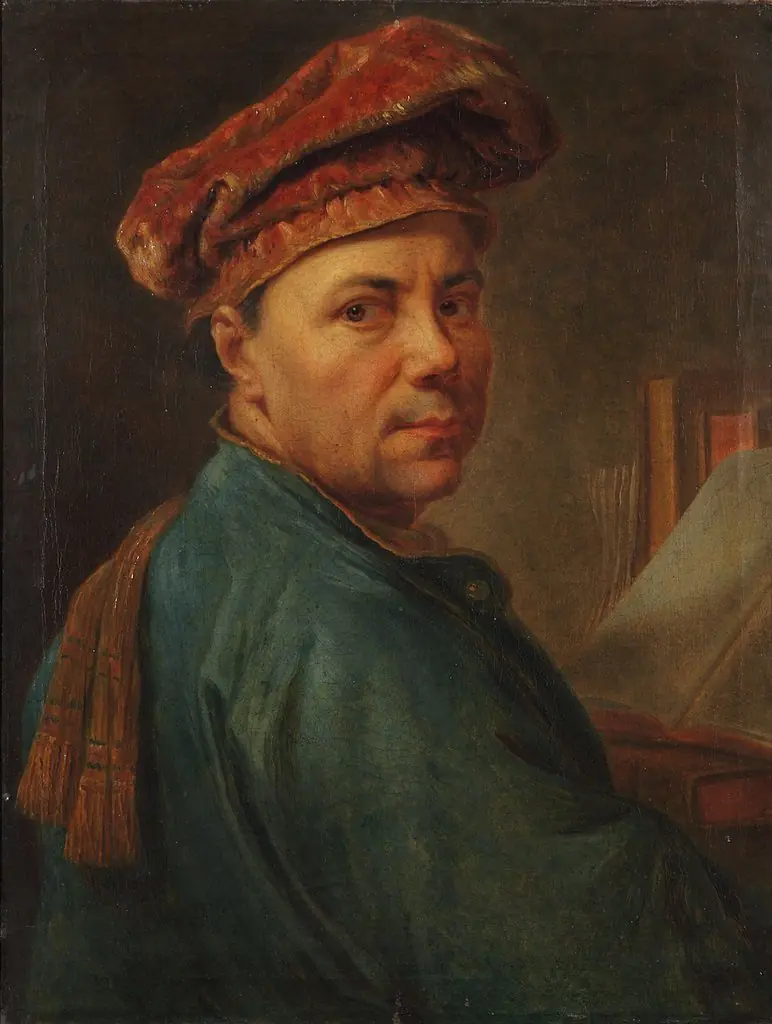
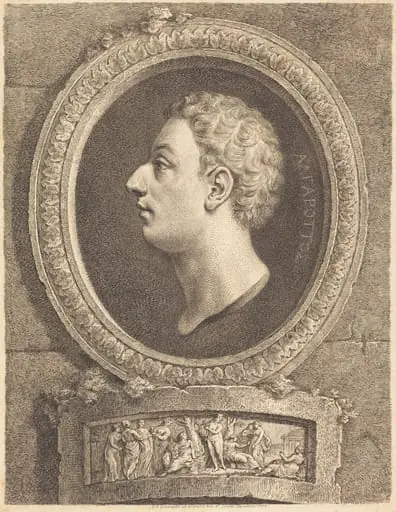
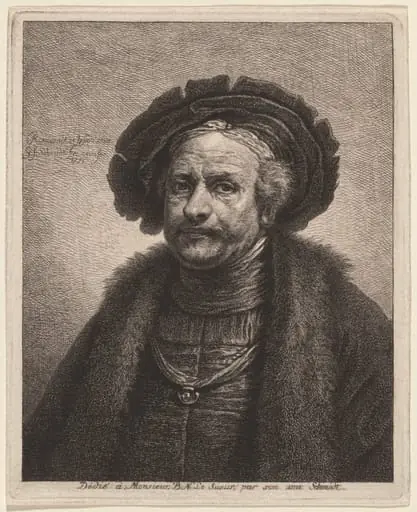
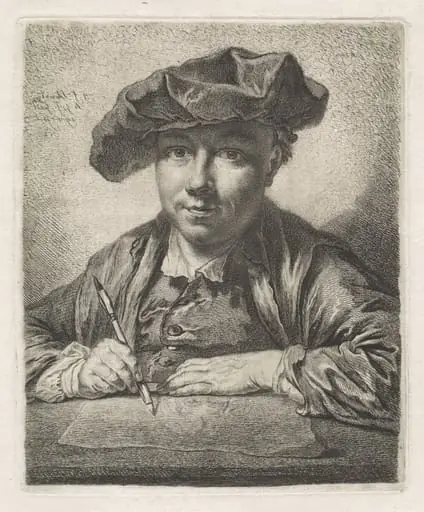
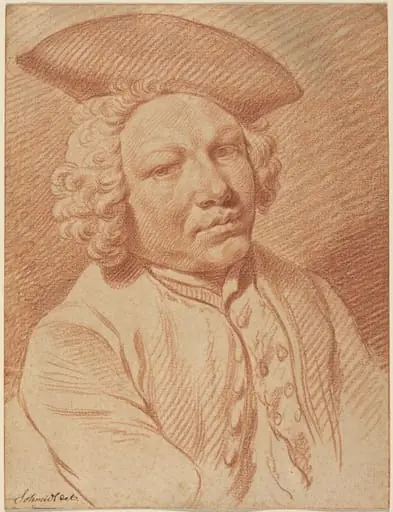
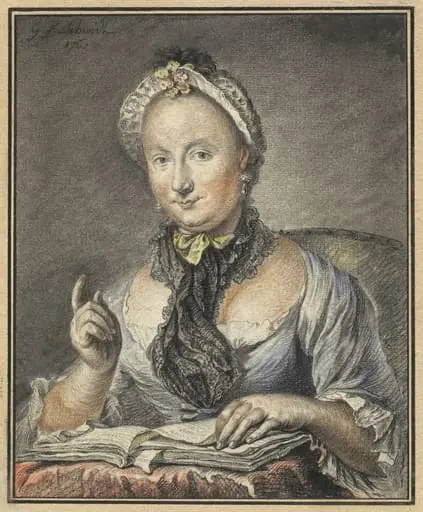
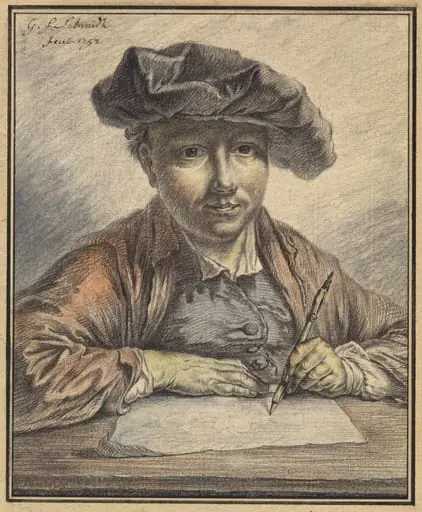
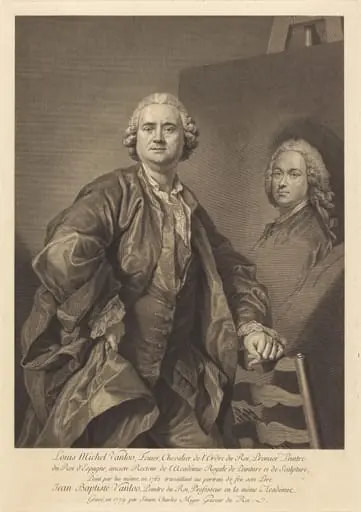
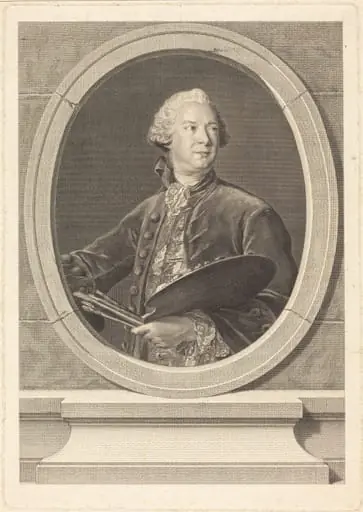
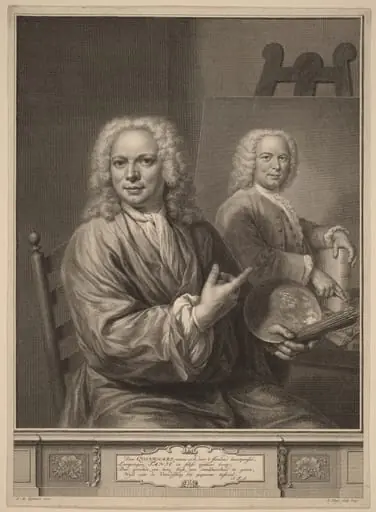
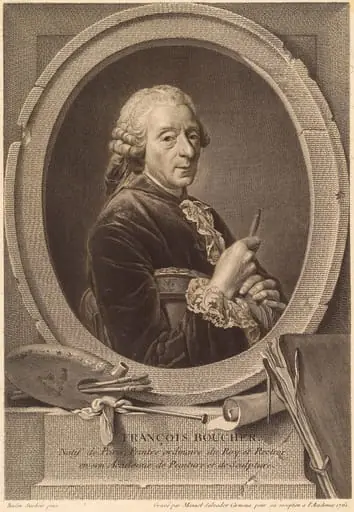
Maurice Quentin de la Tour is an ink print by the Romanticist artist Georg Friedrich Schmidt. It dates from 1772 and is held in the collection of the National Gallery of Art.
About this work
Overview
Executed in engraving and etching on laid paper, the work is a reproductive portrait, translating de la Tour’s public image into monochrome.
This 1772 print by Georg Friedrich Schmidt depicts Maurice Quentin de la Tour, a prominent French pastellist of the Rococo era. Executed in engraving and etching on laid paper, the work is a reproductive portrait, translating de la Tour’s public image into monochrome. Schmidt, a German printmaker active in Berlin, captured the artist in a contemplative pose, reflecting the intellectual and artistic circles of mid-18th-century Europe.
Subject & Meaning
The portrait presents de la Tour as a man of refined taste and scholarly engagement. His relaxed posture, adorned in fashionable attire with a large hat and curled wig, suggests both status and ease. The books, quill, and written paper on the table imply his involvement in artistic theory or correspondence. A smaller portrait visible on the wall behind him may reference his own work or a patron, subtly reinforcing his identity as a portraitist of the elite.
Technique & Style
Schmidt employed fine etched lines to render textures—fabric folds, book spines, and the curl of the wig—with precision. The use of etching allowed for delicate tonal gradations, while engraving added structural clarity. The composition follows Rococo conventions: intimate scale, attention to detail, and a sense of quiet introspection. The monochrome palette emphasizes form and line over color, aligning with printmaking traditions of the period.
History & Provenance
Created in 1772, the print was likely made to disseminate de la Tour’s likeness beyond his pastel portraits, which were rare and costly. Schmidt, known for reproducing portraits of cultural figures, produced this as part of a broader practice of circulating images of artists and intellectuals. The work entered institutional collections in the 19th century, preserving its role as a historical document of artistic identity.
Context
In the 1770s, printmaking served as a key medium for disseminating the likenesses of celebrated artists. De la Tour, famed for his pastels of French royalty and nobility, was a natural subject for reproduction. Schmidt’s print reflects the transnational exchange of artistic imagery across Europe, where German engravers often interpreted French subjects, bridging regional styles within the broader Rococo aesthetic.
Legacy
This print remains a valuable record of how de la Tour wished to be seen—as an artist of intellect and poise. It exemplifies the role of reproductive prints in shaping public perception of artists before photography. While not widely exhibited today, it endures in museum collections as a testament to the interplay between original portraiture and its printed reproductions in the 18th century.
Artist & collection

Artist
Georg Friedrich Schmidt was a German engraver, etcher and pastel painter, in the Rococo style.