Artwork
Calea Griviței
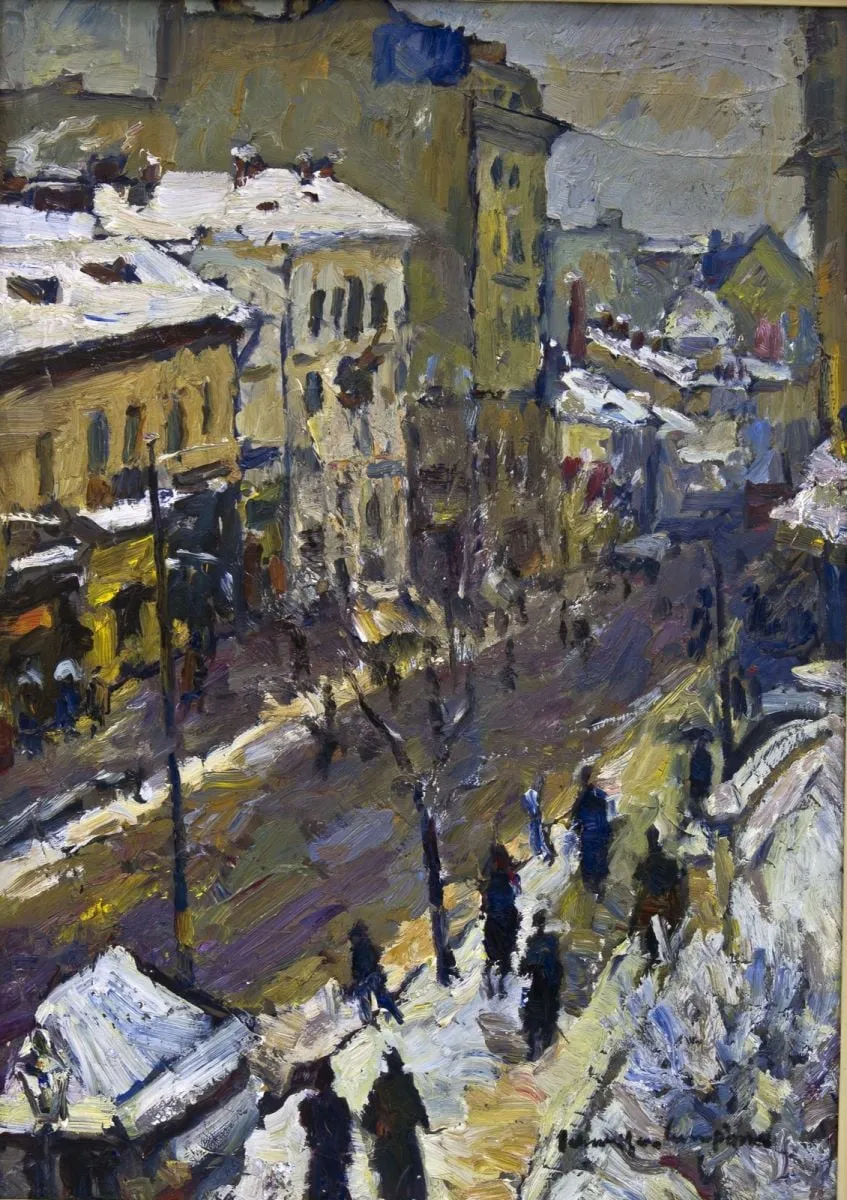
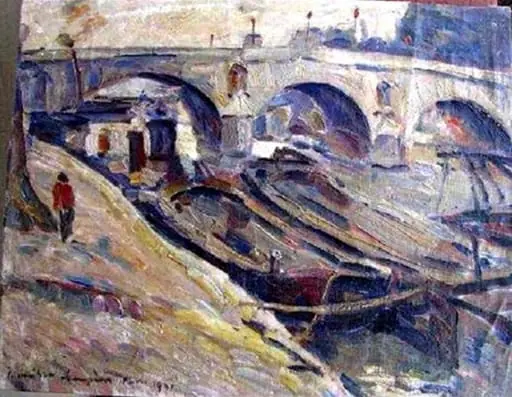
Calea Griviței is an unspecified painting by the Romanesque artist Rudolf Schweitzer-Cumpăna. It dates from 1933 and is held in the collection of the National Museum of Art of Romania.
About this work
He chose a moment that looks ordinary, but the way he used light makes it feel special.
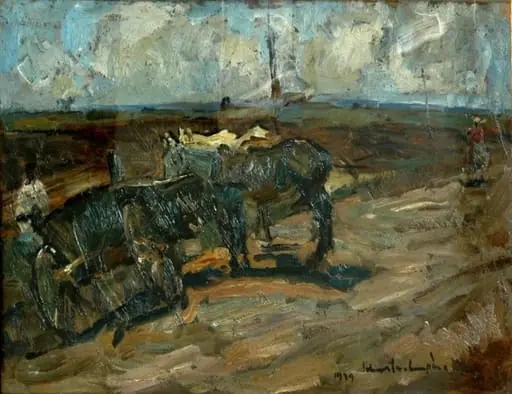
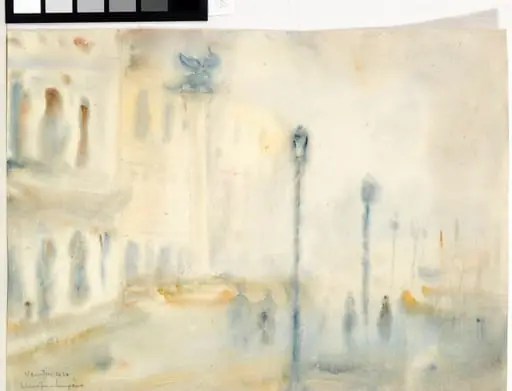
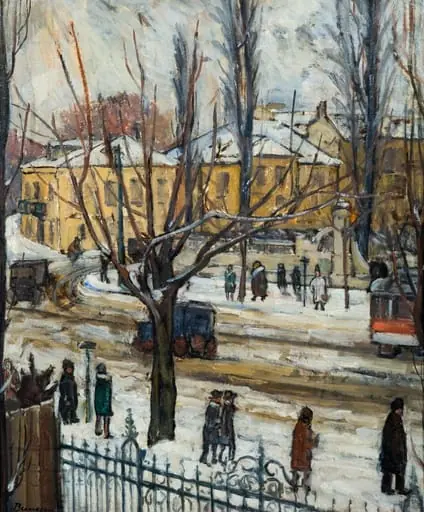
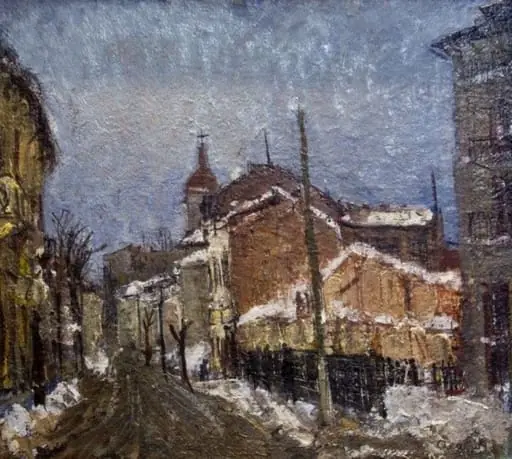
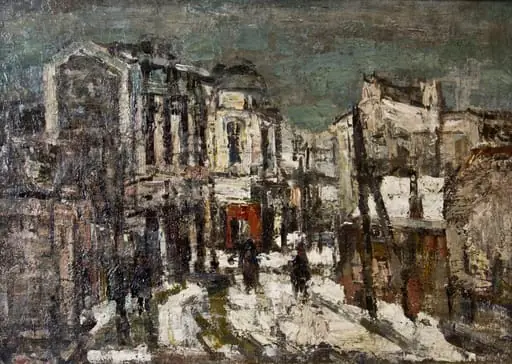
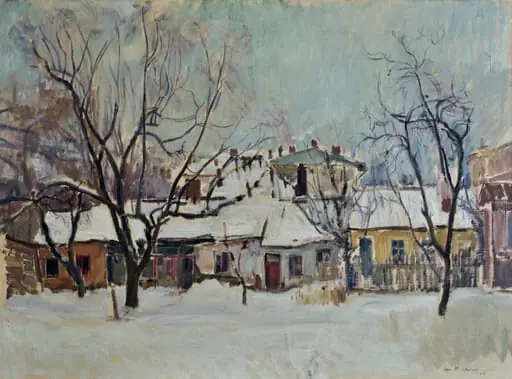
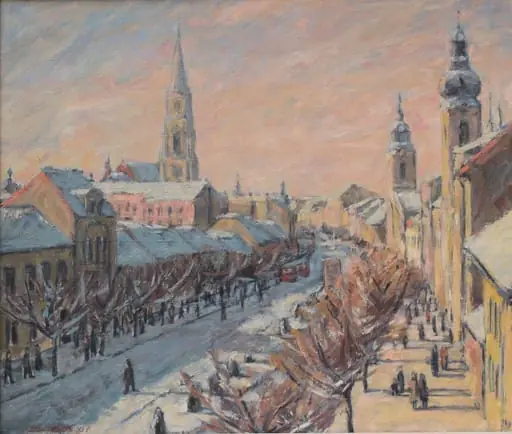
This painting shows a quiet street scene in Bucharest. A tree-lined road curves into the distance with a few cars and buildings. The colors feel warm and dusty, like old postcards.
The artist painted this in 1933, when cars were new to city streets. He chose a moment that looks ordinary, but the way he used light makes it feel special. The sun seems to sit just behind the buildings, warming everything.
The brushwork is thick in spots, like frosting on a cake. It’s called impasto—a technique where paint sits up off the canvas. Check out more by Schweitzer-Cumpăna, Rudolf.
Overview
Rudolf Schweitzer‑Cumpăna’s 1933 canvas titled Calea Griviței captures a tranquil Bucharest avenue. A gently curving, tree‑lined street recedes into the distance, punctuated by a few early automobiles and modest urban structures. The palette is muted and warm, evoking the faded tones of historic postcards, while the overall composition conveys a moment of everyday calm.
Subject & Meaning
The painting records a transitional period in the city’s life, when motor vehicles were just beginning to populate the streets. By depicting an ordinary scene—a quiet road under a soft sun—the work reflects both the continuity of daily routines and the subtle impact of modernity on the urban landscape.
Technique & Style
Schweitzer‑Cumpăna employs impasto, building up layers of paint that stand out from the surface, especially in the foliage and sunlit areas. This thick application catches light, enhancing the warm, dusty atmosphere. The brushwork combines precise rendering of architectural forms with more expressive, textured strokes that suggest the fleeting quality of light.
History & Provenance
Created in 1933, Calea Griviței belongs to the artist’s series of cityscapes documenting Romanian life between the wars. The work has remained in private collections before entering a public museum holding, where it is displayed as part of the broader narrative of interwar Romanian painting.
Artist & collection
Artist
Rudolf Schweitzer-Cumpăna was a Romanian painter. Born in Pitești into an ethnic German family, he finished high school in his native town before attending the Royal Academy of Arts at Berlin from 1904 to 1909, studying…