Artwork
Case la Paris
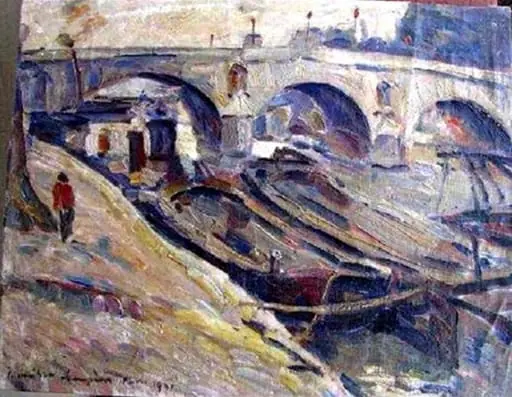
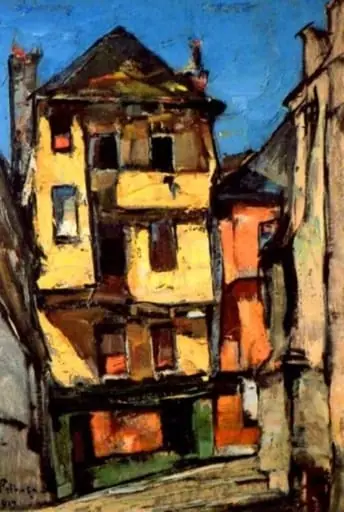
Case la Paris is an unspecified painting by Rudolf Schweitzer-Cumpăna. It dates from 1932 and is held in the collection of the Botoșani County Museum.
About this work
Overview
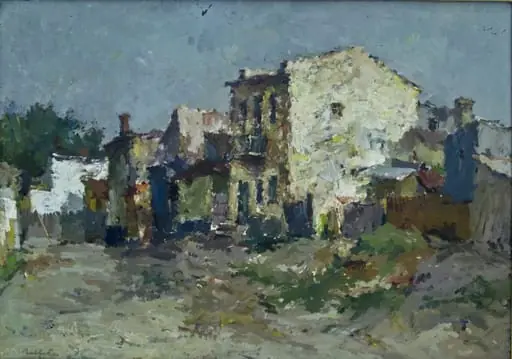
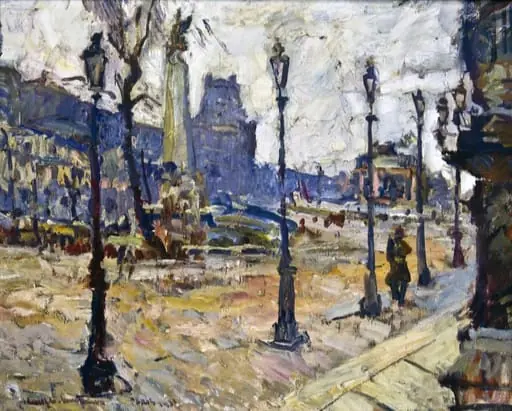
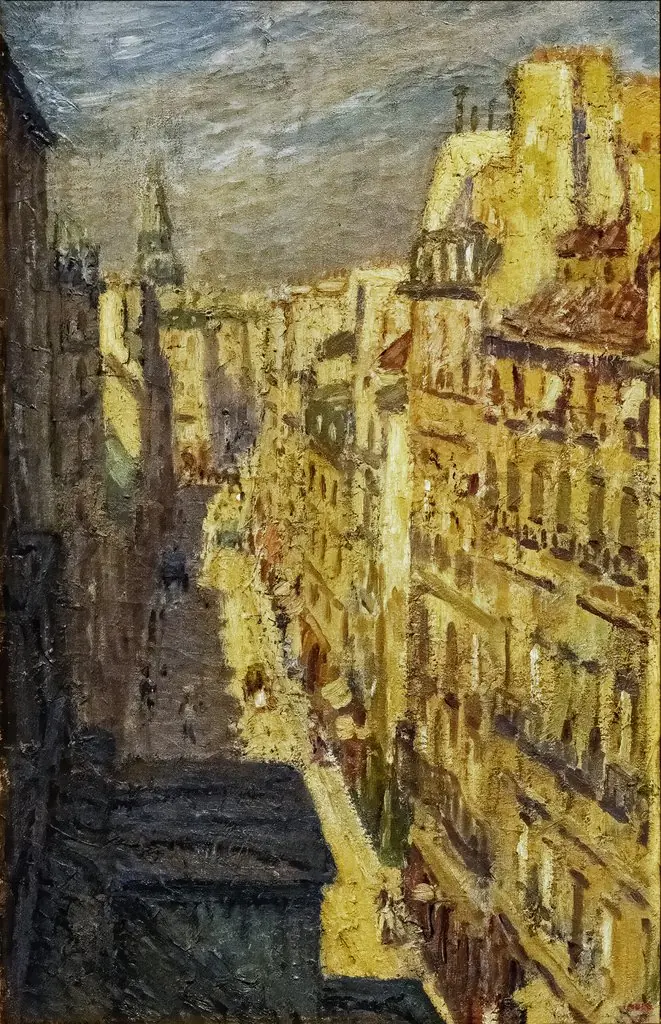
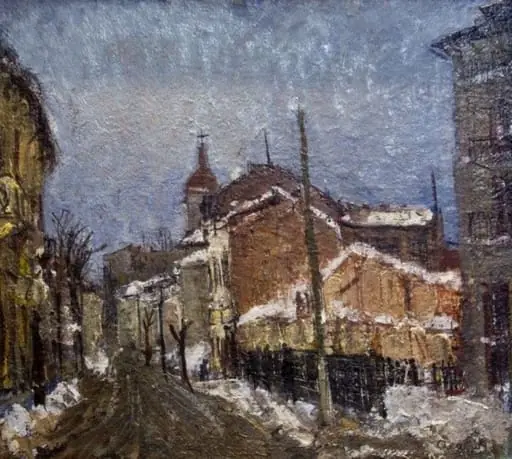
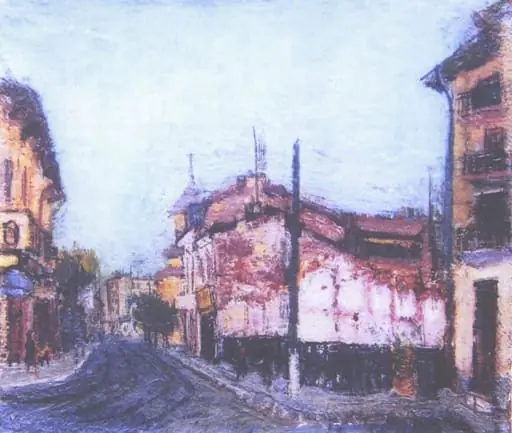
Rudolf Schweitzer-Cumpăna painted Case la Paris in 1932, capturing a quiet urban moment in the French capital. The work is part of the Museum of Ethnography’s collection, where it is preserved as an example of early 20th-century European urban observation. Though not widely exhibited, it reflects the artist’s interest in everyday environments and their emotional resonance.
Subject & Meaning
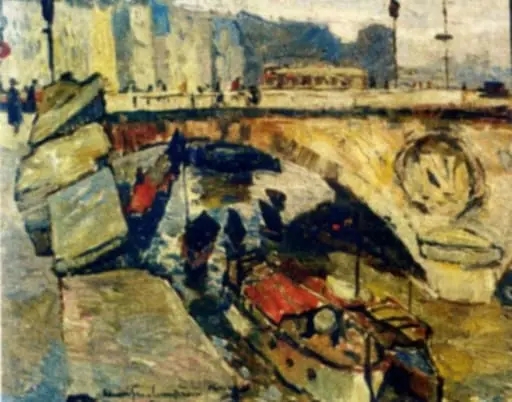
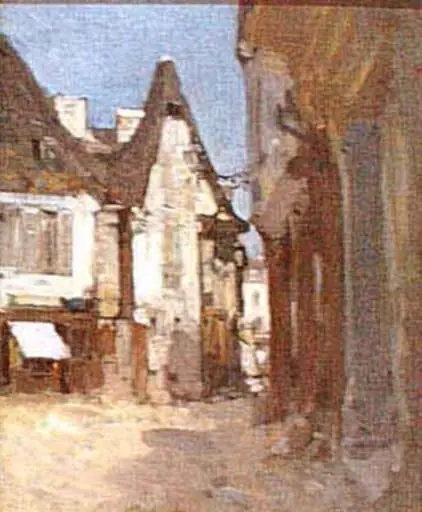
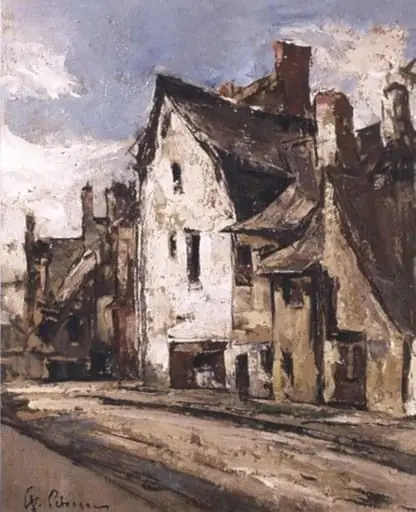
The painting presents a Parisian street scene, with modest architecture and minimal human presence. The absence of bustling activity suggests a pause in daily life, inviting reflection rather than narrative. The focus on ordinary architecture and subdued movement implies a meditation on solitude within the modern city, avoiding romanticization in favor of quiet realism.
Technique & Style
Schweitzer-Cumpăna employs a restrained palette, with cooler, muted tones receding into the background and warmer hues anchoring the foreground street. Light is used subtly to suggest time of day and spatial depth, without dramatic contrast. Brushwork is deliberate but unobtrusive, prioritizing atmospheric cohesion over detailed rendering, reinforcing the painting’s contemplative mood.
History & Provenance
Created in 1932, the painting entered the Museum of Ethnography’s holdings shortly after its completion. Its acquisition aligns with the museum’s broader interest in cultural representations of daily life across Europe. There is no record of public exhibition prior to its inclusion in the collection, suggesting it was not widely circulated during the artist’s lifetime.
Context
In the early 1930s, European artists increasingly turned to urban scenes as sites of psychological and social inquiry. Schweitzer-Cumpăna’s work fits within this trend, though it avoids political or social commentary. His approach aligns with quieter regional modernisms, emphasizing mood over movement, and personal perception over grand narrative.
Legacy
Though Schweitzer-Cumpăna is not a widely documented figure in major art historical narratives, Case la Paris remains a quiet testament to his observational sensitivity. The work contributes to a lesser-known strand of interwar European painting that valued stillness and atmosphere, offering a counterpoint to the more dominant avant-garde movements of the period.
Artist & collection
Artist
Rudolf Schweitzer-Cumpăna was a Romanian painter. Born in Pitești into an ethnic German family, he finished high school in his native town before attending the Royal Academy of Arts at Berlin from 1904 to 1909, studying…