Artwork
Sighișoara
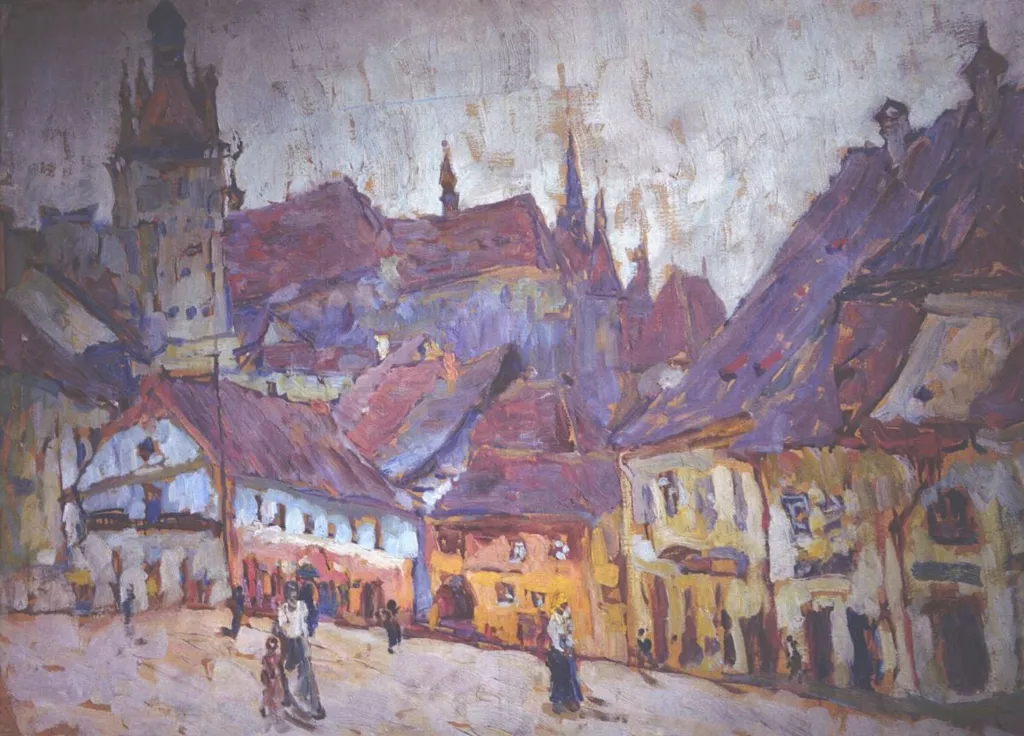
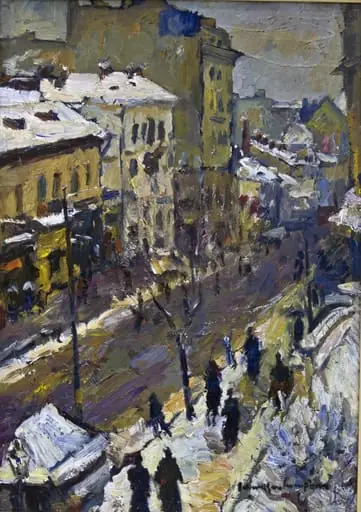
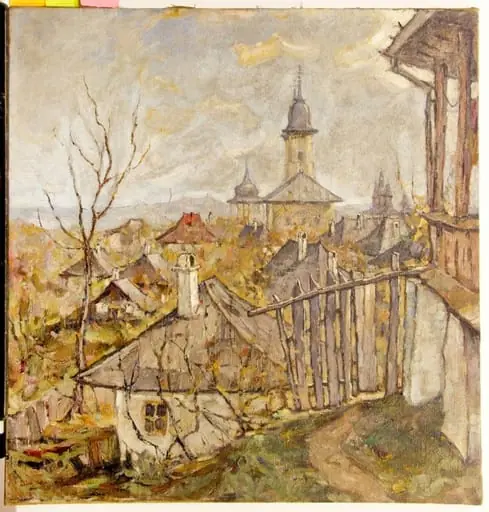
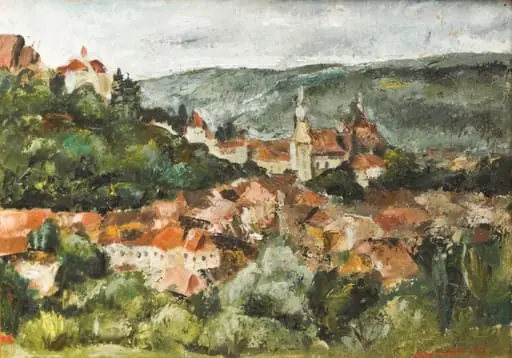
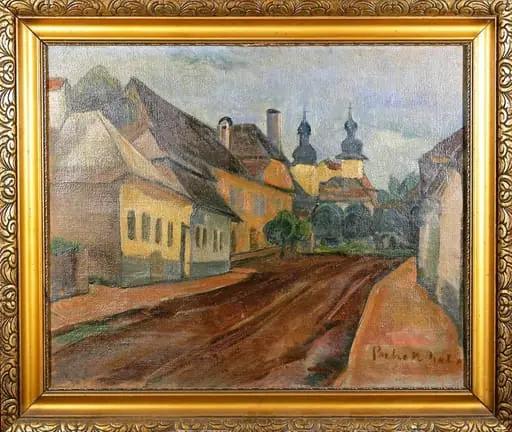
Sighișoara is an unspecified painting by Rudolf Schweitzer-Cumpăna. It dates from 1944 and is held in the collection of the Bucharest Municipality Museum.
About this work
Overview
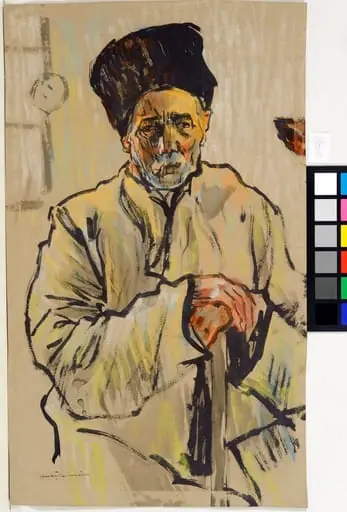
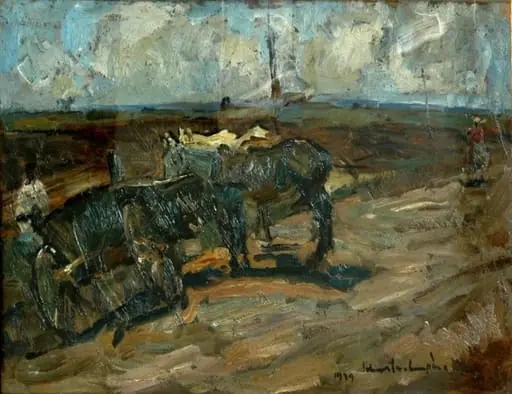
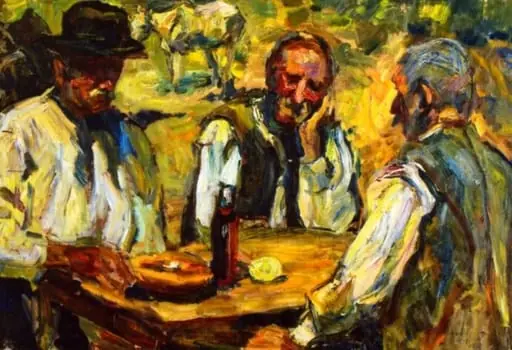
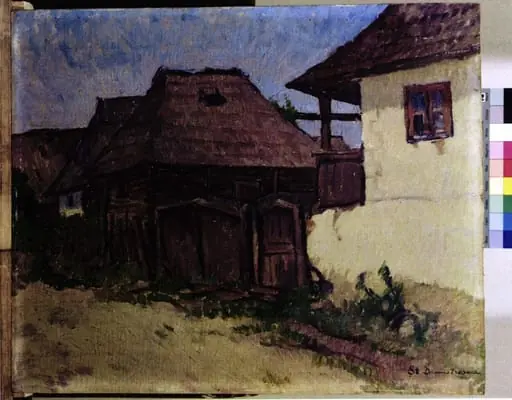
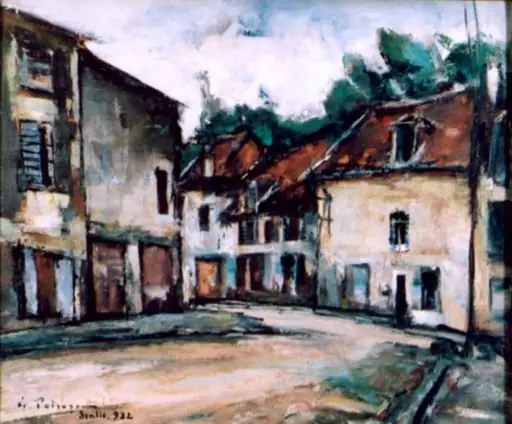
Sighișoara is a c. 1944 painting by Rudolf Schweitzer-Cumpăna, part of the Museum of Ethnography's collection. It captures a cityscape, focusing on a town square with a prominent building on the left and smaller ones on the right, inhabited by figures going about their daily activities.
Subject & Meaning
The subject is a specific Eastern European town, likely Sighișoara itself, conveyed through distinctive architecture. The scene conveys a sense of rooted history and tradition, emphasizing the everyday within a historic setting.
Technique & Style
Schweitzer-Cumpăna employed a diverse color palette (browns, yellows, blues) to achieve depth and atmosphere. The use of chiaroscuro adds visual complexity, though details on its application in this work are not provided here.
History & Provenance
Created circa 1944, the painting is now housed at the Museum of Ethnography, with no detailed provenance provided for the period between its creation and museum acquisition.
Context
Given its wartime creation (circa 1944), Sighișoara might reflect a longing for stability or a documentation of untouched heritage amidst conflict, though the artist's intent is not explicitly stated.
Legacy
The painting's legacy is tied to its representation of a specific cultural and historical moment in Eastern Europe, preserved within the Museum of Ethnography's holdings.
Artist & collection
Artist
Rudolf Schweitzer-Cumpăna was a Romanian painter. Born in Pitești into an ethnic German family, he finished high school in his native town before attending the Royal Academy of Arts at Berlin from 1904 to 1909, studying…