Artwork
Saint Jerome
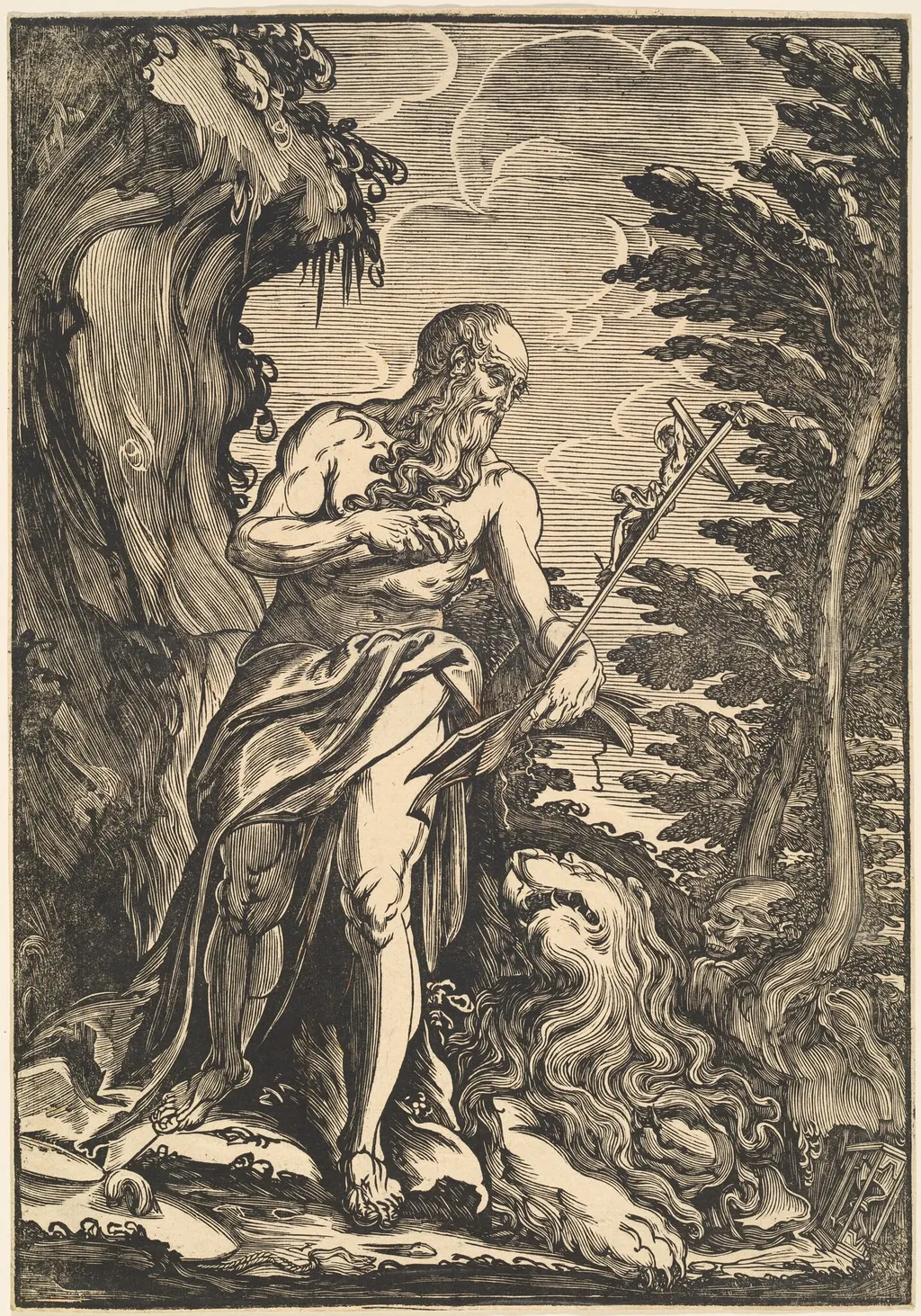
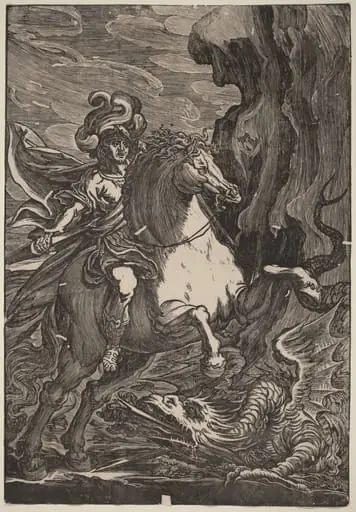
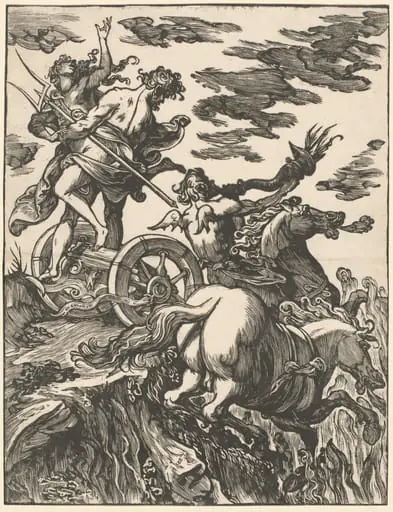
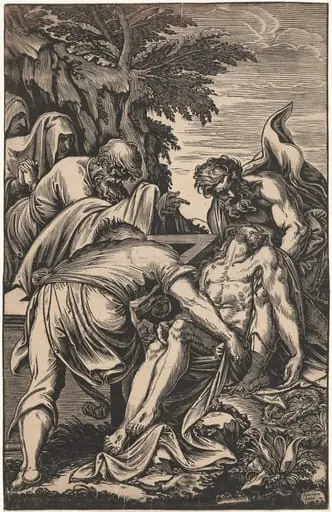
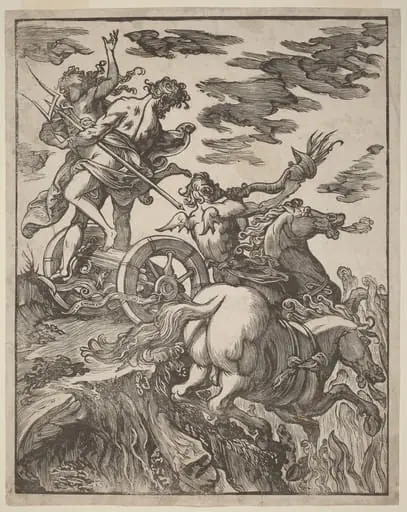
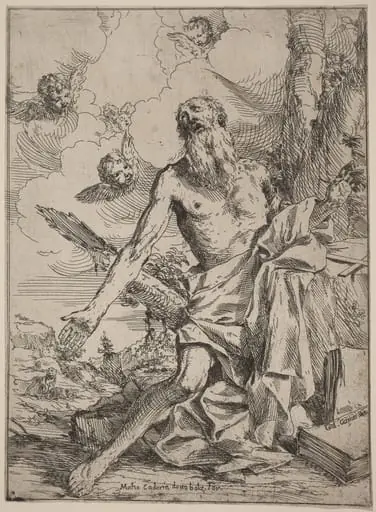
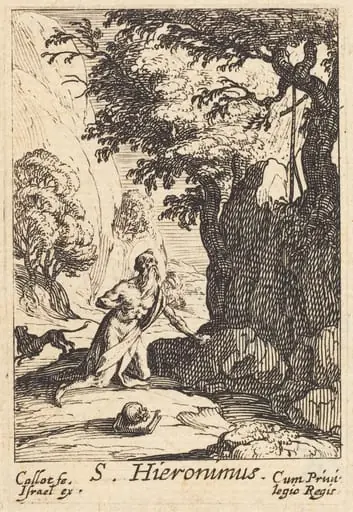
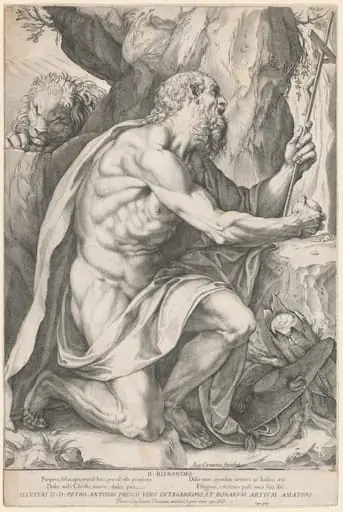
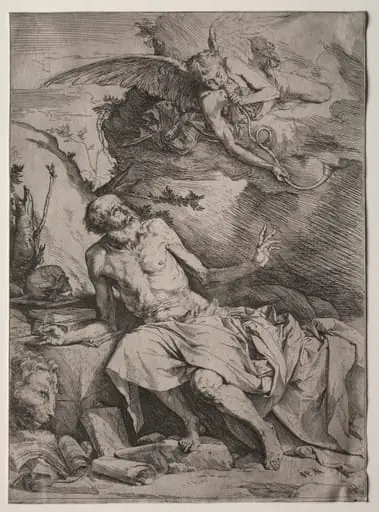
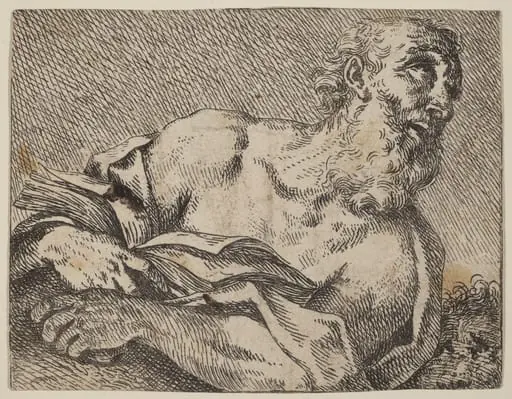
Saint Jerome is an ink print by the Renaissance artist Giuseppe Scolari. It dates from 1600 and is held in the collection of the National Gallery of Art.
About this work
Overview
Giuseppe Scolari’s woodcut of Saint Jerome, executed around 1600 on laid paper, presents the biblical scholar in a contemplative pose. The print belongs to the early modern period of religious imagery and exemplifies the use of woodcut as a medium for disseminating devotional subjects.
Subject & Meaning
The figure is identified as Saint Jerome, traditionally shown in the act of translation or study. Here he is seated at a desk, absorbed in a book, emphasizing his role as a learned hermit and translator of the Vulgate. The composition underscores the intellectual devotion associated with the saint.
Technique & Style
Scolari employed the woodcut technique, carving fine lines into a wood block to achieve intricate detail. The printed image on laid paper reveals careful rendering of textures—fabric folds, desk objects, and background elements—demonstrating the artist’s skill in creating depth within the constraints of the medium.
History & Provenance
Created at the turn of the seventeenth century, the print reflects the continued popularity of saintly iconography in post‑Renaissance Italy. While specific ownership records are scarce, the work is catalogued among Scolari’s surviving prints and is held in several European print collections.
Context
During the period, woodcuts served both devotional and educational purposes, allowing images of saints to reach a broader audience beyond elite patrons. Scolari’s depiction aligns with contemporary visual conventions that presented Jerome as a scholarly ascetic, reinforcing Counter‑Reformation ideals of piety and learning.
Artist & collection