Artwork
Allegory of Autumn
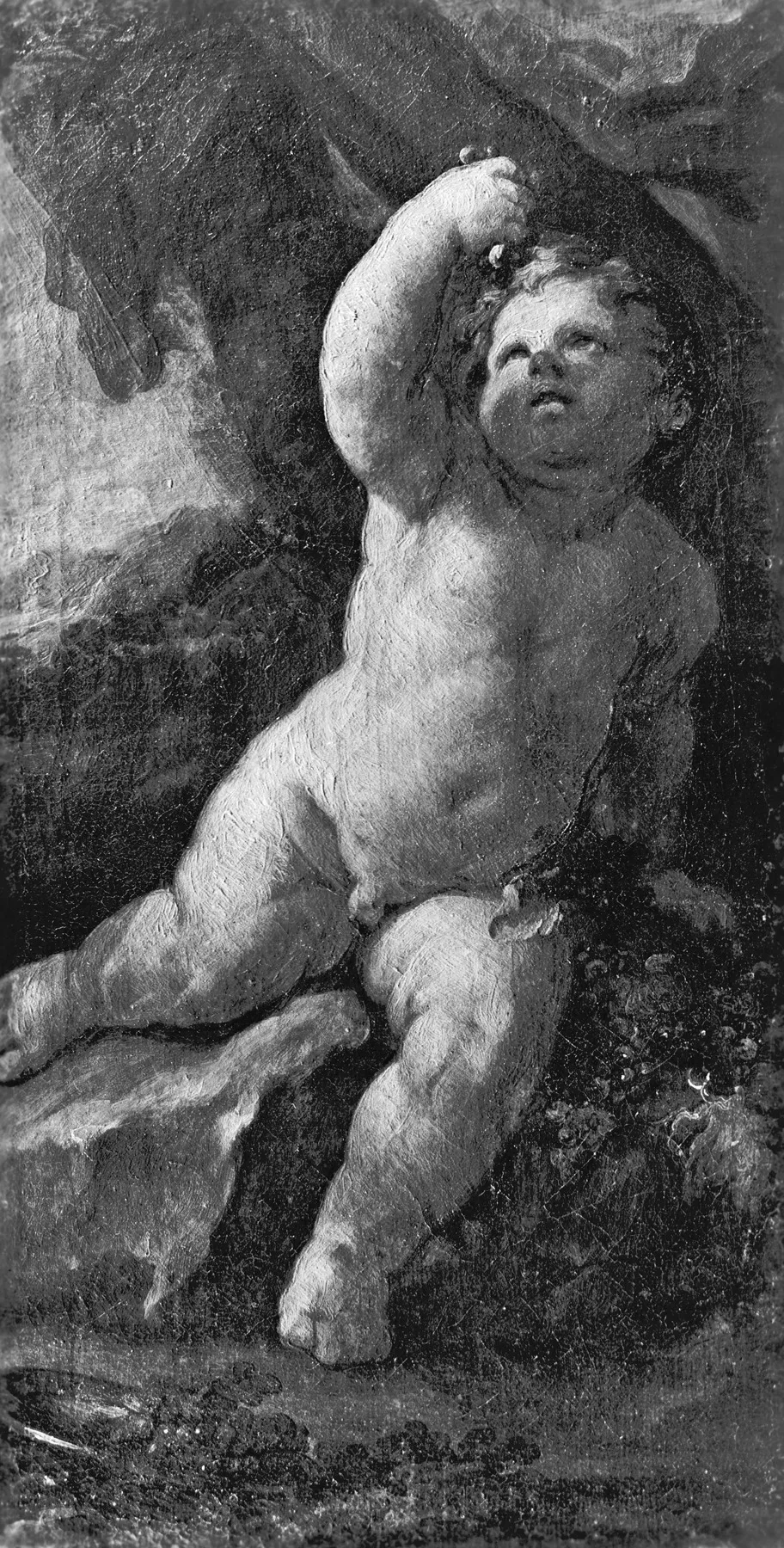
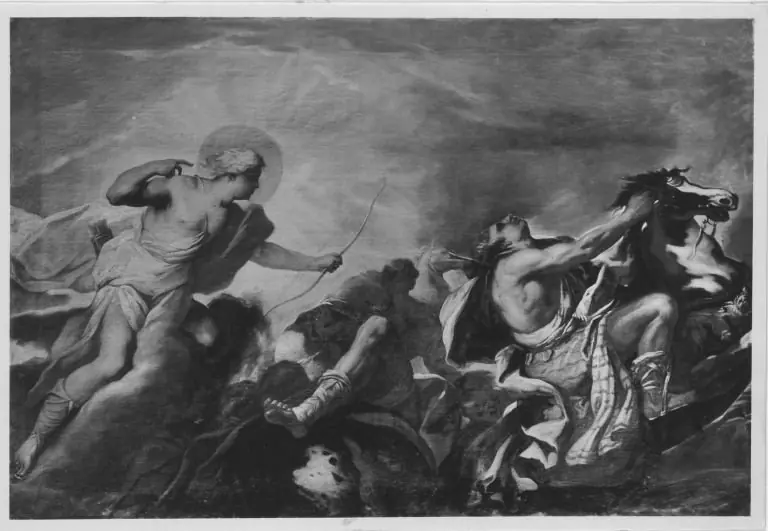
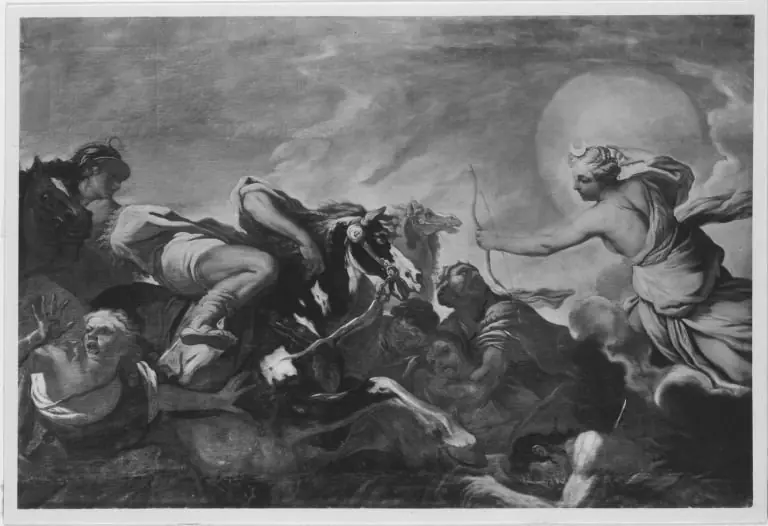
Allegory of Autumn is an oil painting by the Rococo painting artist Sebastiano Conca. It dates from 1720 and is held in the collection of the Walters Art Museum.
About this work
Overview
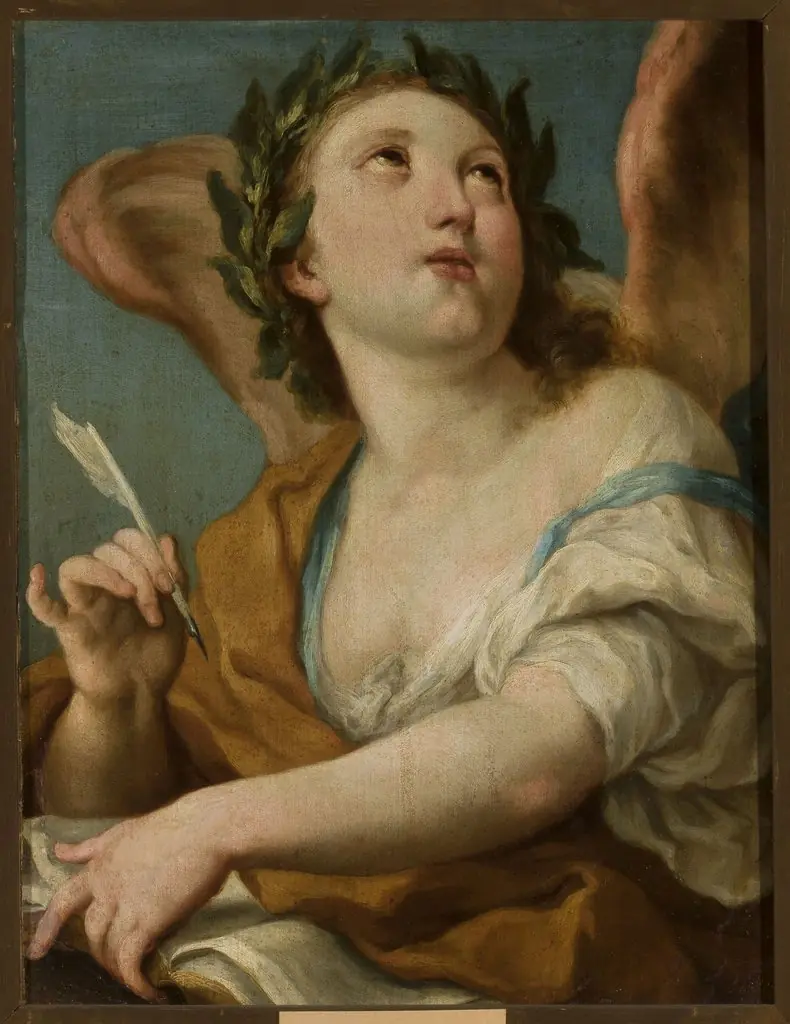
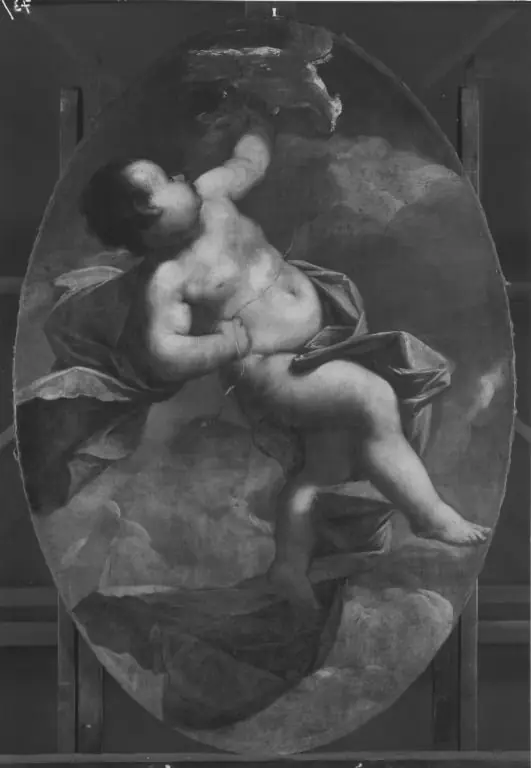
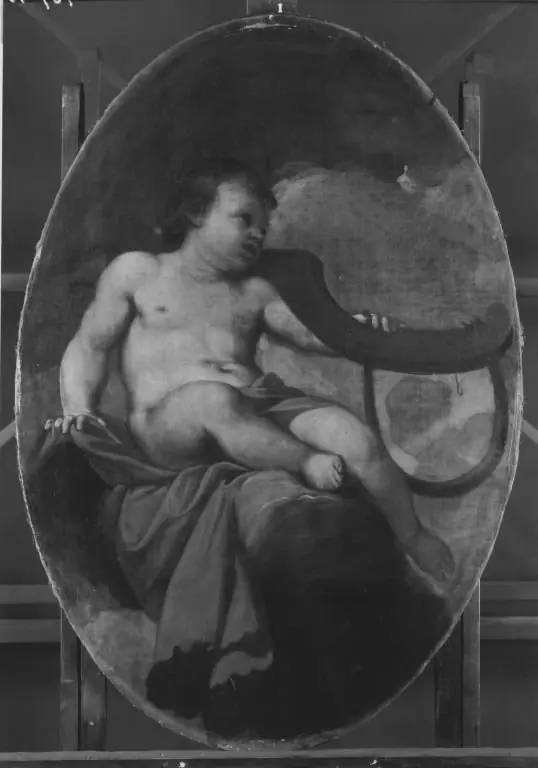
Sebastiano Conca’s Allegory of Autumn, executed in oil around 1720, is part of the Walters Art Museum’s collection. The composition centers on a youthful, winged figure rendered with soft, rounded modeling against a shadowy backdrop that hints at foliage and clouds. The work exemplifies the late Baroque interest in allegorical personifications and dynamic movement.
Subject & Meaning
The painting’s focal point is a plump putto, a common symbol of innocence and the divine, positioned in an energetic stance with one arm lifted and the other bent. Though the face is indistinct, the figure’s gesture and the seasonal title suggest an embodiment of autumn’s abundance and transition, conveyed through the figure’s buoyant posture.
Technique & Style
Conca employs chiaroscuro to heighten the contrast between the illuminated putto and the dim, atmospheric background, directing attention to the figure’s form. The brushwork is smooth, emphasizing the fleshy, rounded anatomy typical of Baroque allegorical scenes, while the muted palette of the surroundings reinforces the dramatic lighting.
History & Provenance
Created in the early eighteenth century, the canvas entered the Walters Art Museum’s holdings as part of its early European painting acquisitions. Documentation traces its provenance to private collections before its museum accession, reflecting the work’s circulation among connoisseurs of Baroque allegory.
Context
Conca, a prolific Roman painter, often produced mythological and allegorical subjects for ecclesiastical and aristocratic patrons. This piece aligns with contemporary trends that personified the seasons, integrating classical motifs with the expressive vigor characteristic of the late Baroque period.
Artist & collection